- Climate Management: High-desert environments fluctuate wildly in temperature; layering with moisture-wicking, breathable fabrics is more effective than heavy clothing.
- Mobility First: Prioritize footwear with superior grip and ankle support, and verify the specific “accessibility” level of terrain—sand, gravel, and uneven stone require different mobility aids.
- Stamina Preservation: Use the “1-2-1 rule”—one hour of activity, two hours of shade/rest, and one liter of electrolyte-balanced water—to prevent heat-related exhaustion.
Introduction: The Desert as a Rewarding Heritage Destination
For many travelers aged 60 to 80, the appeal of desert heritage sites—from the ancient ruins of Petra to the sun-drenched pueblos of the American Southwest—is undeniable. These locations offer a profound connection to history, architecture, and geology. However, the desert is an environment that demands respect and precise preparation.
Unlike urban tourism, where infrastructure is usually standardized, desert heritage sites often feature uneven terrain, extreme UV exposure, and limited shade. This guide focuses on how to pack and prepare for these environments specifically through the lens of accessibility, stamina, and safety, ensuring that the experience remains enjoyable rather than exhausting.
1. The Science of Desert Layers: Managing Extreme Temperature Swings
A common misconception about the desert is that it is always hot. In reality, the arid climate often leads to drastic temperature drops once the sun sets. Packing for a desert tour requires a “modular” approach to clothing.
The Base Layer Strategy
Avoid heavy cotton, which traps sweat and takes hours to dry. Instead, look for synthetic or merino wool blends that offer “wicking” properties. These fabrics pull moisture away from the skin, preventing heat rash and chafing. For older adults, keeping the skin dry is essential to preventing fungal infections and maintaining comfort during long hours of exploration.
Outer Layers and UV Protection
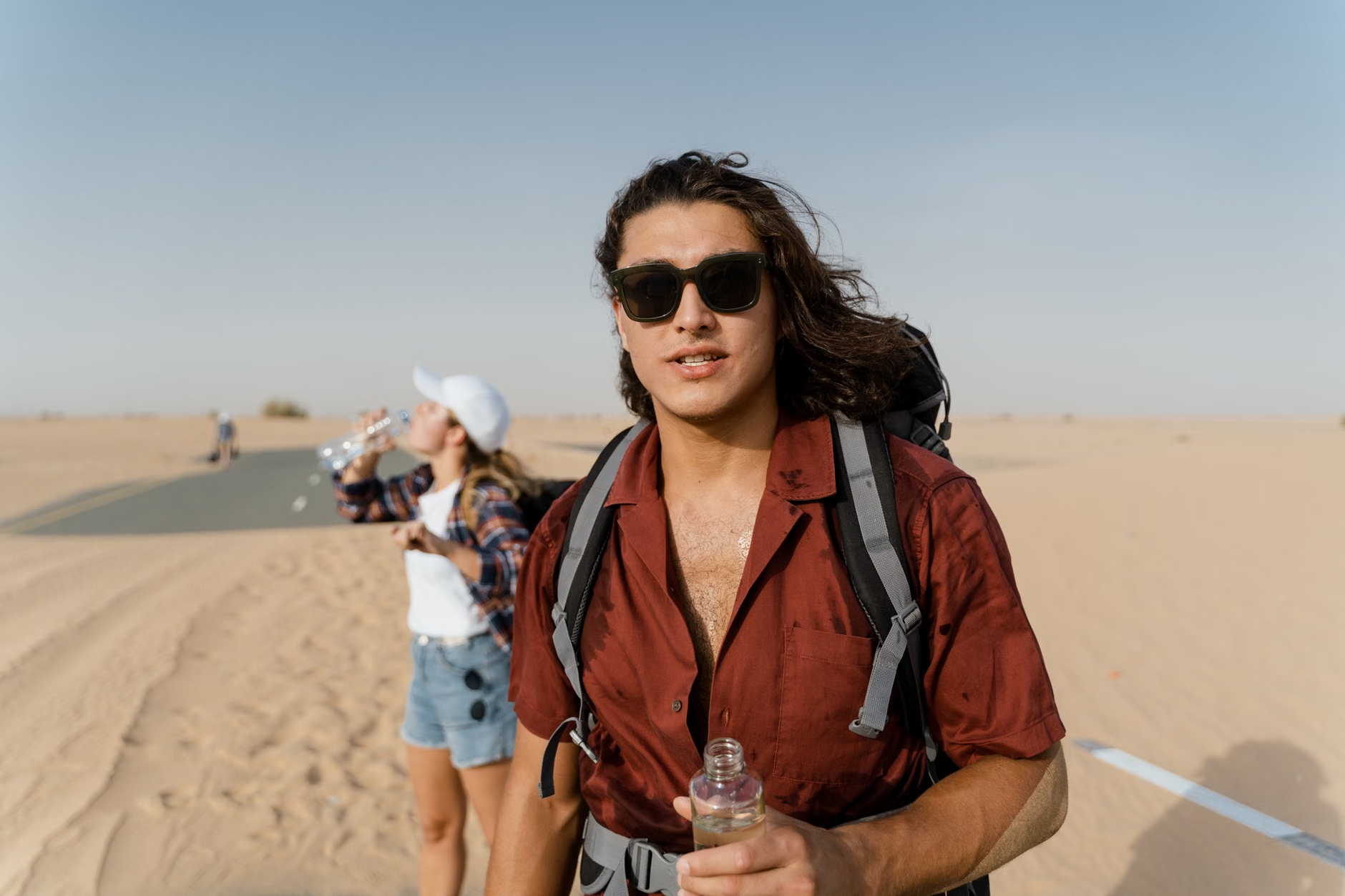
Sun protection is not just about comfort; it is about preventing heat exhaustion. A long-sleeved, loose-fitting linen or technical sun-shirt acts as a personal air-conditioning unit. By covering the skin, you reduce the surface area exposed to direct solar radiation, which lowers the body’s overall heat gain. A wide-brimmed hat with a chin strap is vital, as desert winds can be surprisingly gusty, often catching lighter headwear.
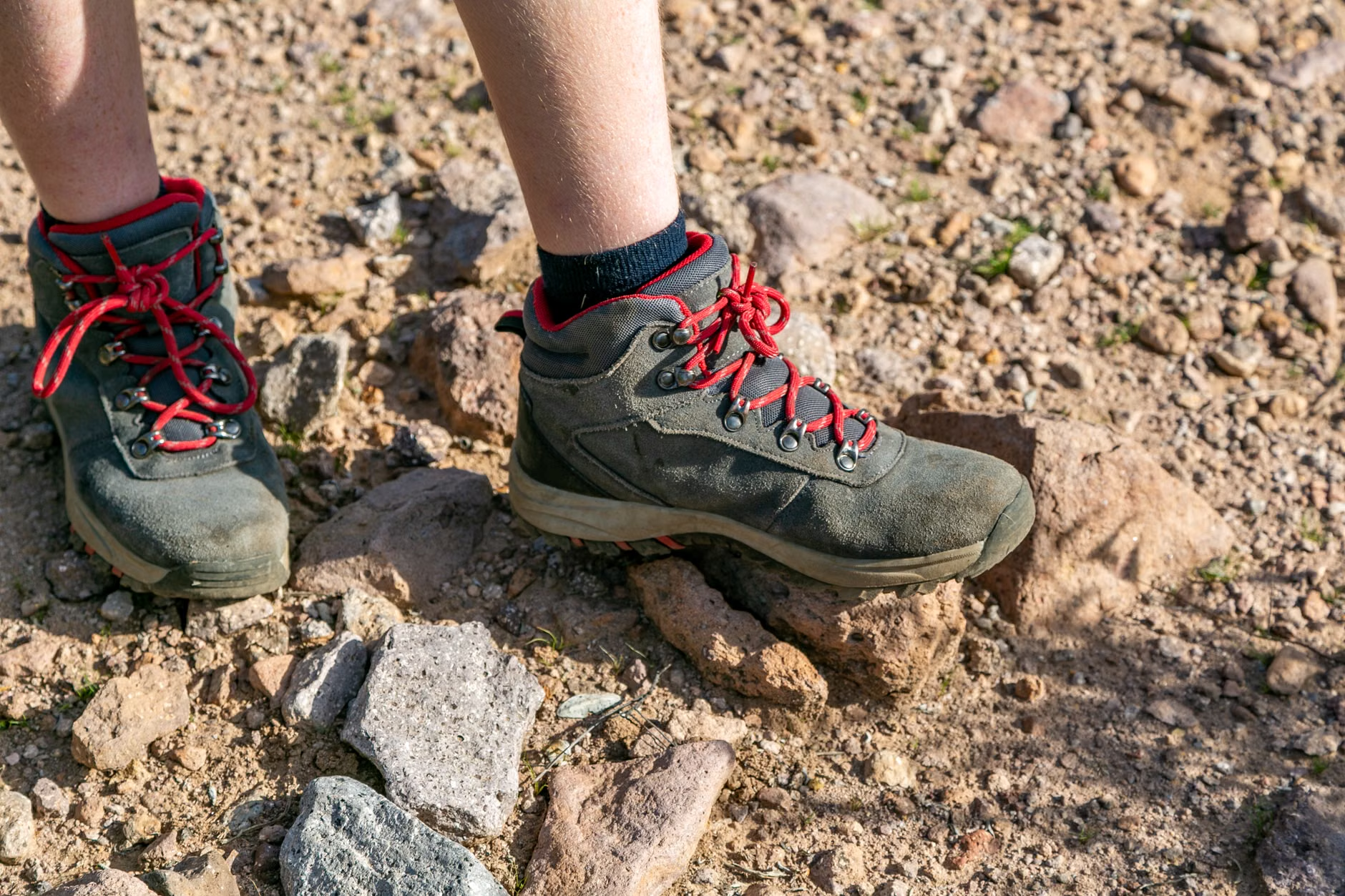
Many heritage sites are “accessible” by name but challenging in practice. You might encounter loose sand, gravel, or uneven, weathered stone steps. Standard walking shoes or sneakers are often insufficient for these surfaces.
Choosing the Right Support
Look for hiking sandals or walking shoes with a “vibram” or high-traction rubber sole. The tread depth should be at least 3-4 millimeters to provide the necessary grip on shifting sand or smooth, sloped stone. If you use a cane or trekking poles, ensure they have “sand baskets” attached to the tips. Without these, a standard cane will sink into the sand, creating a trip hazard.
| Terrain Type | Recommended Footwear | Mobility Aid Accessory |
|---|---|---|
| Compacted Dirt/Stone | Sturdy walking shoes with ankle support | Standard cane with rubber tip |
| Loose Sand/Dunes | High-top hiking boots (prevents sand entry) | Trekking poles with wide sand baskets |
| Rocky/Ruins | Closed-toe hiking sandals with grip | Foldable seat-cane for frequent breaks |
The comparison above highlights a critical decision: if your tour includes both ruins and dunes, prioritize the hiking boot. It is easier to deal with a slightly warmer foot than it is to recover from a sprained ankle caused by lack of support on uneven ruins.
3. Stamina and Hydration: The “1-2-1” Protocol
Stamina in the desert is not about physical fitness; it is about heat management. As we age, our bodies become slightly less efficient at regulating internal temperature. The “1-2-1” protocol is a practical heuristic for senior travelers:
- 1 Hour of Activity: Do not push for long, continuous walking periods. Schedule your tour to include 60-minute blocks of movement.
- 2 Hours of Shade/Rest: This includes lunch, sitting in a visitor center, or finding a shaded alcove. Do not wait until you feel tired to rest; by then, your core temperature is likely already elevated.
- 1 Liter of Water: Aim to consume one liter of water supplemented with electrolytes every two hours. Plain water is often not enough, as the desert causes rapid loss of sodium and potassium through sweat.
4. Managing Medication and Health Records in Arid Climates
The dry air and potential for high-altitude desert travel can impact how certain medications affect your body. Always carry a physical copy of your medical records and a list of current prescriptions. Ensure your medications are stored in an insulated pouch, as temperatures inside a tour bus or parked vehicle can easily exceed 40°C (104°F), which may degrade the efficacy of temperature-sensitive drugs like insulin or certain cardiac medications.
Warning Sign: If you feel “chills” while in a hot environment, this is a primary indicator of heat stroke, not just dehydration. If this occurs, stop immediately, seek an air-conditioned environment, and alert your tour guide or a companion.
5. Accessibility Audits: Asking the Right Questions Before You Go
Do not rely on the term “wheelchair accessible” without verification. In many heritage sites, this simply means there is a paved path to the entrance, but not necessarily to the main ruins. Before booking, ask the tour operator these three specific questions:
- “What is the total walking distance from the drop-off point to the primary viewing area?”
- “Are there stairs between the accessible path and the main historical structures?”
- “Is there a shaded place to wait if I choose to skip a portion of the walking tour?”
If the tour operator cannot answer these, they may be unfamiliar with the specific physical demands of the site. A reputable operator should be able to provide a map indicating where benches or shade are located along the path.
6. Packing Checklist for the Desert Traveler
When packing, prioritize items that serve multiple purposes. Here is a recommended list for a 3-5 day desert heritage tour:
- Cooling Towel: Reusable, water-activated cooling cloths are highly effective for instant relief.
- Polarized Sunglasses: Desert glare off light-colored stone or sand can cause significant eye strain.
- Electrolyte Powder Packets: Easy to add to bottled water to maintain balance.
- Small, Collapsible Umbrella: Often overlooked, a “sun umbrella” provides instant, portable shade, which is often more effective than a hat alone.
- Lip Balm with SPF: The air is extremely drying, and cracked lips can become painful within hours.
7. The Hidden Variable: Dust and Respiratory Health
Desert environments are inherently dusty. For travelers with mild asthma or respiratory sensitivities, the fine particulate matter can be an irritant. Consider bringing a high-quality, breathable face covering (like a light gaiter) to use if the winds pick up. This simple addition can prevent a minor respiratory irritation from ruining your travel experience.
Conclusion: Pacing for Longevity
The true joy of a desert heritage tour lies in the ability to observe, reflect, and appreciate the history without the pressure of a rigid schedule. By prioritizing your physical needs—hydration, shade, and proper footwear—you transform the desert from a challenging environment into a manageable, awe-inspiring destination. Remember that the goal is not to see every corner of the site, but to experience the ones you do visit with clarity and comfort.
Frequently Asked Questions (FAQ)
1. Should I bring my own water, or will it be provided?
While most tours provide water, never rely solely on provided supplies. Always carry an insulated bottle that can hold at least 750ml, and keep an extra bottle in your daypack. Always ensure you have a way to add electrolytes to your water, as plain water intake alone can lead to hyponatremia (low blood sodium) in extreme heat.
2. Is a cane or trekking pole better for desert terrain?
For most, a pair of trekking poles is superior. They provide two points of contact, which significantly improves balance on uneven, shifting surfaces like sand or loose gravel. If you prefer a cane, ensure it has a wide base or a “sand basket” attachment to prevent sinking.
3. How can I handle the desert sun if I have sensitive skin?
Layering is your best defense. Instead of relying only on sunscreen, which needs to be reapplied frequently due to sweat, wear long-sleeved “sun-protection” clothing (UPF 50+). These garments are lightweight, breathable, and provide consistent protection without the need for constant reapplication.
Official guidance on heat-related illness prevention can be found via the Centers for Disease Control and Prevention (CDC) – Extreme Heat and local health ministry websites for specific desert regions like the U.S. National Park Service Desert Safety guidelines. Always check the specific park or site website for current weather-related alerts before your departure.