- Prioritize Flat Surfaces: Historic towpaths are often uneven; look for “restored” or “paved” sections to ensure stability for walking aids or sensitive joints.
- Plan for “Exit Points”: Unlike loop trails, canal walks are linear. Always identify bus or rail connections at multiple intervals to avoid long return journeys.
- Check Accessibility Audits: Use official canal authority websites to confirm the presence of step-free access, public toilets, and bench spacing before you depart.
Accessible Historic Canal Walks: A Guide for Senior Travelers
Historic canal walks offer a unique window into the industrial and social history of many nations. For travelers aged 60 to 80, these routes provide a rare combination of flat terrain, scenic beauty, and cultural enrichment. However, the age of these paths—often dating back to the 18th or 19th century—means that accessibility varies significantly. Selecting the right walk requires moving beyond general travel advice to focus on specific physical infrastructure, transport logistics, and personal stamina management.
Understanding Canal Infrastructure and Your Mobility Needs
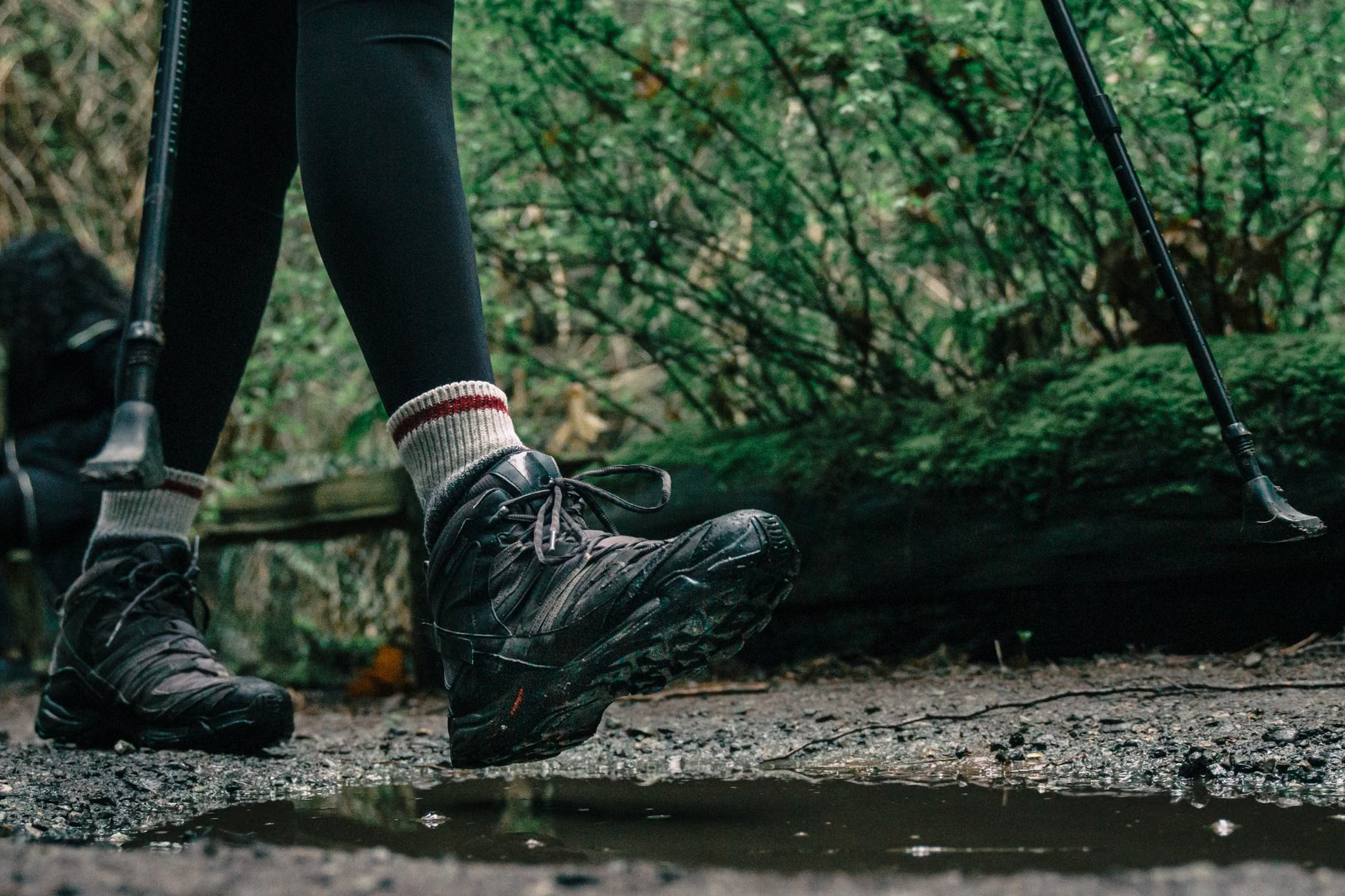
Canal towpaths were originally designed for horses pulling barges, not for modern recreational use. While many have been repurposed into high-quality pedestrian thoroughfares, others remain narrow, muddy, or prone to flooding. For the senior traveler, the primary challenge is not the distance, but the surface quality and consistency of the path.
Evaluating Path Surfaces
When researching a potential canal walk, look for terms like “tarmacked,” “paved,” or “well-compacted gravel.” A “natural” or “unimproved” towpath may sound charming, but these are often high-risk environments for those with balance concerns or joint sensitivity. If you use a walking aid, such as a cane or trekking poles, a muddy or uneven surface can lead to fatigue or falls.
Decision Criteria for Surface Types:
| Surface Type | Best For | Risk Level |
|---|---|---|
| Tarmac/Asphalt | Wheelchairs, walkers, and strollers | Low |
| Compacted Gravel | Sturdy walking shoes, hiking poles | Moderate |
| Grass/Mud | Avoid unless dry and level | High |
If you encounter a path described as “unimproved,” consider checking local weather reports. A path that is perfectly fine in the height of summer can become a slip hazard after a light rain shower. Always prioritize routes that have undergone recent heritage restoration, as these are most likely to include modern accessibility upgrades like wider gates and smoother surfaces.
Strategic Planning: The Linear Walk Challenge
Canal walks are inherently linear. You are walking from Point A to Point B, and unless you are part of a guided tour with a coach waiting for you, you must consider the return journey. This is where many travelers encounter unexpected physical strain.
The “Out-and-Back” vs. “Point-to-Point” Strategy
A common mistake is assuming you can walk until you feel tired and then turn around. If you walk for 60 minutes and then realize you are fatigued, you still have a 60-minute walk back to your starting point. This effectively doubles your intended distance.
Practical Steps for Route Planning:
- Identify “Bail-out” Points: Before starting, mark on your map every point where the canal path intersects with a road or bridge that leads to a public transport hub.
- Use Local Transport: Many canal networks have parallel bus or train routes. Plan a one-way walk and use local transport to return to your base. This allows you to explore more territory without the pressure of a round trip.
- Verify “Step-Free” Access: When checking transit links, ensure the station or bus stop is accessible. Many historic stations in Europe and North America still have stairs as the primary entry. Search for the station name plus “accessibility map” to confirm elevator availability.

Managing Stamina and Recovery on the Trail
Even for those with high fitness levels, the lack of shade and constant exposure to the elements on a canal towpath can increase fatigue. Unlike a city park where you can duck into a cafe, a canal towpath can be isolated for miles.
The Rule of Three: Pacing and Rest
To maintain your stamina throughout a multi-day trip, implement the “Rule of Three”:
- Intervals: Plan a rest break every 45 minutes, even if you do not feel tired.
- Hydration/Fuel: Carry double the water you think you need. Historic canal areas often lack public drinking fountains.
- Elevation: While canals are generally level, the entry/exit points (inclines to bridges) are often steep. Identify these on your route map so you aren’t surprised by a sudden climb.
If you are traveling with a partner or a group, establish a communication signal for when you need a break. There is no shame in adjusting your pace; the goal is to enjoy the scenery, not to complete a fitness test.
Accessibility Audits: What to Look For
When you are looking at official websites for canal authorities (such as the Canal & River Trust in the UK or various historic waterway societies in North America), look for specific markers of accessibility. Do not rely on generic claims of “scenic” or “family-friendly.”
Checklist for Accessibility Verification:
- Gate Widths: Are there “kissing gates” or narrow stiles? These can be impossible to navigate with a mobility aid or even a larger backpack.
- Bridge Clearances: Are there low bridges that require a steep ramp to cross over?
- Toilet Availability: Use apps like “Flush” or official council websites to locate public toilets along the route. Never assume a historic site will have modern, accessible facilities.

The Hidden Variables of Canal Travel
Beyond the obvious physical factors, there are two often-overlooked variables that can change your experience: towpath traffic and seasonal changes.
Towpaths are shared spaces. In popular areas, you will be sharing the path with cyclists, joggers, and fishing enthusiasts. For a senior traveler, a narrow path shared with high-speed cyclists can be stressful. If possible, aim to walk on weekdays during mid-morning. This avoids the “commuter” rush of cyclists and the weekend recreational crowds, providing a much more peaceful and safer environment.
Furthermore, consider the “glare factor.” Canals reflect sunlight intensely. Even on a cloudy day, the combination of water reflection and sky can be taxing on the eyes. High-quality polarized sunglasses are not just a fashion accessory; they are a necessary tool for maintaining spatial awareness and reducing eye strain while navigating the path.
Conclusion: Taking the First Step
Selecting a canal walk is a process of matching your personal mobility profile to the realities of the path. By prioritizing flat, restored surfaces, planning for one-way transport, and conducting a thorough “accessibility audit” before you leave, you can enjoy these historic corridors safely and comfortably. Start with a short, well-mapped segment near a town center to test your stamina and the path’s accessibility before attempting longer, more remote stretches.
Frequently Asked Questions (FAQ)
- How do I find out if a canal path is paved or gravel?
Look for the official website of the local waterway authority. Most provide interactive maps that label paths as “surfaced” or “unimproved.” If that information is missing, check user-generated content on walking apps, but verify the date, as conditions can change due to maintenance. - What should I do if I get stuck on a narrow section of the path?
If you encounter a narrow or difficult section, do not feel pressured to continue. It is perfectly acceptable to turn around or wait at a wider section for traffic to pass. If you are using a mobility aid, always carry a phone with a fully charged battery and save the location of the nearest road access point before you start. - Are there specific times of year that are best for canal walking?
Late spring and early autumn are generally best. During these times, the weather is milder, and the paths are less likely to be muddy from winter rains or overgrown with seasonal vegetation. Avoiding mid-summer also helps you escape the heat, which can be amplified along water corridors.
Official resources for further planning:
- Canal & River Trust (UK) – Accessibility Guides
- National Park Service (USA) – Accessibility Information
Disclaimer: This article is for informational purposes and does not constitute medical or professional travel advice. Always assess your own physical capabilities and consult with a healthcare professional if you have concerns about your mobility before undertaking new physical activities.