- New 2026 global standards mandate uniform lighting levels and reduced glare to prevent falls and improve navigation for older adults.
- Transit authorities are shifting toward “Human-Centric Lighting” (HCL), which mimics natural light cycles to reduce disorientation during travel.
- You can now identify compliant stations by looking for high-contrast tactile floor indicators and the absence of flickering or high-glare LED hotspots.
Introduction: Why Lighting Standards are Changing in 2026
As we navigate our cities, the quality of light in public transit stations—subways, train hubs, and bus terminals—plays a critical role in our physical safety and confidence. Beginning in 2026, a significant update to global standards for transit lighting will take effect. These standards, influenced by the International Commission on Illumination (CIE) and local accessibility mandates like the Americans with Disabilities Act (ADA) in the US and the European Accessibility Act (EAA), are designed to address the specific visual needs of older adults.
Visual changes are a natural part of aging. Between the ages of 60 and 80, the lens of the eye becomes less transparent, making us more sensitive to glare and requiring more light to distinguish between low-contrast surfaces, such as a step and the floor beneath it. The 2026 updates move away from purely energy-efficient lighting to “inclusive lighting” that prioritizes depth perception, color rendering, and shadow reduction.
The 2026 Standards: Moving Beyond Just “Being Bright”
In the past, “well-lit” simply meant the number of lumens (brightness) in a space. However, high-intensity, poorly directed lighting can actually be dangerous, creating “veiling reflections” or glare that hides hazards. The 2026 standards introduce three core pillars of accessibility:
- Uniformity: Preventing “zebra-striping” (alternating light and dark patches on stairs) which can cause depth perception errors.
- Color Rendering Index (CRI): Ensuring light quality allows for true color representation, helping users read signage and distinguish between colored transit lines.
- Glare Mitigation: Mandating indirect lighting or frosted diffusers to prevent harsh reflections on polished floors, which can be disorienting.
Understanding the Shift in Lighting Technology
Most transit stations are currently retrofitting their systems with LED technology. While LEDs are energy-efficient, early versions often featured a “cool” blue light that was harsh for older eyes. The 2026 standards mandate a shift toward “warm-to-neutral” color temperatures (typically 3000K to 4000K). This range is scientifically proven to be easier on the eyes of older travelers, reducing the strain that often leads to fatigue during longer commutes.
How These Changes Impact Your Daily Commute
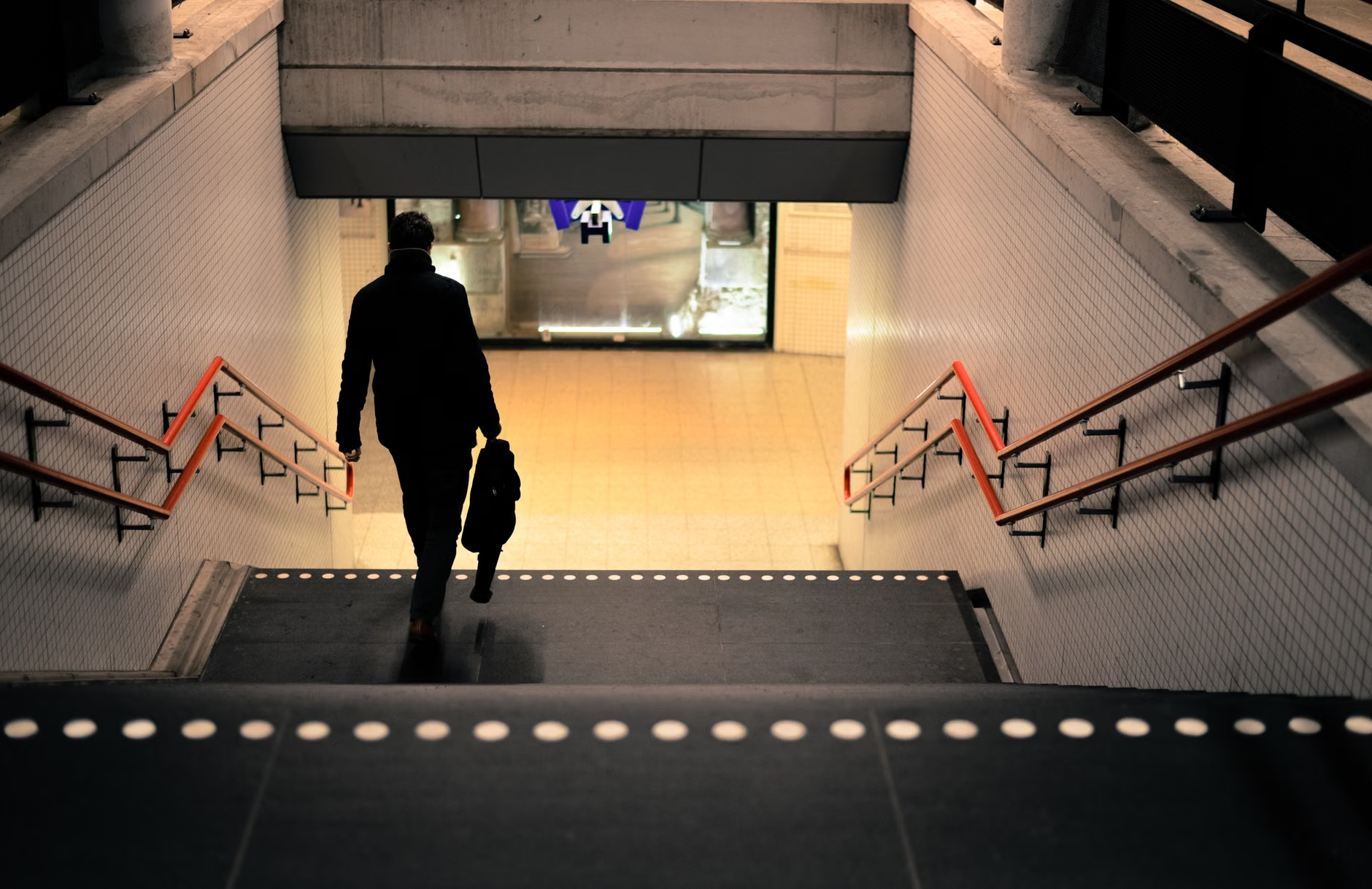
If you are a regular commuter or a traveler, these changes will manifest in several practical ways. The most significant improvement will be on stairs and escalators. The new standards require “accent lighting” at the leading edge of every step. This means that even in a crowded station, you will be able to clearly see where one step ends and the next begins.
| Feature | Old Standard (Pre-2026) | New 2026 Standard |
|---|---|---|
| Stair Illumination | Overhead lighting only | Integrated edge-lighting or high-contrast strips |
| Surface Glare | High (polished floors/harsh LEDs) | Low (diffused light/matte surfaces) |
| Signage Readability | Standard backlit | High-contrast, non-glare illumination |
Interpretation: If you struggle with balance or have had cataract surgery, the 2026 standards significantly reduce the “visual noise” that makes navigating busy hubs stressful. You should prioritize stations that have completed these upgrades, as they drastically lower the risk of misstepping on stairs.
While many major international transit hubs are already compliant, the transition will be gradual. Until full implementation is reached in your area, consider these steps to maintain your mobility:
- Assess the Platform: If you arrive at a station where the lighting is flickering or creates harsh glare, use the elevator instead of the stairs, even if it requires a longer walk.
- Use Polarized Sunglasses: Surprisingly, wearing high-quality polarized sunglasses (even indoors) can help cut the glare from older, high-intensity LED systems, allowing you to see the floor texture more clearly.
- Check Transit Apps: Many modern transit apps (such as Citymapper or Google Maps) are starting to include “accessibility tags” for stations. Look for stations marked as “fully accessible” or “upgraded,” as these almost always include the new lighting standards.
The Role of “Human-Centric Lighting” (HCL)
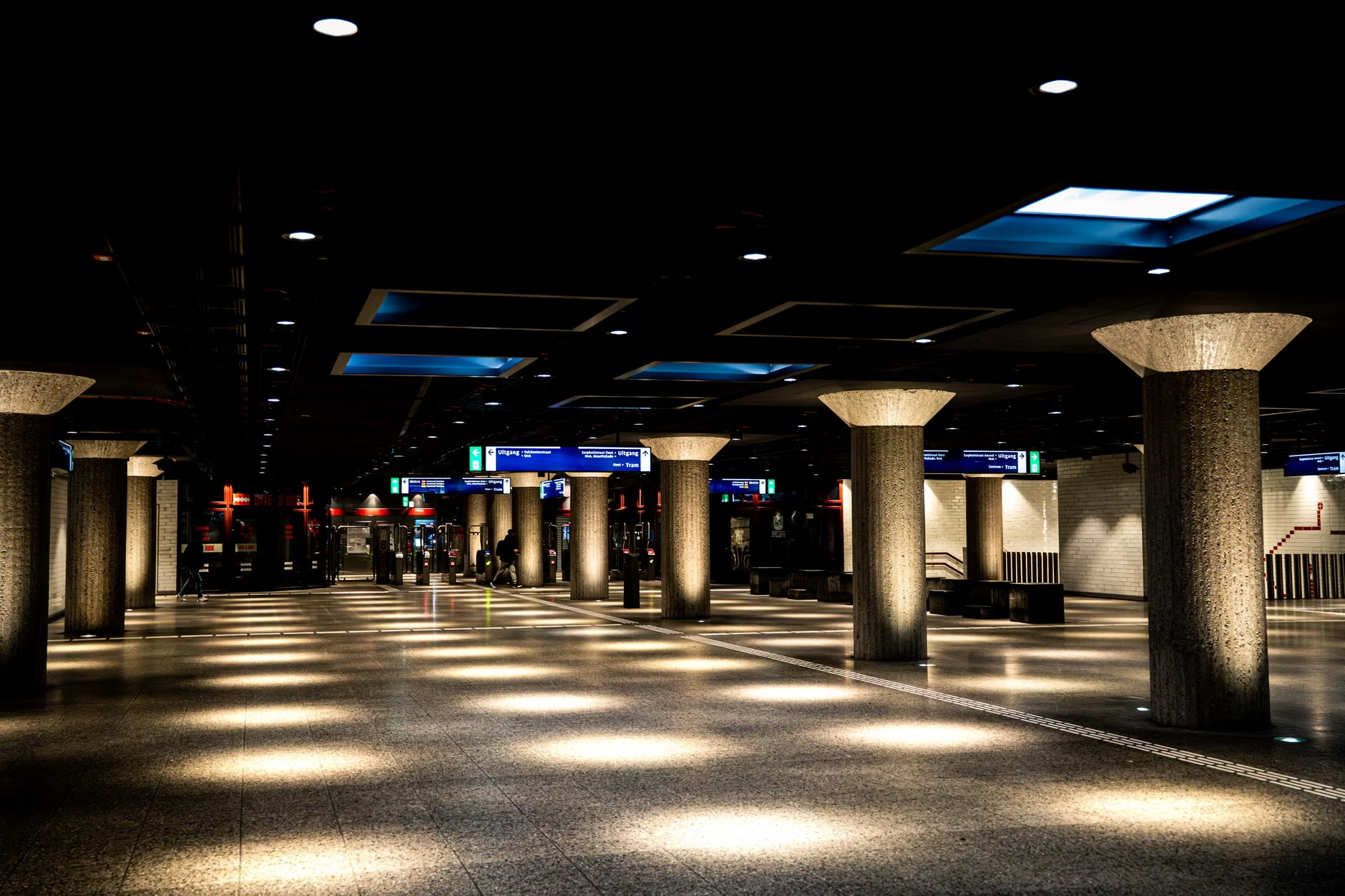
A fascinating development in the 2026 guidelines is the inclusion of HCL principles. HCL adjusts the color temperature of light based on the time of day. In the early morning, the light may be cooler and more stimulating; in the evening, it shifts to a warmer, softer tone. For older adults, this helps maintain a natural circadian rhythm, which is particularly helpful for those who travel frequently across time zones or use transit during off-peak hours.
Warning: Be wary of stations that use “strobe-like” motion-sensor lighting. While these save energy, they can be dangerous for individuals with vestibular issues or those who are sensitive to rapid changes in light intensity. If you find a station with motion-activated lights that do not turn on quickly enough, report the hazard to station management immediately.
Evaluating Your Local Transit Authority
Not every country or city will implement these changes at the same speed. In the United Kingdom, the “Inclusive Transport Strategy” is leading the way. In the United States, the Department of Transportation (DOT) has issued updated guidance that aligns with the 2026 international benchmarks. To find out if your local station is compliant, visit your transit authority’s website and search for their “Accessibility Capital Improvement Plan.”
What to Look for in a Compliant Station
- Tactile Paving: Look for raised, textured floor indicators at the edge of platforms. These should be illuminated by dedicated, downward-facing lights.
- Unified Signage: Signs should be illuminated from within or by dedicated spotlights that do not create reflections on the sign surface.
- Consistent Lighting Levels: There should be no “dark zones” between the entrance of the station and the boarding platform.
Addressing Common Misconceptions
One common mistake is believing that more light is always better. In reality, too much light can cause “disability glare,” which is a temporary blinding effect. The 2026 standards prioritize the quality of the light—how it is directed—rather than just the volume of light. Another misconception is that these changes are only for those with visual impairments. In truth, these standards benefit everyone by reducing the cognitive load required to navigate complex transit environments.
Deep Dive: The Science of Visual Aging and Transit
The human eye experiences several physiological changes between 60 and 80. The pupil size tends to decrease, allowing less light to reach the retina. Additionally, the lens yellows, which filters out blue light and reduces the ability to distinguish between colors like blue and violet. This is why the new 2026 standards emphasize high-contrast signage—often using yellow-on-black or white-on-dark-blue—which remains visible even as our color perception shifts.
Furthermore, contrast sensitivity decreases. Contrast sensitivity is the ability to distinguish an object from its background. In a transit station, this is the difference between a grey stair and a grey floor. By mandating that stairs have high-contrast nosing (the front edge of the step), the new standards eliminate the need for the eye to perform complex contrast analysis, allowing for safer movement.
Long-Term Planning: Advocating for Better Lighting
If your local station remains poorly lit, you have the right to advocate for improvements. Transit authorities are increasingly responsive to “Accessibility Audits” conducted by community groups. If you notice a station that is consistently difficult to navigate, contact your local representative or the transit authority’s disability advocate office. Provide specific examples: “The stairs at the North entrance have inadequate lighting, making the edge of the steps invisible, which poses a fall risk.”
Data-driven requests are more likely to be prioritized. Mentioning the 2026 international standards adds weight to your request, as it signals that the station is falling behind global best practices.
Conclusion: Taking Control of Your Commute
The 2026 updates to global transit lighting standards are a major step toward creating inclusive, safe, and stress-free public transport. By understanding these standards, you can make informed decisions about your travel routes and advocate for necessary upgrades in your community. Remember, your safety is the priority; if a station environment feels unsafe due to poor lighting, do not hesitate to choose an alternative route or request assistance from station staff.
As these standards become the norm, we can expect a gradual but significant improvement in the accessibility of our global transit infrastructure, allowing us to maintain our independence and continue exploring our cities with confidence.
Frequently Asked Questions
- Q: Will all transit stations be required to update their lighting by 2026?
A: The 2026 standards are guidelines adopted by many international bodies. While they are becoming mandatory for new constructions and major renovations, existing stations may be upgraded in phases depending on local budget and maintenance schedules. - Q: How can I tell if a station has been updated to the 2026 standards?
A: Look for features like warm-toned, non-flickering LED lights, high-contrast yellow or white strips on the edges of stairs, and evenly illuminated platforms without dark spots. - Q: Can I request assistance at a station if I find the lighting too dim to navigate safely?
A: Yes. Most major transit authorities offer “passenger assistance” programs. You can often book this in advance or request it from station staff upon arrival. They are trained to assist passengers who require extra help with navigation due to mobility or visual challenges.
Official Resources for Reference: