- Prioritize Accessibility Verification: Always request the specific “docking-to-ship” access details from your cruise line, as river ports vary significantly in infrastructure.
- Strategic Packing: Use a two-bag system—a light day bag for excursions and a structured carry-on for health essentials—to manage stamina and simplify security checkpoints.
- Proactive Health Management: Carry a physical copy of your medical summary and medication list in both your native language and the local language of your destination.
Introduction: The Intersection of Heritage and Mobility
Heritage river cruising offers a unique, slow-paced window into the past, allowing travelers to visit historic inland cities without the constant strain of repacking or navigating complex land-based logistics. However, for travelers aged 60 to 80, the beauty of ancient cobblestone streets and historic riverbanks often comes with physical challenges. Whether it is the steep gangplanks at low-water ports or the endurance required for guided walking tours, success lies in the balance between curiosity and physical preservation.
This guide provides a comprehensive framework for planning and packing, moving beyond generic advice to address the technical realities of accessibility, stamina management, and emergency preparedness in a river cruise environment. By treating your travel gear and itinerary as a system of support, you can ensure that your focus remains on the heritage experience rather than the logistics of mobility.
Evaluating Your Mobility and Stamina Requirements
Before booking or packing, you must perform a realistic self-assessment of your mobility. A common mistake is assuming that a cruise ship’s accessibility translates directly to the shore excursions. In reality, river cruise ports are often historic, featuring uneven surfaces, varying dock heights, and limited public transport infrastructure.
The “Dock-to-Door” Assessment
Most river cruise lines categorize their excursions by physical difficulty. Do not rely solely on these labels. Instead, ask the following questions when reviewing an itinerary:
- What is the primary mode of transit from the dock to the historic center? If it is a walking tour, what is the surface material (cobblestone, gravel, or paved)?
- Are there significant inclines? Many European river towns are built on hills. Check the elevation gain of your planned tours.
- Is there a “slow-walker” group? Many lines offer this, but verify if they provide frequent rest stops or a shuttle alternative.
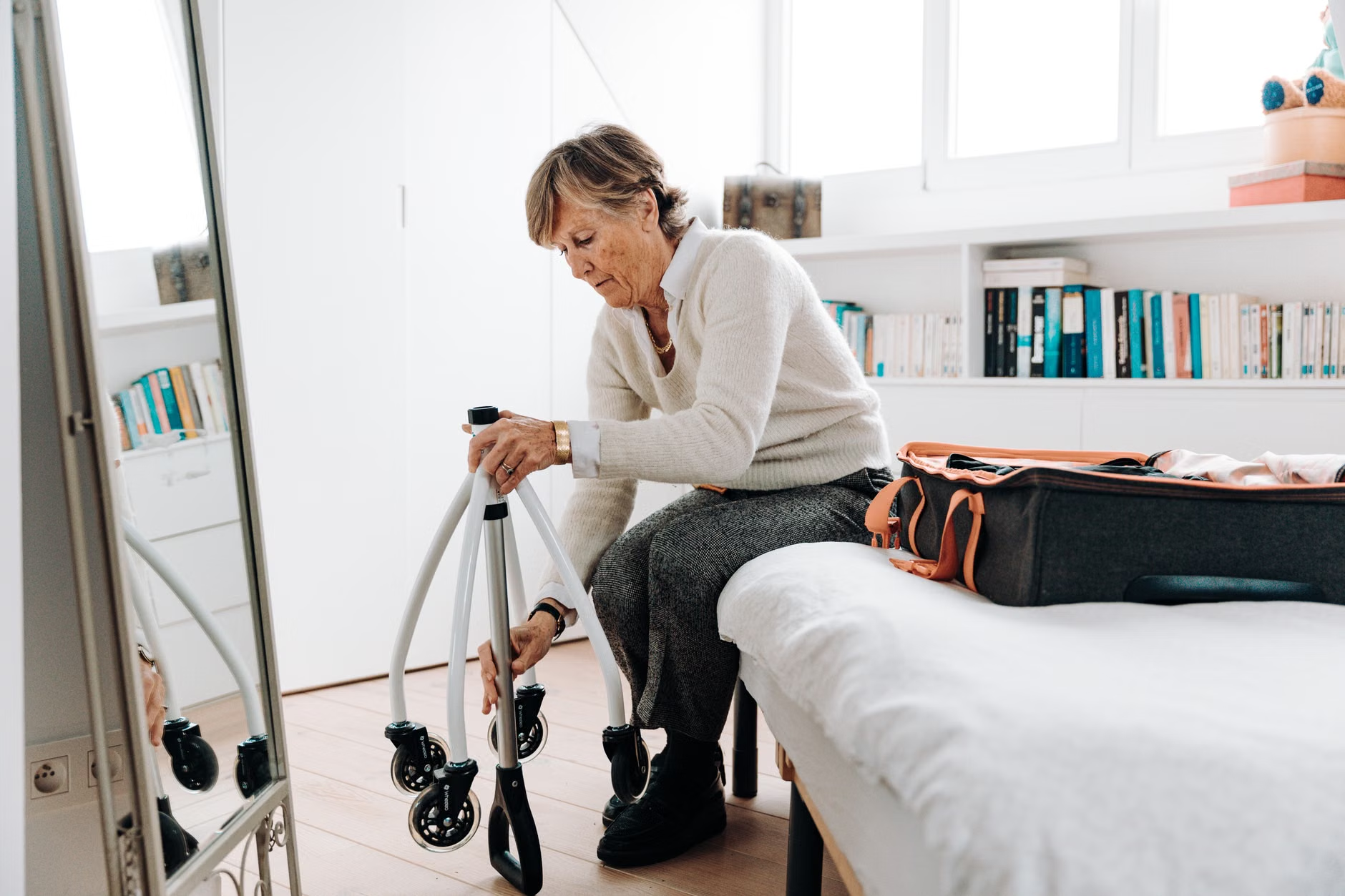
If you use a mobility aid, such as a cane or a folding walker, ensure it is airline-compliant and fits within the dimensions of the cruise ship’s stateroom. Note that while cruise ships are generally ADA-compliant (or equivalent international standards), smaller river vessels may have narrower corridors or limited elevator access to certain decks.
The Two-Bag Strategy: Packing for Efficiency and Safety
Packing for a river cruise requires a separation of concerns. You need your primary luggage for the stateroom and a high-functioning day bag for excursions. The goal is to minimize the weight you carry while maximizing your access to critical items.
The Excursion Day Bag (The “Stamina Saver”)
Your day bag should be a lightweight, ergonomic backpack or a cross-body bag with a wide strap. Avoid heavy leather bags that add unnecessary weight. Your bag must contain:
| Item | Why it matters | Practical Tip |
|---|---|---|
| Portable Power Bank | Navigation apps drain batteries quickly. | Ensure it is fully charged each night. |
| Physical Medical Summary | Vital for emergency responders. | Carry in a waterproof sleeve. |
| Collapsible Water Bottle | Dehydration impacts stamina significantly. | Fill before leaving the ship. |
| Folding Cane/Seat | Provides rest on demand. | Test the locking mechanism before travel. |
The Health and Wellness “Go-Bag”
Never pack your primary medications in checked luggage. Your health-related items should be kept in a dedicated, clearly labeled carry-on. This should include:
- A 7-day buffer: Always pack at least one week’s worth of extra medication beyond your planned trip duration.
- Prescription copies: Carry the original paper prescriptions or a signed letter from your doctor detailing the generic names of your medications.
- Contact list: Include the phone numbers and email addresses of your primary care physician and your emergency contact at home.
The biggest challenge in river cruising is the “FOMO” (fear of missing out) that leads travelers to overbook their days. To maintain your stamina, you must adopt a “Rest-First” strategy.
Managing Pacing and Recovery
If your itinerary includes a full-day excursion followed by an evening lecture, consider the cumulative fatigue. A practical rule of thumb is the “2-1-2 Rule”: For every two hours of active walking, take one hour of seated rest (in a cafe or on the ship), followed by two hours of low-intensity activity.
Common mistakes include attempting to keep up with faster groups or neglecting the impact of humidity and temperature on physical exertion. If you feel your energy waning, do not hesitate to skip a secondary site or take a taxi back to the ship. Most river ports are small enough that a short taxi ride is affordable and saves significant physical effort.
When to Opt for Private Tours
Group excursions are often paced for the “average” traveler, which can be too fast or too slow. If you have specific mobility needs, look for private, local tour operators that specialize in accessible heritage tours. They are often more willing to customize the pace to your needs, allowing you to spend more time at sites that interest you while skipping the strenuous climbs.
Health and Safety: Proactive Preparation
Preventive health on a cruise is about managing the environment. River cruise ships are enclosed spaces with high guest turnover, making hygiene and respiratory health priorities.
Before you depart, verify your travel insurance policy. Ensure it covers “medical repatriation” and “emergency evacuation.” Many standard policies do not cover these costs, which can be astronomical. Check your policy documents for the specific phone number to call in the event of an emergency—this is often different from the customer service number.
When seeking care, always ask the cruise ship’s guest services to facilitate the connection. They have established relationships with local port doctors and hospitals. Do not attempt to navigate foreign healthcare systems alone if you are experiencing a medical event.
The “Medical Passport”
Create a one-page document in English and the local language of your destination (e.g., French, German, or Hungarian). This document should include:
- Your name and date of birth.
- A list of all chronic conditions.
- A list of all current medications, including dosage and frequency.
- A list of all known allergies (medication and food).
- Your insurance provider and policy number.
Keep a digital copy on your phone and a physical copy in your wallet. This simple step can save critical time during an emergency.
The Hidden Variables of River Cruise Travel
Beyond the obvious planning, there are several overlooked factors that can significantly impact your experience. Understanding these variables allows you to adjust your expectations and minimize stress.
Water Levels and Docking Procedures
River levels can fluctuate due to seasonal weather. If water levels are too high or too low, the cruise line may need to change its docking location or, in rare cases, switch ships. This is an industry-wide reality. When this happens, the cruise line will provide bus transfers. Be prepared for the possibility of extra transit time and ensure you have your essential items in your hand luggage, as you may be separated from your main suitcase for several hours.
The “Stairs” Variable
Even on modern ships, you will encounter stairs. While elevators are standard, they may not reach the sun deck or the very bottom deck. When selecting your cabin, prioritize proximity to the elevator and the main dining area. If you have mobility issues, avoid cabins at the extreme ends of the ship, as they require more walking to reach the ship’s center of activity.
Digital Confidence and Accessibility
Many river cruise lines are moving toward app-based daily schedules. If you are not comfortable using a smartphone for your itinerary, speak to the concierge upon boarding. Ask for a printed copy of the daily agenda. Do not feel obligated to use digital tools if they add stress; there is almost always a non-digital alternative available if you ask for it.
Conclusion: Crafting a Sustainable Travel Experience
The essence of a heritage river cruise is to immerse yourself in the history of the region without the exhaustion associated with traditional land-based travel. By focusing on your mobility needs, packing strategically, and preparing for the unexpected, you can transform a complex journey into a seamless experience. Remember that your primary goal is enjoyment. If an excursion is too strenuous, the best decision is to prioritize your well-being, enjoy the view from the ship, and save your energy for the next day. A successful trip is not measured by the number of sites visited, but by the comfort and enrichment you derive from the experience.
Frequently Asked Questions (FAQ)
1. How do I know if a specific river cruise port is accessible for a wheelchair user?
Most river cruise lines provide an “accessibility rating” for each port on their website. However, these are often generic. The most reliable method is to call the cruise line’s accessibility department directly and ask for the specific docking conditions of the ports on your itinerary. Ask specifically about the number of stairs from the dock to the street level and if there is a shuttle service available for those who cannot walk the distance.
2. Should I bring my own medical supplies or rely on the ship’s pharmacy?
Always bring your own supply of all prescription and over-the-counter medications. River cruise ships have limited medical supplies and may not carry the specific brand or dosage you require. While they can assist with minor ailments, they are not a substitute for your personal pharmacy. Ensure your medications are in their original packaging to avoid issues with customs.
3. What should I do if I feel overwhelmed by the pace of the guided tours?
It is perfectly acceptable to opt out of a guided tour. Many travelers find that independent exploration at a slower pace is more rewarding. Inform your tour guide or guest services that you will be exploring on your own. Ensure you have the ship’s emergency contact information and the address of the docking location (in the local language) written down before you depart the vessel.
Sources and Further Reading:
CDC: Travelers with Disabilities (Official Guidance)
USA.gov: Travel and Accessibility Resources
World Health Organization: Ageing and Health Overview