- Inositol, often referred to as Vitamin B8, is a naturally occurring sugar-like compound that plays a critical role in cellular signaling and metabolic regulation.
- For adults aged 60-80, maintaining stable blood sugar and mood is vital; dietary sources like legumes, grains, and nuts provide a foundation for this support.
- Always consult with your primary care provider before adding high-dose supplements, as they may interact with medications for diabetes or blood pressure.
Inositol (Vitamin B8) for Seniors: A Practical Guide to Mood and Metabolic Support
In the landscape of preventive health for adults aged 60 to 80, the focus often shifts toward maintaining metabolic flexibility and emotional equilibrium. While we frequently hear about Vitamin D or B12, another compound—Inositol—has gained attention for its role in cellular communication. Often grouped with the B-vitamin family, inositol is a fundamental component of cell membranes and acts as a secondary messenger for insulin, which helps explain its relevance to metabolic and neurological health.
This guide explores what inositol is, how it functions within the aging body, and how you can manage your dietary intake to support long-term wellbeing. We will move beyond the hype to look at the mechanisms, the evidence, and the practical steps for integrating this compound into your lifestyle.
Understanding Inositol: The Basics of Cellular Signaling
Inositol is a carbocyclic sugar that is essential for the structure of our cell membranes. It is not a vitamin in the strict sense because the human body can synthesize it from glucose. However, it is often called “Vitamin B8” because of its biological role in metabolic processes. For older adults, the efficiency of this internal production can sometimes decline, or the demand may increase due to lifestyle factors, dietary patterns, or specific health conditions.
At the microscopic level, inositol is involved in “signal transduction.” Think of it as a telephone operator for your cells. When a hormone like insulin binds to the outside of a cell, the message must be transmitted inside to trigger a response—such as moving glucose from the bloodstream into the cell for energy. Inositol-based molecules act as the relay team that ensures this message is delivered clearly and promptly.
Why Metabolic Balance Matters Between 60 and 80
As we age, our bodies often experience changes in insulin sensitivity. This is the “metabolic shift” that can lead to fluctuations in blood sugar levels. When the “relay team” (inositol) is functioning optimally, cells respond more effectively to insulin. This is not just about avoiding diabetes; it is about maintaining steady energy levels throughout the day and reducing the strain on the pancreas.
Furthermore, inositol is heavily involved in the function of neurotransmitters like serotonin and dopamine. These chemicals regulate mood, sleep cycles, and cognitive clarity. By supporting the structural integrity of neurons and the efficiency of their signaling, inositol plays a quiet but powerful role in mental wellbeing.
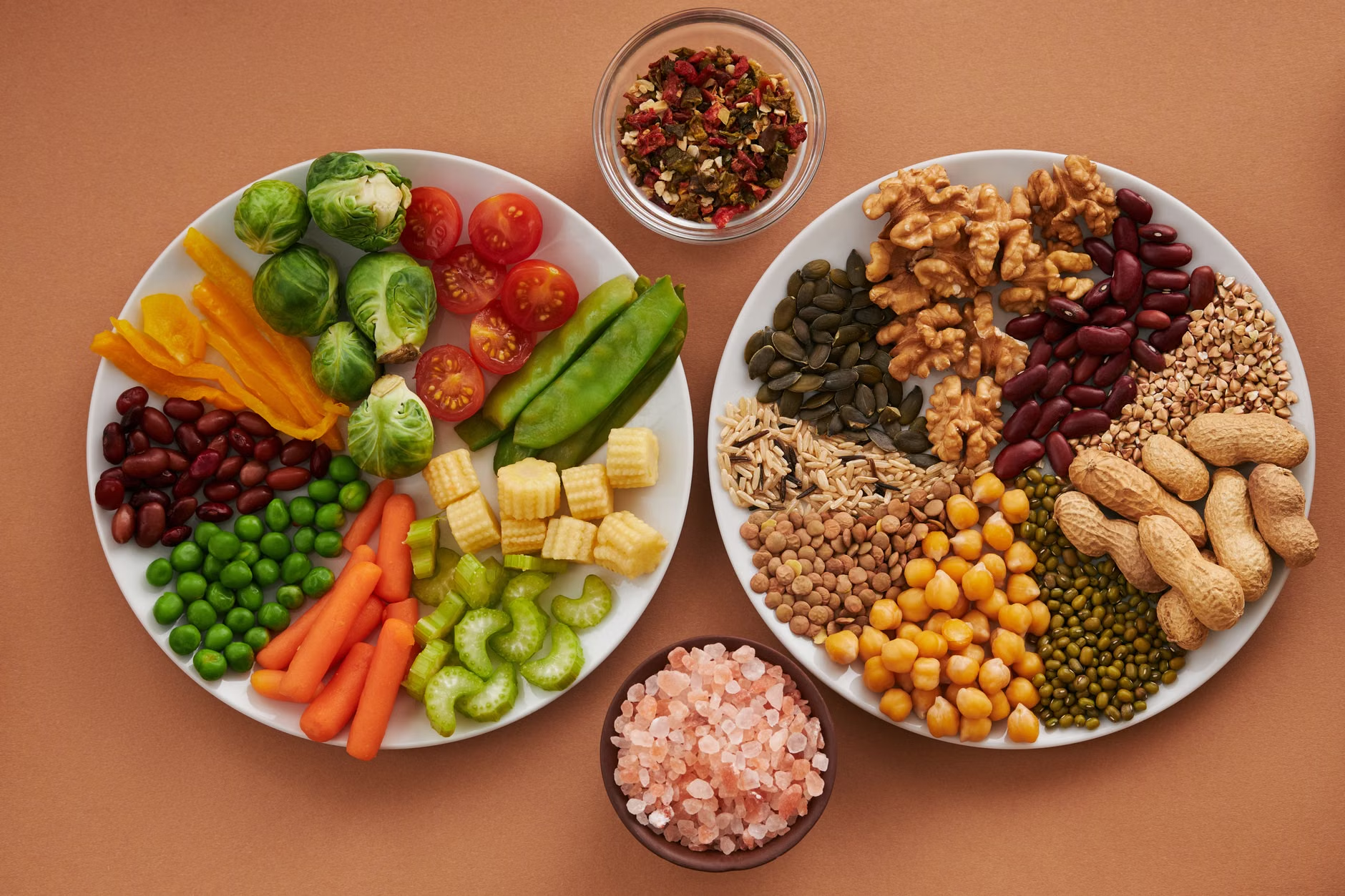
Natural Dietary Sources: Building Your Plate
The safest and most effective way to maintain inositol levels is through a diverse, plant-forward diet. You do not necessarily need a supplement if you are consuming a wide range of whole foods. Below is a breakdown of common sources and how they fit into a daily meal plan.
| Food Group | Examples | Notes for Seniors |
|---|---|---|
| Legumes | Beans, lentils, peas | Excellent source of fiber; ensure they are cooked well for digestion. |
| Whole Grains | Brown rice, oats, bran | High in phytic acid, which contains inositol; choose minimally processed varieties. |
| Fruits | Citrus (oranges, grapefruit), cantaloupe | Provide hydration and Vitamin C; watch for interactions with medications. |
| Nuts & Seeds | Walnuts, almonds, flaxseeds | Great for healthy fats; consume in moderation for calorie control. |
Practical Tip: If you are taking medication for blood pressure or cholesterol, specifically grapefruit, consult your pharmacist. While the inositol content is beneficial, the compounds in grapefruit can interfere with the way the liver processes certain medications.

Evaluating the Need for Supplementation
When dietary intake is insufficient or when specific health goals—such as managing mood fluctuations or metabolic markers—are not met through diet alone, some individuals explore supplementation. However, this is a significant decision that requires a structured approach.
Warning Signs and Professional Consultation
Before considering a supplement, ask yourself: What is the specific goal? If you are experiencing persistent low mood, sudden changes in energy, or unexplained blood sugar spikes, these are clinical indicators that require a visit to your primary care physician. Do not attempt to “self-medicate” with supplements in place of professional medical evaluation.
When you speak to your doctor, bring a list of your current medications and supplements. Inositol can influence blood sugar levels and may have synergistic effects with anti-anxiety or anti-depressant medications. Your doctor will need to determine if a supplement is appropriate for your specific health profile, particularly if you have a history of kidney disease or are managing complex metabolic conditions.
The “Start Low, Go Slow” Principle
If your doctor approves a trial of inositol, it is standard practice to begin with a low dose. The goal is to observe how your body reacts before increasing to a therapeutic level. Keep a simple log for two weeks: note your energy levels, sleep quality, and any digestive changes. Common side effects of higher doses can include mild gastrointestinal discomfort, such as bloating or loose stools. If these occur, it is often a sign to reduce the dose or discontinue use.
Integrating Lifestyle Habits for Metabolic Health
Inositol is only one piece of the puzzle. For adults aged 60-80, the most effective “preventive medicine” is a combination of nutrition, movement, and sleep. Think of inositol as the fuel that helps your metabolic engine run, but the engine itself requires regular maintenance.
Movement as a Metabolic Catalyst
Regular, low-impact physical activity, such as walking, swimming, or tai chi, improves insulin sensitivity in a way that supplements cannot. Aim for at least 150 minutes of moderate-intensity activity per week. This movement helps your muscles use the glucose that inositol helps regulate, creating a virtuous cycle of metabolic health.
Sleep and Cognitive Restoration
Since inositol supports neurotransmitter function, it is closely linked to sleep quality. A consistent sleep schedule—going to bed and waking up at the same time—is crucial. Avoid blue light from screens at least an hour before bed, and ensure your bedroom is cool and dark. When sleep is disrupted, the body’s metabolic regulation becomes stressed, making it harder for your body to maintain the balance that inositol supports.

Addressing Potential Misconceptions
There is a lot of marketing noise regarding “brain boosters” and “metabolic miracle pills.” It is important to distinguish between evidence-based health support and marketing hype. Inositol is not a “magic bullet” that will reverse chronic illness overnight. It is a fundamental nutrient that supports the body’s natural processes. If you see products marketed with promises of “instant weight loss” or “curing depression,” approach them with extreme skepticism. True health improvements in the 60-80 age range come from consistent, moderate, and evidence-based habits.
Another point to consider is that inositol comes in different forms, most notably myo-inositol and D-chiro-inositol. In the body, these exist in a specific ratio. Most research into metabolic health suggests that a 40:1 ratio of myo-inositol to D-chiro-inositol is the most effective. If you decide to use a supplement, check the label to see if it reflects this physiological balance, and discuss this specific detail with your doctor.
Conclusion: The Path Forward
Prioritizing your metabolic and emotional health in your 60s, 70s, and 80s is an ongoing process of tuning your lifestyle to meet your body’s evolving needs. Inositol represents a critical link in the chain of cellular health. By focusing on a diet rich in legumes, grains, and nuts, and by collaborating with your healthcare provider to manage your overall health strategy, you can support your body’s ability to maintain balance.
Remember that your health is not defined by any single supplement. It is the result of the small, daily choices you make: the meal you prepare, the walk you take, and the professional guidance you seek. Stay informed, stay active, and prioritize the foundational habits that keep you feeling your best.
Frequently Asked Questions
1. Is it safe to take inositol every day?
For most healthy adults, inositol is considered safe when consumed through food. If you are taking it as a supplement, it should only be done under the guidance of a healthcare professional who can monitor for potential interactions with your existing medications or health conditions.
2. Does inositol help with memory or cognitive decline?
While inositol plays a role in neurotransmitter function, there is no clinical evidence to suggest it can reverse or cure cognitive decline or dementia. It is best viewed as a nutrient that supports general brain health as part of a balanced diet and healthy lifestyle.
3. How long does it take to see the effects of inositol supplementation?
Metabolic and mood-related changes are rarely immediate. If a doctor has recommended a supplement for a specific condition, it may take several weeks or even months of consistent use to notice improvements. Always follow the timeline provided by your healthcare provider and report any changes in your symptoms during follow-up appointments.
Official guidance on dietary supplements can be found at the National Institutes of Health (NIH) Office of Dietary Supplements. Always verify information with your local health authority for guidelines specific to your country’s health system.