- By 2026, new global standards (ISO/IEEE 11073-PHD) will ensure that data from your wearable devices can be read automatically by your doctor’s electronic health record systems.
- You will gain more control over data sharing, allowing you to choose exactly which health metrics—such as heart rate variability or sleep quality—are shared with specific clinicians.
- The shift focuses on ‘interoperability,’ meaning you won’t need to manually print out logs or show your phone screen to your doctor; the device will handle the secure, standardized transfer.
As we head into 2026, the way your wearable devices—such as smartwatches, continuous glucose monitors, and blood pressure cuffs—communicate with your healthcare providers is undergoing a major transformation. For years, the data collected by these devices has often remained trapped in silos, accessible only through specific apps on your smartphone. The upcoming global standards, primarily driven by updates to the ISO/IEEE 11073 Personal Health Device (PHD) standards, are designed to dismantle these digital walls.
Understanding the Shift: Why 2026 Marks a Turning Point
For most of the last decade, wearing a health tracker was a personal endeavor. You might have tracked your steps, sleep, or heart rate, but sharing that information with a physician was often a manual, cumbersome process. You might have had to take a screenshot, email a PDF, or physically show your device screen during an appointment. This is inefficient and often results in doctors ignoring the data because it is not formatted in a way they can easily analyze alongside your clinical records.
The 2026 standards aim to solve this by creating a “universal language” for health data. When devices follow these standards, they don’t just record numbers; they package that information in a format that electronic health record (EHR) systems recognize immediately. This is known as interoperability. It means your doctor’s office can pull data from your device into your official medical file without needing a proprietary app for every different brand of watch or monitor.
What This Means for Your Daily Routine
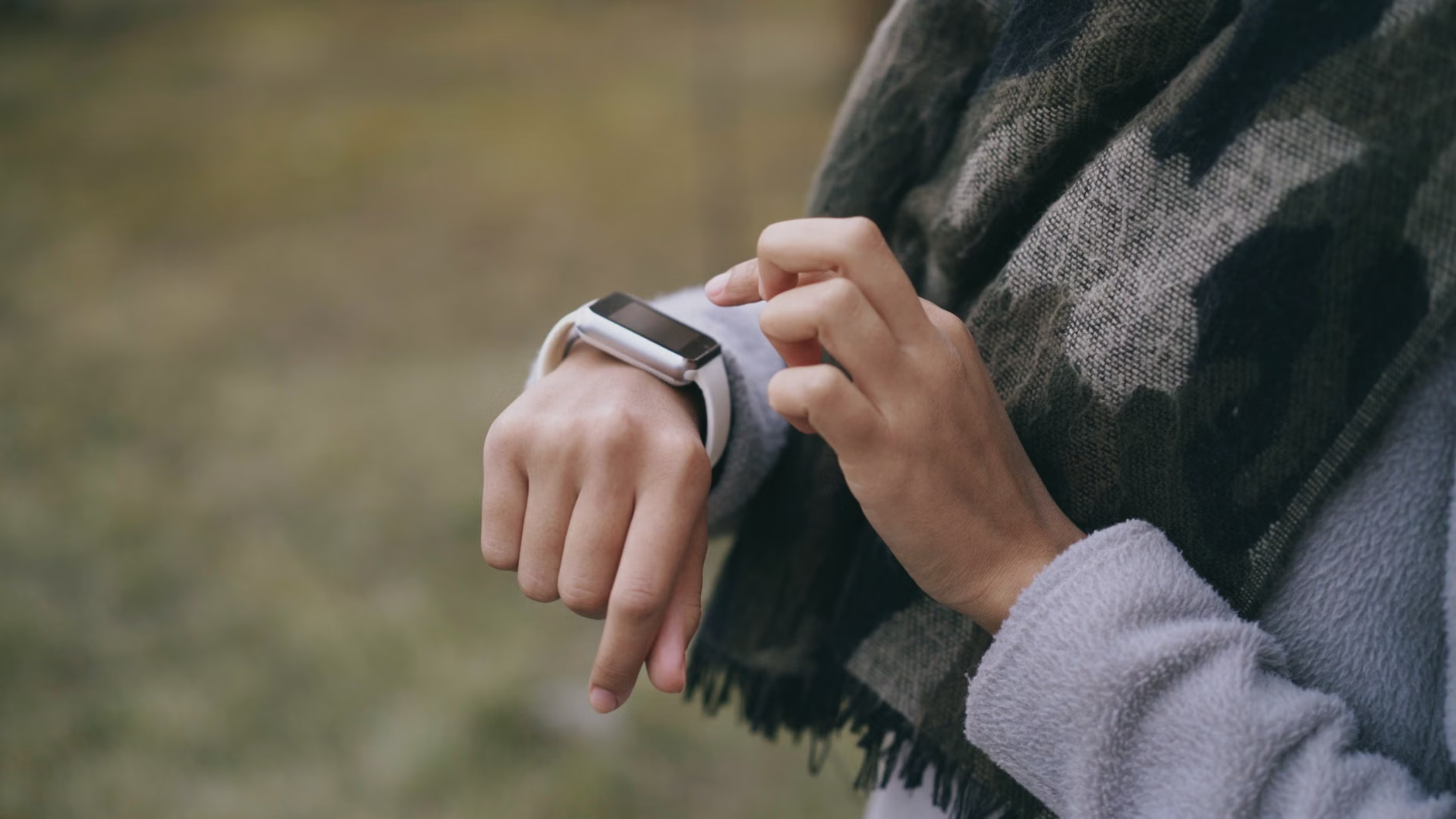
In practice, this means your wearable device becomes a more integrated part of your medical care team. Instead of you acting as the “messenger” between your device and your doctor, the technology will bridge the gap. For example, if you are monitoring your blood pressure at home, the new standard ensures that your device sends that information through a secure, standardized channel directly to a portal that your doctor reviews.
How to Prepare Your Devices for the New Standards
You do not need to be a technical expert to benefit from these changes, but being informed will help you make better decisions when purchasing or upgrading equipment. As manufacturers begin to adopt these global standards, look for labels or product descriptions that mention “ISO/IEEE 11073 compliance” or “FHIR (Fast Healthcare Interoperability Resources) compatibility.”
| Feature | Before 2026 (Common) | After 2026 (Target) |
|---|---|---|
| Data Sharing | Manual (Screenshots/PDFs) | Automated/System-to-System |
| Data Format | Proprietary (App-specific) | Standardized (Universal) |
| Physician Access | High friction (Limited) | Low friction (Integrated) |
The comparison table above highlights the shift from manual user intervention to seamless integration. For those who prioritize convenience, the move toward automated data sharing will significantly reduce the time spent managing health logs. However, it also places a higher premium on data privacy. You must be proactive in setting permissions within your device settings to control who sees your data and for what purpose.

With increased integration comes the responsibility of managing your digital footprint. As data moves more freely between devices and clinical systems, you should perform a “privacy audit” of your health apps at least once every six months. Ask yourself: Does this app really need access to my location, contacts, or calendar to track my heart rate?
Practical Steps for Protecting Your Information
- Review Permissions: Go into your smartphone’s settings and specifically check which apps have permission to access your “Health” or “Fitness” data. Revoke access for any app you no longer use.
- Check Data Export Policies: Before purchasing a new device, read the fine print regarding “Data Sharing.” Ensure the manufacturer does not sell your health data to third-party advertisers.
- Use Strong Authentication: If your health portal supports it, always enable “Multi-Factor Authentication” (MFA). This requires a code sent to your phone or email whenever you log in, preventing unauthorized access.
The Role of Family and Caregivers
For family members or caregivers, these 2026 standards offer a way to provide better support without needing to be physically present for every health fluctuation. Many modern devices allow you to designate “emergency contacts” who receive automated alerts if the device detects a fall or an irregular heart rhythm. With the new standardization, these alerts can be more accurate and less prone to false positives, as the underlying algorithms will be held to higher clinical testing standards.
Warning: Never rely solely on a wearable device for emergency situations. While they are powerful tools for monitoring trends, they are not substitutes for professional medical alert systems or immediate emergency services (e.g., calling an ambulance) when you experience acute symptoms like chest pain or sudden confusion.

Integrating Wearable Data into Your Next Medical Appointment
When you have a check-up, your doctor may not automatically look at your wearable data unless you bring it up. To make the most of the 2026 advancements, follow this protocol during your next visit:
- Prepare a Summary: Even with automated systems, a concise summary is helpful. Note any trends you have observed—for example, “My resting heart rate has been consistently higher in the last two weeks.”
- Ask About Their Portal: Ask your clinic, “Are you currently capable of ingesting data from standard health-tracking devices?” This informs them of your interest and helps them guide you on how to sync your data with their specific system.
- Focus on Symptoms, Not Just Numbers: Always prioritize how you feel. A device might show a “normal” heart rate, but if you feel dizzy, that is the most important piece of information to share.
The Hidden Trade-offs: What You Might Overlook
While the goal is seamless integration, there are unexpected challenges. One common pitfall is “data fatigue.” When you and your doctor have access to 24/7 streams of data, it is easy to become obsessed with minor fluctuations. A single night of poor sleep or a temporary spike in blood pressure due to stress can cause unnecessary anxiety. Remember that wearables are best used to identify long-term trends, not to diagnose daily events.
Another variable is the battery life and technical maintenance of these devices. As devices become more sophisticated and data-heavy, battery life may decrease. Ensure you have a routine for charging and updating your device firmware. A device that is out of power or running outdated software is essentially useless for health monitoring.
Conclusion: Taking the Next Step
The 2026 standards represent a significant leap forward in personal health management. By moving toward a standardized, interoperable system, these devices are transitioning from simple “gadgets” to legitimate components of your long-term health strategy. Your next action should be to review your current device’s documentation to see if it supports modern data sharing protocols, and to initiate a conversation with your primary care provider about how they plan to incorporate wearable data into your care plan moving forward.
Frequently Asked Questions (FAQ)
Q: Will these new standards make my current wearable device obsolete?
A: Not necessarily. Many modern devices can be updated via software to comply with new standards. Check the manufacturer’s official website for “firmware update” notices. If your device is more than 3-4 years old, it may lack the sensors or processing power to meet the new 2026 requirements, at which point you might consider an upgrade.
Q: Can I opt out of sharing my health data with my doctor?
A: Yes. You always maintain ownership of your personal health data. You can choose to use the device for your own tracking without connecting it to any clinical portals or sharing it with your healthcare provider. You can adjust these privacy settings at any time within the device’s companion app.
Q: Are these standards mandatory for all countries?
A: While these are “global standards,” adoption is often phased in by national health authorities. Countries like the US, those in the EU, and several others are leading the push toward these protocols. It is advisable to check your local health department’s website for specific guidance on digital health integration in your jurisdiction.
Sources:
ISO/IEEE 11073-10404:2025 Health informatics standards update
HL7 FHIR (Fast Healthcare Interoperability Resources) Documentation