Key Takeaways
- Standardized Comfort: The 2026 international updates mandate specific seat heights (45–50 cm) and the inclusion of stable armrests to facilitate safer sitting and standing.
- Strategic Placement: New guidelines prioritize “rest-stop intervals” of 100–150 meters in high-traffic urban areas to support those with limited stamina.
- Advocacy & Action: Residents can now use these standardized guidelines to formally request local municipal upgrades for non-compliant public furniture.
In 2026, international standards for urban furniture have undergone a significant revision aimed at fostering age-inclusive environments. For older adults, the quality and accessibility of outdoor seating are not merely matters of convenience; they are fundamental requirements for maintaining an active lifestyle, social engagement, and physical mobility within the community.
This article explores the core changes in these global guidelines—often influenced by the ISO (International Organization for Standardization) and local universal design initiatives—and explains how you can identify and utilize these improvements in your daily life.
Understanding the 2026 Global Benchmarking Standards
The 2026 updates represent a shift from “generic seating” to “supportive infrastructure.” Historically, public benches were designed for durability and cost-efficiency, often ignoring the physiological needs of aging adults. The new standards prioritize three key pillars: Anthropometric Fit, Mechanical Support, and Spatial Accessibility.
1. Anthropometric Fit: The Importance of Height and Depth
The most critical update involves seat height. Research indicates that standard seats (often 35–40 cm) are too low for many older adults, creating unnecessary strain on the knees and hips during the transition from sitting to standing. The 2026 standard now recommends a seat height of 45 to 50 cm for public installations.
Why it matters: When a seat is too low, the center of gravity shifts, requiring more force to stand up. For those with arthritis or reduced quadriceps strength, this can be a significant barrier to using public spaces. The 45-50 cm height allows for a more natural, vertical rise, reducing the risk of joint pain and balance loss.
2. Mechanical Support: Armrests as Safety Features
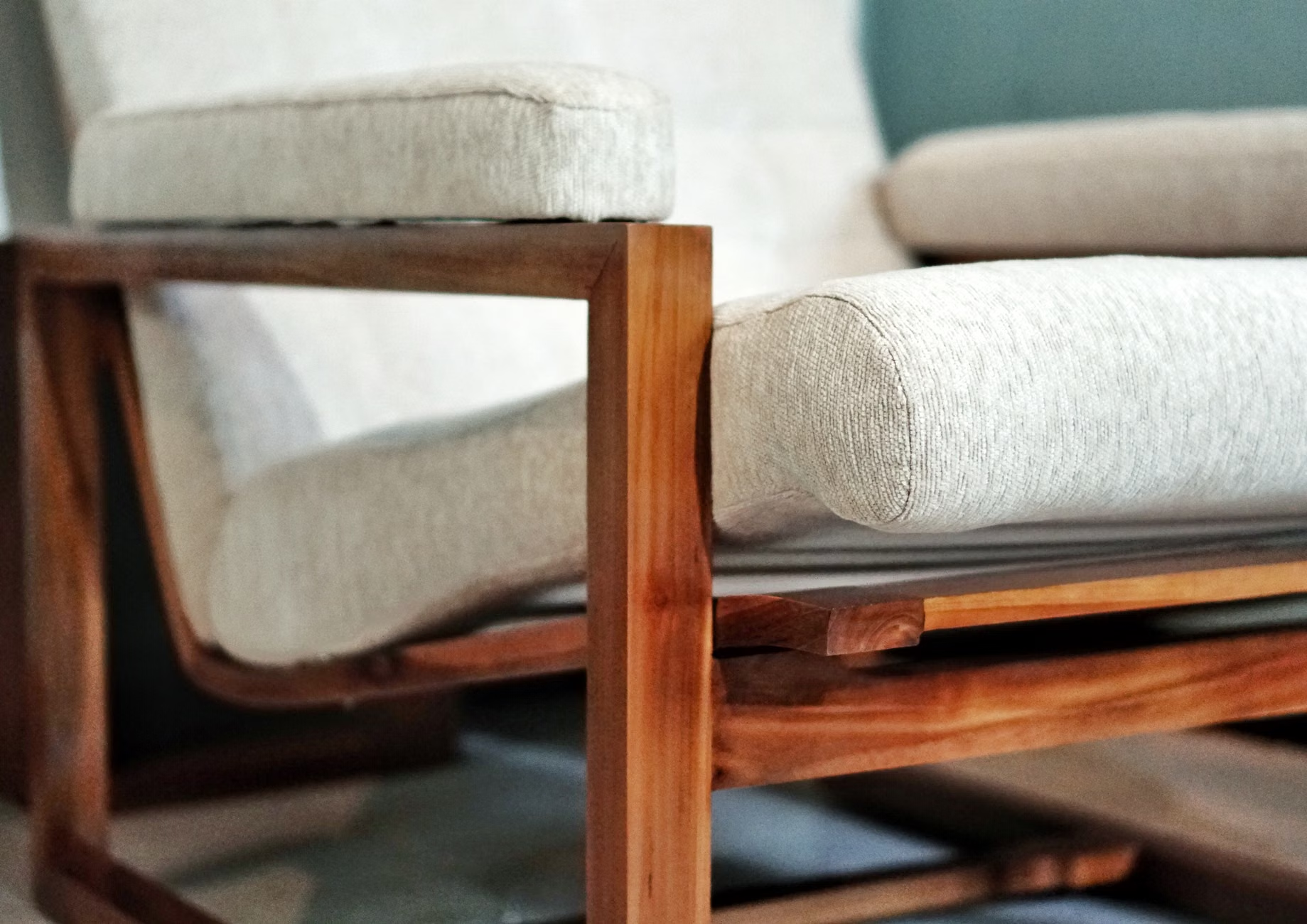
Under the new guidelines, armrests are no longer optional “aesthetic” features; they are essential safety equipment. The standards now require that all public benches in high-traffic areas include stable, continuous armrests that extend to the edge of the seat.
Real-world impact: Armrests serve as “leverage points.” When an individual needs to sit down or stand up, the armrests provide a stable surface to push against, effectively distributing weight away from the lower body. Look for benches where the armrest is firmly attached and made of a material that is not overly slippery or freezing to the touch in colder climates.
Strategic Placement: The 150-Meter Rule
One of the most profound changes in 2026 is the adoption of the “150-meter rest-stop interval.” Urban planners are now encouraged to ensure that in pedestrian-heavy zones—such as shopping districts, parks, and transit hubs—there is a place to sit at least every 150 meters.
How to identify a “compliant” rest-stop
Not all benches are created equal. When planning your route or choosing where to pause, look for the following criteria:
| Feature | Standard Requirement | Why it helps |
|---|---|---|
| Seat Height | 45–50 cm | Reduces knee/hip strain during sit-to-stand transitions. |
| Backrest | 100–110 degree angle | Provides lumbar support and prevents slouching. |
| Armrests | Full length of seat | Allows for safe leverage when standing. |
| Surface | Non-slip/Temperature neutral | Prevents sliding and thermal discomfort. |
Note: If you encounter a bench with a seat height below 40 cm, it is likely an older installation. When choosing a seat, always prioritize benches with armrests over those without, even if the latter appear more “modern.”
Even with new standards, the physical environment of cities can be unpredictable. Here is a step-by-step approach to managing your mobility when navigating new or busy areas.
Step 1: The Pre-Trip Assessment
Before heading out, use digital mapping tools (such as Google Maps, or specialized accessibility apps) to check for park locations or public squares. Many cities now include “accessibility layers” that identify public toilet locations and resting areas. If you are planning a long walk, target routes that pass through parks, as these are the primary focus of the 2026 infrastructure updates.
Step 2: The “Reserve Energy” Principle
A common mistake is pushing to the point of fatigue before looking for a bench. The new standards are designed to support a “rhythm of rest.” If you have a specific condition affecting stamina, aim to sit for 2–3 minutes every 15 minutes of walking. This prevents the buildup of lactic acid and reduces the cumulative stress on your joints.
Step 3: Evaluating the Bench Before You Sit
Before committing your weight to a bench, perform a quick “stability check”:
- Visual check: Is the bench firmly anchored to the ground?
- Material check: Is the surface dry and free of debris?
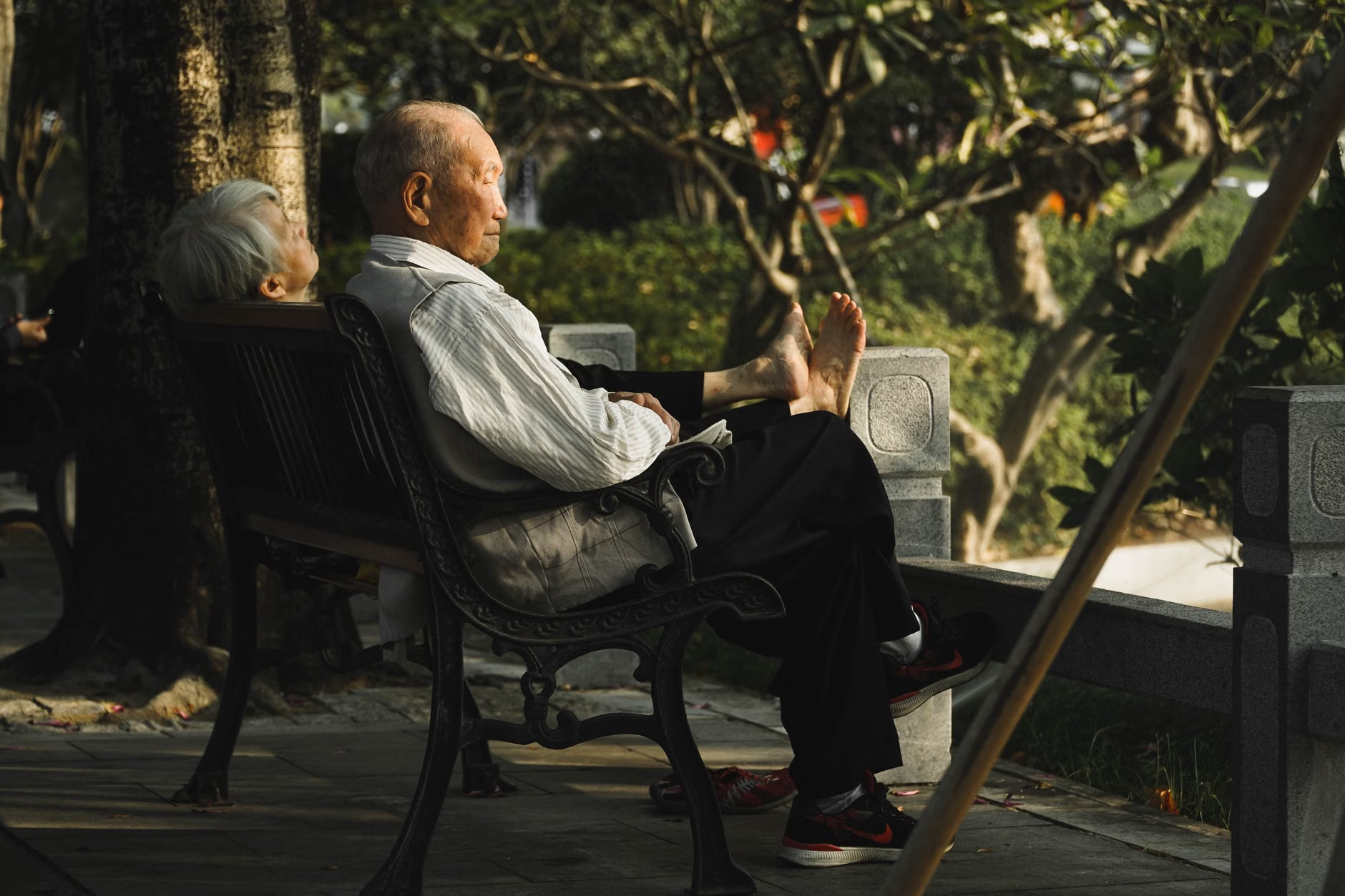
- Support check: Are the armrests sturdy? If the bench is a “backless” design, avoid it if you have lower back issues, as it provides no lumbar support.
Advocacy: What to Do if Your Local Area is Non-Compliant
The 2026 standards are guidelines, not universal laws. Implementation depends on local municipal budgets and urban planning priorities. If your local neighborhood lacks adequate seating, you have the right to request improvements.
How to submit a formal request:
- Document the gap: Take photos of the area where seating is needed. Identify the lack of rest stops or the presence of unsafe, outdated furniture.
- Identify the authority: In most jurisdictions, this is the “Parks and Recreation” or “Public Works” department of your city council.
- Use the “Standard” language: When writing to your local representative, reference the “2026 Global Age-Inclusive Design Standards.” Mention that current seating prevents older residents from accessing local businesses or public spaces, which impacts community vitality.
Insight: Many city councils are more responsive to requests that frame seating as a “public health” issue rather than a “convenience” issue. Emphasizing that adequate seating encourages older adults to walk more—thereby improving cardiovascular health and reducing reliance on public transport—can be a powerful argument.
Common Challenges and Unexpected Trade-offs
While the 2026 standards are a major step forward, they do not solve every problem. One of the most significant challenges is the “Hostile Architecture” phenomenon, where benches are intentionally designed to be uncomfortable to prevent people from sleeping on them. These designs often include slanted seats or middle armrests that divide the bench into tiny sections.
What you can do: If you find that local benches are designed in a way that makes them difficult to use—such as having a middle divider that prevents you from spreading your weight or sitting comfortably—report this to your local accessibility officer. These design choices often clash with the new inclusivity standards.
Conclusion: Prioritizing Your Comfort
The 2026 updates to global seating standards are a victory for age-inclusive urban design, but they are only effective if you utilize them. By understanding the importance of seat height, armrest stability, and the 150-meter rest interval, you can reclaim your ability to navigate your city with confidence.
Remember, the goal of these standards is to ensure you remain an active, visible member of your community. Do not settle for environments that make you feel like an afterthought. If you find a space that fails to meet your needs, advocate for change, and always prioritize your physical comfort over the desire to “push through” a walk.
Frequently Asked Questions
- Are these 2026 standards legally binding globally?
No. These are international guidelines (often set by bodies like the ISO). Adoption is voluntary for local governments. However, many cities are adopting them into their local building codes to qualify for “age-friendly city” certifications. - What should I do if my favorite park has no benches?
Contact your local Parks and Recreation department. Provide the specific location and explain that the lack of seating prevents you from safely enjoying the area. Referencing the 2026 guidelines as a target for “inclusive design” can strengthen your request. - Are there specific benches I should avoid?
Avoid benches with very deep seats (where your feet cannot touch the ground flat), backless benches if you have back pain, or benches made of metal in very hot or very cold climates, as they can cause thermal skin injury or discomfort.
For further reading on international standards, please visit the official International Organization for Standardization (ISO) website or your local government’s Department of Transportation or Public Works portal.