Key Takeaways for Senior Travelers in 2026:
- Enhanced Stability: New 2026 global standards mandate higher-friction seat materials and reinforced grab handles to prevent slips and falls during sudden transit movements.
- Standardized Accessibility: Transit authorities in major jurisdictions are now required to implement consistent “Priority Seating” color-coding and placement, making it easier to identify safe spots regardless of the city you are visiting.
- Ergonomic Redesign: New seating configurations prioritize seat height and depth to reduce knee strain, making boarding and disembarking significantly more accessible for those with reduced mobility.
Starting in 2026, international transit authorities have begun adopting a new set of design standards aimed at improving the safety and comfort of older adults on buses, trains, and trams. These updates are not merely aesthetic; they represent a fundamental shift in how public transportation systems acknowledge the physical needs of an aging global population. For travelers aged 60 to 80, these changes mean more than just a more comfortable ride—they translate to increased independence, reduced physical strain, and a lower risk of falls during daily commutes or travel abroad.
The Evolution of Transit Standards: Why 2026 Matters
Public transportation has historically been designed for the “average” commuter, often ignoring the specific balance, strength, and reach requirements of older adults. The 2026 update, coordinated by international transportation regulatory bodies, marks the first time that “Inclusive Ergonomics” have been integrated into the core requirements for new transit vehicle procurement.
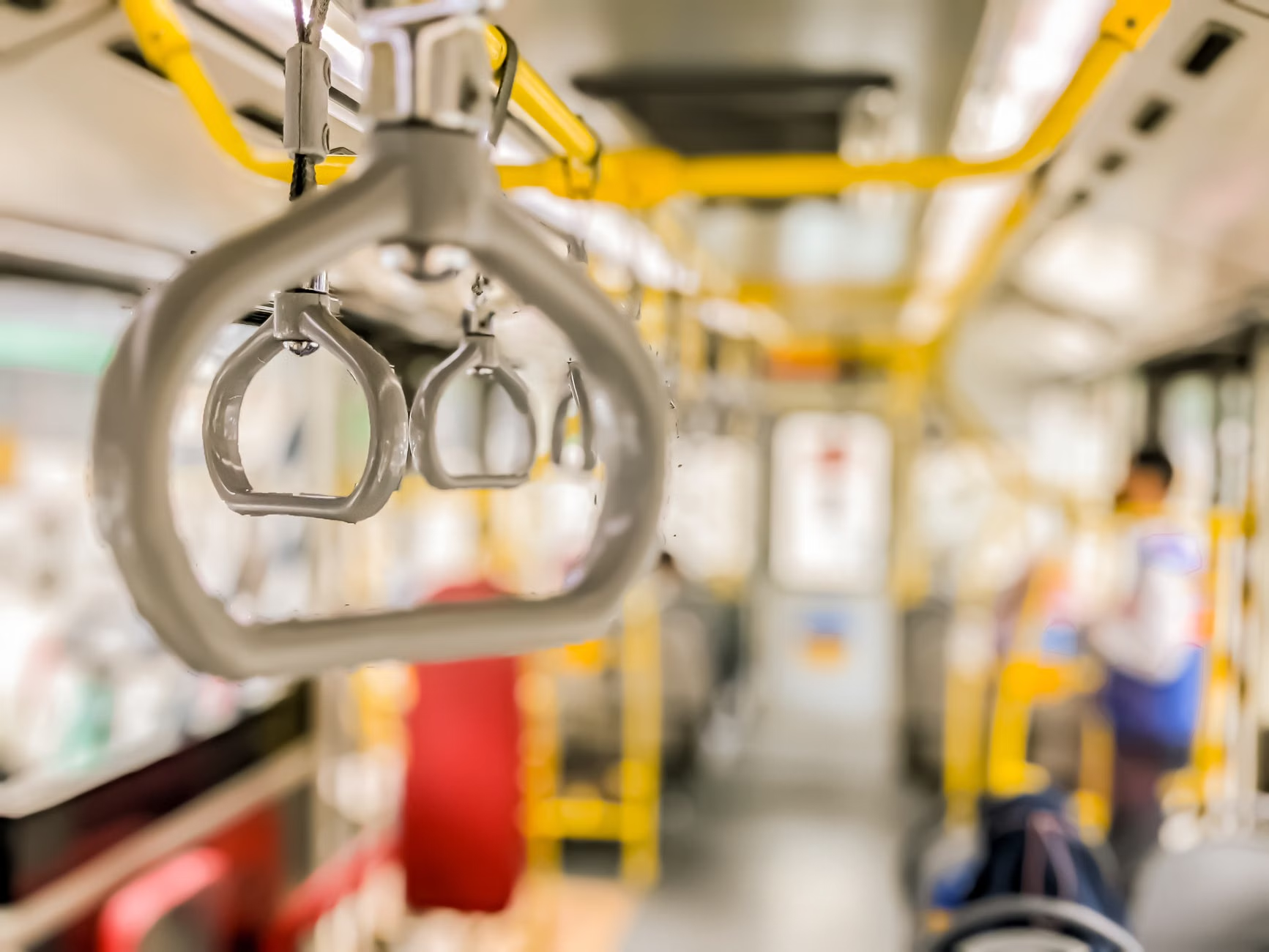
Previously, transit seating was often characterized by slippery, low-profile benches that were difficult to exit. The new standards require manufacturers to implement specific dimensions: seat heights must now fall between 45cm and 50cm, which is widely considered the optimal range for minimizing joint pressure when standing up. Furthermore, the mandatory inclusion of vertical and horizontal grab handles near every priority seat provides a constant point of stability.
Understanding the New Seating Specifications
To help you navigate these changes, it is important to understand what you should look for when entering a vehicle. These specifications are designed to assist those who may experience minor balance issues or joint discomfort.
1. High-Friction Upholstery
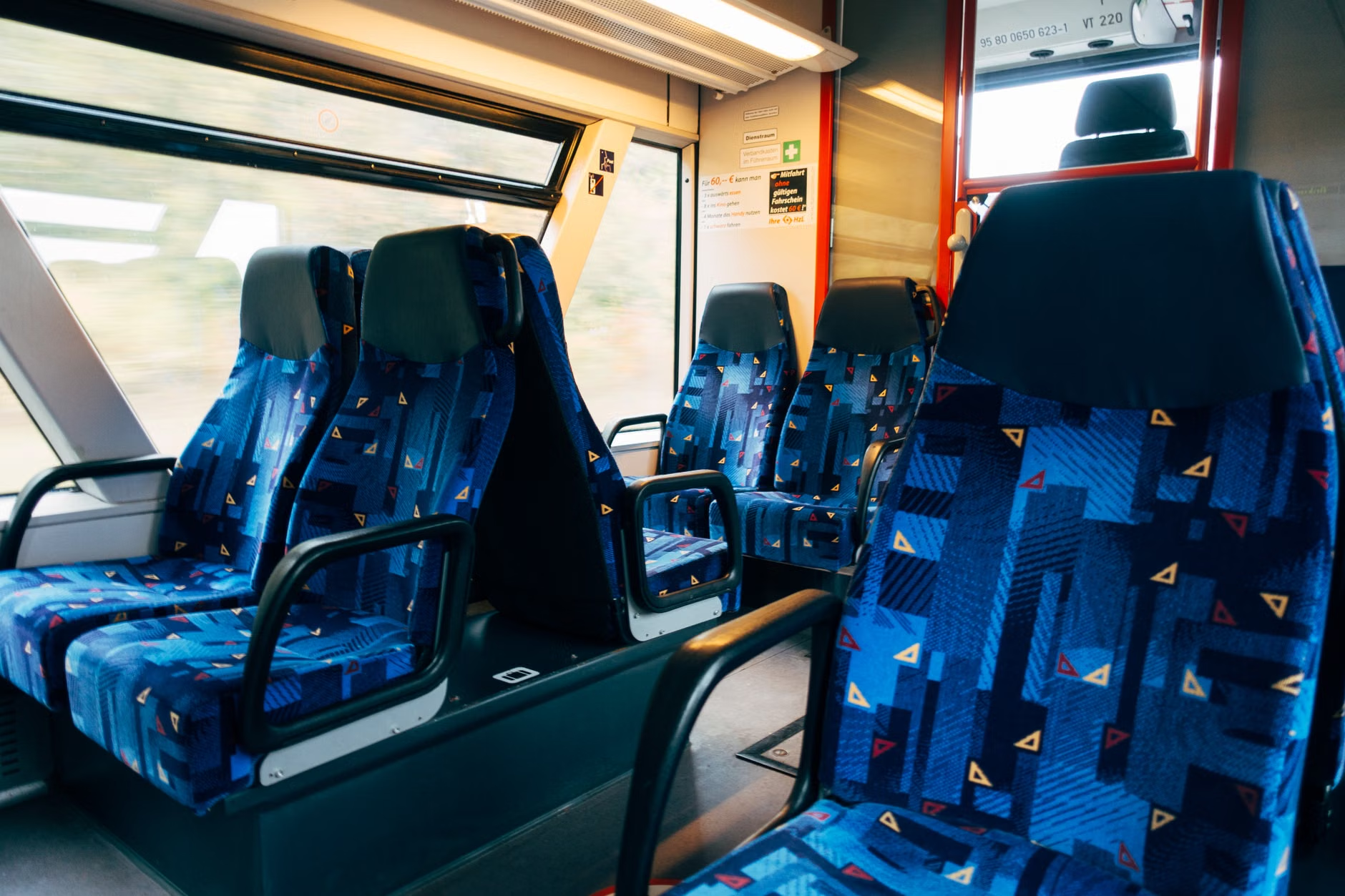
One of the most common causes of minor injuries on public transit is sliding during sudden braking. The 2026 standards mandate the use of high-friction, non-slip fabrics on all priority seating. This material is specifically engineered to keep a passenger stable even when the vehicle is in motion.
2. Strategic Grab Handle Placement
In the past, grab handles were often placed too high or too far from the seat. The new guidelines require handles to be placed within 15cm of the seating area, reachable without needing to lean forward or stretch. This is a critical safety improvement for those with limited shoulder mobility.
3. Standardized Color-Coding
While color schemes vary by country, the 2026 initiative promotes “Universal High-Contrast Signage.” Priority seats are now being marked with bright, high-contrast colors (typically yellow or blue) that stand out against the rest of the cabin. This makes it easier for passengers with visual impairments to identify a safe, available seat immediately upon boarding.
| Feature | Old Standard (Pre-2026) | New 2026 Standard |
|---|---|---|
| Seat Height | Variable (often too low) | 45cm – 50cm (Standardized) |
| Material | Standard synthetic (slippery) | High-friction, non-slip |
| Grab Handles | Distant/Infrequent | Within 15cm of every seat |
| Signage | Low-contrast/Small | High-contrast/Universal icons |
*Note: Implementation timelines vary by region. While new fleets are required to comply, older vehicles may still be undergoing retrofitting.
Even with improved standards, your personal safety strategy remains the most important factor. If you are planning a trip or a daily commute, consider the following approach to ensure your physical wellbeing.
Step-by-Step Boarding Procedure
- Assess the Floor: Before stepping onto a vehicle, check for a “gap” between the platform and the vehicle. If the gap is wide, wait for the driver to deploy the bridge or ramp.
- Grip First, Step Second: Ensure you have a firm grip on a permanent fixture before moving your feet. Do not rely on loose railings or non-fixed poles.
- Prioritize the Middle: Whenever possible, choose a seat in the middle section of the bus or train. The front and back of vehicles are subject to more vibration and “fishtailing” during turns.
- Use the “Two-Point” Rule: When seated, try to keep at least one hand on a grab handle or armrest and your feet planted firmly on the floor. Avoid crossing your legs, as this can affect your center of gravity if the vehicle stops abruptly.
The Role of Caregivers and Family Members
For family members or caregivers, the 2026 standards provide a new framework for evaluating travel plans. When researching transit options for an older relative, look for information regarding “Low-Floor” accessibility. In many European and North American cities, transit apps now feature a “wheelchair and mobility-friendly” filter. This filter, often updated with 2026 compliance data, can tell you exactly which routes utilize the new, safer seating configurations.
If you are accompanying an older adult, the best practice is to board together but sit separately if the vehicle is crowded, ensuring your relative is firmly seated in a priority zone before you find your own spot. Never assume the vehicle is stationary; always maintain a tripod-like stance (two feet spread, one hand holding a pole) until the vehicle has fully departed the stop.
Hidden Challenges: What the Standards Don’t Cover
While these standards are a massive leap forward, there are nuances that even the best engineering cannot solve. One such factor is “Transition Fatigue.” Even with perfect seating, the act of navigating through a station—walking to the platform, standing while waiting, and then boarding—can consume significant energy.
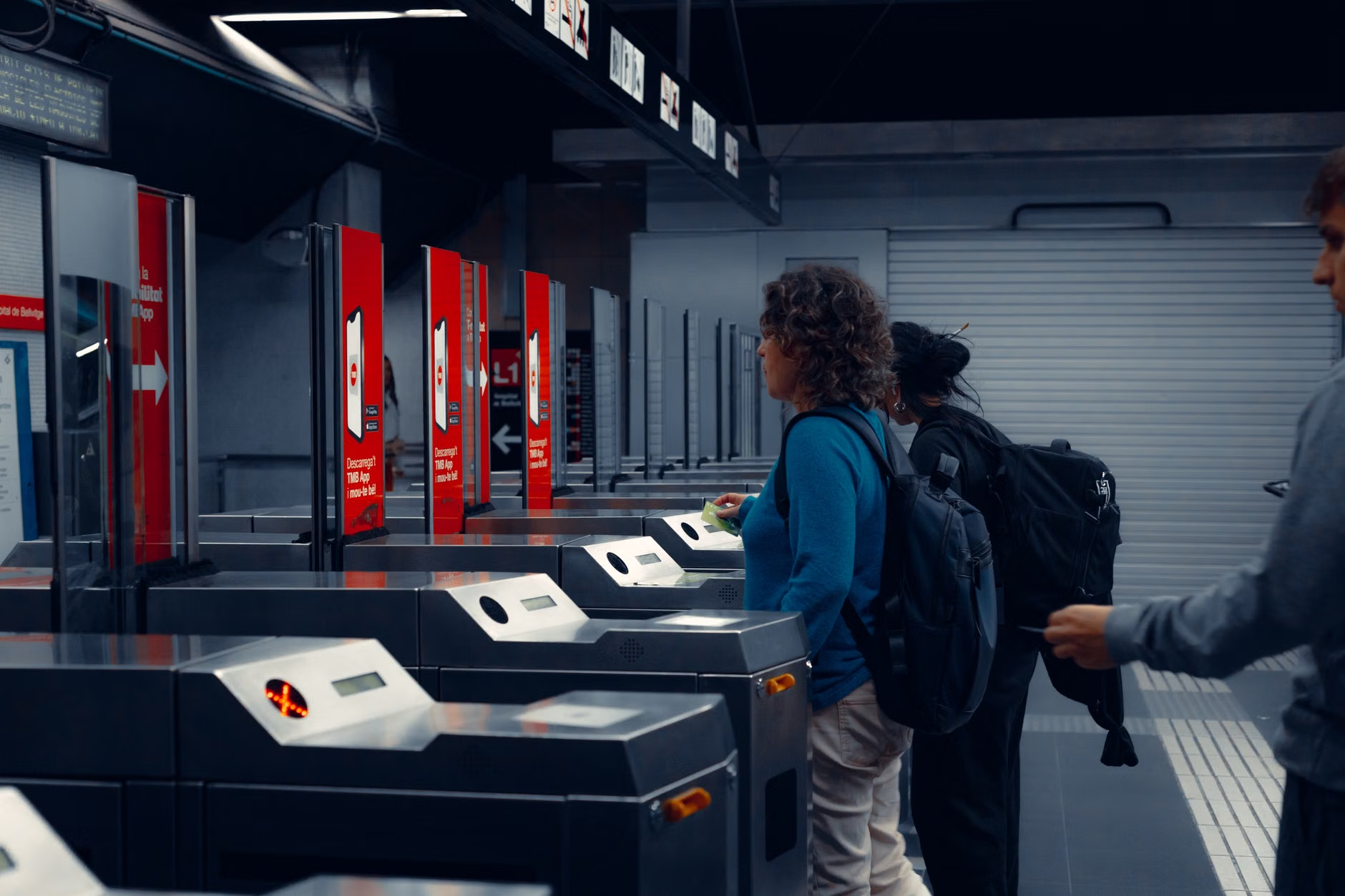
An overlooked variable is the “Wait-Time Stress.” In many cities, the move toward digital-only ticketing has created a new barrier. If you are not comfortable using a smartphone for ticketing, you may find yourself standing in line at a kiosk, which depletes the energy you need for the transit journey itself. Always carry a physical backup or a pre-loaded transit card. Do not rely exclusively on digital systems if you are traveling in an unfamiliar city.
Comparing Regional Implementation: A Global Perspective
It is important to note that the adoption of these 2026 standards is not instantaneous across every country. The European Union has mandated these changes for all new public procurement contracts as of January 2026. In contrast, many regions in North America and Southeast Asia are adopting these standards on a “voluntary-advisory” basis for local operators.
When traveling internationally, you can check the local transit authority’s website (e.g., “Transport for London Accessibility” or “New York MTA Senior Resources”) to see if they have adopted the “2026 Global Ergonomic Transit Standards.” If a city has not yet adopted these, prioritize routes that use newer-model vehicles, as these are more likely to have been built with modern safety features regardless of official policy adoption.
Maintaining Stamina During Transit
Mobility is not just about the seat; it is about the entire journey. To maintain your stamina:
- Pacing: Do not attempt to make back-to-back transfers without a 15-minute rest interval.
- Hydration: Transit air can be very dry. Carry a small, easy-to-open water bottle.
- Footwear: Wear shoes with rubberized soles. The new 2026 seat materials are designed to work in tandem with non-slip footwear.
Conclusion: Taking Control of Your Mobility
The 2026 updates represent a significant victory for senior mobility, acknowledging that accessibility is a human right, not an afterthought. By understanding these standards—the importance of seat height, the necessity of high-friction materials, and the value of clear signage—you can make more informed decisions about your travel and daily movement. Remember that while the environment is becoming safer, your own habits—gripping handles, wearing appropriate footwear, and allowing for rest—remain your most effective tools for a safe and enjoyable journey.
For more information on specific transit accessibility laws in your area, visit your national transportation department’s official website or the International Association of Public Transport (UITP) resources at https://www.uitp.org, which tracks global trends in transit accessibility.
Frequently Asked Questions
- How can I identify if a bus or train is “2026 compliant” before I board?
Most transit apps now include an “Accessibility” or “Vehicle Info” tab for specific routes. Look for labels like “Low-Floor,” “Accessible Seating,” or “2026 Ergonomic Design.” If these aren’t listed, newer model vehicles (usually identifiable by cleaner, more modern interiors) are your safest bet. - What should I do if a priority seat is occupied by a younger passenger?
You are entitled to use that space. If the passenger does not notice you, it is perfectly acceptable to politely gesture toward the seat or the signage above it. Most people are unaware of the specific needs of older adults and will move once the priority is clearly communicated. - Are these 2026 standards mandatory for all taxis and ride-shares?
Generally, no. These standards currently apply to mass public transit (buses, trains, subways). Private ride-share vehicles follow different regulations. If you require the safety features of these new standards, stick to official public transit or specialized “accessible taxi” services that often feature the same height and stability modifications.