- Seated neck rotations are a low-impact method to maintain cervical flexibility, which is essential for daily activities like checking blind spots while driving or scanning environments.
- Proper form—specifically maintaining a neutral spine and avoiding over-extension—is more important than the range of the movement itself.
- Consistent, daily practice is more effective for long-term mobility than sporadic, high-intensity stretching.
Neck mobility is a fundamental component of independent living. As we age, the cervical spine—the seven vertebrae in the neck—can experience natural stiffness due to changes in muscle elasticity and joint lubrication. While some reduction in range of motion is common, active maintenance through controlled, gentle movement can significantly preserve your ability to perform daily tasks, such as turning your head to converse, checking traffic, or navigating public spaces safely.
Understanding Cervical Range of Motion
The neck is a complex structure designed for both support and high mobility. It supports the weight of the head, which averages 4.5 to 5.5 kilograms, while allowing for rotation, flexion (bending forward), and lateral bending (ear to shoulder). Over time, sedentary habits or postural fatigue can lead to muscle tightness, which restricts these natural movements.
When we talk about “range of motion,” we are referring to the distance a joint can move in a specific direction. For an older adult, the goal is not to achieve extreme flexibility but to maintain a functional range that allows for a high quality of life. A limitation in this range often manifests as a “stiff neck” or an inability to turn the head fully to one side without rotating the entire torso. This compensation strategy can place unnecessary strain on the upper back and shoulders.
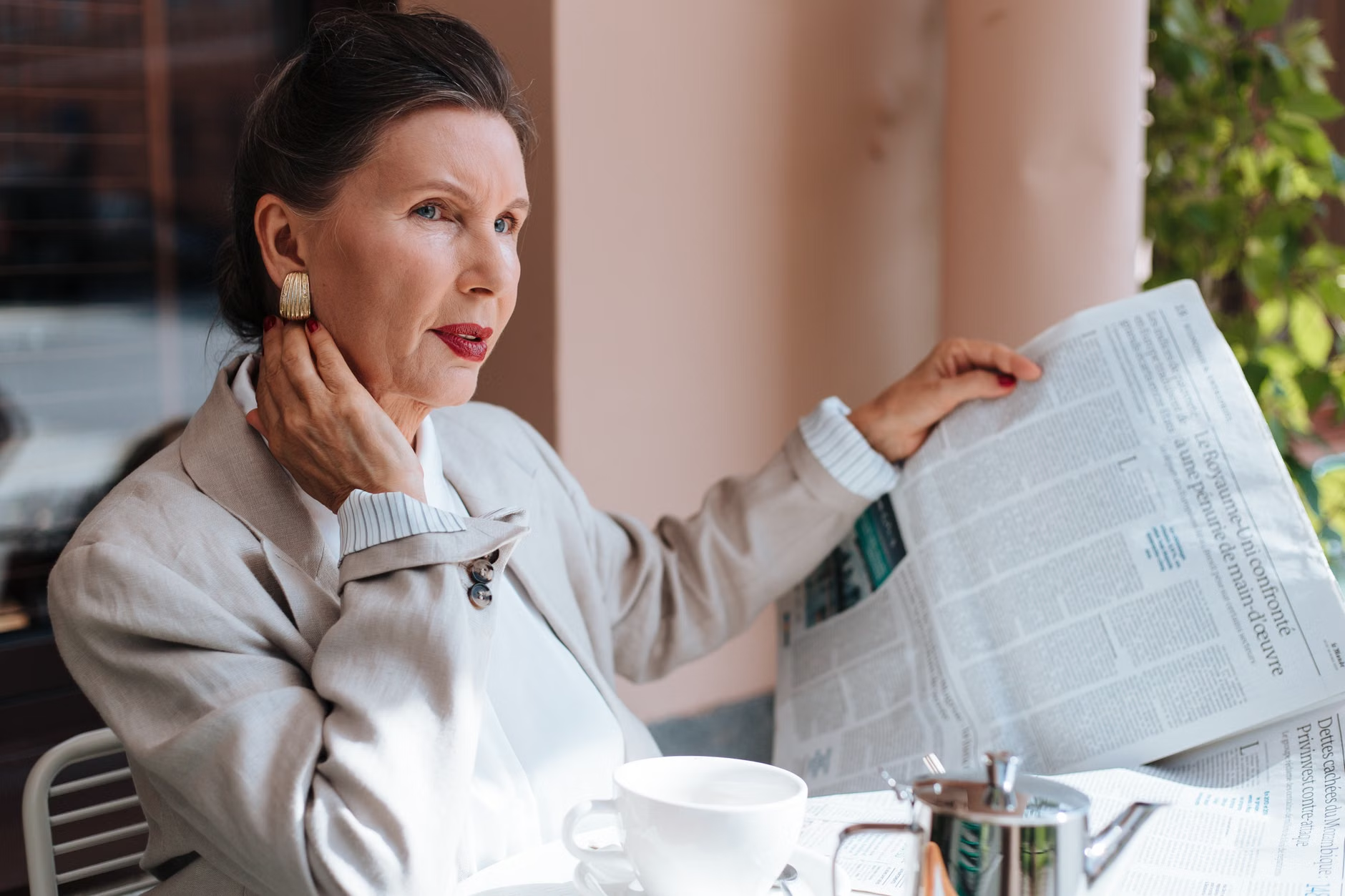
The Mechanics of Seated Neck Rotations
Seated rotations are an ideal exercise for seniors because they remove the challenge of balance, allowing you to focus entirely on the cervical spine. By sitting, you create a stable base, which helps prevent the body from “cheating” by using the lower back to initiate movement.
Step-by-Step Execution
To perform a seated neck rotation effectively and safely, follow these steps:
- Find a Supportive Seat: Use a chair with a firm back that allows you to sit upright with your feet flat on the floor. Avoid soft sofas that cause you to slouch.
- Establish a Neutral Spine: Imagine a string pulling the crown of your head toward the ceiling. Your shoulders should be relaxed, not hunched toward your ears.
- The Movement: Slowly and smoothly turn your head to the right as if you are looking over your shoulder. Move only until you feel a gentle stretch—never push into sharp pain.
- The Pause: Hold the position for 2 to 3 seconds. Focus on keeping your chin level; do not tilt your head up or down.
- The Return: Slowly rotate your head back to the center before moving to the left side.
Common Mistake: Many people attempt to “force” the rotation by jerking the head or pushing past their comfortable limit. This can irritate the small joints in the neck known as facet joints. Remember, the sensation should be a mild, controlled tension, not pain.
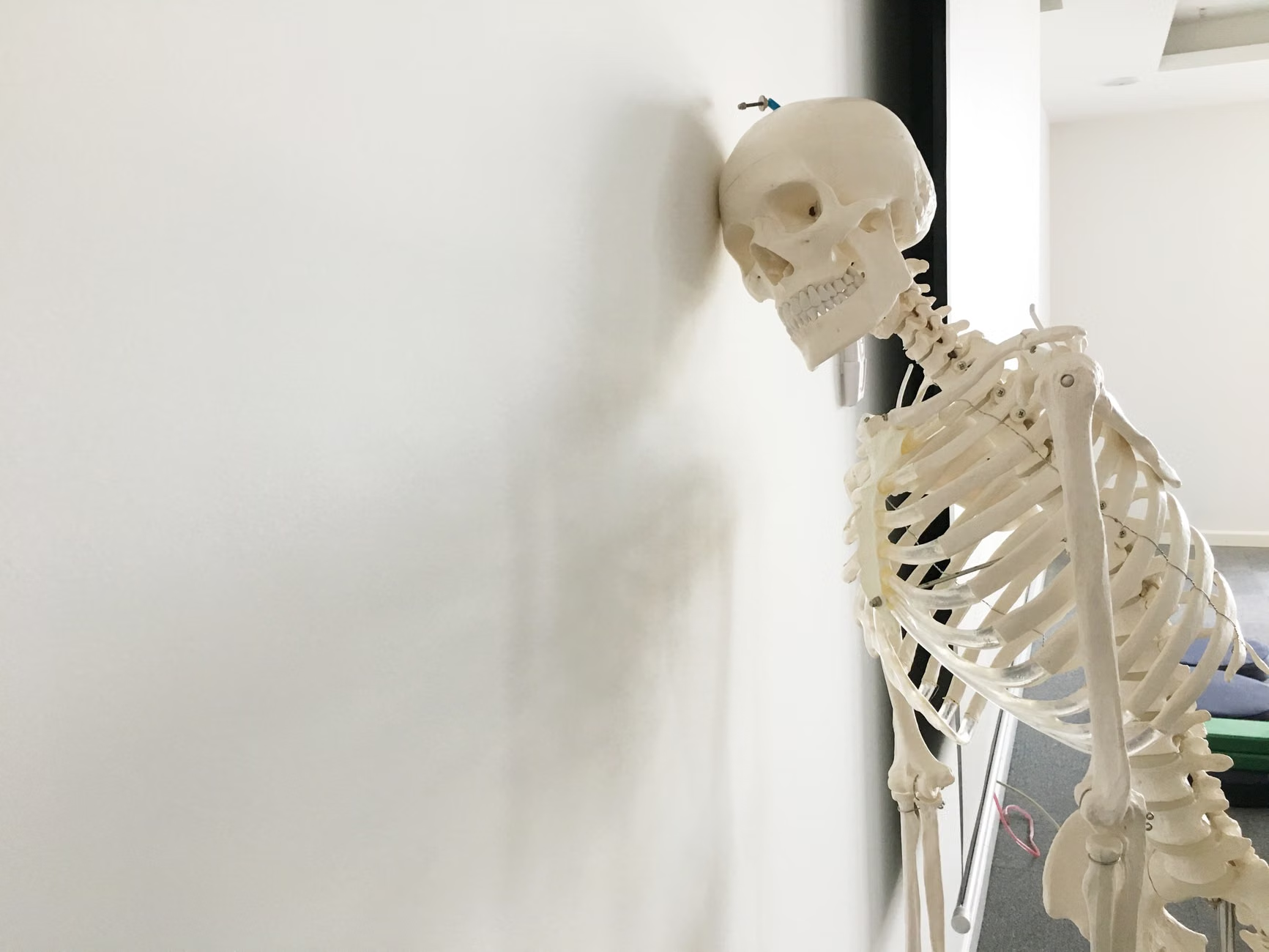
Why Consistency Outperforms Intensity
In the context of musculoskeletal health for older adults, “less is more.” Attempting to force your neck into a deeper rotation once a week is far less effective and significantly riskier than performing gentle, controlled rotations daily.
Daily movement helps maintain the health of the synovial fluid—the natural lubricant within your joints. When you move a joint through its full available range, you stimulate the production and distribution of this fluid, which reduces friction and helps keep the cartilage healthy. Think of it as “oiling the hinges” of a door; it is much easier to maintain movement than it is to restore it once a joint has become significantly restricted.
Establishing a Routine
Integrate this exercise into a time of day when you are already seated, such as during your morning coffee or while watching the evening news. By associating the movement with a habitual activity, you remove the “chore” aspect of the exercise. Aim for 5 repetitions on each side, performed slowly and with intention.
Safety Considerations and When to Consult a Professional
While gentle movement is generally safe, the neck is a sensitive area. It is important to know the difference between “stiffness” and “medical issues.”
Warning Signs
If you experience any of the following during or after your rotations, stop the exercise and consult a healthcare professional:
- Sharp, shooting pain: This may indicate nerve impingement.
- Numbness or tingling: Specifically in the fingers or arms, which suggests nerve involvement.
- Dizziness or vertigo: If movement triggers lightheadedness, it is crucial to stop and seek an evaluation, as this can be linked to inner ear issues or cervical spine conditions.
- Radiating pain: Pain that travels down the shoulder blade or arm.
When speaking to a physical therapist or your primary care physician, be specific. Instead of saying, “My neck hurts,” try saying, “I have difficulty turning my head to the left while driving, and I feel a tight sensation in the base of my skull.” This helps the professional distinguish between muscle fatigue and structural issues like cervical spondylosis (age-related wear and tear of spinal discs).

Comparative Analysis: Stretching vs. Strengthening
It is common to ask whether stretching is enough or if strengthening is required. Both serve different purposes in the aging body.
| Type | Primary Benefit | When to Prioritize |
|---|---|---|
| Neck Rotations (Mobility) | Maintains range of motion and joint lubrication. | Daily for prevention and stiffness reduction. |
| Isometric Exercises (Strengthening) | Provides support for the cervical spine. | When advised by a therapist to support neck stability. |
Insight: Many older adults focus exclusively on strengthening the neck muscles to “fix” pain. However, if the joints are already restricted, strengthening the surrounding muscles can actually compress the joints further. Always prioritize establishing a full, pain-free range of motion before adding resistance or strengthening exercises.
Environmental Factors and Ergonomics
Your environment plays a massive role in your neck health. Even the most diligent exerciser will struggle if their daily habits counteract their progress.
The “Tech Neck” Trap
Whether you are reading a book, using a tablet, or checking a smartphone, the angle at which you hold your device matters. Tilting your head forward at a 45-degree angle can increase the effective weight of your head on your neck muscles by up to 20 kilograms.
Practical Tip: Raise your reading material or device to eye level. Use a book stand or place your tablet on a stack of books. This simple change reduces the static load on your neck, allowing your muscles to remain relaxed throughout the day.
Sleep Positions
Your pillow should support the natural curve of your neck. If you wake up with a stiff neck, your pillow might be too high (pushing the head forward) or too low (allowing the head to tilt unnaturally). A pillow that keeps your neck in a neutral alignment with your spine is ideal. Test this by lying on your side and checking if your nose is aligned with the center of your chest.
Maintaining mobility is not a one-time achievement but a lifelong process. As we enter our 70s and 80s, the focus shifts from “performance” to “functional preservation.”
If you find that your range of motion has decreased significantly over the last year, consider a formal evaluation by a physical therapist. They can provide a personalized program that accounts for any pre-existing conditions, such as arthritis or past injuries. They can also teach you “proprioceptive” exercises—movements that help you sense the position of your head in space—which can improve your overall balance and confidence in movement.
Remember that the goal of these exercises is to facilitate your lifestyle. Whether it is gardening, traveling, or playing with grandchildren, a flexible neck ensures you can engage with the world around you safely and comfortably. By dedicating just a few minutes a day to these seated rotations, you are investing in your independence.
Conclusion
Seated neck rotations are a simple, accessible, and highly effective tool for any senior looking to maintain their range of motion. By focusing on slow, deliberate movements, maintaining a neutral spine, and listening to your body’s signals, you can keep your cervical spine healthy and functional. Start today by incorporating these movements into your daily routine, and remember that consistency is the key to lasting mobility.
For more information on senior health and exercise, you can consult official resources such as the National Institute on Aging, which provides evidence-based guides on healthy aging and physical activity.
Frequently Asked Questions (FAQ)
1. How many times a day should I perform these rotations?
Performing 5 to 10 slow, controlled repetitions once or twice a day is sufficient. The goal is consistent, gentle movement rather than a high-intensity workout. If you feel any discomfort, reduce the number of repetitions or stop for the day.
2. Can I do these exercises if I have arthritis in my neck?
Generally, gentle movement is recommended for arthritis to prevent the joints from “locking up.” However, because arthritis can vary significantly in severity, you must consult your doctor or physical therapist first. They can help you determine the specific range of motion that is safe for your condition.
3. What should I do if I feel dizzy while turning my head?
Stop the exercise immediately. Dizziness during neck movement can be related to the inner ear or the blood vessels in the neck. Do not try to “work through” the dizziness. Schedule an appointment with your primary care physician to rule out any underlying issues before continuing with any neck-related exercises.
Disclaimer: This article is for informational purposes only and does not constitute medical advice. Always consult with a qualified healthcare professional before beginning any new exercise program, especially if you have pre-existing medical conditions or are experiencing pain.