- Seated neck rotations should be performed slowly and within a pain-free range to improve cervical mobility without risking injury.
- Maintaining an upright, neutral spine while seated is the most critical factor in ensuring the neck muscles are properly aligned during movement.
- Any sudden, sharp pain, radiating numbness, or dizziness during movement is a signal to stop immediately and seek guidance from a physical therapist or healthcare provider.
For many adults between the ages of 60 and 80, the sensation of a “stiff neck” is a common companion. Whether it stems from prolonged periods spent reading, using a digital device, or simply the natural changes in joint lubrication and muscle elasticity that occur with age, restricted neck mobility can impact daily quality of life. Simple tasks, such as checking over your shoulder while driving or turning to speak with a friend, can become cumbersome or uncomfortable.
The seated neck rotation is a fundamental, low-impact exercise designed to gently maintain and improve your cervical range of motion. Unlike standing exercises, the seated position provides a stable base, which reduces the risk of loss of balance and allows you to focus entirely on the controlled movement of the neck. This guide explores the mechanics of this movement, how to integrate it safely into your daily routine, and when it is necessary to consult a professional regarding persistent stiffness.
Understanding Cervical Range of Motion
The cervical spine—the neck—is a complex structure consisting of seven vertebrae that support the weight of the head while allowing for a wide range of motion. As we age, the intervertebral discs may lose some hydration, and the facet joints, which connect the vertebrae, can experience minor wear. This is a normal part of the aging process, but it often leads to a gradual reduction in the ability to turn the head fully to the left or right.
Range of motion (ROM) refers to the distance and direction a joint can move. When we talk about “maintaining” ROM, we are discussing the effort to keep those joints moving through their full, healthy capacity. If you stop moving a joint through its full range, the surrounding muscles can tighten, and the joint capsule itself can become less flexible. This creates a cycle where stiffness leads to less movement, which in turn leads to more stiffness.
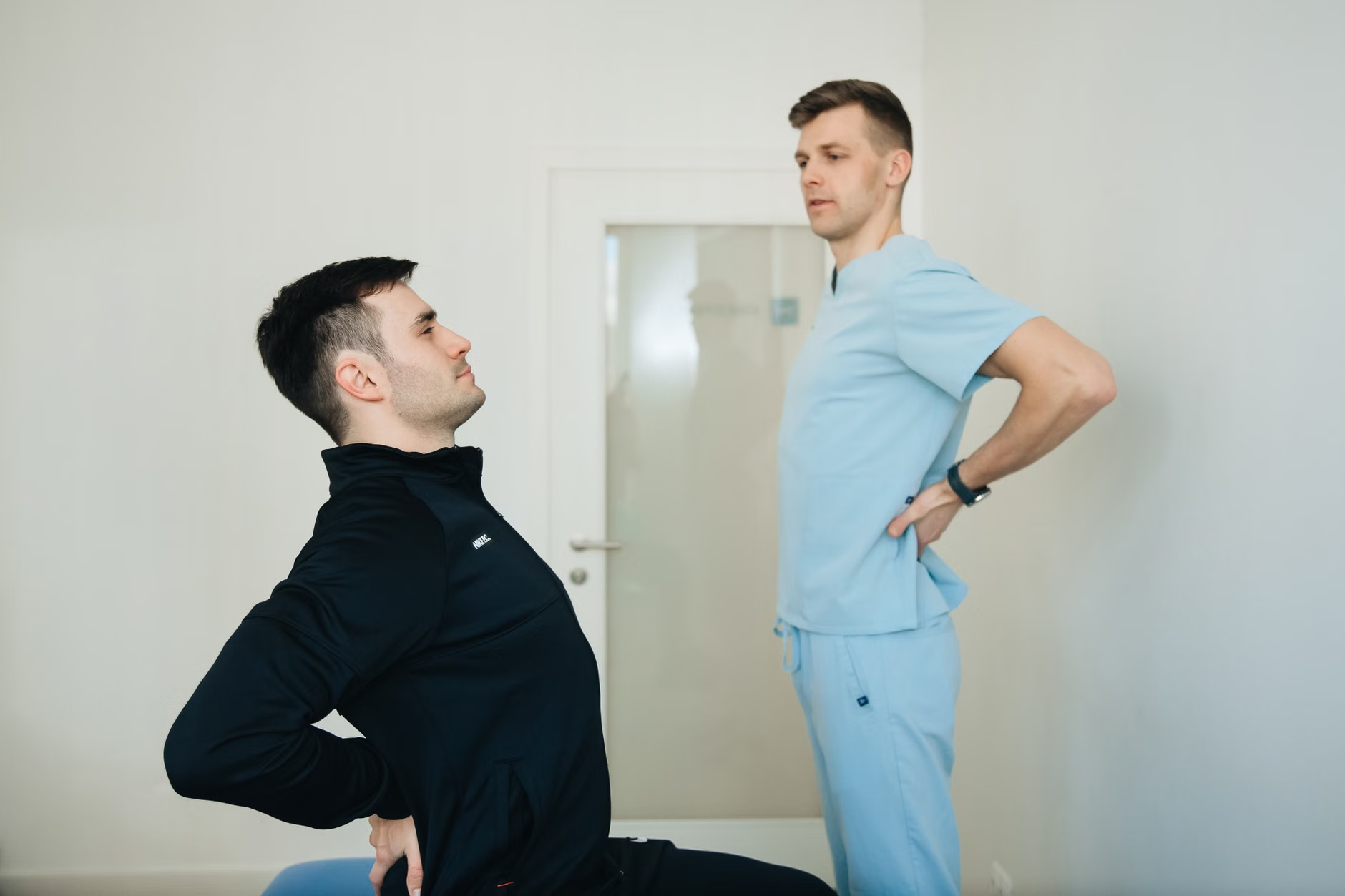
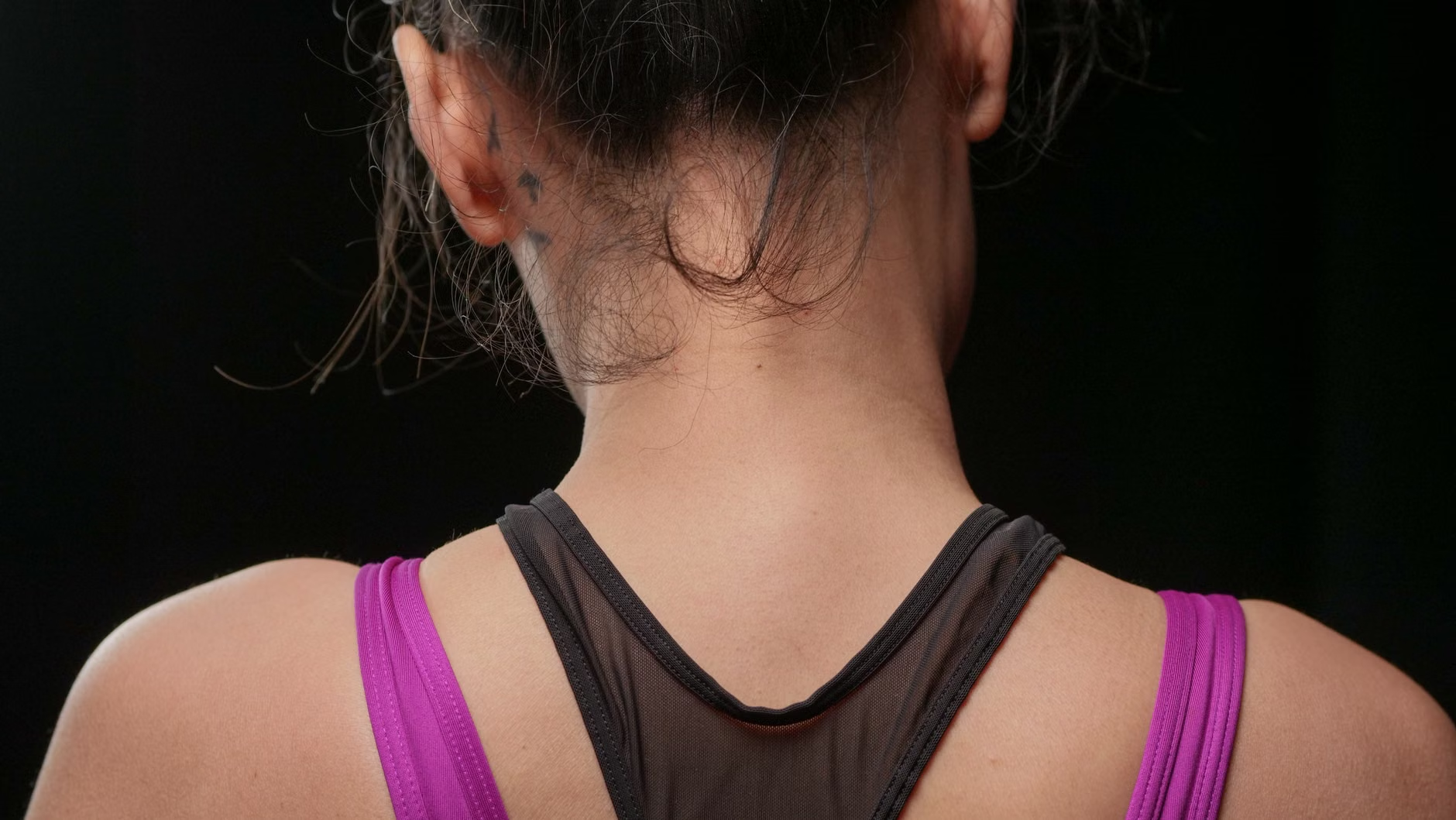
Seated neck rotations target the sternocleidomastoid, trapezius, and deep cervical muscles. By performing these rotations in a controlled manner, you are essentially “greasing the hinges” of your neck, encouraging blood flow to the area and helping the muscles remain pliable. It is important to note that the goal is not to force the head into a new position, but to gently remind the muscles of their natural functional range.
The Anatomy of a Safe Seated Rotation
Before you begin any movement, the setup is paramount. Many people attempt neck stretches while hunched over or with their feet dangling, which places unnecessary strain on the thoracic spine and lower back. To maximize the benefit and minimize risk, follow this structured approach to preparation.
Step-by-Step Execution
- Find the Right Chair: Choose a sturdy, armless chair that allows your feet to rest flat on the floor. If your feet do not touch the ground, place a stable book or a small step stool under them.
- Establish Neutral Alignment: Sit toward the front edge of the chair. Imagine a string pulling the crown of your head toward the ceiling. Your ears should be aligned over your shoulders, and your shoulders should be relaxed, not bunched up toward your ears.
- Hand Placement: Rest your hands gently on your thighs. This provides a grounding sensation and prevents you from subconsciously using your arms to compensate for neck tension.
- The Rotation: Inhale slowly. As you exhale, gently turn your head toward the right, as if you are looking over your shoulder to check a blind spot. Stop the moment you feel a gentle stretch or resistance. Do not push past this point.
- Return and Repeat: Inhale as you return to the center. Exhale as you move toward the left.
Common Mistake: The “Chin Tuck” Error. A frequent mistake is tilting the chin upward while rotating. This compresses the vertebrae at the back of the neck. Keep your chin parallel to the floor throughout the entire movement. If you find your chin lifting, imagine you are sliding your head along a horizontal plane.
Comparative Analysis: Seated vs. Standing Movements
While standing neck stretches are popular, they are not always the best choice for every individual, particularly those concerned with balance or those who experience inner-ear sensitivity. The following table compares the two methods to help you decide which is appropriate for your current physical state.
| Feature | Seated Rotation | Standing Rotation |
|---|---|---|
| Stability | High (Base of support is wide) | Lower (Requires core engagement) |
| Balance Risk | Minimal | Moderate |
| Focus | Cervical isolation | Full-body postural awareness |
| Best for | Beginners, those with vertigo, or morning stiffness | Those with strong balance and core strength |
If you have a history of dizziness or balance issues, the seated position is the superior choice. It removes the need for your brain to manage your center of gravity, allowing you to dedicate all your sensory attention to the sensation in your neck muscles. This increased focus often leads to a more effective stretch.
Establishing a Consistent Habit
The benefits of mobility work are cumulative. Performing these rotations once a month will yield little result, whereas performing them gently and consistently can significantly improve your daily comfort. For most adults, a frequency of once or twice daily is sufficient.
Consider linking this exercise to a habit you already possess. For example, if you sit at a desk to check your emails or sit in your favorite chair to read the morning paper, make the neck rotation your “opening ceremony.” By anchoring the exercise to an existing routine, you remove the mental friction of remembering to do it.
Refining Your Routine
- Duration: Hold the end of the rotation for 3 to 5 seconds. Do not hold it for so long that the muscle begins to tremble or cramp.
- Repetitions: Start with 3 repetitions per side. If you feel comfortable, you can slowly increase this to 5 or 6, but never feel the need to rush.
- Breathing: Use your breath as a guide. The movement should be as slow as your exhale. If you are moving faster than your breath, you are likely using momentum rather than muscle control.
When to Seek Professional Guidance
While gentle movement is excellent for maintenance, it is not a solution for acute injury or structural medical issues. It is important to distinguish between “muscular stiffness” and “neurological or structural pain.”
You should consult a healthcare professional, such as a physical therapist or your primary care physician, if you experience any of the following warning signs during or after your routine:
- Radiating Pain: If you feel shooting pain, numbness, or a “pins and needles” sensation traveling down your arm or into your fingers.
- Dizziness or Lightheadedness: If the act of rotating your head triggers a spinning sensation or loss of balance, this may indicate an issue with the inner ear or the blood vessels in the neck.
- Sudden Onset of Severe Pain: If your neck stiffness appeared overnight or following a fall, do not attempt to “stretch it out.” Seek a professional assessment to rule out injury.
- Lack of Progress: If you have been performing these exercises consistently for three weeks and notice no improvement, or if the stiffness is worsening, a professional can help identify if the issue is related to posture, ergonomics, or perhaps a condition like cervical osteoarthritis.
When preparing for an appointment, it is helpful to keep a brief log. Note the time of day the stiffness is worst, what activities trigger it, and whether the discomfort is localized to the neck or affects your shoulders and upper back. Bringing this information to your doctor allows them to provide a much more accurate assessment.
Hidden Nuances of Neck Mobility
One often-overlooked variable in neck health is the role of the thoracic spine (the upper back). The neck does not operate in a vacuum; it sits atop the thoracic spine. If your upper back is rounded—a common posture known as “kyphosis”—your neck is forced to compensate by leaning forward to keep your eyes level. This is often called “forward head posture.”
If you find that your neck rotations are always tight regardless of how much you stretch, the problem may actually be in your upper back. Improving your ability to sit up straight and extending your upper back can take a massive amount of pressure off your neck muscles. Therefore, in addition to neck rotations, simple chest-opening stretches can be a powerful, often overlooked, secondary tool.
Another factor is visual strain. If you wear bifocals or progressive lenses, you may subconsciously tilt your head at an awkward angle to find the “sweet spot” in your glasses while reading or watching television. Over several hours, this creates chronic muscle fatigue. Being aware of your head position while using your glasses can prevent the build-up of tension that necessitates a stretch in the first place.
Integrating Mobility into Lifestyle
Living a full, active life means having the freedom to move without hesitation. By incorporating these simple, seated neck rotations into your daily life, you are taking a proactive step toward maintaining that freedom. Remember that the goal is not to achieve a “perfect” 90-degree turn, but to maintain the range that allows you to engage with the world comfortably.
Listen to your body. It is the most accurate instrument you have. If a movement feels wrong, stop. If it feels like a gentle, productive release, continue. Over time, you will find that these small, deliberate actions contribute to a greater sense of ease in your physical body, allowing you to focus your energy on the hobbies, travel, and social connections that make life enjoyable.
For further reading on maintaining musculoskeletal health as you age, you may find the resources provided by the National Institute on Aging to be a reliable guide for broader physical activity goals.
Frequently Asked Questions
1. Is it normal to hear a crunching or clicking sound when I rotate my neck?
Often referred to as crepitus, these sounds are frequently caused by gas bubbles in the joint fluid or ligaments snapping over bony prominences. In the absence of pain, this is usually benign. However, if the clicking is accompanied by sharp pain or a feeling of “catching,” it is advisable to have it evaluated by a physical therapist.
2. Can I use a heating pad before my neck rotations?
Yes, applying a gentle, warm (not hot) compress to the back of your neck for 5 to 10 minutes before performing your rotations can help improve tissue elasticity. This can make the movement feel smoother and less resistant. Always ensure the temperature is moderate to avoid skin irritation.
3. How long does it take to see improvements in neck range of motion?
Consistency is key. Many individuals report feeling a decrease in daily tension within the first week of daily, gentle practice. However, significant changes in the actual range of motion may take several weeks of regular, patient effort. Focus on the feeling of the stretch rather than the speed of the results.