The Seated Lateral Neck Stretch: A Practical Guide to Relieving Daily Tension
- The seated lateral neck stretch is a targeted movement designed to release tension in the trapezius and levator scapulae muscles, which are common sites for stiffness in older adults.
- Safety is paramount: move slowly, maintain a neutral spine, and stop immediately if you experience sharp or radiating pain.
- Consistency over intensity is the key to long-term mobility; performing gentle stretches daily is more effective than infrequent, aggressive sessions.
Neck tension is a common experience that can impact your quality of life, whether you are reading, gardening, or simply relaxing. As we age, the muscles in our neck and shoulders often become tighter due to changes in posture, reduced activity levels, or the cumulative effect of daily habits. The seated lateral neck stretch is a simple, accessible, and effective tool for managing this tension without requiring specialized equipment or significant physical exertion.
Understanding Why Neck Tension Occurs
To address neck tension effectively, it is helpful to understand why it happens. The neck (cervical spine) supports the weight of the head, which is roughly 4.5 to 5.5 kilograms. When we lean forward—often called “text neck” or “forward head posture”—to look at a book, a tablet, or a phone, the effective weight on the neck muscles increases exponentially. This puts significant strain on the muscles that connect the neck to the shoulders, specifically the upper trapezius and the levator scapulae.
In older adults, this is often compounded by natural changes in the intervertebral discs and the loss of muscle mass (sarcopenia). When these muscles remain in a shortened, contracted state for long periods, they can become stiff, leading to discomfort that may feel like a dull ache or a “knot” in the shoulder area. Stretching helps to re-lengthen these tissues, improve blood flow to the area, and promote relaxation in the nervous system.
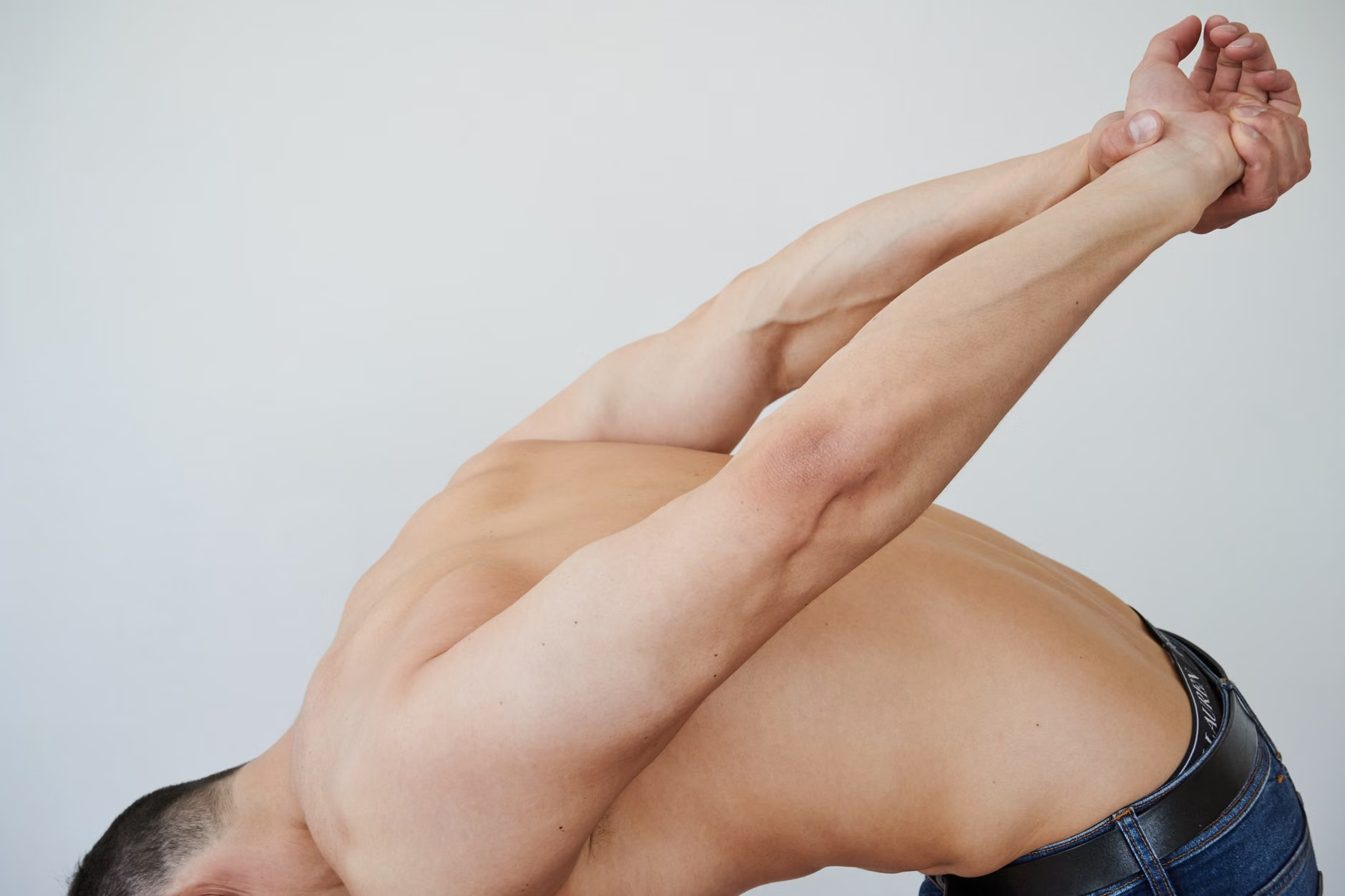
Preparing for Your Stretch
Before you begin, ensure you are in an environment that supports your safety and comfort. You do not need to be on the floor or in a gym. A sturdy, armless chair is ideal. If you use a chair with arms, ensure they do not obstruct your ability to lower your shoulder comfortably. Your feet should be planted firmly on the floor. If your feet do not reach the floor comfortably, use a footstool to ensure your hips and knees are at roughly 90-degree angles. This provides a stable base, which is necessary for isolating the neck muscles without compensating with your lower back.
Step-by-Step Execution of the Lateral Neck Stretch
Follow these steps to perform the stretch safely and effectively. Remember, the goal is not to reach a specific range of motion, but to feel a gentle release in the muscle.
- Find your neutral position: Sit upright with your shoulders relaxed and pulled back slightly. Imagine a string pulling the crown of your head toward the ceiling.
- Anchor your shoulder: To get the most out of the stretch, you must keep the shoulder on the side you are stretching down. You can gently hold the side of your chair seat with your hand to prevent that shoulder from rising as you tilt your head.
- The lateral movement: Slowly and gently tilt your right ear toward your right shoulder. Do not rotate your head; keep your gaze forward.
- Hold and breathe: Once you feel a mild, comfortable stretch along the left side of your neck, hold this position for 15 to 30 seconds. Continue to breathe deeply and rhythmically.
- Return and repeat: Gently return your head to the center before switching to the other side. Perform this 2 to 3 times on each side.
Important Safety Considerations and Warning Signs
While stretching is generally safe, it is important to recognize the difference between “good” discomfort (the sensation of a muscle lengthening) and “bad” pain (the sensation of injury). If you feel sharp, shooting, or electric-like pain, stop immediately. This may indicate nerve irritation rather than muscle tightness.
Furthermore, if you have a history of cervical spine issues, such as herniated discs, spinal stenosis, or recent neck surgery, consult with your primary care physician or a physical therapist before starting a new stretching routine. They can provide guidance on whether specific movements are appropriate for your unique medical history.
| Sensation | What it Means | Action |
|---|---|---|
| Mild tension/pulling | The muscle is being safely stretched. | Hold and breathe. |
| Sharp, stabbing pain | Potential injury or impingement. | Stop immediately. |
| Radiating tingling/numbness | Possible nerve involvement. | Stop and consult a doctor. |
The table above serves as a guide for self-monitoring. If you frequently experience the sensations in the bottom two rows, it is an indication to prioritize a professional evaluation. Do not attempt to “stretch through” nerve-related pain, as this can exacerbate the condition.
Common Mistakes to Avoid
One of the most common errors is “over-stretching.” Many people believe that the more they force their head toward their shoulder, the better the result. In reality, aggressive stretching can trigger a “stretch reflex,” where the muscle actually contracts to protect itself from tearing, making it feel tighter than before. Aim for a gentle, sustainable pull.
Another common mistake is rotating the head while tilting. This changes the angle of the stretch and may put unnecessary pressure on the cervical facet joints. Always keep your nose pointing forward throughout the entire movement. Finally, do not hold your breath. Breath-holding increases blood pressure and tension throughout the body, which is the opposite of the relaxation we are trying to achieve.
Integrating Stretching into Your Daily Routine
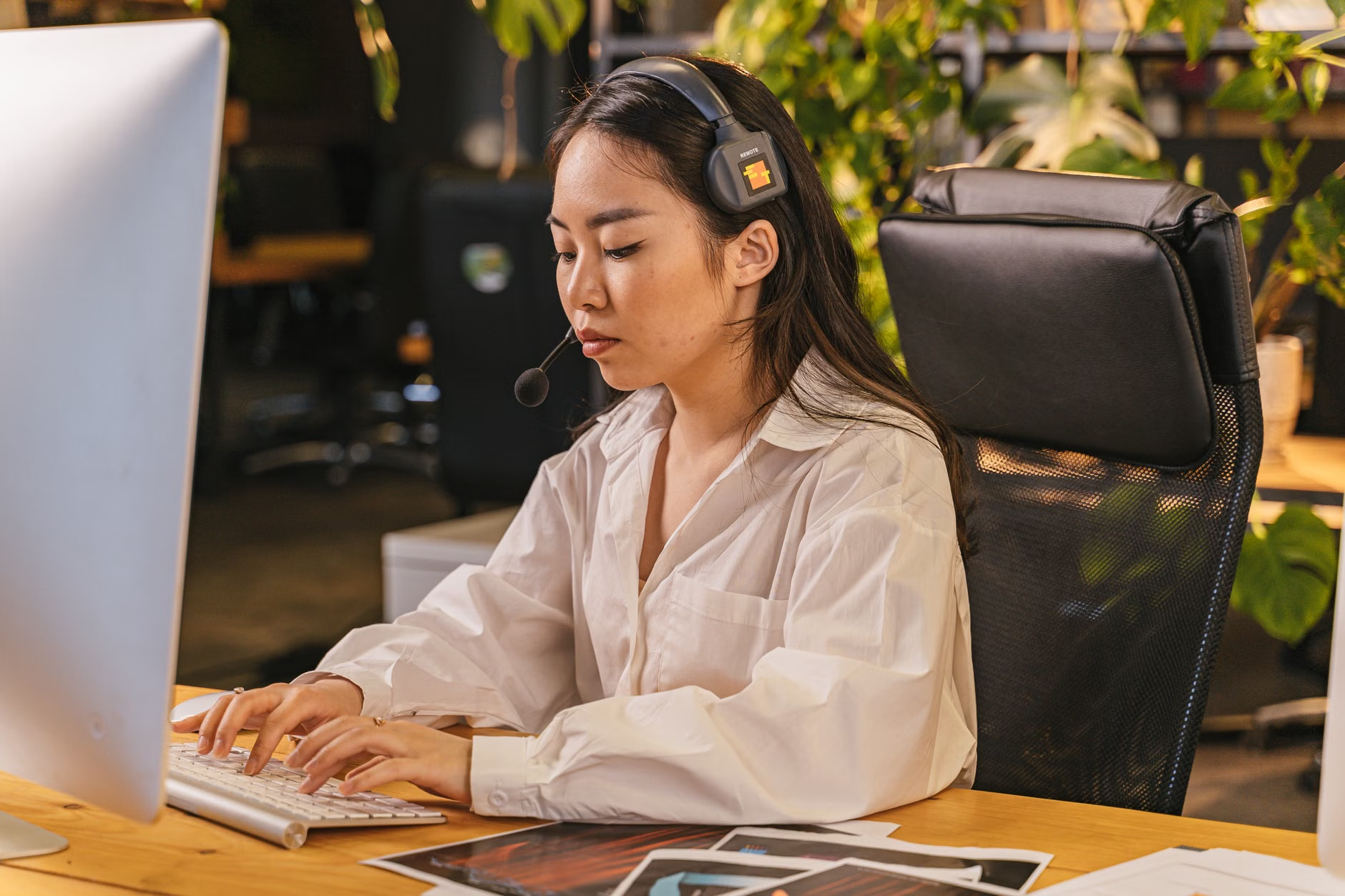
Consistency is more important than duration. You will see better results from doing this stretch for two minutes every morning than from doing a 20-minute session once a week. Because this stretch is done while seated, it is easy to integrate into activities you are already doing, such as waiting for a kettle to boil, sitting at your computer, or watching the news.
Consider setting a “movement trigger.” For example, every time you finish reading a chapter of a book, perform the stretch. By attaching the habit to an existing routine, you are much more likely to maintain it over the long term. If you find it difficult to remember, a simple sticky note on your mirror or a recurring alarm on your phone can serve as a helpful reminder.
When to Seek Professional Guidance
If your neck pain persists despite regular, gentle stretching, or if you notice any of the following, please schedule an appointment with a healthcare professional:
- Pain that interferes with your sleep.
- Weakness or loss of sensation in your hands or arms.
- Difficulty with balance or walking.
- Pain that has lasted for more than two weeks without improvement.
When you visit your doctor, be prepared with a record of your symptoms. Note when the pain started, what makes it better or worse, and whether you have tried any specific remedies. This information helps your healthcare provider distinguish between simple muscular tension and conditions that may require more targeted treatment, such as physical therapy or medication.
Further Reading and Resources
For those interested in broader approaches to mobility and senior wellness, official health organizations provide excellent resources. You can explore guidance on physical activity for older adults through the World Health Organization (WHO) website regarding global physical activity recommendations. These guidelines emphasize the importance of balance and flexibility training as part of a comprehensive approach to healthy aging.
Conclusion
The seated lateral neck stretch is a simple yet powerful tool for maintaining your physical comfort. By understanding the anatomy of your neck, respecting your body’s limits, and practicing consistently, you can manage daily tension and improve your overall mobility. Remember that your health is a long-term commitment; small, daily habits are the foundation of a life of movement and vitality.
Frequently Asked Questions (FAQ)
1. How many times a day should I perform these stretches?
There is no strict rule, but performing the stretch 2 to 3 times per session, once or twice a day, is usually sufficient to manage mild tension. Listen to your body and avoid overdoing it.
2. Can I use my hand to pull my head further down for a deeper stretch?
It is generally recommended to avoid using your hand to pull on your head. The weight of your head alone is sufficient to create a safe and effective stretch. Using your hand creates a risk of applying too much force, which can lead to strain.
3. Does the temperature of the room affect my stretching?
Yes, muscles are generally more pliable when they are warm. If you are feeling particularly stiff, you might find it helpful to perform these stretches after a warm shower or after applying a warm (not hot) compress to your neck and shoulder area for a few minutes.