- Phosphorus is essential for bone mineralization, but it must be balanced with adequate calcium and vitamin D intake.
- For most healthy adults, dietary phosphorus is readily available in common foods; excessive intake from processed food additives is the primary concern for kidney and bone health.
- Maintaining bone mineral density requires a holistic approach, combining nutrient-dense eating with regular weight-bearing physical activity and routine monitoring of kidney function.
Introduction: The Role of Phosphorus in Your Skeletal System
For adults aged 60 to 80, maintaining skeletal integrity is a primary component of healthy aging. While calcium often dominates the conversation regarding bone health, phosphorus is its silent partner. Phosphorus is the second most abundant mineral in the human body, with approximately 85% of it stored in our bones and teeth.
Understanding how phosphorus works is not about chasing a specific daily supplement, but rather about understanding the balance required to keep your bones strong. As we age, our bodies become more sensitive to imbalances in minerals. This guide explores the practical reality of dietary phosphorus, how it interacts with other nutrients, and what you can do to support your bone mineral density (BMD) through informed daily habits.
What is Phosphorus and Why Does it Matter?
Phosphorus is a mineral that plays a vital role in virtually every cell of the body. Beyond its structural role in forming hydroxyapatite—the crystalline structure that gives bones and teeth their hardness—it is essential for energy production, DNA synthesis, and maintaining the body’s acid-base balance.
In the context of the skeletal system, phosphorus works in tandem with calcium. If your blood phosphorus levels are too high or too low, the body may pull calcium from your bones to compensate. This is why the ratio of intake is often more significant than the absolute amount for most individuals.
Nutritional Sources: Whole Foods vs. Processed Additives
The most important distinction for the modern senior is between “organic” phosphorus (naturally occurring in whole foods) and “inorganic” phosphorus (added as preservatives in processed foods).
Natural Phosphorus Sources
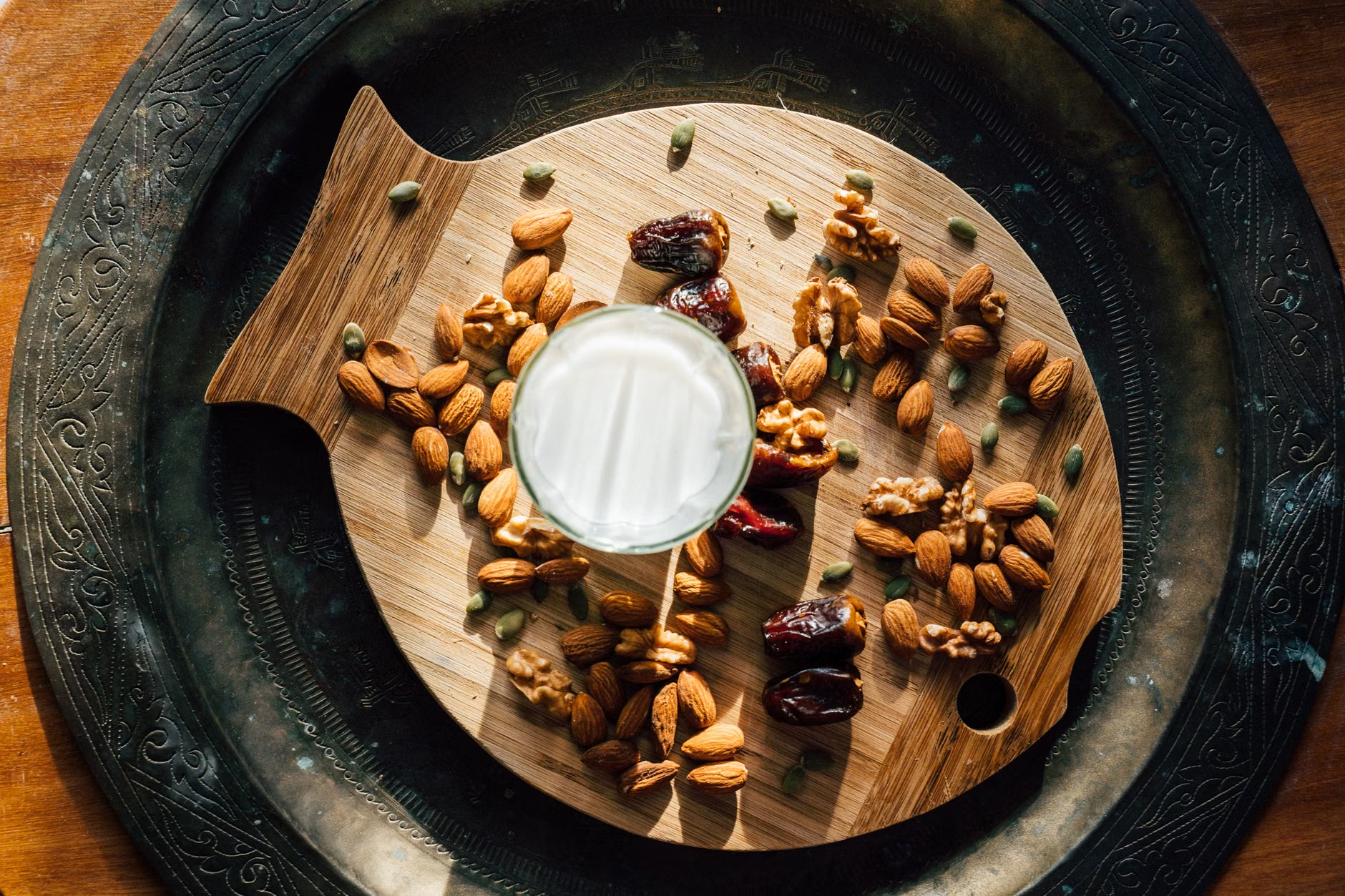
Natural phosphorus is found in protein-rich foods. Because these foods often contain other essential nutrients like protein, magnesium, and B vitamins, they are generally considered beneficial for overall health.
- Dairy products: Milk, yogurt, and cheese.
- Lean meats and poultry: Chicken, turkey, and lean beef.
- Fish: Salmon, sardines, and cod.
- Legumes and nuts: Lentils, chickpeas, almonds, and walnuts.
- Whole grains: Oats, brown rice, and quinoa.
The Hidden Risk: Processed Food Additives
Modern industrial food manufacturing frequently uses phosphorus-containing additives to improve texture, color, and shelf life. Unlike natural phosphorus, which is absorbed at a rate of 40% to 60%, inorganic phosphorus additives are absorbed by the body at a rate of nearly 90% to 100%.
Common sources of hidden inorganic phosphorus:
- Cola-style soft drinks (often labeled as phosphoric acid).
- Processed meats (deli meats, sausages, and bacon).
- Instant puddings, cake mixes, and frozen convenience meals.
- Fast-food burgers and breaded chicken products.
For an older adult, relying heavily on processed foods can lead to chronically elevated blood phosphorus levels, which may place unnecessary strain on the kidneys and, over time, negatively impact bone density. Always check ingredient labels for words containing “phos,” such as dicalcium phosphate or sodium phosphate.
Balancing Your Intake: The Calcium-Phosphorus Connection
Bone density is not governed by one mineral alone. The interaction between calcium, phosphorus, and vitamin D is a complex regulatory cycle. If you consume high levels of phosphorus but low levels of calcium, your body may trigger the release of parathyroid hormone (PTH). This hormone signals the bones to release calcium into the bloodstream to neutralize the excess phosphorus, which can lead to a gradual reduction in bone density.
| Nutrient | Primary Role in Bones | Best Strategy for 60+ |
|---|---|---|
| Calcium | Provides structural hardness. | Aim for 1,200 mg daily from food first. |
| Phosphorus | Supports structural matrix. | Focus on whole foods; avoid additives. |
| Vitamin D | Enables calcium absorption. | Monitor levels via blood tests. |
This table illustrates that while phosphorus is necessary, it should never be viewed as a substitute for calcium. The ideal scenario is to consume adequate calcium while limiting inorganic phosphorus additives.
Practical Steps for Maintaining Bone Mineral Density
Bone health is not just about what you eat; it is about how you move and how you monitor your internal health.
1. Prioritize Weight-Bearing Activity
Even with optimal nutrition, bones require mechanical stress to remain dense. Weight-bearing exercises signal the body to deposit more minerals into the bone matrix.
Examples of safe, effective activities:
- Brisk walking: The impact of your feet hitting the ground helps stimulate bone remodeling.
- Resistance training: Using light dumbbells or resistance bands 2-3 times per week.
- Tai Chi or Yoga: These improve balance, which is the most effective way to prevent the falls that lead to fractures.

If you are concerned about your bone density, the first step is to speak with your primary care physician. Do not start high-dose mineral supplements without a blood panel, as excessive levels of phosphorus or calcium can be harmful to kidney function.
When to request a Bone Mineral Density (BMD) test:
- If you have experienced a fracture after age 50 from a minor fall.
- If you have a family history of osteoporosis.
- If you have taken long-term corticosteroid medications.
- As a routine screening, usually starting at age 65 for women and 70 for men, depending on regional health guidelines.
When preparing for your appointment, bring a list of all medications and supplements you currently take. Some medications, such as certain antacids or diuretics, can interfere with how your body processes minerals like calcium and phosphorus.

Common Misconceptions and Nuanced Realities
A common mistake is the belief that “more is better.” Many seniors assume that because phosphorus is in bones, taking a phosphorus supplement will prevent osteoporosis. This is scientifically incorrect. Phosphorus is almost never deficient in the typical adult diet. In fact, the average Western diet is far more likely to be excessive in phosphorus due to the prevalence of processed foods.
Another nuance involves kidney function. As we age, our glomerular filtration rate (GFR)—a measure of how well our kidneys filter waste—may naturally decline. The kidneys are responsible for excreting excess phosphorus. If your kidney function is even mildly impaired, your body cannot eliminate excess phosphorus as effectively as it once did. This is a critical reason why you should never take phosphorus supplements without direct medical supervision.
Integrating These Habits into Daily Life
Practical health management involves small, sustainable changes rather than radical overhauls. Consider the “Whole Food Rule”: If it comes in a box with a long list of unpronounceable ingredients, it likely contains inorganic phosphorus additives. If it is a single-ingredient food—like a piece of fish, a bag of lentils, or a carton of plain milk—it contains the natural phosphorus your body needs.
For those who struggle with mobility, focus on “micro-movements.” You do not need to join a high-intensity gym. Simple standing exercises while holding onto a kitchen counter can provide the necessary weight-bearing stimulus for your hips and legs.
Conclusion: A Balanced Approach to Aging
Your bone health is a cumulative result of decades of lifestyle choices. At 60 to 80, the goal is to stabilize and protect the density you have. By focusing on whole, nutrient-dense foods, limiting processed additives, and engaging in regular, safe physical activity, you provide your skeletal system with the environment it needs to remain resilient.
Remember that your healthcare provider is your partner in this process. Use the information in this guide to have a more informed conversation during your next check-up. Ask about your specific blood mineral levels and whether a bone density scan is appropriate for your current health profile.
Frequently Asked Questions (FAQ)
1. Should I take a phosphorus supplement for my bone health?
No. Phosphorus deficiency is extremely rare in healthy adults. Most people consume more than enough phosphorus through their daily diet. Taking extra phosphorus without a specific medical diagnosis can actually interfere with calcium absorption and potentially stress your kidneys.
Look at the ingredient label on packaged foods. If you see ingredients containing the letters “phos,” such as sodium phosphate, calcium phosphate, or phosphoric acid, the product contains inorganic phosphorus additives, which are absorbed much more rapidly by the body than natural phosphorus.
3. Does drinking soda really affect my bone density?
Many dark-colored colas contain phosphoric acid. Regular, high consumption of these beverages has been associated with lower bone density in some observational studies. This is likely due to a combination of the high phosphorus content and the fact that these drinks often replace healthier, calcium-rich beverages like milk or fortified plant-based alternatives.
Disclaimer: This article is for informational purposes only and does not constitute medical advice, diagnosis, or treatment. Always seek the advice of your physician or other qualified health provider with any questions you may have regarding a medical condition or dietary changes.
Sources and further reading: