Key Takeaways
- Prioritize Surface Quality: Historic squares often feature uneven cobblestones; look for destinations that have invested in “accessible pathways” or smoothed stone tracks to ensure safe mobility for canes, walkers, or wheelchairs.
- Strategic Timing and Pacing: Visit historic squares during mid-morning or late afternoon on weekdays to avoid crowds, minimize heat exposure, and ensure easy access to seating and accessible restrooms.
- Verify Infrastructure Before Departure: Use satellite imagery and local tourism accessibility maps to confirm the proximity of accessible parking, lift-equipped transit stops, and the availability of barrier-free public toilets.
The Appeal of Historic Squares and the Reality of Mobility
Historic village squares serve as the heart of cultural tourism. They are where architecture, local commerce, and community life converge. For the senior traveler, these spaces offer a unique opportunity to experience the essence of a destination without the need for extensive trekking. However, the very features that make these squares “historic”—centuries-old paving, irregular layouts, and preserved architecture—can present significant mobility challenges.
Selecting the right historic square is not about avoiding history; it is about choosing destinations that have successfully integrated modern accessibility standards into their heritage sites. This guide provides a framework for evaluating these locations to ensure your travel experience is defined by discovery rather than physical strain.
Evaluating Surface Quality: The Foundation of Accessibility
The most common obstacle in historic European or colonial-era village squares is the traditional paving. While picturesque, large, rounded cobblestones (often called “river stones”) can be hazardous for those with reduced balance or those using mobility aids such as canes, walkers, or rolling luggage. When researching a destination, look for specific evidence of “accessibility upgrades.”
What to Look For in Site Documentation
Modern municipalities often provide digital maps indicating “accessible routes.” Look for terms such as “smoothed pathways,” “paved corridors,” or “pedestrian-friendly zones.” If a tourism website mentions a “historic center,” search specifically for photos of the ground. If you see large, deep gaps between stones or high-crowned paving, this may increase the risk of tripping or joint fatigue.
| Paving Type | Mobility Impact | Suitability for Seniors |
|---|---|---|
| Rounded Cobblestones | High risk of trip/ankle strain | Avoid if using a walker/cane |
| Flat-cut Granite/Stone | Moderate stability | Generally manageable with sturdy shoes |
| Smoothed Central Tracks | High stability | Ideal for all mobility levels |
Practical Decision Rule: If you rely on a walker, prioritize destinations that have installed central “strips” of flat stone through the main square. These allow you to traverse the square while keeping your wheels on a smooth surface, even if the surrounding area remains historic in nature.
The Importance of Strategic Rest Points
Stamina management is a critical component of comfortable travel. A historic square that lacks adequate, shaded, and accessible seating is a square you will likely leave prematurely. When planning your visit, do not rely on the assumption that “there will be a bench.”
The “Bench-to-Bench” Strategy
Before leaving your accommodation, use tools like Google Street View to “walk” the perimeter of the square. Look for permanent seating. Are these benches in direct sunlight or shade? Are they equipped with armrests? Armrests are vital for seniors as they provide the necessary leverage to stand up comfortably without placing excessive strain on the knees or lower back.
The Role of Local Cafes
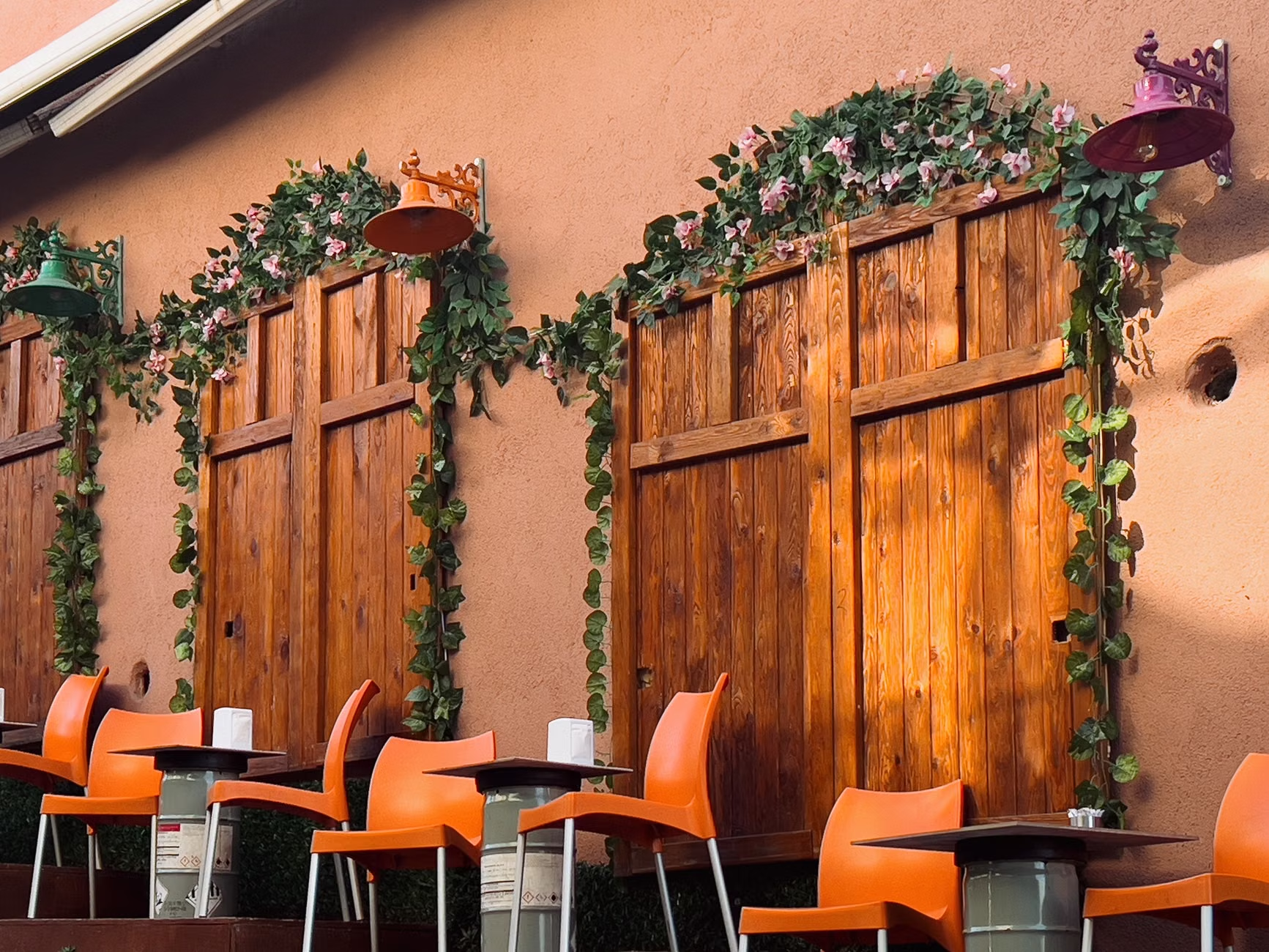
In many historic villages, the most reliable seating is found in outdoor cafes. However, cafes in historic districts often have “threshold steps” at the entrance. When checking a cafe, look for:
- Level entry: No step or a very low-profile ramp.
- Seating height: Chairs that are standard height (avoiding low-slung lounge furniture).
- Restroom accessibility: Confirming the restroom is on the same level as the seating area.
The availability of accessible, clean, and well-marked public restrooms is perhaps the most significant factor in the comfort of a senior traveler. Historic squares often house restrooms in older buildings where structural renovations are difficult or restricted by heritage laws.
What to do: Always identify the location of the nearest “accessible public toilet” before you arrive. Many European and North American cities use apps or online portals (such as the Wheelmap platform or official municipal tourism sites) to mark these facilities. If a public facility is not available, have a “backup” cafe identified where you have already verified that the facilities are accessible and open to non-patrons or customers.

Transportation: Getting to the Square Without Exhaustion
A beautiful square is of little use if the journey to reach it leaves you too tired to enjoy it. Historic villages often have restricted vehicle access, meaning your transport may drop you off several hundred meters away.
The “Last Mile” Consideration
Research the distance from the nearest public transport stop or parking zone to the square. A 500-meter walk might sound simple, but if that walk involves a significant incline or uneven terrain, it may consume a large portion of your daily energy budget. Look for:
- Shuttle services: Some historic towns operate small electric shuttles that take visitors from the parking periphery to the town center.
- Taxi/Rideshare drop-off points: Determine the exact point where a vehicle can legally drop you off.
- Topography: Use topographical maps or apps that show elevation changes. A walk that is “flat” is significantly different from one that is “uphill.”
The Hidden Variable: Time of Day and Crowd Dynamics
Crowds are not just a nuisance; they are a mobility hazard. In a crowded historic square, you are forced to navigate around others, which can lead to unpredictable movements or the need to step off established paths onto uneven ground.
The Early Bird Advantage: Aim to arrive at the square by 9:00 AM. In most global destinations, this allows you to enjoy the space when it is quiet, the air is cooler, and you have first pick of the most accessible tables at cafes. By 11:30 AM, when tour groups typically arrive, you will have already completed your primary sightseeing and can retreat to a quieter area for lunch.
Practical Checklist for Your Next Trip
Before finalizing your itinerary, use this checklist to ensure the historic square meets your needs:
- [ ] Surface Check: Have I viewed the square on Street View to check for large cobblestones or uneven gaps?
- [ ] Seat Check: Are there benches with armrests, or are there cafes with stable, high-backed chairs?
- [ ] Facility Check: Have I located the nearest accessible restroom on a map?
- [ ] Transit Check: Is there a drop-off point within 100 meters of the square?
- [ ] Shade/Weather Check: Is there adequate shade or a nearby indoor space to escape midday heat or sudden rain?
Insights for a Stress-Free Experience
Beyond the physical infrastructure, consider the “cognitive load” of your visit. Historic squares are often visually busy. If you have any sensitivity to noise or visual overstimulation, seek out the side streets branching off the square. These often offer the same architectural beauty but with a fraction of the foot traffic and noise, providing a perfect “reset” area during your visit.
Furthermore, do not hesitate to ask local tourism offices for their “accessibility guide.” Many cities have developed specialized brochures for visitors with limited mobility. These are often more accurate than generic travel blogs and provide specific details on which buildings have lifts, which walkways are paved, and where the best accessible parking is located.
Conclusion
Selecting an accessible historic village square requires a shift from “sightseeing” to “site-evaluating.” By prioritizing flat surfaces, strategic rest points, and verified accessibility infrastructure, you can enjoy the cultural richness of historic centers while maintaining your comfort and safety. Remember that the goal is not to see everything, but to enjoy the time you spend in the places you choose. By planning for mobility, you ensure that your travel memories are defined by the beauty of the destination, not the difficulty of the journey.
Frequently Asked Questions
1. How can I verify the accessibility of a historic square if the website is not clear?
Use Google Maps in “Satellite” and “Street View” modes. This allows you to see the paving texture and the density of obstacles like outdoor dining tables. Additionally, email the local tourism board directly and ask: “Is the central plaza accessible for someone using a walker?” Their response will often provide local context that websites miss.
2. Are there specific countries known for better accessibility in historic areas?
Many countries in the European Union, such as Germany, the Netherlands, and parts of France, have strict regulations regarding “barrier-free” access. However, even within these countries, accessibility varies by town. Always look for the “Accessible Tourism” or “Tourism for All” (Tourisme et Handicap in France) certification marks on municipal websites.
3. What should I do if I find a square is less accessible than expected upon arrival?
Do not force yourself to navigate difficult terrain. Look for the “tourist information office,” which is usually located near the main square. These offices are often staffed by locals who can direct you to the most accessible routes, alternative seating areas, or even local transport services that can help you bypass the most difficult sections of the square.
Official guidance and resources for accessible travel can often be found through national tourism boards. For example, the European Commission’s Accessible Tourism portal provides resources on standards and initiatives across Europe. Always check local municipal websites for specific accessibility maps of the village you intend to visit.