- Prioritize Surface Quality: Historic canal paths often feature uneven cobblestones; always verify if the route is “paved” or “accessible” to ensure stability.
- The “One-Third” Pacing Rule: Plan for only one-third of your usual walking distance to allow for fatigue, photography, and frequent rest stops.
- Verify Infrastructure, Not Just Views: Accessibility is defined by the presence of step-free access, functional public restrooms, and proximity to transport links, not just scenery.
Historic canal walkways offer a unique window into the industrial and social history of many regions, from the towpaths of the United Kingdom to the grand waterways of Europe and North America. For travelers aged 60 to 80, these routes provide a gentle, flat, and often scenic alternative to steep hiking trails or crowded urban centers. However, “historic” often implies century-old infrastructure that was not originally designed with modern accessibility standards in mind.
Selecting the right canal tour requires a strategic approach to mobility, safety, and logistical planning. This guide provides a framework for evaluating which routes are suitable for your stamina and mobility needs, ensuring your travel experience is enriching rather than exhausting.
Understanding Accessibility in Historic Contexts
When a tourism board describes a canal as “scenic” or “historic,” they are rarely speaking about accessibility. As a traveler, you must distinguish between a path that is “walkable” and one that is “accessible.”
What it is: Accessibility in canal walking refers to the combination of ground surface, gradient, path width, and the presence of amenities like benches and accessible toilets.
Why it matters: Historic towpaths—the paths originally used by horses to pull barges—were often made of packed earth, gravel, or uneven stone. Over time, these can become slippery when wet, muddy, or hazardous for those using canes, trekking poles, or mobility aids.
What to look for: Look for official designations such as “ADA-compliant” (in the US), “BS 8300” compliant (in the UK), or “Euro-Access” certified routes. If these labels are missing, check the local council or canal trust website for a “path audit” or “access statement.”

The Evaluation Framework: A 5-Point Checklist
Before committing to a tour or a specific walking route, assess the following five criteria to ensure the experience matches your physical comfort level.
| Criterion | What to Verify | Warning Sign |
|---|---|---|
| Surface | Is it paved, asphalt, or compacted gravel? | “Natural terrain” or “cobblestones” |
| Gradient | Is the path consistently flat? | “Hilly,” “steep inclines,” or “undulating” |
| Infrastructure | Are there public toilets every 2-3 km? | No facilities listed on the map |
| Connectivity | Can you exit the path easily to a road? | “Remote,” “secluded,” or “no road access” |
| Signage | Are there clear distance markers? | Lack of maps or information points |
How to use this table: If a route shows more than two warning signs, it is likely better suited for a guided boat tour of the canal rather than a walking excursion. Relying on “remote” paths can be dangerous if you encounter unexpected fatigue, as there may be no way to signal for a taxi or find a transport link.
Strategic Pacing and Stamina Management
One of the most common mistakes travelers make is overestimating their daily “walking budget.” While you may walk 10,000 steps at home, the combination of travel fatigue, different weather conditions, and unfamiliar terrain reduces your effective capacity.
The “One-Third” Pacing Rule
If you usually walk 5 kilometers at home comfortably, plan for a maximum of 1.5 to 2 kilometers on a historic trail. This allows you to walk at a relaxed pace, stop for photographs, and—most importantly—have the energy to return to your accommodation or transport hub.
Practical Decision Rule: Always identify the “Exit Points” on your route. Before you step onto a canal path, identify at least two points where you can leave the path to reach a main road, a bus stop, or a café. If a 5-kilometer stretch has no exits, do not attempt the entire walk.

Choosing Between Walking and Boat Tours
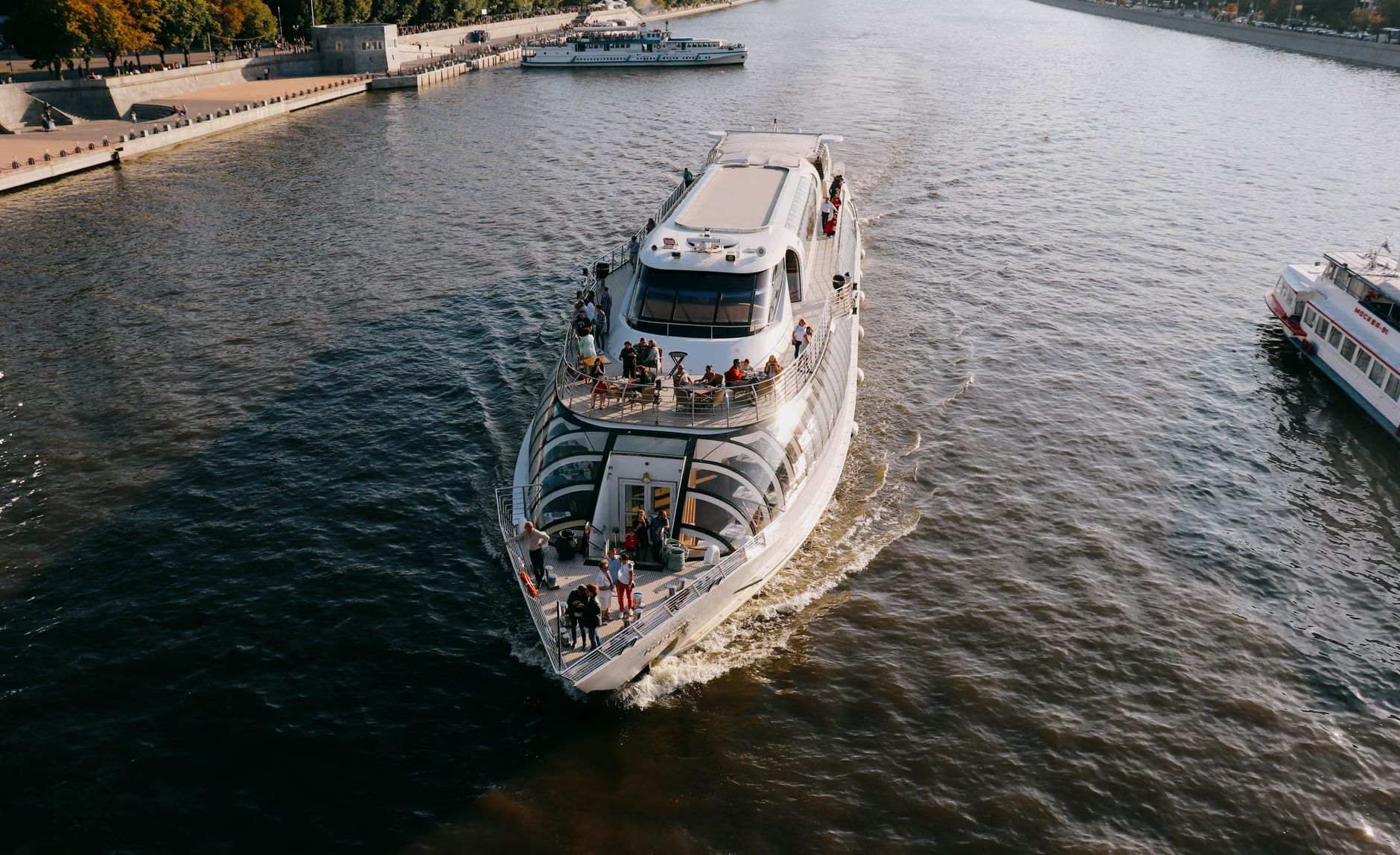
Not every canal tour requires you to be on foot. In fact, many of the world’s most famous historic canals are best experienced from the water, which provides a unique perspective without the physical strain of walking on uneven ground.
When to choose a boat tour:
- You are traveling with a companion who has limited mobility.
- The weather forecast suggests rain, which makes historic stone paths slippery.
- You want to cover a longer distance (e.g., seeing multiple locks or historic bridges) without the physical exertion.
When to choose a walking tour:
- You want the flexibility to stop and spend time at specific historic markers or nature spots.
- You prefer a slower, more meditative pace.
- You are confident in your balance and have the appropriate footwear for uneven surfaces.
Insight: Always ask the boat operator about the “boarding process.” A boat might be listed as “accessible,” but this could mean a small step at the gangplank or a ramp that is too steep during low tide. Ask for a photo of the boarding area if you have specific mobility concerns.
Safety and Health Considerations for Canal Walks
Safety on canal walks is largely about environmental awareness. Historic waterways are often shaded by trees or buildings, which can create micro-climates that are cooler or damper than the surrounding city.
Preventing Common Risks
- Thermal Regulation: Because canals are often at the lowest point of a landscape, they can be significantly cooler. Dress in layers that you can easily remove or add as you move from sunny open areas to shaded bridge underpasses.
- Hydration and Facilities: Many historic canal paths lack modern water fountains. Carry your own water and plan your route based on the availability of public restrooms. Do not assume that a “park” or “nature area” along the canal will have a functional, clean, or accessible toilet.
- Footwear: Choose shoes with high-traction soles and good ankle support. Avoid flat-soled sneakers if the route involves cobblestones, as these offer little protection against the impact of uneven surfaces.
Preparation Checklist for Your Canal Excursion
Before you leave your accommodation, ensure you have a “Safety Kit” for your excursion:
- Digital and Paper Maps: Do not rely solely on your phone. Batteries drain faster in the cooler, shaded air of a canal.
- Emergency Contact Information: Keep a card in your pocket with the address of your hotel and a local emergency number.
- Transport App: Have a local ride-sharing or taxi app pre-installed and tested.
- Medication: Keep a small supply of your essential daily medication in your day bag, just in case you are delayed.
Global Perspectives on Canal Tourism
Accessibility standards vary significantly by region. In the European Union, the “European Accessibility Act” is standardizing requirements, but implementation in historic city centers can be slow due to preservation laws. In the United Kingdom, the Canal & River Trust provides excellent, detailed accessibility guides for specific waterways. In the United States, the National Park Service manages many canal paths (like the C&O Canal), and they offer detailed information on “accessible portions” of these long-distance trails.
Always check the official website of the specific canal authority rather than general travel blogs. Blogs are often written by younger, more mobile travelers who may not notice the subtle hazards—such as a 2-inch lip on a bridge entrance—that could cause a trip or fall for a senior traveler.
Deep Dive: The Hidden Variables of Historic Paths
Beyond the obvious physical barriers, there are “hidden” variables that can impact your experience. One such factor is the “Lock-in” effect. Many canal paths are sunken below the level of the surrounding streets. This means that if you find yourself tired, you cannot simply walk “up” to the street level; you may have to walk several hundred meters to the next bridge or ramp to exit the path.
Another variable is maintenance cycles. Canal paths undergo seasonal maintenance. A path that is perfectly flat in the summer may be closed or diverted for dredging or repair in the spring. Always check the “Notices to Mariners” or “Path Closures” section of the canal authority’s website before you set out. This is a simple step that many travelers overlook, leading to frustration when they arrive at a blocked path.
Planning Your Itinerary: A Sample Approach
If you are planning a day trip, follow this structure to ensure safety and enjoyment:
- Morning (The Peak Energy Window): Schedule your walk for the morning when you are most alert and the path is likely to be less crowded.
- The “Lollipop” Route: Instead of a long linear walk, find a central hub (like a historic lock house or museum) and do short, 15-minute walks in either direction from that point. This keeps you close to facilities and transport.
- Afternoon (Restorative Activity): After your walk, pair the activity with a sedentary, accessible experience, such as a canal boat tour or a visit to a nearby museum. This balances physical activity with mental engagement without overstretching your stamina.
Conclusion: Taking the First Step
Historic canal walkways are a wonderful way to connect with the past, provided you approach them with realistic expectations and thorough preparation. By prioritizing accessible infrastructure, adhering to the “one-third” pacing rule, and identifying exit points before you start, you can turn a potentially challenging walk into a highlight of your trip.
Remember, the goal of travel is to enjoy the environment, not to conquer the distance. Take your time, verify your route, and choose the mode of transport—walking or boating—that best fits your needs for the day. Your safety and comfort are the foundations of a successful journey.
Frequently Asked Questions
1. How can I find out if a canal path is truly accessible for a wheelchair or walker?
Look for “Access Statements” on official canal authority websites. These documents often detail the exact width of the path, the material (e.g., asphalt vs. gravel), and the steepness of any bridge ramps. If no statement exists, contact the local tourism office and ask: “Is the path paved with asphalt, and are there any stairs without ramps?”
2. What should I do if I get tired halfway through a canal walk?
If you have followed the advice in this guide, you should have identified “exit points” on your map. If you are struggling, use your phone to locate the nearest exit point to a main road. From there, use a ride-sharing app or call a local taxi company. Never attempt to “push through” fatigue on an isolated path, as the physical toll can lead to balance issues and falls.
3. Are canal boat tours always better for seniors with mobility issues?
Not always. While boat tours remove the need for walking, boarding can be difficult. Always check with the operator about the boarding process. Ask: “Is the ramp to the boat step-free and does it remain stable during low tide?” If the boat has a steep, narrow staircase or requires a high step, it may not be suitable despite being a “boat tour.”
Official Resources for Planning:
– Canal & River Trust (UK Accessibility Guides)
– C&O Canal National Historical Park (Accessibility Information)