Key Takeaways:
- Standardized Visuals: The 2026 updates mandate high-contrast, non-text-dependent iconography across international airports to reduce cognitive load.
- Tactile and Acoustic Guidance: New requirements for floor-level tactile paths and standardized audio-loop systems ensure that travelers with sensory impairments can navigate terminals independently.
- Proactive Preparation: Older travelers can now request “Wayfinding Assistance Services” in advance, which airports are increasingly required to provide under the new global framework.
Understanding the 2026 Shift in Global Airport Wayfinding
For many travelers aged 60 and older, the modern airport can feel like a labyrinth of rapidly changing digital signs, confusing layouts, and high-speed crowds. Recognizing this, international aviation authorities have finalized a new set of “Global Standards for Age-Inclusive Wayfinding,” which officially take effect in 2026. This initiative isn’t just about making signs larger; it is a fundamental shift toward “intuitive navigation.”
The goal of these standards is to ensure that any traveler, regardless of their visual acuity, hearing capability, or cognitive processing speed, can move from the terminal entrance to their boarding gate without unnecessary stress. By prioritizing high-contrast visual cues, consistent logical flow, and redundant information systems, airports are moving away from the “survival of the fittest” model of travel toward an inclusive architecture that respects the stamina and needs of all age groups.
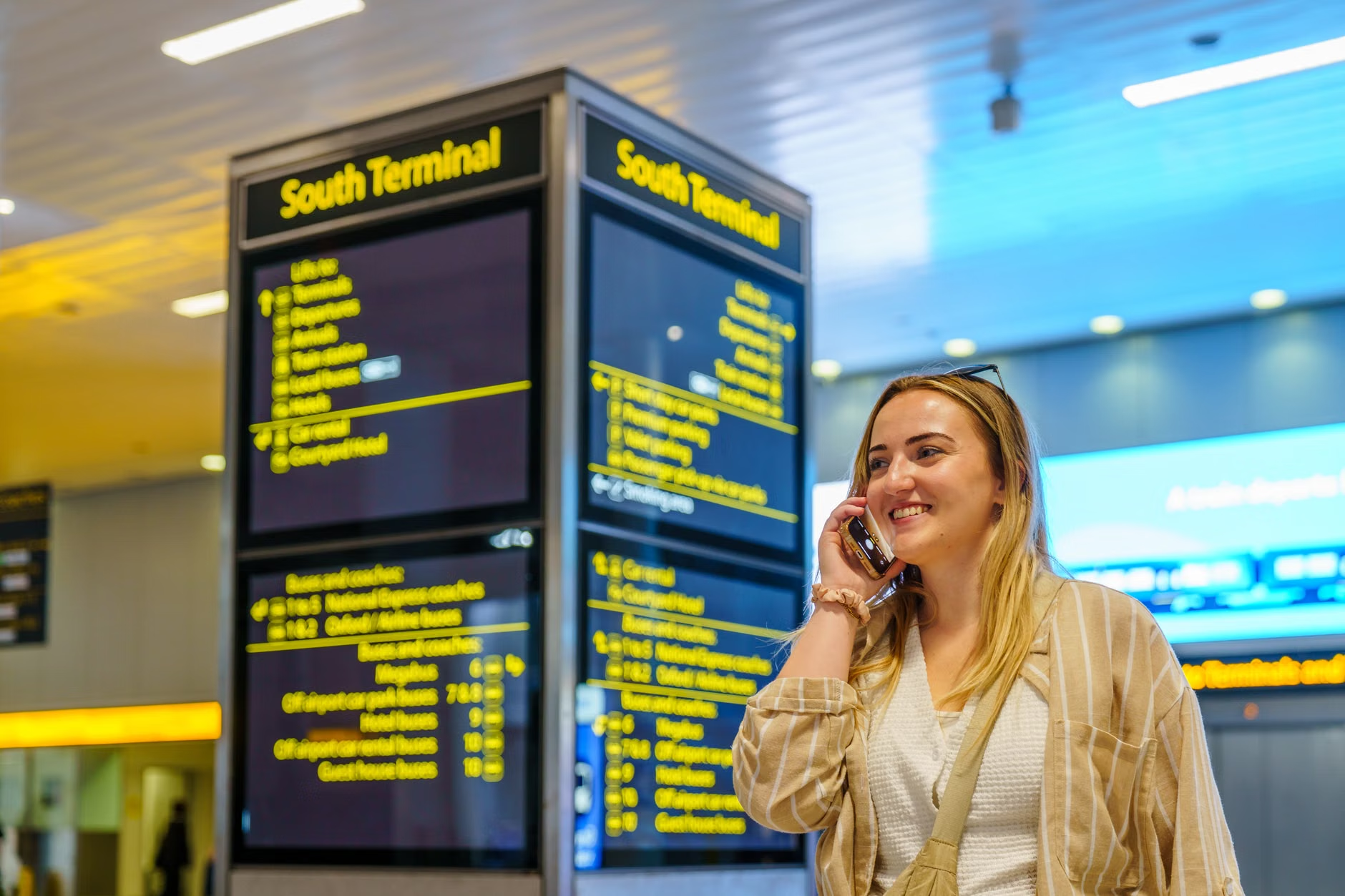
The Three Pillars of the 2026 Wayfinding Standards
The 2026 standards are built on three primary pillars designed to minimize the “cognitive burden” of navigating large, unfamiliar spaces. Understanding these pillars will help you anticipate what to look for during your next trip.
1. Visual Consistency and High Contrast
Before 2026, airports often used varying color schemes and font sizes, which can be disorienting. The new standards dictate that all primary directional signage must use high-contrast color combinations—typically dark blue or black text on a matte white or yellow background—to prevent glare, which is a common challenge for aging eyes. Furthermore, the use of universal icons (pictograms) is now mandatory, reducing the reliance on reading fast-moving text.
2. Redundant Sensory Information
Information must now be provided in at least two forms simultaneously. If a gate change occurs, it cannot be displayed on a screen alone; it must also be announced through a standardized, low-frequency audio system that minimizes background noise interference. This helps those who may struggle with hearing high-pitched public address systems.
3. Logical “Decision Point” Architecture
Airports are now required to place information kiosks and directional signs exactly where a traveler naturally stops to make a decision—such as at the intersection of two concourses or immediately after exiting security. This eliminates the need to backtrack or walk long distances in the wrong direction, conserving your physical stamina.
How to Leverage These Services for a Smoother Journey
Beyond the architectural changes, the 2026 standards require airports to provide specific, bookable support services. Many travelers assume these services are only for those with severe physical disabilities, but they are actually available to any passenger who requires extra time or guidance.
| Service Type | Who It Is For | How to Request |
|---|---|---|
| Wayfinding Assistance | Travelers who feel overwhelmed by complex layouts or have mobility fatigue. | Contact your airline at least 48 hours before departure. |
| Concierge Navigation | Travelers needing help with digital check-in kiosks or complex transfer flows. | Available at “Information Hubs” marked with the new international “Help Icon.” |
| Quiet-Zone Routing | Travelers sensitive to loud environments or high-stimulus crowds. | Request “Low-Stimulus Routing” through the airline’s special assistance portal. |
Practical Decision Criterion: If you find yourself feeling anxious about making a tight connection or navigating a multi-terminal airport, it is always better to request “Assistance” rather than trying to power through. Requesting help is not a sign of frailty; it is a smart strategy to manage your energy levels so you can enjoy your destination rather than arriving exhausted.
Safety and Stamina: Managing the “Last Mile” of the Airport
The “last mile” of the airport experience—the walk from the security checkpoint to the gate—is where most fatigue occurs. The 2026 standards introduce mandatory “rest nodes” every 50 meters in high-traffic corridors. These are not just benches; they are designed with armrests and back support to make sitting down and standing up easier for those with joint stiffness or reduced core strength.
Common Mistake: Many older travelers attempt to walk the entire distance to their gate immediately after clearing security. Instead, look for the new “Rest Node” signage. Taking a five-minute break every 50-75 meters can significantly reduce the risk of muscle cramps and cardiovascular strain during long transit periods.
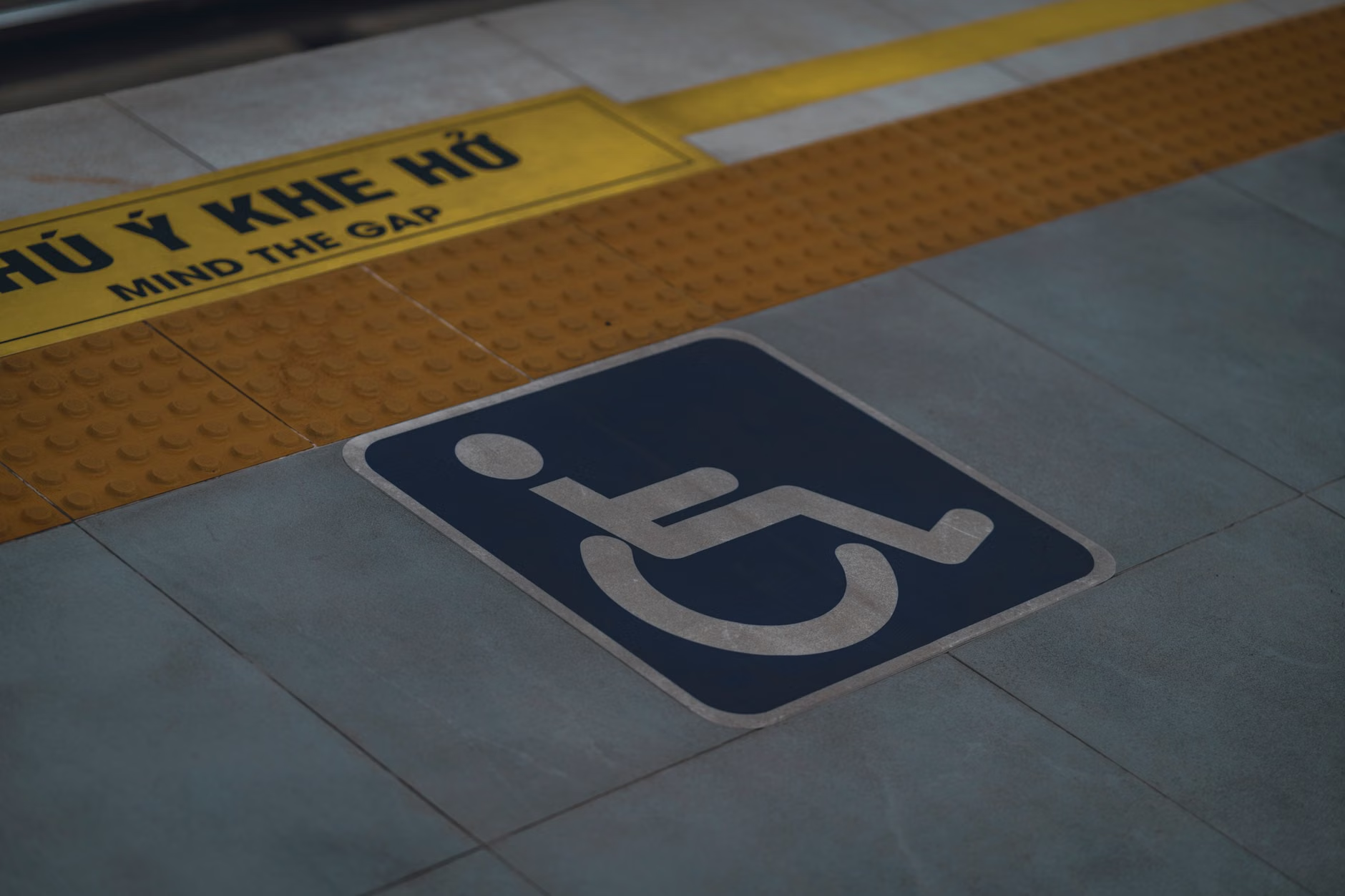
Furthermore, the introduction of “Floor-Level Tactile Paths” provides a physical guide for those with low vision. These paths are textured strips on the floor that lead directly to elevators, restrooms, and boarding gates. Even if you do not have a visual impairment, these paths are often the most direct, obstacle-free routes to your destination.
Preparation Checklist for Your Next Flight
While the infrastructure is improving, your personal preparation remains the most important factor in a smooth journey. Use this checklist to ensure you are ready for the 2026 standards:
- Digital Wallet Setup: Ensure your boarding pass is stored in your smartphone’s digital wallet. While physical copies are still accepted, digital versions are now integrated with airport wayfinding apps that provide real-time, turn-by-turn directions.
- Pre-Departure “Airport Map” Check: Visit the official website of the airport you are flying through. Under the 2026 standards, major international airports are required to provide an “Accessibility Map” that highlights elevators, rest areas, and the shortest routes to gates.
- Medication and Stamina Kit: Keep your essential medications, a bottle of water, and a light snack in a carry-on that is easy to access. Never place these in a bag that requires you to bend or reach into overhead bins.
- The 48-Hour Rule: Always confirm your special assistance requests with your airline at least 48 hours before your flight. This ensures the airport team has enough staff scheduled to meet your specific needs.

Addressing Hidden Inconveniences: The Reality of Implementation
It is important to note that while the “Global Standards for Age-Inclusive Wayfinding” are an international benchmark, the speed of implementation will vary by country. Large, modern hubs in Europe, North America, and East Asia are likely to be fully compliant by late 2026. However, smaller regional airports or older, retrofitted terminals may still be in the process of updating their infrastructure.
Insight: Do not rely solely on the expectation of perfect signage. Always carry a secondary navigation aid, such as a printed map of the airport or a pre-downloaded offline version on your phone. If you land in an airport that has not yet adopted the 2026 standards, you may find that the “old” way of navigating—relying on flight information display boards rather than digital apps—is still the most reliable method.
Another overlooked variable is the “Transfer Gap.” If you have a connecting flight, check whether you are changing terminals. Even with the best wayfinding standards, moving between terminals often involves train or bus shuttles. These shuttles are now required to have priority seating for seniors, but you must be prepared to assert your need for this seating if the vehicle is crowded.
Conclusion: Taking Control of Your Travel Experience
The 2026 global standards represent a significant victory for age-inclusive travel. By moving toward a system that prioritizes clarity, consistency, and physical comfort, airports are finally acknowledging that the experience of the journey is just as important as the destination. For the traveler aged 60 to 80, this means you can travel with greater confidence and less physical burden than ever before.
The most important step you can take is to move from being a passive traveler to an active, informed one. By understanding these new standards, utilizing pre-booked assistance services, and strategically using the new rest areas, you are not just following rules; you are using the tools designed to keep you safe, comfortable, and independent. Your next journey should be defined by the excitement of where you are going, not the stress of how you get there.
Frequently Asked Questions
Q: Are these new wayfinding services free of charge?
A: Yes. Under the international standards, accessibility assistance, including wayfinding support and wheelchair services, must be provided free of charge by the airline or airport authority. You should never be asked to pay for these essential services.
Q: What if the airport I am traveling through is not yet compliant with the 2026 standards?
A: While the standards are global, implementation is phased. If you are traveling through an older terminal, prioritize looking for “Information Desks” or “Assistance Points” immediately upon entering the airside area. Airport staff are trained to assist travelers who find the signage confusing, regardless of the terminal’s age.
Q: How do I know if my airline supports these new wayfinding features?
A: Most major international airlines have updated their “Special Assistance” pages to reflect these new standards. You can check their website or call their customer service line. If you are booking through a travel agent, ensure they explicitly add the “Assistance Request” code to your booking record.
For further information on global aviation accessibility standards, you can refer to the International Air Transport Association (IATA) guidance on passenger accessibility.