- Weight is the primary enemy of stamina: For heritage train travel, limit your luggage to one rolling carry-on and one personal item to ensure you can navigate station platforms and boarding ramps independently.
- Climate-responsive layering is essential: Desert routes experience extreme temperature swings; use a moisture-wicking base layer and a light, windproof outer shell to adapt instantly without overpacking.
- Accessibility requires preparation: Contact train operators at least 48 hours in advance to confirm platform accessibility and request assistance for boarding if you have mobility limitations.
The Philosophy of Minimalist Travel for Heritage Rail
For many travelers aged 60 to 80, the romance of heritage train travel—winding through desert landscapes, historic bridges, and remote stations—is a highlight of retirement. However, the reality of vintage rail infrastructure often contrasts with modern accessibility standards. Platforms may be narrow, staircases steep, and assistance staff limited. Minimalist packing is not just a trend; it is a critical strategy for maintaining your autonomy, energy, and safety throughout the journey.
When we talk about “minimalism” in this context, we are not suggesting you sacrifice comfort. Instead, we are advocating for the elimination of “what-if” baggage. Every item you carry consumes physical energy and cognitive bandwidth. By streamlining your luggage, you reduce the risk of strain, minimize the time spent managing belongings at transfers, and increase your mobility in crowded station environments.
The goal is to maintain total control over your gear. If you cannot manage your luggage onto a boarding ramp or into an overhead rack without assistance, you are effectively tethered to the availability of porters or station staff. Independence is the ultimate luxury in travel.
Strategic Packing: The “One-Rolling-Carry-On” Rule
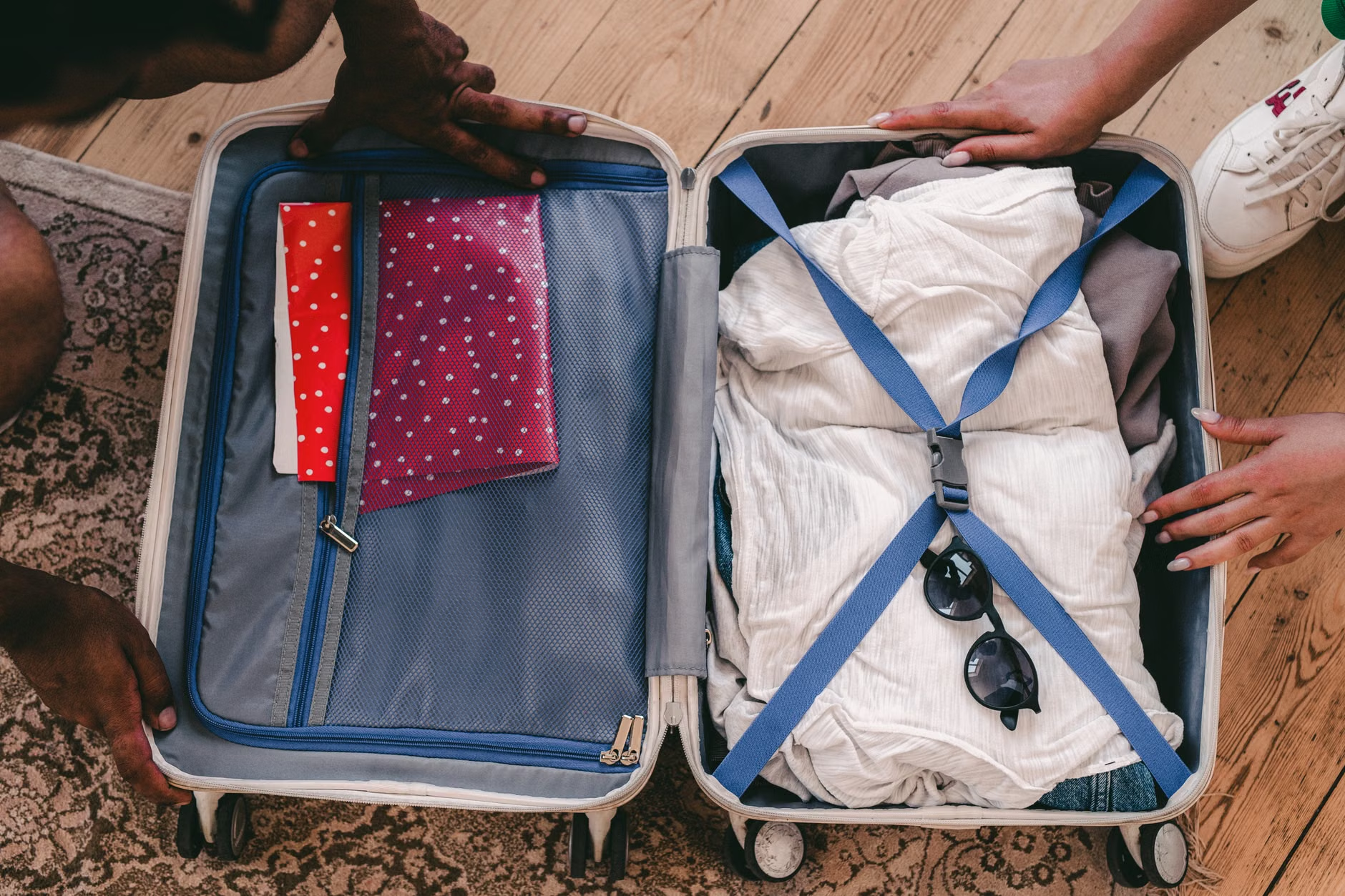
The core of minimalist travel is the modular approach. For a trip lasting 7 to 10 days, you should aim for a single four-wheeled carry-on suitcase and one personal item (such as a structured tote or a small, ergonomic backpack). Four-wheeled “spinner” luggage is superior for seniors because it requires zero lifting or tilting, allowing the bag to glide alongside you rather than dragging behind you, which protects your lower back and shoulder joints.
The Modular Packing Cube System
Packing cubes are not just organizational tools; they are accessibility aids. When you arrive at your sleeper cabin, you do not need to dump your entire suitcase to find one item. With cubes, you can lift the specific “outfit cube” or “toiletries cube” directly onto a shelf or seat.
| Category | Packing Strategy | Why It Matters for Seniors |
|---|---|---|
| Clothing | Merino wool or synthetic blends | These fabrics are lightweight, wrinkle-resistant, and regulate temperature better than cotton, reducing the total number of items needed. |
| Footwear | One pair of supportive walking shoes (worn) + one pair of lightweight sandals/flats (packed) | Footwear is the heaviest part of any bag. Prioritize arch support and slip-resistance. |
| Toiletries | Solid-state items (shampoo bars, sticks) | Eliminates liquid restrictions and prevents spills, reducing the weight and complexity of your carry-on. |
Managing the Desert Microclimate
Desert heritage routes—such as those found in the American Southwest, the Australian Outback, or the arid regions of North Africa—are characterized by extreme diurnal temperature variation. It is common for the temperature to drop 20°C (36°F) from midday to evening. Overpacking heavy coats is a common mistake that leads to fatigue.
Instead, use the Three-Layer Rule:
- Base Layer: A moisture-wicking, long-sleeved shirt that pulls sweat away from the skin.
- Mid Layer: A lightweight fleece or merino sweater that provides insulation without bulk.
- Outer Shell: A windproof, water-resistant jacket. Wind is the primary factor that makes a desert evening feel colder than it is.
By wearing your heaviest items on the train, you save critical space in your suitcase. A common mistake is packing for the “coldest possible moment” rather than the “average temperature.” Remember, trains are climate-controlled environments; your primary concern is comfort during the occasional station walk or platform transfer.
Accessibility and Mobility: What to Expect on Heritage Routes
Heritage rail lines often operate on historic tracks and vintage rolling stock. While many have been retrofitted for accessibility, they do not always match the seamless experience of a high-speed commuter train. Before you board, you must assess your personal mobility requirements against the specific route.
The Pre-Trip Accessibility Audit
Do not assume that “accessible” means the same thing in every country. In the United Kingdom, for instance, many heritage lines are run by volunteers and may have very specific ramp requirements. In the United States, Amtrak heritage routes must comply with the Americans with Disabilities Act (ADA), but older station architecture may still present challenges.
Actionable Step: Call the customer service line of the specific train operator. Do not rely on website FAQs alone. Ask these three questions:
- “What is the exact height of the boarding gap between the platform and the train car?”
- “Are there stairs inside the train car to navigate between the boarding door and the seating area?”
- “If I am traveling with a walking aid, is there a designated storage area near my seat, or must it be checked in the luggage car?”
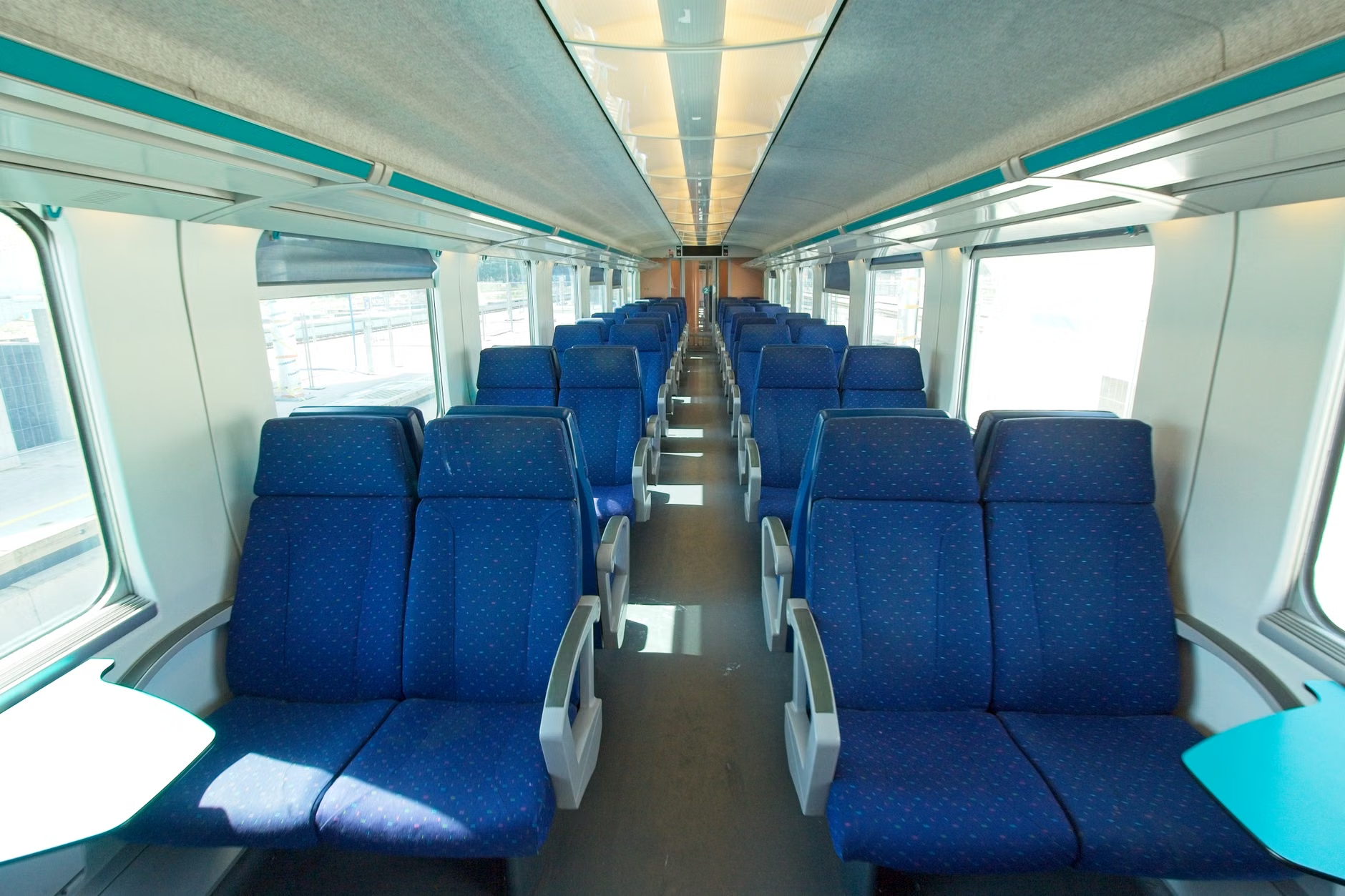
If you have limited stamina, request a seat near the boarding door or the restroom. Many heritage trains have long corridors that can be difficult to navigate while the train is in motion. Being close to the entrance minimizes the distance you need to walk when the train stops at a station.
The Personal Item: Your “Survival” Kit
Your personal item (the bag that stays at your feet) is your most important piece of luggage. It should contain everything you need for the next 12 hours, regardless of whether your main suitcase is accessible. This is your insurance against delays, lost luggage, or unexpected fatigue.
Essential Contents Checklist
- Medication: Always carry at least 48 hours of extra medication beyond your trip duration. Keep these in their original pharmacy containers to avoid customs confusion.
- Hydration: Desert air is dehydrating. Pack a reusable, insulated water bottle.
- Digital Documents: Carry a physical copy of your boarding passes, rail passes, and hotel addresses. Do not rely solely on a smartphone, which can run out of battery or lose signal in remote desert areas.
- Power Bank: A high-capacity portable charger is essential. Many heritage trains do not have power outlets at every seat.
- Noise-Canceling Earplugs: Vintage trains are often louder than modern ones. Protecting your hearing and helping yourself get rest is vital for maintaining energy levels.
Consider the weight of this bag carefully. A heavy bag on your shoulder can cause neck and back strain, which will ruin your trip before it begins. Use a bag with a wide, padded strap or a small backpack with a chest strap to distribute the weight across your torso rather than just your shoulder.

Practical Strategies for Daily Wellbeing on the Tracks
Travel is physically demanding, especially for seniors. The change in routine, altitude, and diet can affect your health. The key is to manage your “energy budget” throughout the day.
Avoiding the “Tourist Trap” of Exhaustion
The most common mistake is trying to see every sight at every station stop. When the train stops for a 20-minute heritage tour or a photo opportunity, you do not have to leave the train. If you are feeling fatigued, staying in your seat and enjoying the scenery through the window is a perfectly valid and often more relaxing way to experience the journey. Listen to your body—if you feel a dip in energy, prioritize rest over sightseeing.
Nutrition and Hydration Management
Heritage trains often have limited dining options, and the food provided may be high in sodium. Excessive sodium leads to water retention and bloating, which can make long periods of sitting uncomfortable. Pack your own healthy, low-sodium snacks such as unsalted nuts, dried fruits, or whole-grain crackers. These provide sustained energy without the “crash” associated with sugary snacks.
Managing Blood Flow
Sitting for long periods on a train increases the risk of lower-limb swelling. Even if you are not prone to it, the change in cabin pressure and altitude can exacerbate the issue. Perform simple seated exercises: flex your ankles, rotate your feet, and periodically stand to walk the length of the aisle if it is safe to do so. Compression socks are highly recommended for journeys longer than four hours; ensure they are professionally fitted to avoid constriction.
Advanced Considerations for Long-Distance Rail
If you are planning a multi-day journey, the quality of your sleep is the deciding factor in whether you enjoy the trip or merely survive it. Most heritage sleeper cars are compact. The bed may be a bunk, and the space for luggage will be minimal. This is where your minimalist packing truly pays off. If you have only one carry-on, you can fit it under the bottom bunk or in the designated storage rack with ease.
If you are traveling with a partner, coordinate your packing. One of you should not be responsible for all the heavy lifting. If both of you carry a small, manageable bag, you maintain your independence. If one person is carrying a heavy suitcase and the other is carrying nothing, you have created a dependency that can cause stress and tension during the trip.
Conclusion: The Art of Traveling Light
Minimalist packing for heritage train routes is about more than just fitting your life into a suitcase; it is about curating your travel experience to prioritize your comfort and autonomy. By choosing the right gear—four-wheeled spinners, modular packing cubes, and a well-organized personal item—you remove the physical barriers that often make travel difficult as we age.
Focus on the essentials: mobility, climate-appropriate layers, and adequate preparation for accessibility challenges. When you are not worried about your luggage, you are free to enjoy the rhythmic clatter of the tracks and the shifting colors of the desert landscape. Travel is meant to be a joy, and by simplifying your baggage, you are investing in the quality of your memories.
Your next step is to conduct a “dry run” at home. Pack your suitcase, put on your walking shoes, and walk around your house or local park for 20 minutes. If you find yourself struggling, remove items until you can move with ease. The lighter your bag, the further you can go.
Frequently Asked Questions (FAQ)
1. How can I ensure my medication stays safe and accessible during a long train trip?
Keep all essential medications in your personal item bag, never in checked luggage. Use a clear, spill-proof organizer for your daily doses, but always carry the original pharmacy labels in a separate pouch for customs or medical emergencies. If you are crossing international borders, ensure you have a copy of your prescription from your doctor, as some desert-heritage routes cross jurisdictional lines with different regulations regarding controlled substances.
2. What if the train station platform is higher than the train door?
This is a common issue on older heritage lines. When you book your ticket, explicitly mention your mobility needs. Most heritage lines have portable ramps or bridge plates that staff can deploy. If they inform you that they cannot accommodate your needs at a specific station, consider choosing a different boarding point or arranging for a private transfer to a more accessible station nearby. Never attempt to “step up” a high gap without assistance, as this is a primary cause of travel-related falls.
3. Are there specific fabrics I should avoid for desert travel?
Avoid heavy denim and thick cottons. In the desert, these fabrics trap sweat and dry slowly, which can lead to chafing and discomfort. Furthermore, they are heavy and take up valuable space in your luggage. Instead, opt for performance fabrics like merino wool or specialized travel synthetics. These materials are lightweight, odor-resistant, and dry quickly, allowing you to wash them in a hotel sink and have them ready to wear by the next morning.
Official guidance on accessible travel can be found at the Americans with Disabilities Act (ADA) website for U.S.-based travel, or the UK Government Transport Accessibility guide for international rail standards. Always verify specific operator policies at least 48 hours before departure.