- Verify Surface Materials: Historic conservatories often feature original stone or brick; prioritize venues that offer leveled pathways or rubberized overlays to prevent tripping.
- Check for ‘Climate Zoning’: Conservatories vary in humidity and heat; always confirm the specific temperature of the zones you plan to visit to manage respiratory or cardiovascular comfort.
- Pre-Visit Logistics: Use digital accessibility maps or call the visitor services desk 48 hours in advance to reserve mobility equipment like wheelchairs or to confirm elevator functionality.
The Appeal of Historic Conservatories for Mature Travelers
Botanical conservatories are architectural marvels that offer a unique intersection of history, horticulture, and climate-controlled recreation. For travelers aged 60 to 80, these sites provide an ideal environment for gentle exercise, aesthetic enjoyment, and social connection. Unlike expansive outdoor gardens that may require significant stamina and exposure to unpredictable weather, historic glasshouses offer a curated, protected experience.
However, the very features that make these sites “historic”—such as narrow walkways, original flooring, and tiered displays—can present challenges for those with limited mobility or stamina. This guide helps you evaluate these sites not just by their beauty, but by their practical accessibility and infrastructure, ensuring your visit is restorative rather than exhausting.
Evaluating Mobility: Beyond the ‘Wheelchair Accessible’ Label
When a website claims to be “accessible,” it often refers to a broad legal compliance standard. For an older traveler, this is rarely sufficient. You must look for nuances that affect your specific needs, whether you use a cane, a walker, or simply require flat, stable terrain.
Common Accessibility Pitfalls in Historic Structures:
- Inconsistent Flooring: Historic conservatories often use cobblestone, uneven flagstone, or brick. These surfaces can be hazardous for those with balance issues or those using wheeled mobility aids.
- Grade and Slope: Many 19th-century conservatory designs feature “mountain” or “rockery” displays that include steep, narrow ramps. Always identify if the primary path is flat or if it features significant inclines.
- Thresholds: Heavy, historic iron door frames often have raised thresholds that act as trip hazards. Check if the venue has installed ramps over these doorways.
Actionable Step: Use Google Street View (if available) or the venue’s official “Accessibility” page to look for photos of the flooring. If the photos only show distant shots of plants, call the visitor desk and ask, “Is the primary path through the main greenhouse flat and paved with smooth concrete or solid flooring, or is it original stone?”
| Surface Type | Mobility Rating | Best For |
|---|---|---|
| Smooth Poured Concrete | Excellent | Walkers, canes, and wheelchairs |
| Brick/Pavers | Moderate | Sturdy shoes; may be bumpy for wheels |
| Original Stone/Cobblestone | Low | Requires high caution; avoid with mobility aids |
Managing Stamina and Thermal Comfort
A frequently overlooked factor in conservatory travel is the internal climate. These structures are designed to mimic tropical or arid environments. A conservatory might be 25°C (77°F) with 80% humidity, even when it is a cool 15°C (59°F) outside. For individuals with heart conditions or respiratory sensitivities, this sudden change in ambient conditions can be taxing.
The ‘Pacing Strategy’ for Conservatory Tours
Instead of attempting to see the entire conservatory in one go, adopt a modular approach. Most historic conservatories are divided into “rooms” or “wings” (e.g., the Palm House, the Orchid Room, the Desert House).
- The 20-Minute Rule: Spend no more than 20 minutes in a high-humidity zone before exiting to an atrium or outdoor area to stabilize your heart rate and body temperature.
- Identify Seating Clusters: Before entering, check the map for “Resting Nodes.” If a map does not indicate benches, assume there will be limited seating and consider bringing a portable cane-seat if your stamina is limited.
- Hydration Logistics: Humidity accelerates dehydration without the sensation of thirst. Carry a water bottle, as historic venues rarely have water fountains inside the plant displays themselves.
Infrastructure and Support Services
Before leaving for your trip, investigate the specific administrative support the conservatory offers. Many historic sites operate with limited staff, and “on-demand” assistance may not be available.
Pre-Visit Checklist:
- Equipment Rental: Confirm if the facility provides free or rental wheelchairs. Ask if they are “heavy-duty” or standard, and if they require a deposit.
- Elevator Reliability: If the conservatory has multiple levels (common in Victorian glasshouses), check their website or call to ensure the lift is currently in service. A broken lift in a historic building can ruin a trip.
- Restroom Proximity: In large, historic gardens, the entrance restroom might be the only one for half a kilometer. Plan your route to ensure you are never too far from a facility.
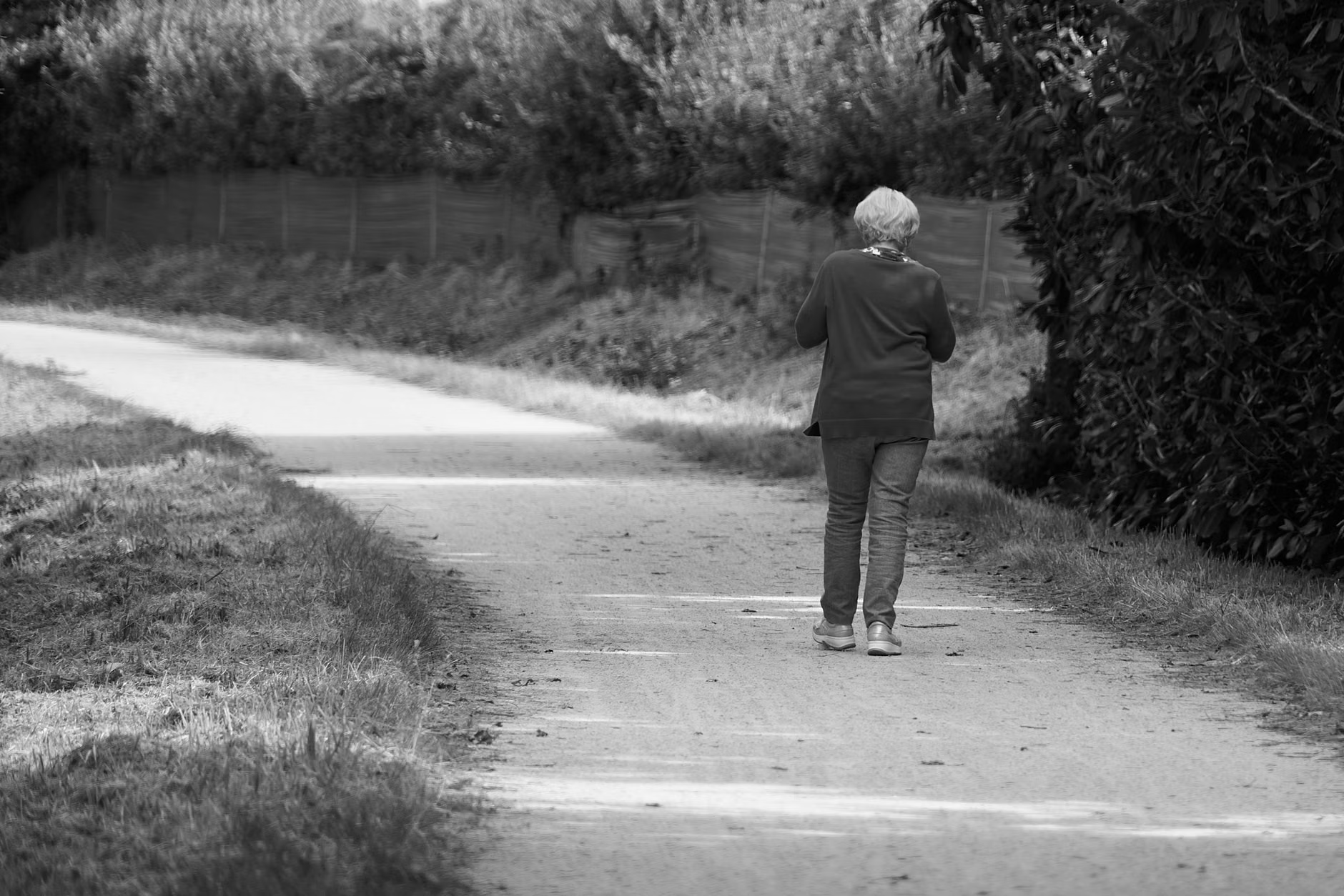
Historic conservatories are often located in larger botanical gardens that were established in the 18th or 19th centuries. These sites are often sprawling. A common mistake is assuming that the conservatory is the only walking you will do. The walk from the parking lot or the nearest public transit stop to the conservatory entrance can be longer than the tour inside.
Transportation Considerations:
- Shuttle Services: Check if the botanical garden offers an internal tram or shuttle service. Many large, historic gardens (such as the Royal Botanic Gardens, Kew, in the UK or the New York Botanical Garden in the US) offer golf-cart style transport.
- Drop-off Zones: If you are arriving by taxi or private car, check if there is a specific “accessible drop-off” point closer to the conservatory entrance than the general parking lot.

Practical Decision-Making: Which Conservatory is Right for You?
When choosing between different sites, use the following criteria to evaluate their suitability for your specific mobility level:
- The “Modernized” Conservatory: These are historic shells that have undergone significant renovations. They are the best choice for those with mobility aids, as they feature modern ramps, elevators, and wide, level floors.
- The “Preservation-First” Conservatory: These prioritize maintaining the original architectural integrity. They may have narrow aisles, steep steps, and uneven surfaces. These are often better suited for those who can walk independently and have excellent balance.
Insight: Always check the “Events Calendar” for the conservatory. Avoid visiting during major flower shows or festivals. These events attract high volumes of people, making it difficult to navigate at your own pace and nearly impossible to find a seat to rest.

Conclusion: Crafting a Sustainable Visit
The key to enjoying a historic botanical conservatory is intentional planning that prioritizes your physical comfort over the desire to see every corner of the exhibit. By evaluating the flooring, understanding the climate management, and confirming the availability of transport and seating, you can transform a potentially strenuous outing into a relaxing and enriching experience. Remember that the beauty of a garden is best appreciated when you are not focused on your next step or your physical fatigue.
Start your planning by visiting the official websites of the botanical gardens you intend to visit. Look for a section titled “Accessibility” or “Visitor Information.” If the information is vague, do not hesitate to call the visitor services department directly. A five-minute phone call can provide more clarity on path conditions and accessibility than hours of online searching.
Frequently Asked Questions
Q1: Should I bring my own mobility aid to a botanical conservatory?
A: It is generally safer to bring your own, as rental equipment at public sites is often limited in number and may be unavailable on high-traffic days. If you use a scooter, call ahead to ensure the conservatory’s doorways and elevators can accommodate its dimensions.
Q2: Are botanical conservatories safe for people with asthma or allergies?
A: The high humidity and presence of concentrated pollen in enclosed conservatories can trigger respiratory issues. If you have severe allergies or asthma, consult your doctor before visiting and always carry your prescribed medication. Consider visiting during the early morning when pollen counts are generally lower.
Q3: How do I find out if a conservatory has a shuttle service?
A: Check the “Getting Here” or “Visitor Map” page on the botanical garden’s official website. Look for symbols representing a tram or shuttle. If it is not listed, call the visitor services desk and ask, “Is there an internal transport service available for visitors with limited mobility?”
Sources and Further Reading:
Royal Botanic Gardens, Kew – Accessibility Guide
New York Botanical Garden – Accessibility Information
Botanic Gardens Conservation International (For global garden directories)