- Photography clubs offer a structured social environment that combines physical activity with creative expression, proven to reduce feelings of isolation.
- Mastering modern digital camera settings and photo-editing software provides ongoing cognitive stimulation and builds digital literacy.
- Choosing the right club requires balancing your specific interests—such as nature, portraiture, or technical editing—with the club’s meeting accessibility and social culture.
Joining a community digital photography club is more than a hobby; it is a gateway to maintaining cognitive sharpness, expanding social circles, and engaging with the world through a creative lens. For adults aged 60 to 80, the transition into retirement or a slower pace of life often creates a “social vacuum.” Replacing professional networks with meaningful community interactions is essential for long-term health. Photography provides a unique intersection of technical learning, physical movement, and artistic storytelling that keeps the mind agile and the spirit connected.
The Cognitive and Social Benefits of Group Photography
When you engage in photography, you are not just capturing an image; you are making hundreds of micro-decisions. You are analyzing light, framing a subject, adjusting exposure, and anticipating movement. This process acts as a form of cognitive training. Research suggests that engaging in complex, novel activities—like learning the nuances of digital aperture and shutter speeds—can help maintain executive function and working memory.
Beyond the individual, the social value of a club is profound. Unlike solitary hobbies, photography clubs are inherently collaborative. They function as a “third space”—a location outside of work and home where you meet people with shared interests. This reduces the risk of social isolation, which has been linked to various physical health complications. In a club setting, you are not just a “senior”; you are a photographer, a peer, and a mentor.
How Photography Promotes Healthy Aging
Photography encourages “active observation.” Instead of walking through a park as a passive exercise, a photographer looks for patterns, textures, and changes in the light. This shift in mindset transforms routine walks into purposeful outings. It forces the brain to remain alert and curious, qualities that are essential for healthy aging.
| Activity Type | Cognitive Benefit | Social Benefit |
|---|---|---|
| Photo Walks | Spatial awareness & focus | Group bonding & conversation |
| Review Sessions | Critical thinking & feedback | Building shared history/trust |
| Editing Workshops | Digital literacy & problem solving | Mentorship & peer support |
Selecting the Right Photography Club for Your Needs
Not all photography clubs are the same. Some focus heavily on the technical aspects of camera equipment, while others prioritize the social aspect of group outings. When searching for a club, consider your current level of experience and your physical comfort needs.
Evaluating Club Culture and Accessibility
Before committing to a membership fee or a long-term schedule, attend a trial meeting. Observe the following criteria to ensure the club fits your lifestyle:
- Pacing: Do they prioritize “photo walks” that involve long distances, or are they stationary studio-based groups? If you have concerns about stamina, look for clubs that emphasize local, accessible venues.
- Technical Focus: Some clubs are “gear-heavy,” focusing on the latest cameras. Others are “art-heavy,” focusing on composition. Ensure the club’s focus matches your interest.
- Accessibility: Are meeting spaces equipped with elevators, accessible restrooms, and adequate seating? Does the group provide digital alternatives for those who cannot attend in person?

Overcoming the Technical Learning Curve
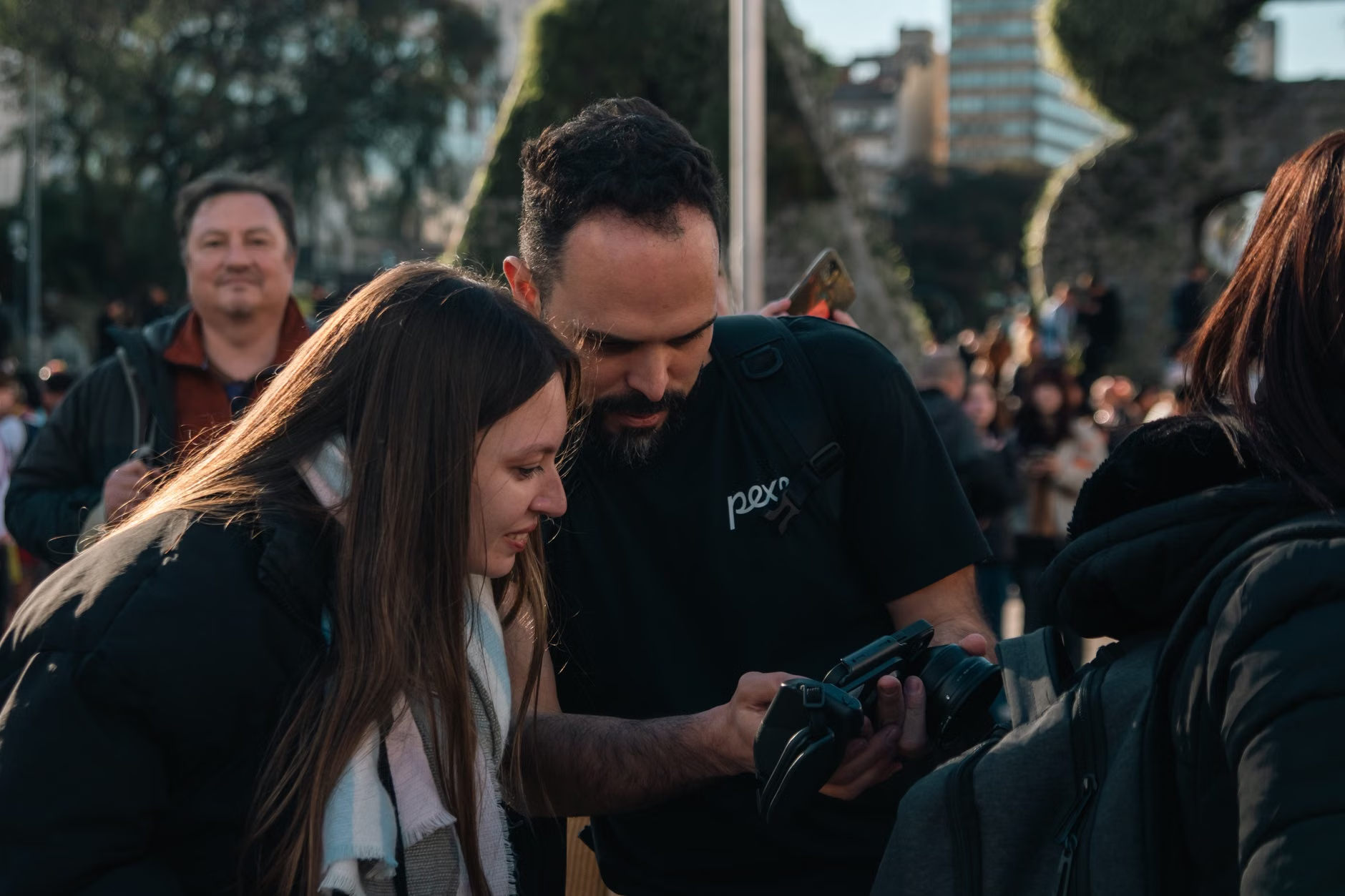
A common barrier for many older adults is the fear of “not being tech-savvy enough.” Modern digital cameras and editing software like Adobe Lightroom or free alternatives like GIMP can seem intimidating. However, photography clubs are the ideal environment to bridge this gap. In a group setting, you can learn through peer-to-peer demonstration rather than struggling with a manual alone.
A Step-by-Step Approach to Digital Confidence
- Start with familiar tech: You do not need a professional camera to start. Your smartphone is a powerful tool. Learn to use its “Pro” or “Manual” mode before investing in expensive equipment.
- The 15-Minute Rule: Spend no more than 15 minutes a day learning one specific feature (e.g., how to adjust exposure). Over-studying leads to frustration.
- Ask for “Show, Don’t Tell”: When joining a club, ask a member to show you their workflow. Watching someone else edit a photo is significantly more effective than reading a tutorial.
Common Mistake: Many beginners rush to buy the most expensive gear, thinking it will automatically result in better photos. In reality, understanding light and composition is far more important than the camera model. Start with a budget-friendly used camera or your current phone to see if you enjoy the hobby before making a significant financial investment.
The Importance of Safety and Stamina in Field Photography
Photography often involves traveling to different locations, carrying equipment, and spending time on your feet. For the 60-80 age group, safety and comfort are paramount. Planning your outings effectively ensures that you enjoy the experience without compromising your physical wellbeing.
Planning for a Successful Photo Outing
If your club organizes a field trip, check the following details before signing up:
- Terrain: Is the location flat, or does it involve stairs, gravel, or steep inclines?
- Rest Stops: Is there seating available? If you are prone to fatigue, bring a lightweight, portable stool.
- Equipment Weight: Keep your kit light. A heavy camera bag can cause back and shoulder strain. Use a camera strap that distributes weight across your torso rather than your neck.
- Hydration and Nutrition: Always carry water and a snack, especially when you are focused on photography and may forget to monitor your physical needs.
If you have mobility limitations, communicate these to the club organizer. Many groups are more than willing to suggest accessible routes or coordinate carpooling to minimize walking distances.
Hidden Nuances: The “Third Space” Effect
Beyond the obvious benefits, there is a subtle, often overlooked advantage to photography clubs: the “Third Space” effect. Sociologists describe a third space as a place where you are not defined by your professional status, your family role, or your medical history. In a photography club, you are defined by your vision and your work.
This is particularly important for those who have recently retired. After years of defining oneself by a career, the loss of that identity can be jarring. Photography allows you to build a new identity as a “creator.” This shift in self-perception can have a profound impact on mental health, fostering a sense of purpose and continued growth.
One potential challenge in any multi-generational club is the gap in digital literacy. If you feel overwhelmed by the technical jargon used by younger members, do not be afraid to advocate for yourself. Ask: “Can you explain that in plain language?” You will often find that others in the group are relieved you asked, as they were also confused but too shy to speak up.
Resources and Official Guidance
If you are looking for local clubs, start by checking your local community center or library websites. Many offer “digital literacy” or “senior hobby” groups that include photography. For those interested in the science of aging and social connection, the World Health Organization’s resources on healthy aging provide excellent context on why social engagement is a cornerstone of wellbeing.
For more information on the impact of social participation on health, visit: WHO Ageing and Health Fact Sheet.
Conclusion: Taking the First Step
Photography is a lifelong pursuit that rewards patience, curiosity, and connection. Whether you are aiming to document your travels, capture family memories, or simply find a reason to step outside, a photography club provides the structure and companionship to make it happen. Start by identifying one local group, attending a single session, and observing how it feels to be part of a community that values your unique perspective.
Frequently Asked Questions (FAQ)
1. Do I need an expensive camera to join a photography club?
No. Most clubs welcome members who use smartphones or entry-level cameras. The focus of these groups is generally on composition, storytelling, and social interaction, not on having the most expensive equipment. Start with what you have and learn the basics before deciding if you want to upgrade.
2. I have mobility issues. Can I still participate in a photography club?
Yes. Many clubs offer indoor workshops, editing classes, and field trips to accessible venues. Before joining, ask the club coordinator about their typical meeting locations and whether they can accommodate specific accessibility needs. Being transparent about your requirements will help the club ensure you are comfortable.
3. How do I find a photography club in my area?
Start by searching online for “photography clubs near me” or “senior photography groups.” Additionally, check the notice boards at your local community center, library, or senior center. You can also look for national photography associations in your country, which often maintain directories of local chapters.