- Enhanced Depth Perception: New 2026 lighting standards prioritize high-contrast illumination and color temperature uniformity to help older adults better judge step heights and platform gaps.
- Reduced Glare and Flicker: Global transit authorities are transitioning to flicker-free LED systems to minimize visual discomfort and disorientation for those with light sensitivity.
- Uniformity vs. Intensity: The focus is shifting from “brighter is better” to “even distribution,” which reduces shadows that can cause tripping hazards or psychological discomfort in transit hubs.
2026 Global Transit Lighting Standards: Enhancing Safety and Accessibility for Older Adults
As of 2026, major global transit authorities in regions including the European Union, Japan, and parts of North America have begun implementing updated lighting standards specifically designed to accommodate the visual needs of an aging population. For travelers aged 60 to 80, these changes are not merely cosmetic; they represent a fundamental shift in how public infrastructure accounts for changes in human vision, such as reduced contrast sensitivity, slower adaptation to light-to-dark transitions, and increased sensitivity to glare.
This article explores what these 2026 shifts mean for your daily commute and travel plans, how they aim to mitigate fall risks, and what you can expect when navigating transit hubs in the coming years.

Understanding the Visual Challenges of Aging in Transit
Before diving into the technical shifts, it is essential to understand why lighting is a primary concern for older adults in transit environments. As we age, the crystalline lens of the human eye undergoes physical changes. It often becomes denser and slightly yellowed, which reduces the amount of light that reaches the retina and diminishes the ability to distinguish between colors of similar hues—a phenomenon known as reduced contrast sensitivity.
In a transit environment, this can lead to several practical issues:
- Difficulty identifying step edges: When a platform and a vehicle floor are of similar colors and poorly lit, the edge can effectively “disappear,” leading to a high risk of tripping.
- Adaptation lag: Entering a dark station from a bright sunny street can cause temporary blindness, increasing the risk of falls on stairs or escalators.
- Glare sensitivity: Older eyes are more susceptible to glare from polished surfaces or poorly shielded light fixtures, which can cause significant discomfort and momentary disorientation.
The 2026 Shift: From “Bright” to “Functional” Lighting
In the past, transit lighting was often designed for energy efficiency or aesthetic appeal. The 2026 guidelines, however, are rooted in “human-centric lighting” (HCL). This approach prioritizes how light affects the biological and functional needs of the commuter. Instead of simply increasing the number of bulbs, authorities are focusing on the quality of light.
1. High-Contrast and Color Rendering Index (CRI) Requirements
New standards mandate a higher Color Rendering Index (CRI) for lighting in transit hubs. A higher CRI means that colors are rendered more accurately, making it easier for older adults to distinguish between a handrail, a wall, and a stair tread. By using light that mimics natural daylight, transit hubs are effectively removing the “visual fog” that low-quality, yellow-tinted lighting often creates.
2. Eliminating Flicker and Stroboscopic Effects
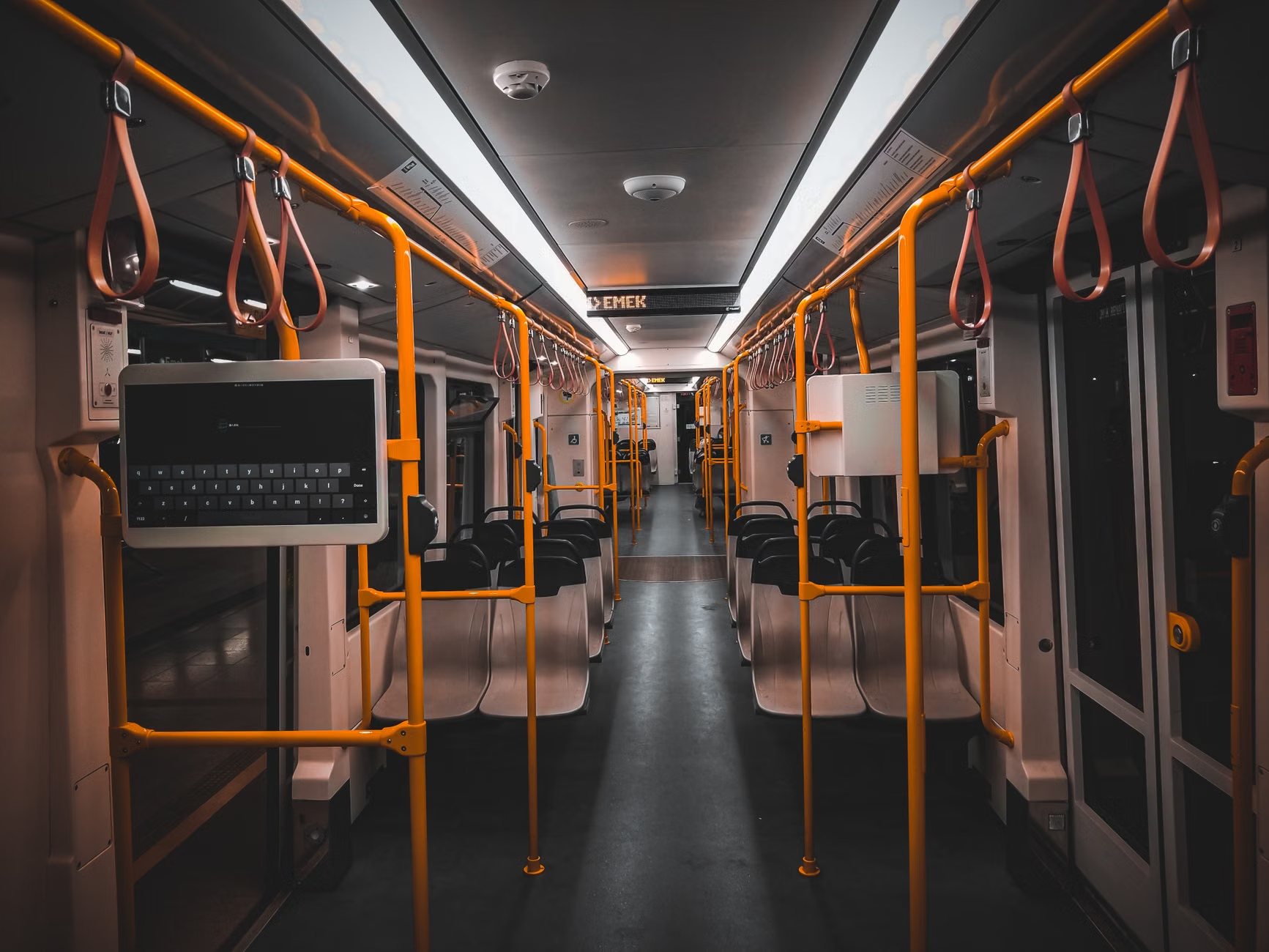
Older lighting systems, particularly fluorescent tubes, often have a subtle flicker that is invisible to younger eyes but can be deeply disruptive to older adults, particularly those with vestibular (balance) issues or light sensitivity. The 2026 transition to flicker-free, high-frequency LED systems provides a stable visual environment that helps maintain balance and reduces the feeling of dizziness when moving through crowded stations.
Practical Implications: What This Looks Like in Your Daily Life
You might wonder how these changes manifest during your actual travel. It is not just about overhead lights; it is about the “micro-lighting” of the environment.
Step-Edge Illumination
One of the most significant changes is the integration of LED strips directly into the edge of vehicle doors and platform gaps. These strips are designed to provide a high-contrast visual cue that stays consistent regardless of the ambient lighting of the station. If you are boarding a train, look for these illuminated edges—they are designed specifically to help you judge the exact distance of the “gap.”
Graduated Lighting Zones
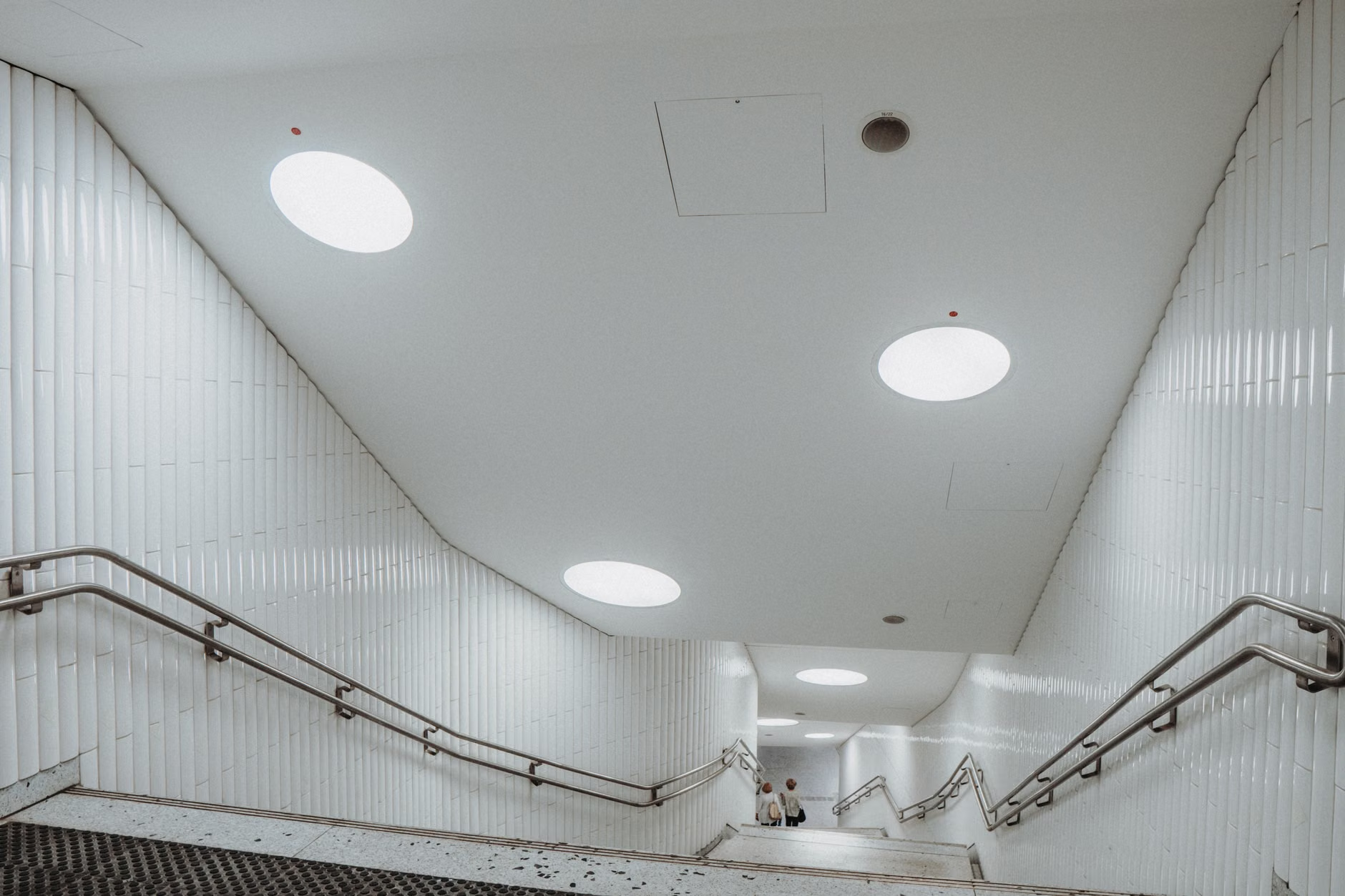
Transit authorities are now designing “transition zones” between outdoor areas and indoor platforms. By slowly adjusting the light intensity as you move from a sunny entrance down to a platform, the eyes have time to adjust. This reduces the risk of stumbling on the first few steps of an escalator or stairs.
Comparison of Lighting Environments
| Feature | Pre-2026 Standards | 2026 Standards |
|---|---|---|
| Light Source | Fluorescent / Low-CRI LED | Flicker-free, High-CRI LED |
| Step Edges | Painted (often worn off) | Active LED illumination |
| Glare Control | Minimal / Bare bulbs | Diffused, shielded fixtures |
| Light Distribution | Spotty / Shadows | Uniform / Shadow-reduced |
The table above illustrates that the focus has moved from general illumination to specific, safety-critical visual cues. For the traveler, this means that even in older transit systems that are being retrofitted, the most dangerous areas—like the gap between platform and train—are receiving the most attention.
While infrastructure is improving, you can take practical steps to navigate transit systems safely during this transition period:
- Wait for the “Adaptation Pause”: When moving from bright sunlight into a station, take five seconds to stand at the top of the stairs or near the entrance. This allows your pupils to adjust to the lower light levels, significantly reducing the risk of a misstep.
- Look for High-Contrast Cues: If you find yourself in a station that has not yet been updated, look for the “tactile paving” (the bumpy tiles on the ground). These are often installed at the edge of platforms and are designed to be felt through the soles of your shoes, providing a sensory backup to your vision.
- Use Handrails as Your Primary Guide: Even in well-lit stations, handrails are your most reliable tool. Use them consistently, not just when you feel unsteady. It is a proactive safety measure, not a sign of frailty.
Addressing Common Misconceptions
A common misconception is that “bright light” is always better. In reality, light that is too intense—or light that bounces off shiny floors—creates glare. For an older adult, glare is often worse than dim light because it creates a “blinding” effect that obscures obstacles entirely. The 2026 standards specifically address this by requiring matte surfaces in transit hubs and shielded light fixtures that direct light toward the floor rather than into the eyes of the commuter.
Another point of confusion is the role of “smart lighting.” Some modern stations now use sensors to adjust light intensity based on foot traffic. While this is energy-efficient, it can be disconcerting. If you notice a sudden shift in light intensity, do not panic. Simply pause for a moment to let your eyes adjust. These systems are designed to ramp up light levels as people approach, ensuring that when you are walking through a passage, it is at maximum brightness.
The Role of Family and Caregivers
If you are a family member or caregiver, you can help by observing the transit routes your loved ones use. Does a particular station have “dead zones” with poor lighting? If so, consider reporting it to the local transit authority. Most cities have feedback portals where residents can flag accessibility issues. Transit authorities are increasingly sensitive to the needs of the “silver economy,” and specific reports about lighting can sometimes lead to localized improvements, such as replacing a burnt-out bulb or adding high-contrast tape to a dangerous stairwell.
It is important to acknowledge that these 2026 standards are being implemented gradually. Not every station will be updated simultaneously. When you encounter a transit environment that feels unsafe due to lighting:
- Prioritize Elevators over Escalators: If the lighting on an escalator makes the steps hard to see, use the elevator. Elevators are generally better lit and provide a more stable environment for those with balance concerns.
- Request Assistance: Many major transit systems offer “passenger assistance” services. You can call ahead or speak to a station attendant to request a staff member to guide you through a complex or poorly lit interchange. This is a standard service in many global cities and is not a sign of dependency, but a smart way to ensure your safety.
- Carry a Small Flashlight: For those who travel frequently in older transit systems, a small, high-lumen pocket flashlight can be a useful tool to illuminate dark stairwells or to check the ground for uneven surfaces.
The Future of Inclusive Transit
The 2026 shift is just the beginning of a broader trend toward inclusive design. As the global population ages, the “universal design” movement—which suggests that environments should be usable by all people, to the greatest extent possible, without the need for adaptation—is becoming the default standard for urban planning. Lighting is the first, most cost-effective step in this process.
By focusing on the biological realities of aging vision, transit authorities are not just helping older adults; they are creating safer environments for everyone, including parents with strollers, travelers with heavy luggage, and anyone else who relies on clear visual cues to navigate complex spaces.
Conclusion: Empowerment Through Awareness
The improvements in transit lighting arriving in 2026 are a victory for accessibility. By understanding that your visual needs are being considered in the design of new infrastructure, you can feel more confident in your ability to travel independently. Remember that the goal of these changes is to reduce the “cognitive load” of travel—the mental energy required to safely navigate a space. When the environment provides clear, consistent, and glare-free lighting, you are free to focus on the journey itself rather than the mechanics of staying upright.
Stay informed about your local transit authority’s accessibility plans. Most publish their “Accessibility Strategy” or “Infrastructure Upgrade” reports online. Checking these can give you a better sense of which stations in your area are slated for improvement, allowing you to plan your trips with greater peace of mind. Your mobility is a key component of your independence and wellbeing, and modern infrastructure is finally beginning to reflect that reality.
Frequently Asked Questions
Q: Why does the new lighting look “whiter” than the old yellow lights?
A: The “whiter” light is typically a higher color temperature (often around 4000K). This provides better contrast and clarity, which is crucial for older adults to distinguish between different surfaces, such as the edge of a step and the floor, compared to the older, warmer yellow lighting that often masks these distinctions.
Q: Are these lighting standards mandatory for all transit systems globally?
A: No. These are international guidelines adopted by specific regional authorities. While they are becoming the “gold standard” for new construction and major renovations, older, smaller, or privately operated transit systems may not have the budget or requirement to upgrade immediately. Always check the accessibility features of your specific route before traveling.
Q: If I feel dizzy or disoriented due to the lighting in a station, what should I do?
A: If you feel disoriented, stop moving. Find a bench, a wall, or a static point to lean against. Allow your eyes and your balance system time to recalibrate. If the feeling persists, do not hesitate to ask a transit employee for assistance or to wait for a more crowded, well-lit area where you feel more secure. Your safety is always the priority.
Official sources and further reading: