2026 Global Park Seating Standards: What You Need to Know
- New 2026 global standards mandate specific ergonomic features, such as armrests and standardized seat heights, to support independent mobility.
- Local authorities are now required to prioritize “rest-stop intervals” of no more than 100 meters in high-traffic park zones.
- You can advocate for these improvements in your local community by referencing the ISO/TC 59/SC 16 guidelines regarding accessible public infrastructure.
Starting in 2026, a significant shift in urban planning is taking effect globally. As populations age, the International Organization for Standardization (ISO) and regional urban planning bodies have updated their guidelines for public furniture. For older adults, this means that the park bench—a staple of leisure—is evolving from a simple piece of wood to a carefully engineered support system designed to facilitate longer, safer, and more comfortable outdoor activity.
The Evolution of Public Seating: Why 2026 Matters
For decades, public seating was designed with a “one-size-fits-all” approach that rarely accounted for the physiological changes associated with aging, such as reduced muscle strength in the lower limbs or decreased balance. The 2026 updates represent a transition toward Universal Design, which seeks to accommodate all people regardless of age or ability.
Why does this matter for your daily life? If you have ever felt hesitant to visit a park because you weren’t sure if you could stand up easily from a low, backless bench, you are not alone. The new standards address the “sit-to-stand” challenge. By mandating higher seat heights and sturdy armrests, these guidelines effectively lower the barrier to entry for outdoor exercise and social connection.

Key Technical Changes You Will Encounter
The 2026 standards move away from aesthetic-only design to functional requirements. Here is a breakdown of the core technical changes:
| Feature | Old Standard (Approx.) | 2026 Global Standard |
|---|---|---|
| Seat Height | 38–42 cm | 45–50 cm (easier for knee extension) |
| Armrests | Optional/Decorative | Mandatory for all public seating |
| Backrest Angle | Variable | 95–105 degrees (ergonomic support) |
| Surface Material | Metal (cold/slippery) | Non-slip, temperature-neutral materials |
These dimensions are not arbitrary. A seat height of 45-50 cm is specifically chosen because it reduces the torque placed on the knee and hip joints when an individual transitions from a seated position to standing. For those with arthritis or limited mobility, this 5-8 cm difference is the difference between feeling confident to go for a walk and staying home.
The “100-Meter Rule” and Spatial Planning
Perhaps the most transformative aspect of the 2026 updates is not just the bench itself, but its placement. Urban planners are now being encouraged—and in many jurisdictions, mandated—to follow the “100-meter rest interval.”
In real-world terms, this means that in primary pedestrian zones of public parks, you should find a place to sit at least every 100 meters. This distance is based on studies of average walking stamina for adults aged 70+. By ensuring regular rest stops, cities are effectively extending the “range” of a person’s walk, allowing those who would otherwise be limited to a 10-minute stroll to safely enjoy longer paths.
What to Look for in Your Local Park
When you visit your local park, check for these indicators of the new standards:
- Color Contrast: Are the edges of the seating visually distinct from the surrounding environment? This is a requirement to assist those with low vision.
- Clearance Space: Is there a flat, paved area next to the bench for a walker or wheelchair? Modern standards now require “side-by-side” seating, allowing a person using a mobility aid to park next to their companion on the bench.
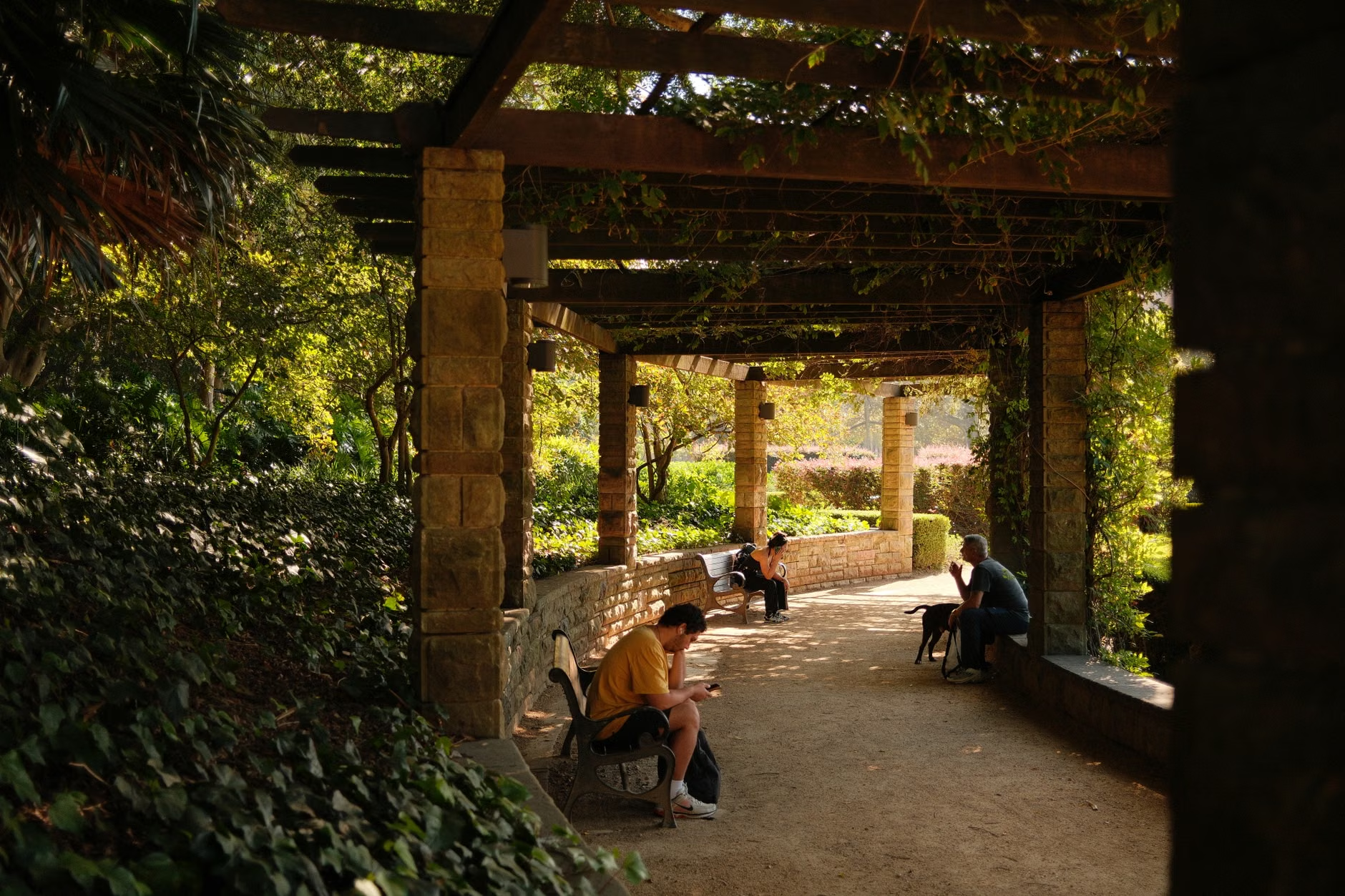
- Shade Integration: The 2026 guidelines emphasize natural or structural shade. If a bench is in direct, intense sunlight, it is now considered non-compliant in many jurisdictions during peak summer months.
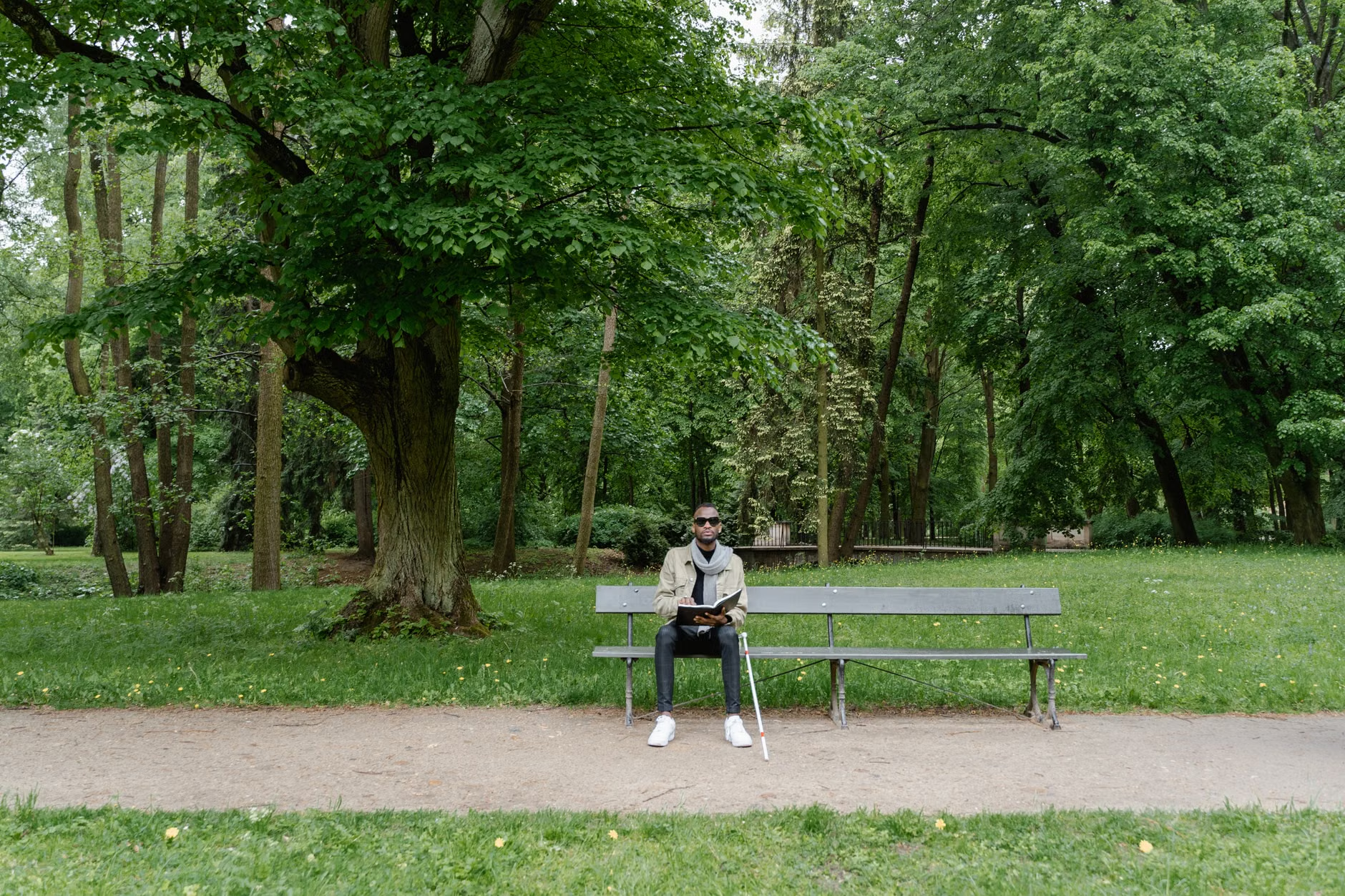
You do not have to wait for your city to perfectly implement these standards. As a user of these spaces, you have the right to provide feedback. Many municipal parks departments have digital portals where you can report “accessibility gaps.”
Step-by-Step Action Plan:
- Identify the Gap: If you find a path where you consistently feel exhausted because there is no place to sit, note the approximate distance between the last bench and the end of the path.
- Use Official Channels: Most city websites have a “Report an Issue” or “Public Infrastructure Feedback” form. Mentioning that the area does not meet the “ISO-referenced accessibility guidelines for public seating” often triggers a professional review by the department.
- Document Safety Concerns: If a bench is broken or slippery, report it immediately. These are not just aesthetic issues; they are safety hazards for anyone with balance concerns.
Hidden Trade-offs: What to Watch For
While these standards are a massive step forward, there is an overlooked variable: The “Public vs. Private” Bench Divide. Many parks include private concessions (cafes) that place their own seating in public areas. These private entities are not always bound by the same strict 2026 public standards. Always check if the seating is “publicly maintained” if you are relying on it for your mobility needs.
Additionally, be aware of the “maintenance gap.” A perfectly designed, high-standard bench is useless if it is covered in debris or surrounded by uneven gravel. When you evaluate a park, look at the approach path just as much as the bench itself. If the path to the bench is uneven or has a steep incline, the bench is effectively inaccessible, regardless of its ergonomic features.
The Role of Technology in Planning Your Walk
By 2026, many cities are integrating “Accessibility Maps” into their public park apps. Before you set out for a walk, check if your local municipal app includes a “Seating Layer.” This feature allows you to toggle on a map overlay that shows exactly where benches are located. This is a game-changer for planning walks that match your current energy levels.
If your city doesn’t have this, consider using crowdsourced platforms like Google Maps or specialized walking apps. However, always verify the data with your eyes. If you find a new bench that isn’t on the map, you might consider using the “Suggest an Edit” feature to help other seniors in your community.
Understanding the Scope of Global Standards
It is important to note that ISO standards are voluntary guidelines. They become “law” only when a country or municipality adopts them into their building codes. In the European Union, for example, the European Accessibility Act (EAA) provides a strong legal framework that forces these standards into reality. In other regions, such as parts of North America or Asia, implementation may be slower and project-specific.
If you are traveling, do not assume every park will meet these new 2026 benchmarks. Always look for the universal accessibility symbols—usually a blue or silver icon showing a person and a chair—which indicate that the area has been audited for inclusive design.
Ensuring Your Own Safety During Outdoor Activity
Even with perfect seating, your personal safety remains the priority. The 2026 standards suggest that older adults should focus on the “30-minute rule.” Even if the park is perfectly equipped, try to limit your initial outings to 30 minutes until you are familiar with the terrain and the frequency of rest stops.
If you use a walking aid, such as a cane or a walker, ensure that the seat you choose has a clear area to park your device. A common mistake is to place the device in the middle of a path, which creates a tripping hazard for other park users. Always park your device to the side of the bench, parallel to the path.
Future-Proofing Your Leisure Time
As we head further into 2026 and beyond, the focus will likely shift from just “providing a seat” to “providing a smart seat.” We are already seeing trials of benches with integrated solar charging ports for mobile devices and emergency call buttons. While these are exciting, do not be distracted by the technology. The most important feature remains the basic geometry: height, armrests, and back support.
If you find yourself in a park that has not yet updated its seating, remember that you are not being “too demanding” by requesting better facilities. Public parks are essential health infrastructure. Just as we expect sidewalks to be paved, we should expect seating to be accessible. By advocating for these changes, you are not just improving your own experience—you are making the community safer for everyone, including those with temporary injuries or families with young children.
Conclusion
The 2026 updates to global park seating standards are a victory for inclusivity. By moving toward standardized, ergonomic, and accessible seating, cities are acknowledging that the ability to sit comfortably in a public space is a fundamental requirement for active aging. Whether you are planning a long walk or just a short sit in the sun, understanding these standards will help you navigate your environment with greater confidence and ease. Remember to prioritize paths with frequent rest stops, advocate for improvements when you notice gaps, and always enjoy your time outdoors with the comfort you deserve.
Frequently Asked Questions
- Q: Do these new 2026 standards apply to all parks, including private ones?
A: Generally, no. These standards primarily apply to public, municipal, or state-run parks. Private parks or commercial spaces may follow their own guidelines, though many are adopting these standards voluntarily to appeal to a broader demographic. - Q: What should I do if a bench in my local park is broken or dangerous?
A: You should contact your local municipal parks and recreation department. Most cities have an online portal or a dedicated phone line for reporting maintenance issues. Be sure to provide the specific location of the bench and a description of the hazard. - Q: Are these standards mandatory worldwide?
A: No. ISO standards are international guidelines. They become mandatory only when a local or national government incorporates them into their specific building codes or accessibility legislation. Check your national or local government’s accessibility policy for the most accurate information in your area.
Sources: