- Seated hip adduction targets the inner thigh muscles, which are critical for pelvic floor support and overall core stability in daily movement.
- Consistency is more important than intensity; performing controlled squeezes for 5–10 minutes daily can significantly improve postural control.
- Safety first: Always use a stable, non-rolling chair and maintain an upright spine to avoid unnecessary strain on the lower back.
Seated Hip Adduction: A Practical Guide to Building Core and Pelvic Stability
For many adults between the ages of 60 and 80, the secret to maintaining independence lies not just in the strength of the legs, but in the stability of the core and pelvis. The hip adductor muscles—the group of muscles located along the inner thigh—play a vital, often overlooked role in this stability. When these muscles are strong, they act as a foundation for the pelvic floor, support the spine, and help maintain balance during everyday activities like walking, standing from a chair, or navigating uneven surfaces.
Seated hip adduction is a safe, effective, and accessible exercise that can be performed almost anywhere. By squeezing an object between your knees while seated, you engage the adductor muscles, which in turn triggers a “co-contraction” of the deep core muscles. This guide explores why this movement is essential for long-term health and how you can integrate it into your daily routine safely.

Understanding the Connection: Why Adductors Matter for Core Stability
The core is often misunderstood as being limited to the “six-pack” abdominal muscles. In reality, the core is a complex cylinder involving the diaphragm at the top, the pelvic floor at the bottom, the abdominal muscles at the front, and the back muscles at the rear. The hip adductors are functionally linked to this system.
The Pelvic Floor Link
The pelvic floor muscles form the base of your core. Research in kinesiology suggests that the adductor muscles and the pelvic floor often fire in tandem. When you engage your inner thighs, you provide a stable anchor for the pelvis, which allows the deeper abdominal muscles to contract more effectively. For older adults, this means better control over posture and a reduced risk of accidental falls.
Functional Benefits in Daily Life
Consider the act of stepping into a bathtub or getting out of a car. These movements require one leg to act as a stabilizer while the other moves. The adductors are the muscles responsible for keeping your legs aligned and preventing the knees from “buckling” inward. Strengthening these muscles through seated adduction creates a functional carry-over to these real-world scenarios, making transitions smoother and safer.
Setting Up for Success: Equipment and Preparation
You do not need an expensive gym membership to perform hip adduction exercises. In fact, the most effective tools are often already in your home.
| Tool | Pros | Best For |
|---|---|---|
| Soft Yoga/Pilates Ball | Provides resistance and feedback; comfortable. | Regular, dedicated exercise sessions. |
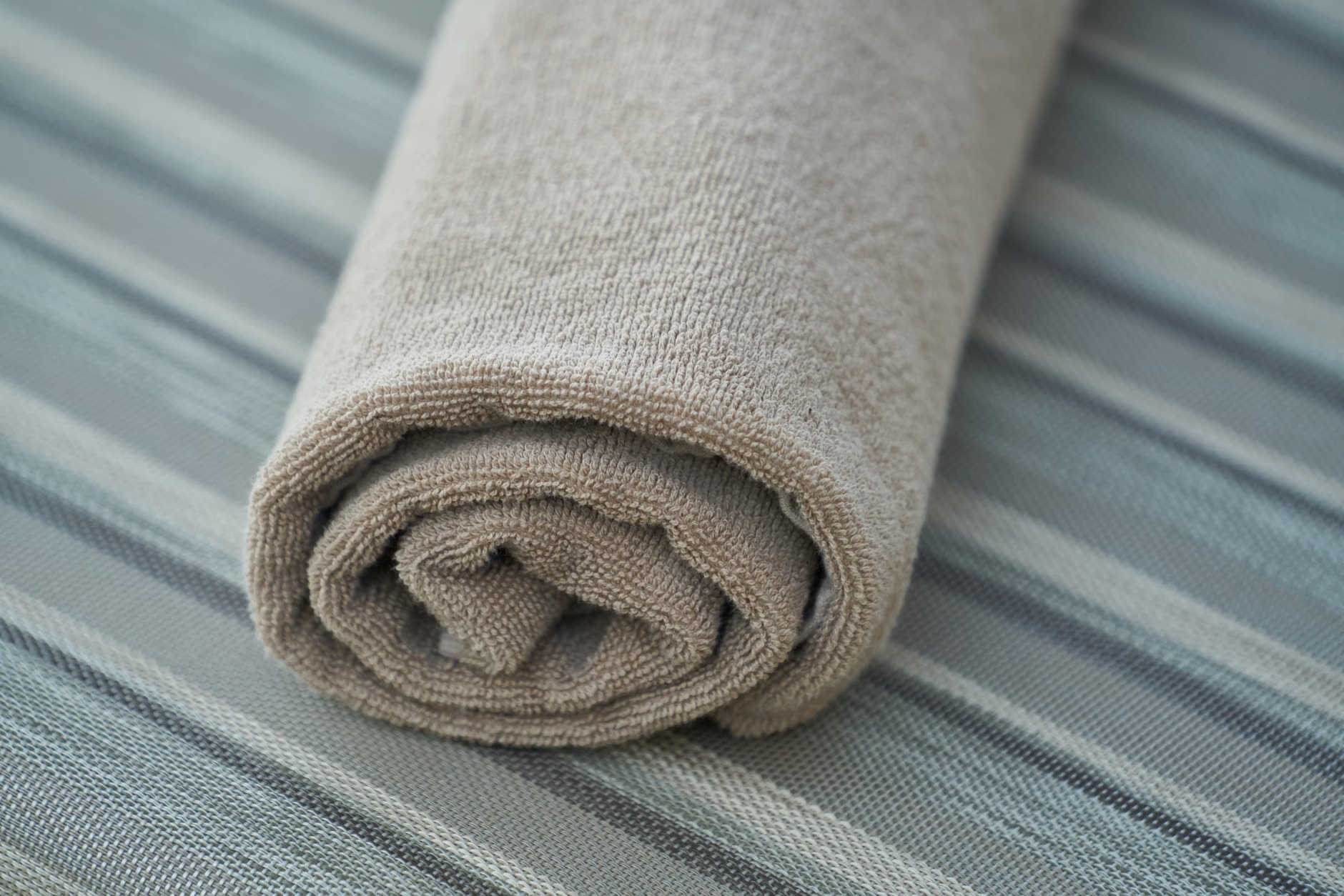
| Folded Bath Towel | Free, adjustable thickness, soft. | Beginners or those with joint sensitivity. |
| Firm Cushion/Pillow | Easy to access; provides moderate resistance. | Casual practice while watching TV or reading. |
The choice of equipment should be based on your comfort level. If you have knee pain or arthritis, a softer object like a folded towel is often preferred because it allows you to control the surface area and pressure. If you are looking for more challenge, a small, slightly deflated Pilates ball provides a consistent, springy resistance.
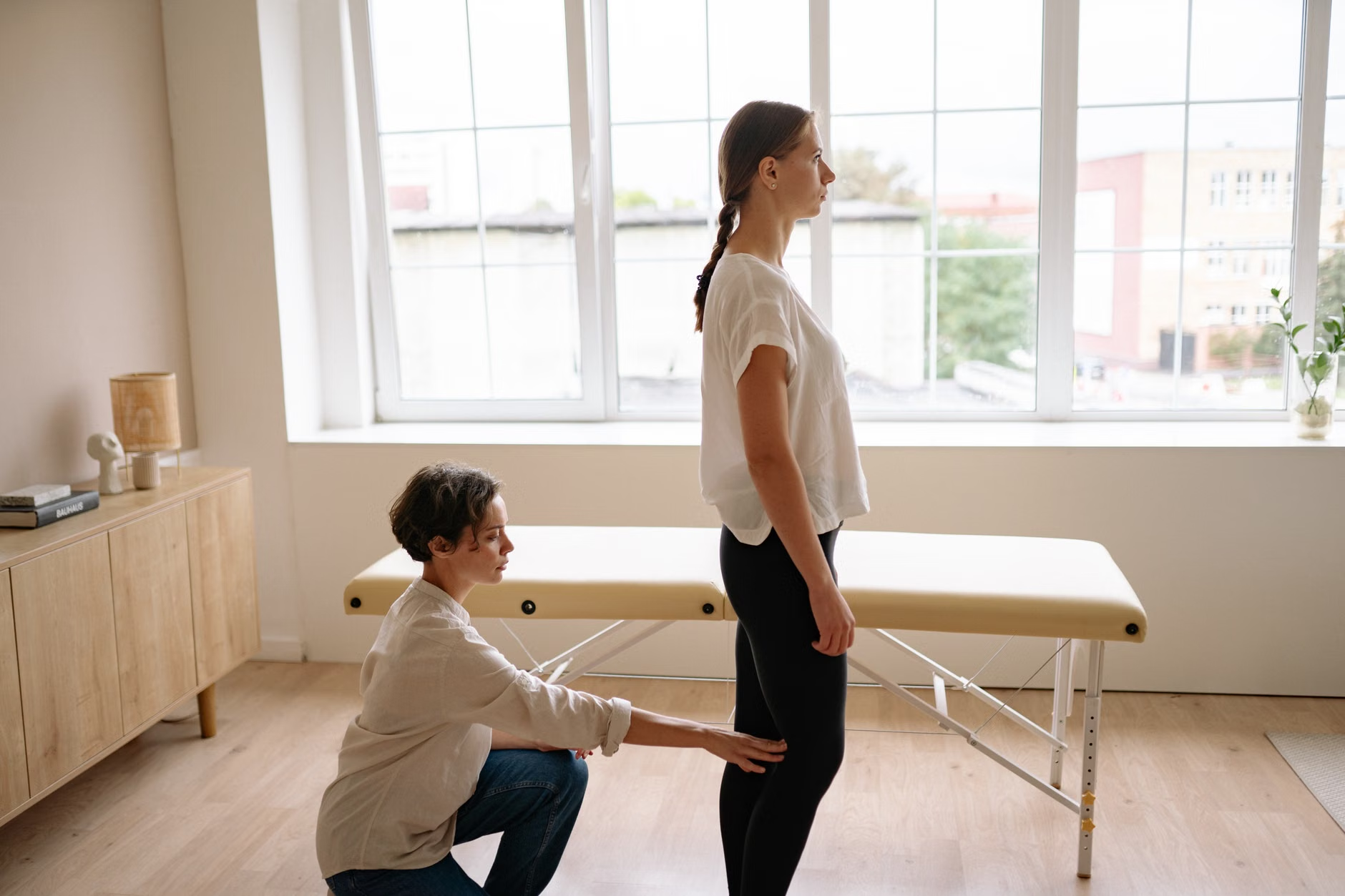
Step-by-Step Execution: How to Perform Seated Hip Adduction
Proper form is the difference between a beneficial exercise and one that causes strain. Follow this sequence to ensure you are engaging the right muscles:
- Choose the Right Chair: Select a sturdy chair that does not have wheels. Ensure your feet can rest flat on the floor with your knees bent at a 90-degree angle. If your feet do not touch the floor, place a book or a sturdy step stool under them to maintain alignment.
- Positioning: Sit toward the front edge of the chair. Keep your back straight, shoulders relaxed, and chest open. Avoid slouching, as this disconnects the abdominal muscles from the pelvic floor.
- Placement: Place your chosen object (ball, towel, or pillow) between your knees. Your knees should be roughly hip-width apart.
- The Squeeze: On an exhale, gently squeeze your knees together against the object. Focus on the inner thigh muscles. Do not hold your breath; breathing steadily helps maintain core engagement.
- Hold and Release: Hold the squeeze for 3 to 5 seconds. Slowly release the tension over 3 seconds. Repeat this 10 times.
Common Mistake: Many people tend to squeeze their glutes (buttocks) or arch their lower back during this exercise. If you feel tension in your lower back, stop and reset. Ensure the effort is coming from the inner thighs and the lower abdominal region, not the back muscles.
Advanced Variations and Progression
Once you are comfortable with the basic seated squeeze, you can introduce variations to increase the challenge. However, always prioritize quality of movement over the number of repetitions.
The “Squeeze and Lift”
While maintaining the squeeze on the ball, slowly lift one heel off the ground while keeping your toes planted. This adds a component of balance and forces the core to stabilize against the asymmetry. Alternate legs while keeping the constant pressure on the ball.
The “Timed Endurance” Hold
Instead of repetitive squeezes, try holding a moderate level of pressure on the object for 30 seconds. This builds muscular endurance, which is crucial for maintaining posture during long periods of sitting or standing.
Safety Considerations and When to Consult a Professional
While seated hip adduction is generally low-impact, it is important to listen to your body. If you experience sharp, shooting pain in the hips, groin, or lower back, stop the exercise immediately. This is not a sign of “working through the pain” but rather a signal that your form or the level of resistance needs adjustment.
If you have recently undergone hip or knee surgery, consult your physical therapist or surgeon before starting this exercise. They can provide specific guidance on the range of motion that is safe for your individual recovery path. Furthermore, if you have a history of pelvic floor dysfunction, such as chronic pain or incontinence, working with a pelvic floor physical therapist is the gold standard for creating a personalized program that addresses your specific needs.
Integrating Exercises into Your Daily Routine
The most effective exercises are the ones you actually do. Instead of setting aside a specific “workout hour,” try “exercise snacking”—short, frequent bursts of activity throughout the day.
- The Morning Routine: Perform 10 squeezes while sitting on the edge of the bed or your favorite chair while waiting for the coffee to brew.
- The Commercial Break: If you watch television, use the commercial breaks to perform three sets of 10 squeezes.
- The Desk Habit: If you spend time on the computer or reading, keep a small ball or pillow nearby. Every 30 minutes, perform a quick set to reset your posture.
Consistency over a period of weeks is more beneficial than a single, intense session once a month. By making these small, manageable adjustments, you build a foundation of strength that supports your independence and mobility for years to come.
The Science of Movement: Why We Avoid “Miracle” Claims
It is important to clarify that no single exercise is a “cure” for mobility issues or chronic conditions. Hip adduction is a tool—a piece of the larger puzzle of healthy aging. While strengthening the adductors improves stability, it works best when combined with a balanced approach that includes cardiovascular activity, flexibility training, and proper nutrition.
Be wary of advice that promises “instant pain relief” or “total core transformation” through a single movement. The human body is complex; improvements in stability occur gradually as the nervous system learns to coordinate muscle activity more efficiently. Trust the process of gradual, consistent effort.
Practical Tips for Long-Term Maintenance
To ensure you stay on track, consider keeping a simple log. A piece of paper on the fridge where you put a checkmark after your daily session can provide a sense of accomplishment. Additionally, pay attention to how you feel during daily tasks. Do you find it easier to get out of the car? Does your balance feel more secure when walking on uneven pavement? These real-life indicators are often more meaningful than any standardized test score.
Remember that as you get stronger, you may need to increase the resistance. You can move from a soft towel to a firmer pillow, and eventually to a small Pilates ball. This progressive overload is how the body continues to adapt and improve. Always ensure that your chair remains stable; as you increase the intensity of your squeeze, you don’t want the chair to shift or slide.
Conclusion
Seated hip adduction is a foundational movement that bridges the gap between simple sitting and active, stable living. By focusing on the inner thighs and their connection to the pelvic floor, you are actively investing in your own mobility and safety. Start slowly, prioritize your form, and remember that every small, controlled movement contributes to a stronger, more stable you. Whether you are 60 or 80, the power to improve your physical resilience is firmly within your reach, one squeeze at a time.
Frequently Asked Questions (FAQ)
1. Can I perform this exercise if I have had a hip replacement?
If you have had a hip replacement, you must consult your orthopedic surgeon or physical therapist before attempting any hip-focused exercises. They will provide specific precautions regarding the range of motion and the amount of pressure that is safe for your prosthetic joint.
2. How many times a day should I do these exercises?
For most people, performing 2–3 sets of 10–12 repetitions once or twice a day is sufficient. The key is consistency rather than high volume. If you feel soreness the next day, reduce the intensity or take a rest day to allow your muscles to recover.
3. Does this exercise help with back pain?
By strengthening the pelvic floor and the deep core, seated hip adduction can help stabilize the pelvis, which often relieves pressure on the lower back. However, back pain can have many causes. If your pain persists, consult a healthcare professional to rule out underlying issues such as disc herniation or spinal stenosis.
Sources and further reading: