- Layering is essential: Mountain temperatures fluctuate drastically; packing moisture-wicking layers allows you to adapt to cabin climate control and outdoor exposure instantly.
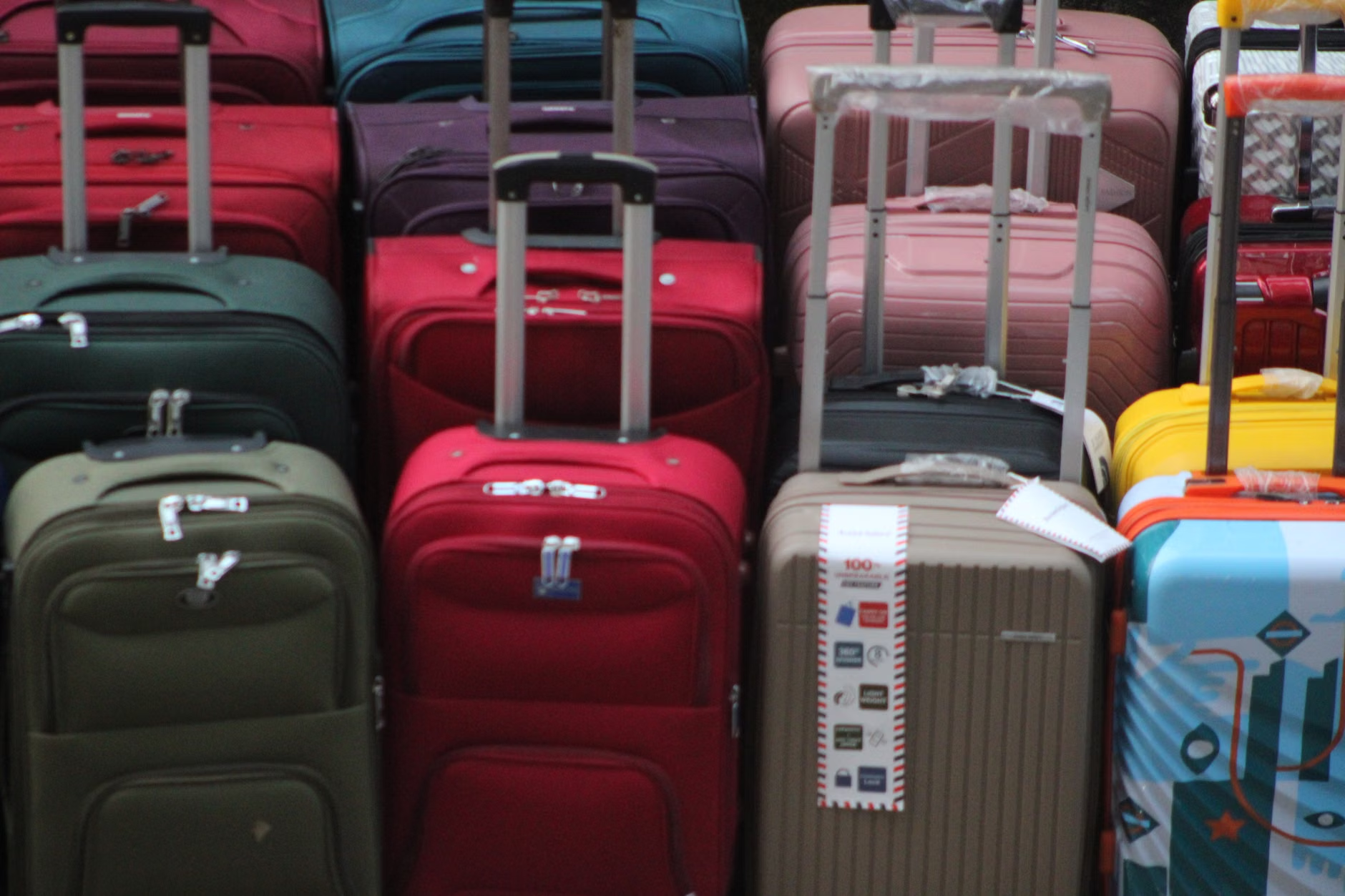
- Weight distribution matters: Use a lightweight, four-wheeled spinner suitcase and a crossbody daypack to maintain balance and avoid strain on your shoulders or back.
- Accessibility preparation: Always verify the specific train’s boarding height and restroom accessibility beforehand, and pack a “quick-access” pouch with your medical card, list of medications, and essential documents.
Introduction: The Art of Stress-Free Rail Travel
For many adults aged 60 to 80, mountain-valley train excursions represent the perfect balance of adventure and comfort. Unlike road trips that require hours of focused driving, or flights that involve taxing security checkpoints, scenic rail travel allows you to witness the grandeur of nature while sitting in a climate-controlled, stable environment. However, the unique nature of mountain travel—characterized by rapid changes in altitude, temperature fluctuations, and varying levels of station accessibility—requires a strategic approach to packing.
Packing for this type of excursion is not merely about fitting clothes into a bag; it is about ensuring your independence and comfort throughout the journey. Whether you are traversing the Swiss Alps, the Rocky Mountains, or the valleys of Japan, the goal is to minimize physical exertion during transit while maximizing your ability to enjoy the scenery. This guide explores the logistical, physical, and practical dimensions of preparing for your next rail adventure.
1. The Science of Layering for Altitude and Microclimates
Mountain environments are famous for their “microclimates.” You might start your day in a warm valley station at 500 meters, only to reach a mountain pass at 2,000 meters where the temperature is 10 degrees Celsius cooler and the wind is significantly stronger. Relying on one heavy coat is a common mistake that leads to overheating on the train and shivering on the platform.
The Three-Layer Rule for Seniors
- Base Layer: A moisture-wicking synthetic or merino wool shirt. These fabrics pull perspiration away from the skin, preventing that “chilled” feeling after a walk.
- Middle Layer: A fleece or lightweight down vest. This layer provides the bulk of your insulation. A vest is often superior to a jacket because it allows for arm movement and is easier to remove if you feel warm while sitting.
- Outer Layer: A windproof and water-resistant shell. Even if the forecast is clear, mountain weather is notoriously unpredictable. A shell protects you from sudden gusts during boarding or disembarking.
Practical Tip: When choosing your middle layer, opt for full-zip versions rather than pullovers. For individuals with limited shoulder mobility or those who prefer to keep their hair and glasses undisturbed, a full-zip garment is much easier to manage in the confined space of a train seat.
2. Managing Mobility and Luggage Logistics
The most common physical challenge during rail travel isn’t the train ride itself—it’s the transition between the station floor and the train car. Many older trains have high steps, while modern high-speed trains may have a gap between the platform and the carriage. Your packing strategy must facilitate easy movement.
Luggage Selection Criteria
| Feature | Why It Matters for Seniors | Recommendation |
|---|---|---|
| Wheels | Stability and reduced strain. | Four-wheeled spinner suitcase (upright movement). |
| Weight | Lifting into overhead racks. | Total weight should not exceed 10kg for carry-on. |
| Handles | Ergonomics and grip. | Telescopic handle with a padded grip. |
If you anticipate needing to lift your bag into an overhead rack, reconsider. Many modern trains offer luggage storage areas at the end of each car. If you cannot easily lift your bag above your head, do not force it. Use the designated floor-level racks. If the train is crowded, ask a member of the train crew for assistance; they are trained to handle heavy luggage and prioritize passenger safety.
3. The Essential “Quick-Access” Personal Pouch
When you are seated on a train, you do not want to be digging through your main suitcase to find your reading glasses, medication, or travel documents. Create a “Day-of-Travel” pouch that stays in your lap or in your seat-back pocket.
What to Include:
- Medical Documentation: A list of your current medications (generic names), known allergies, and a copy of your insurance information. Keep this in a clear plastic sleeve.
- Hydration and Snacks: Trains can be dehydrating due to recirculated air. Bring a lightweight, reusable water bottle that fits in the cup holder.
- Digital/Analog Backup: Even if you use a smartphone for your tickets, print a physical copy of your itinerary and seat assignment. Technology can fail, but paper is reliable.
- Personal Comfort Items: A small travel cushion for lumbar support and noise-canceling earplugs, which can help mitigate the low-frequency hum of the train engine, which some travelers find fatiguing.
Accessibility in rail travel is not universal. While many European and North American rail networks have made significant strides, the definition of “accessible” varies by jurisdiction and train model. Before you pack, perform these three checks:
- Station Facilities: Use the railway operator’s website to check if your departure and arrival stations have elevator access. If you are traveling in a country like Italy or France, look for the “Assistance” button on the station map.
- Gap and Step Height: Some older mountain routes use vintage rolling stock that may not have level boarding. If you have mobility concerns, contact the rail company to ask if they offer “mobile ramps” or specialized boarding assistance.
- Restroom Location: On some trains, the accessible restroom is located in a specific carriage. If you have a choice of seats, book a seat in the carriage adjacent to the accessible restroom to reduce walking distance.
Common Mistake: Assuming that because a train is “modern,” it is automatically accessible. Always check the specific train number on the operator’s website. Some high-speed lines have accessible cars, while the regional mountain “feeder” trains may be older and less equipped.

5. Health and Wellness During the Journey
Long periods of sitting can lead to stiffness and, in some cases, circulation issues. If you are on a train for more than two hours, you must incorporate movement into your routine. This is not about exercising; it is about maintaining blood flow.
In-Seat Mobility Routine
Every 60 minutes, perform the following in your seat:
- Ankle Pumps: Point your toes toward the floor, then pull them toward your shins. Repeat 10 times. This helps prevent venous stasis in the lower legs.
- Seated Knee Extensions: Straighten one leg at a time, hold for three seconds, and lower.
- Shoulder Rolls: Gently roll your shoulders backward to release tension from holding onto armrests or reading.
If you use compression stockings, ensure you have worn them from the start of the day. They are far more effective at preventing swelling when put on before you begin your journey, rather than after your legs have already started to retain fluid.
As you ascend into mountain valleys, the air pressure changes. While modern train cabins are pressurized, they are not as tightly controlled as aircraft cabins. If you are sensitive to pressure changes, consider bringing a small pack of sugar-free gum to help equalize the pressure in your ears during rapid climbs or descents.
Furthermore, the intensity of UV radiation increases at higher altitudes. Even through a train window, you are exposed to higher levels of UV rays than at sea level. Pack a pair of polarized sunglasses to reduce glare from the snow or bright valley light, which can cause eye strain and headaches during long daylight journeys.
7. The Hidden Variable: Station Transfers
The most dangerous part of a mountain train excursion is often the transfer. If your journey involves changing trains at a remote mountain station, you may have as little as 10 to 15 minutes to move from one platform to another. This is where your packing strategy truly faces the test.
If your luggage is too heavy or cumbersome, you will be unable to navigate stairs if the elevators are out of service or crowded. The “Rule of One” is recommended for seniors: one piece of luggage that you can handle entirely on your own, plus one personal item. If you cannot manage your luggage down a flight of stairs, you are at risk of a fall.
Before you depart, look at a satellite view of the transfer station on a digital map. This will give you a sense of the scale of the station. If it appears large and complex, allow for extra time between connections. It is always better to wait 45 minutes for the next train in a comfortable station waiting room than to rush through a transfer and risk a fall or missed connection.
8. Financial and Digital Safety
When traveling internationally, keep your financial information secure. Use a slim RFID-blocking money belt or a secure neck pouch worn under your outer layer. Never keep all your cash or credit cards in one place. In the event of a lost bag, having a backup credit card and a small amount of local currency in a separate pocket can prevent a logistical nightmare.
Ensure your smartphone is fully charged and that you have downloaded offline maps of the areas you are visiting. In mountainous regions, cellular signal can be intermittent. Offline maps, which can be downloaded via Google Maps or similar services, will allow you to track your location and estimated arrival time even when you lose connectivity.
Conclusion: Pacing for Pleasure
The beauty of a mountain-valley train excursion lies in the ability to observe the world moving past you. By packing light, prioritizing accessibility, and respecting your own physical needs, you transform the journey from a logistical hurdle into a core part of the vacation experience. Remember that you are not in a race; the train will reach its destination regardless of your speed. Focus on securing your comfort, protecting your health, and keeping your essential items within reach. With these preparations, you are free to enjoy the vistas, the quiet rhythm of the tracks, and the unique joy of mountain travel.
Frequently Asked Questions (FAQ)
1. How can I find out if a train station has an elevator or ramp?
Most national rail operators (e.g., Amtrak in the US, SBB in Switzerland, JR in Japan) provide an “accessibility” or “station information” page on their official websites. Search for your specific station name and look for icons indicating “Step-free access” or “Elevator.” If the information is unclear, call the operator’s customer service line and ask specifically: “Is there step-free access from the platform to the station exit?”
2. What is the best way to handle medication during a long train trip?
Always keep your medication in its original packaging with the prescription label intact. Carry it in your personal bag (the one that stays with you) rather than your checked luggage. If you are crossing international borders, check the specific regulations for the countries you are visiting, as some prescription drugs require a copy of the doctor’s prescription to be carried at all times.
3. Is it worth booking “First Class” for a senior traveler?
In many cases, yes. First Class on mountain trains often provides wider seats, more legroom, quieter carriages, and easier access to luggage storage. For a senior traveler, the extra cost is often justified by the reduced physical stress of navigating crowded cars and the benefit of having more space to move and stretch during the journey. Check if the operator offers “Senior Discounts,” as many national rail systems provide significant price reductions for travelers over the age of 60.
Disclaimer: This article provides general information and does not constitute medical or travel advice. Always consult with your healthcare provider regarding your specific mobility and health needs before undertaking long-distance travel.