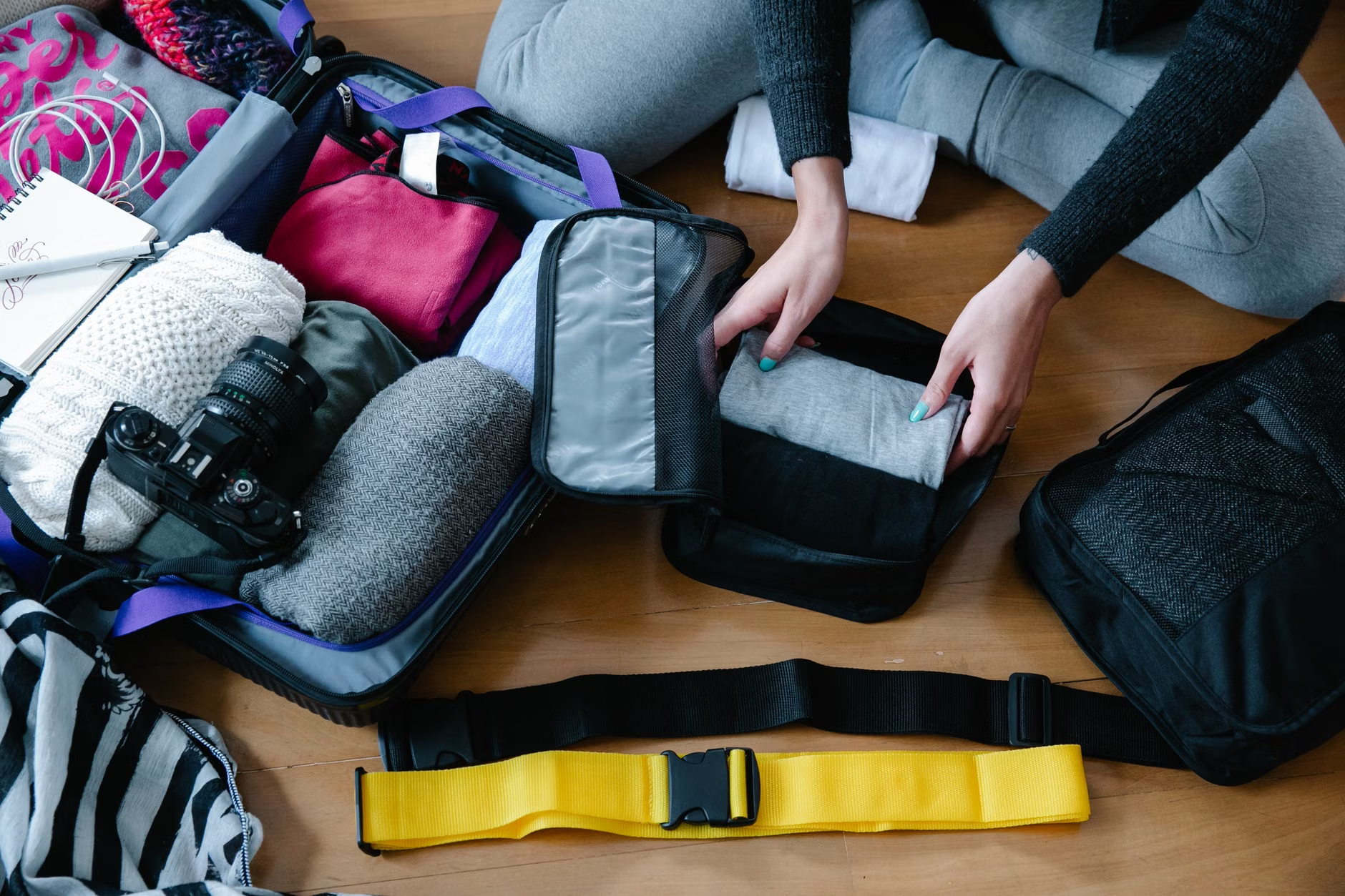
- Prioritize Vertical Storage: Canal boat cabins are notoriously compact; use soft-sided luggage and packing cubes to maximize limited shelf and floor space.
- Mobility-First Footwear: The transition from boat deck to stone towpath requires slip-resistant, supportive shoes with robust ankle stability.
- Health Continuity: Always carry a printed “Emergency Health Summary” that details your current medications, dosages, and relevant medical history, as Wi-Fi and digital access can be unreliable on rural waterways.
Heritage canal cruises offer a uniquely tranquil way to experience history, moving at a pace that allows for deep engagement with the landscape. However, the architectural constraints of historic narrowboats and the rugged nature of canal towpaths require careful preparation. For seniors, success lies in balancing the desire for adventure with the physical realities of confined spaces and limited accessibility infrastructure.
1. Understanding the Constraints of Canal Boat Architecture
Before packing a single item, it is essential to understand that canal boats, particularly those of a heritage or historic variety, were not designed with modern accessibility standards in mind. Cabins are often narrow, doorways may have high sills (trip hazards), and bathroom facilities are frequently compact with limited room for maneuvering.
The “Soft-Side” Rule: Hard-shell suitcases are the primary enemy of the canal cruiser. They are rigid, difficult to store in narrow under-bed compartments, and can scratch the polished woodwork of antique interiors. Instead, utilize soft-sided duffel bags or specialized packing cubes. These allow you to compress your belongings into the irregular shapes of boat storage cupboards.
Vertical Orientation: When organizing your belongings, assume you will have very little floor space. Choose storage solutions that allow you to stack items. If you use a CPAP machine or require other medical devices, contact the operator at least 30 days before departure to confirm the location of electrical outlets and ensure they are compatible with your power cables.
2. Curating Your Travel Wardrobe for Variable Conditions
Canal cruising is an outdoor activity that happens to take place on a boat. Even in the middle of summer, temperatures on the water can fluctuate rapidly. The key to comfort is the “three-layer system” adapted for maritime environments.
| Layer | Purpose | Material Recommendation |
|---|---|---|
| Base | Moisture-wicking | Merino wool or synthetic blends (avoids cotton) |
| Mid | Thermal insulation | Fleece or light down vest |
| Outer | Wind/Water protection | Breathable, waterproof shell with a hood |
Why this matters: Moisture is the primary cause of discomfort on a boat. Cotton holds water and dries slowly; if you get caught in a sudden shower, cotton will keep you cold for hours. Synthetic or wool base layers regulate your body temperature, which is vital for preventing hypothermia or overheating in changeable weather.
3. Mobility Aids and Footwear: The Safety Checklist
The most critical transition on a cruise is the “step-off.” Moving from a moving boat to a stone or muddy towpath involves a gap and a height difference that can be challenging for those with balance issues.
Selecting the Right Footwear
Forget standard walking shoes. You need “deck-ready” footwear that offers:
- High-traction outsoles: Look for rubber compounds specifically designed for wet surfaces.
- Lateral stability: A shoe that supports the ankle prevents rolling when stepping onto uneven grass or stone banks.
- Easy-entry closures: Velcro or elastic laces are preferable if you have arthritis or limited dexterity, as you may need to take your shoes off frequently when entering the boat’s interior.
Managing Mobility Aids
If you use a cane or a folding walker, ensure it has a non-slip rubber ferrule (tip). If you are using a cane, consider a “quad-base” cane for extra stability on the shifting deck. If the cruise operator suggests a specific boat, ask them for the exact width of the gunwales (the top edge of the boat side) to ensure your mobility aid can be stowed safely when not in use.
Canal travel often takes you through rural areas where emergency response times may be slower than in city centers. This requires a proactive approach to your health.
The Emergency Health Summary: Do not rely on digital records. Create a physical, laminated, or plastic-sleeved card that includes:
- Your full legal name and date of birth.
- A list of all current medications, dosages, and times of administration.
- Known allergies (especially to medication).
- Contact information for your primary care physician and a designated emergency contact.
- Your blood type and any chronic conditions (e.g., diabetes, hypertension).
Medication Logistics: Keep your essential medications in your “carry-on” bag. Never pack them in luggage that might be stored away from your immediate reach. If you take medication that requires refrigeration, verify the boat has a dedicated medical-grade fridge or bring a high-quality, insulated medical cooler with sufficient ice packs for the duration of the trip.

5. Managing Stamina and Pacing
The “heritage” aspect of these cruises often implies that the boat itself is an antique. These vessels may lack modern stabilizers, meaning they can rock or vibrate. This requires more core strength and stamina than sitting on a modern cruise ship.
The 30-Minute Rule
Plan your day around 30-minute intervals of activity followed by 15 minutes of rest. If you are participating in locking operations—where the boat moves through a canal lock—the process can take 20 to 45 minutes. If you have limited stamina, choose a location on the boat where you can sit comfortably and observe without needing to stand for the duration of the lock maneuver.
Hydration and Nutrition
On the water, you often forget to drink enough water because of the breeze. Dehydration is a common, overlooked cause of fatigue for seniors. Carry a reusable, insulated water bottle that is easy to open. Avoid heavy, high-sodium meals if you are prone to bloating, as the confined space of a boat can make gastrointestinal discomfort feel significantly worse.
6. Assessing Accessibility: Questions to Ask Before Booking
Not all “accessible” cruises are created equal. Use this checklist to screen potential operators before you commit:
- Is the boarding gangplank level? Ask for photos. A steep gangplank is not accessible, even if they claim it is.
- What is the door threshold height? A 2-inch threshold might seem small, but for those with limited lift in their gait, it is a significant trip hazard.
- Are there handrails throughout the interior? Ask if the galley and salon have grab bars.
- What is the policy on “towpath access”? If you have limited mobility, can you stay on the boat while it traverses locks, or are you required to disembark?
7. The Unexpected Variable: Digital Disconnect
Canal cruises often traverse deep valleys or remote woodlands where cellular service is non-existent. While this is part of the charm, it can be a source of anxiety for those who rely on digital health monitoring apps or real-time communication with family.
The Solution: Download offline maps (such as Google Maps offline areas) for the region you are visiting. Ensure that all your emergency contacts are saved as “favorites” in your phone, but also keep them written in your travel journal. If you use a digital glucose monitor or heart rate tracker, ensure it can store data locally for at least 48 hours without needing a cloud sync.
Conclusion: The Art of Slow Travel
Heritage canal cruising is fundamentally about the transition from “destination-oriented” travel to “process-oriented” travel. By packing light, prioritizing slip-resistant gear, and managing your health with a physical, redundant documentation system, you remove the obstacles that would otherwise turn a relaxing trip into a stressful one. Focus on the rhythm of the water and the historic scenery; when you are properly prepared, the boat becomes a moving sanctuary rather than a challenge to be conquered.
Frequently Asked Questions (FAQ)
1. Is it safe for a senior with limited mobility to operate a canal lock?
Generally, no. Operating a lock involves significant physical labor, including turning heavy windlasses (handles) and pushing heavy wooden gates. If you have limited mobility, it is best to enjoy the process from the deck or the towpath as an observer. Always confirm with the cruise operator if they provide crew to handle lock operations for you.
2. How can I manage the lack of private space on a narrowboat?
Narrowboats are inherently social and compact. If you require privacy for health procedures or personal care, discuss the cabin layout with the operator beforehand. Look for boats with “en-suite” facilities to ensure you have a private, accessible bathroom attached to your sleeping quarters.
3. What should I do if I have a health emergency while on the canal?
Most canal operators carry a manifest of the nearest hospitals and urgent care clinics along the route. Before departing, ensure the captain knows exactly where your “Emergency Health Summary” is located. If you are on a self-drive boat, pre-map the emergency access points (often marked by bridge numbers) along your planned route.
Official guidance on accessible travel standards can be found through your local national tourism board. For UK-based canal travel, consult the Canal & River Trust for accessibility maps and safety information.