- Enhanced Reliability: New 2026 global standards mandate stricter maintenance and performance monitoring for transit elevators, significantly reducing the frequency of mechanical breakdowns.
- Universal Design Integration: Updated requirements focus on “human-centric” design, including larger cabins, high-contrast tactile interfaces, and improved emergency communication systems for all users.
- Active Advocacy: While regulations are becoming more stringent, older travelers should learn to identify non-compliant stations and use official digital tools to report outages to local transit authorities.
For millions of older adults globally, the ability to navigate public transit systems independently is the cornerstone of an active, connected lifestyle. However, a broken elevator at a subway or train station is more than a minor inconvenience—it is a significant barrier that can lead to isolation, physical strain, or the complete abandonment of travel plans. As we approach 2026, international standard-setting bodies, including the International Organization for Standardization (ISO), are implementing rigorous updates to elevator safety and accessibility protocols. This article explores what these changes mean for your daily commute and long-distance travel, how to navigate current infrastructure, and what you can expect from the next generation of transit accessibility.
The Evolution of Transit Elevator Standards: Moving Beyond Minimum Compliance
Historically, elevator standards in transit environments were focused primarily on mechanical safety—ensuring the lift does not fall or trap passengers. While critical, these standards often overlooked the “functional accessibility” required by older adults. A lift that is technically “safe” but too small to accommodate a walker, or one with buttons placed too high or too far apart, effectively fails the user.
The 2026 updates represent a shift toward Universal Design. This philosophy posits that environments should be usable by all people, to the greatest extent possible, without the need for adaptation or specialized design. For transit authorities worldwide, this means moving away from “minimum code compliance” toward “inclusive service delivery.”
What the 2026 Standards Mandate
The updated guidelines, which are being adopted by various jurisdictions—including the European Union’s EN 81 series and updated ADA (Americans with Disabilities Act) supplemental guidelines in the United States—focus on three core pillars:
- Predictive Maintenance: Elevators must be equipped with sensors that detect wear and tear before a total failure occurs.
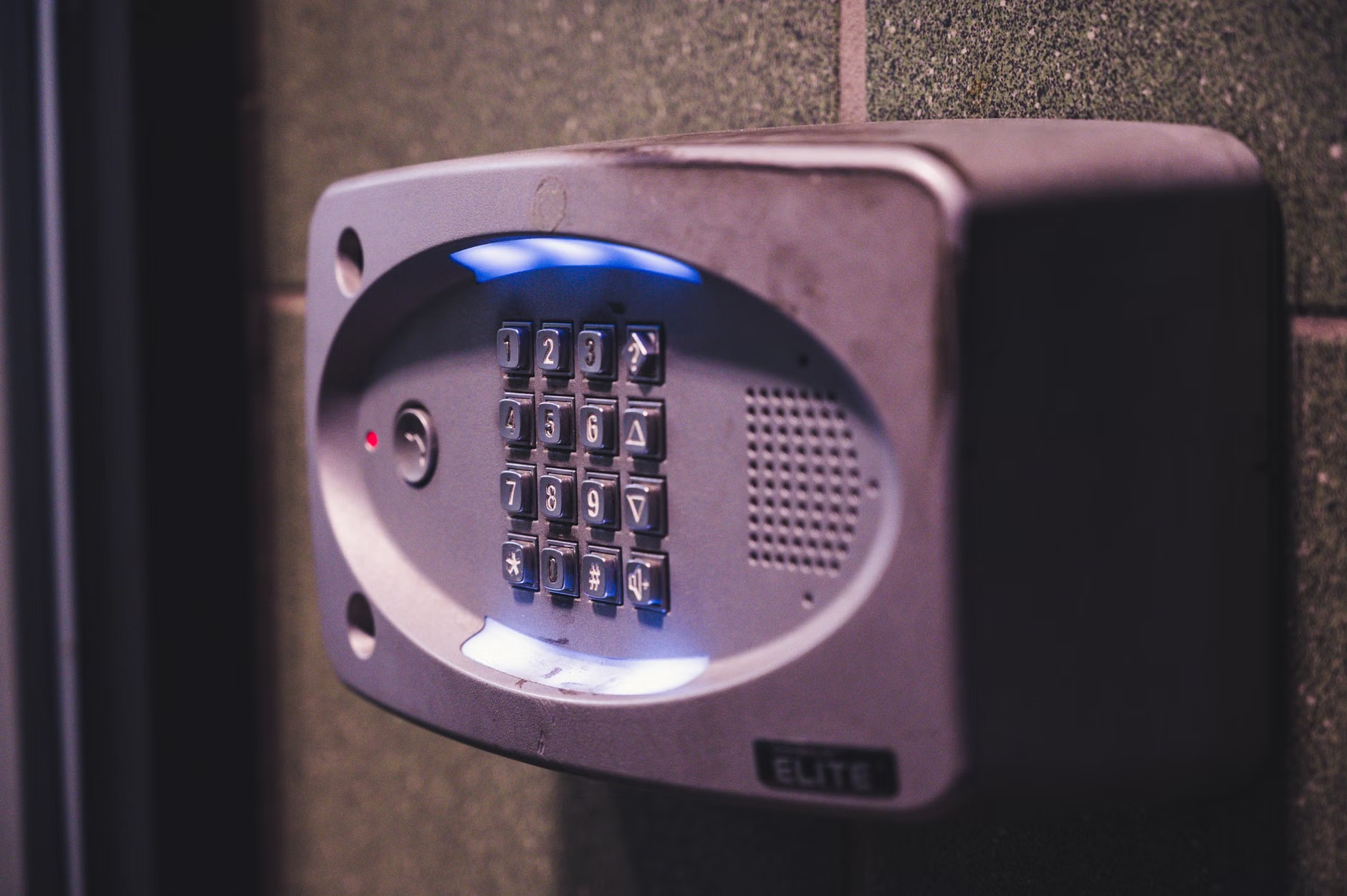
- Human-Centric Interface: Controls must be placed at a height of 900mm to 1100mm, with high-contrast, tactile feedback that is easy to read even in low-light conditions.
- Emergency Resilience: Enhanced two-way communication systems that provide visual and auditory confirmation for those with hearing or vision impairments.
Why Reliability Matters: The Impact of Downtime on Senior Mobility
For a younger, able-bodied traveler, a broken elevator might mean taking the stairs. For an older adult, particularly those managing arthritis, limited stamina, or balance issues, that same broken elevator is a hard stop. It forces a change in route, a reliance on expensive taxi alternatives, or the cancellation of a trip entirely.
The 2026 standards address the “downtime dilemma” by requiring transit operators to implement real-time monitoring. In many modern cities, this is being integrated into transit apps. If an elevator is out of service, the system is now required to push a notification to the user’s mobile device before they arrive at the station. This allows for proactive planning.
The Real-World Scenario: A Case Study in Planning
Imagine you are planning a trip to a large metropolitan museum. You are using a transit app to map your route. Under the new 2026 standards, if the elevator at the interchange station is undergoing maintenance, the app will automatically suggest an alternative route or a nearby bus transfer that remains accessible. This “accessible routing” is becoming the gold standard for global transit authorities.
| Feature | Old Standard | 2026 Global Update |
|---|---|---|
| Maintenance | Reactive (fix after breakdown) | Predictive (AI-monitored sensors) |
| Communication | Standard intercom | Video/Text-based two-way link |
| Interface | Small, low-contrast buttons | Large, tactile, high-contrast panels |
| Data | Static signage | Real-time digital app updates |
This comparison highlights that the shift is not just about the machinery, but about the information flow. The most significant improvement for the traveler is the transition from “finding out at the station” to “knowing before you leave home.”

Even with upgraded standards, the transition period for global infrastructure is long. Many stations in older cities will take years to fully comply. As a traveler, you should not assume that every station is accessible simply because the standards exist. You must adopt a “trust but verify” strategy.
Step-by-Step Guide to Accessible Travel Planning
- Check Official Authority Websites: Before traveling in a new city, visit the official transit authority’s website. Most now have a dedicated “Accessibility” section that lists stations with functional elevators.
- Download the Local Transit App: Do not rely on generic map apps. Local transit apps often have the most up-to-date data on elevator outages.
- Verify the “Last Mile”: An elevator at the station is useless if the path from the street to the elevator is blocked by construction or steep curbs. Use “Street View” features on map services to look at the station entrance.
- Have a Backup Plan: If you are traveling to a location with older infrastructure, identify the nearest bus stop. Buses are often more reliable than subway elevators because they do not rely on fixed station infrastructure.
One overlooked variable is the time of day. Even in cities with high standards, maintenance is often performed during off-peak hours. If you are traveling late at night or very early in the morning, check if the station’s accessibility services are affected by scheduled maintenance windows.
The Role of Advocacy and Consumer Rights
As these 2026 standards roll out, older adults have a right to hold transit authorities accountable. If you encounter an elevator that is consistently out of service or a station that is labeled “accessible” but is actually difficult to navigate, report it. Most transit agencies have a feedback mechanism. When reporting, be specific: note the station name, the time, and the specific failure (e.g., “Elevator 3 was out of service, causing a 20-minute delay”).
Transparency is a key component of the new standards. Authorities are increasingly required to publish “accessibility performance reports.” By engaging with these, you contribute to a culture of accountability that benefits the entire community, not just older travelers.
Health and Safety Considerations While Using Elevators
While elevators are designed for safety, they can present challenges for those with specific health conditions. For example, if you experience dizziness or inner ear issues, the sensation of vertical movement can be disorienting. If you have mobility issues, ensure you always stand near the handrail. If the elevator is crowded, it is perfectly acceptable to wait for the next car. Your comfort and safety take precedence over the efficiency of the crowd.
Warning Signs: If you feel unsteady, do not attempt to rush into an elevator as the doors are closing. The sensors on modern elevators are much improved, but they are not infallible. Always prioritize steady, deliberate movement. If you use a cane or walker, place it firmly in front of you and ensure you have a clear grip on the handrail before the elevator begins its ascent or descent.
Deep Dive: Understanding the Technical Nuances of 2026 Compliance
To truly understand how these standards impact you, it helps to look at the technical requirements. The 2026 updates are not just about the “size” of the elevator, but the “logic” of its operation. For instance, the new standards require an “Automatic Re-leveling” feature that ensures the elevator floor is flush with the station platform within a 5mm margin of error. This is crucial for preventing trips and falls, which are common incidents for older adults when exiting a lift that has stopped slightly above or below the platform level.
The Importance of “Hold-Open” Timing
Another critical update is the mandatory increase in “dwell time”—the amount of time the doors stay open before closing. Older standards often allowed for as little as 3 seconds. The 2026 standards recommend a minimum of 5 to 7 seconds, depending on the width of the door. This simple change significantly reduces the anxiety of boarding and exiting, especially for those moving at a more measured pace.
Lighting and Visual Cues
Lighting is often an overlooked aspect of accessibility. The new standards mandate a minimum of 100 lux of illumination inside the elevator car and at the landing. This is not just for visibility; it is for spatial orientation. High-contrast flooring—where the floor of the elevator is a different color than the station platform—is also being integrated to help travelers with diminished depth perception identify the threshold clearly.
Global Variations: Why “Standard” Doesn’t Mean “Identical”
It is important to recognize that while the ISO provides a global framework, the actual implementation is determined by national or regional law. For example, the European Union’s European Accessibility Act mandates that these standards be met across all member states by 2025/2026. In contrast, in the United States, the Americans with Disabilities Act (ADA) sets the legal floor, but local transit authorities (like the MTA in New York or BART in San Francisco) often have their own internal policies that may exceed federal requirements.
When traveling internationally, do not assume that a “modern” looking elevator meets the same safety standards as your home country. Always keep your travel insurance updated and, if you have specific mobility needs, contact the transit authority of your destination city via email two weeks prior to your departure. Most major cities have a “Passenger Assistance” service that can provide specific information on elevator status and even provide staff assistance if booked in advance.
The Future of Transit: Beyond the Elevator
While elevators are the focus of the 2026 standards, the broader trend is toward “seamless accessibility.” This includes the integration of Wayfinding Technology. Imagine a future where your smartphone vibrates or provides an audio prompt when you are 10 meters away from the elevator, or when a station change is required. This is already being tested in cities like Tokyo and London.
For the older traveler, this represents a move toward greater autonomy. The goal of these standards is not to make travel “easier” in a way that suggests dependency, but to remove the artificial barriers that have historically made public transit a source of stress rather than a tool for freedom. By understanding these standards, you are better equipped to advocate for your own needs and to make informed decisions about your travel routes.
Summary of Actionable Advice for the Traveler
As you plan your next journey, remember that your mobility is a right, not a privilege. The 2026 updates are a victory for accessibility, but they work best when combined with your own preparation. Use the resources available, report failures when you see them, and always prioritize your personal safety over the pace of the crowd.
Stay informed, stay active, and continue to explore the world with the confidence that the infrastructure is finally beginning to catch up to the needs of its most experienced travelers.
Frequently Asked Questions (FAQ)
1. Will all transit elevators be upgraded by 2026?
No. The 2026 standards primarily apply to new installations and major renovations. While many transit authorities are retrofitting existing elevators, the process is gradual. Always check the transit authority’s website for the status of specific stations before traveling.
2. What should I do if the elevator is broken when I arrive at a station?
Immediately look for station staff or an emergency call button. Most transit systems have a protocol for this, which may include providing a shuttle bus, a taxi voucher, or directing you to the nearest accessible station. Do not attempt to use stairs if you have balance or mobility issues.
3. Are these standards enforceable globally?
ISO standards are voluntary international guidelines, but they are frequently adopted into national laws. Once a country adopts an ISO standard into its own building or transit codes, it becomes legally enforceable within that jurisdiction. Always check the specific laws of the country you are visiting.
For further information on accessibility standards, you may consult the official guidelines provided by the International Organization for Standardization (ISO) or your local government’s transportation department website.