- Adaptive Lighting Technology: By 2026, many cities are adopting “smart” lighting that adjusts intensity based on real-time pedestrian presence, significantly reducing glare and improving depth perception for older adults.
- Prioritizing Contrast Over Brightness: Modern standards now focus on color temperature and light contrast to help those with cataracts or reduced contrast sensitivity navigate uneven surfaces safely.
- Public Advocacy: You can play a role in local safety by reporting “dark spots” or glare-heavy fixtures to municipal public works departments, which now increasingly prioritize age-inclusive audits.
As we navigate our communities, the quality and design of public lighting play a critical role in our independence and confidence. By 2026, urban planning has shifted significantly toward “age-inclusive” infrastructure, recognizing that our visual needs change as we age. For adults aged 60 to 80, the primary goal of public lighting is no longer just “brightness,” but rather “clarity, consistency, and comfort.”
The Evolution of Visual Perception and Lighting Needs
To understand why lighting design matters, we must first look at the physiological changes in vision that occur as we age. Between the ages of 60 and 80, the human eye undergoes several subtle but impactful transitions. The pupil typically becomes smaller, allowing less light to reach the retina. Furthermore, the lens may yellow or become less transparent, which can lead to increased light scattering and sensitivity to glare.
In 2026, lighting engineers are moving away from the “one-size-fits-all” approach. Instead, they are implementing design strategies that account for these biological realities. The focus is now on uniformity. A poorly lit street is often less dangerous than a street with alternating patches of blinding brightness and deep shadow. These high-contrast areas force the eyes to constantly re-adjust, a process that becomes slower and more fatiguing with age.
Why “Warmer” Light is Becoming the Global Standard
Research consistently shows that older adults perceive depth and contrast better under “warm” light (typically around 2700K to 3000K) compared to the harsh, blue-tinted “cool” LED lights that were common in the early 2010s. The blue light spectrum is known to cause more glare and discomfort for those with early-stage cataracts. Many municipalities in the EU, North America, and parts of East Asia have mandated a shift toward these warmer spectrums for public walkways to reduce eye strain and improve night-time visibility.
Smart Lighting: The 2026 Infrastructure Upgrade
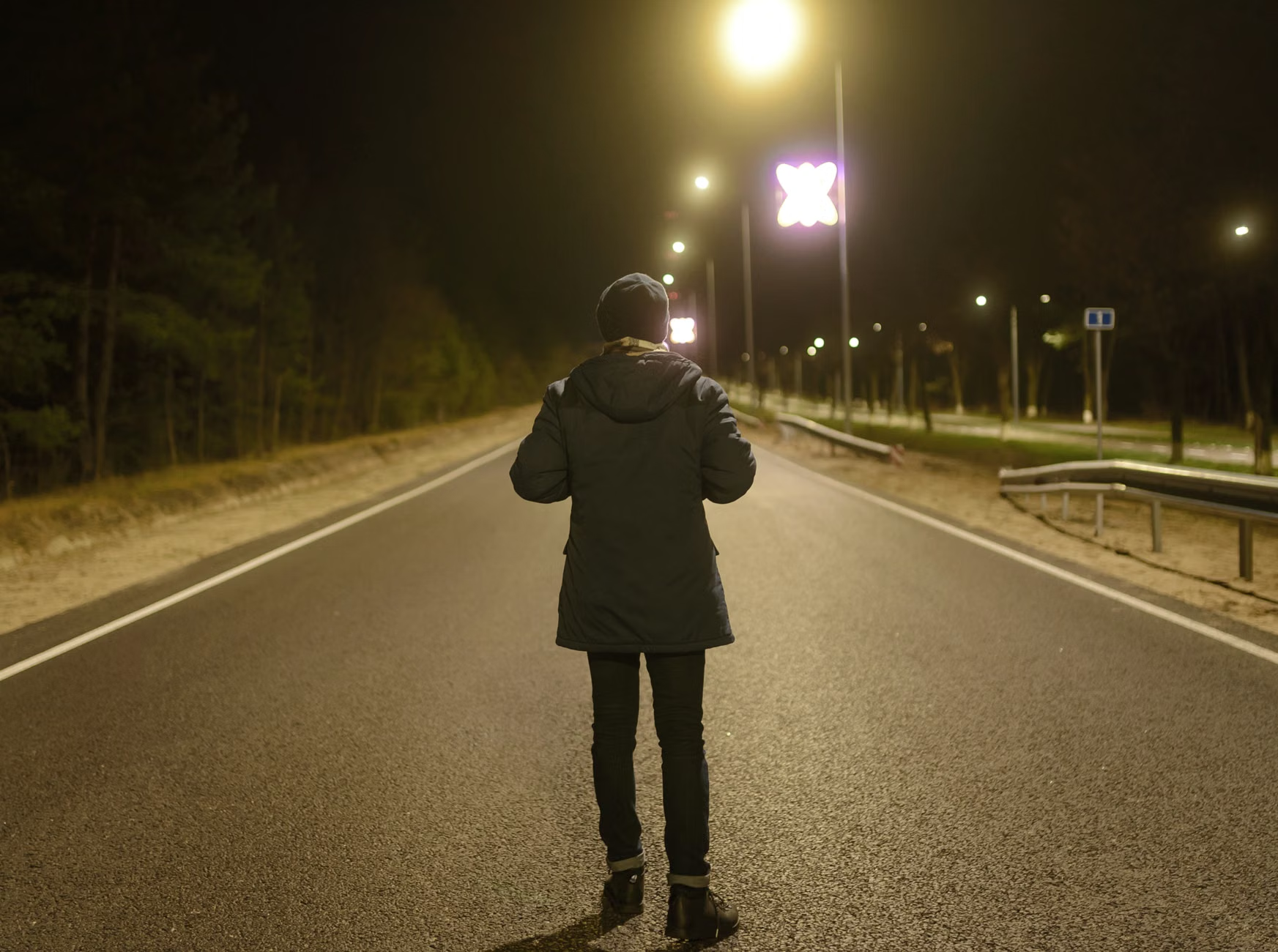
One of the most significant advancements in 2026 is the widespread deployment of “adaptive” or “smart” lighting systems. These systems use infrared or radar sensors to detect movement. When a pedestrian enters a zone, the lights brighten to an optimal level; when the area is empty, the lights dim to a baseline level to save energy and reduce light pollution.
For the individual, this means that paths are never pitch-black, but also never overwhelmingly bright. This technology is particularly beneficial for:
- Identifying Obstacles: High-resolution, uniform illumination makes it easier to spot curbs, uneven pavers, or debris.
- Reducing Glare: By controlling the intensity, the system prevents the “blinding” effect that occurs when walking from a dark area into a high-intensity pool of light.
- Mental Comfort: Knowing that a path will “wake up” as you approach provides a psychological boost, encouraging evening walks and social participation.
Checklist for Evaluating Your Local Lighting
If you find that your local walking routes feel unsafe or difficult to navigate at night, you can perform a personal “lighting audit.” Use this checklist to identify specific issues that you can report to your local council or municipality:
| Feature | What to Look For | Why it Matters |
|---|---|---|
| Glare | Can you see the bare light bulb or LED chip directly? | Direct glare causes temporary “blind spots” in older eyes. |
| Uniformity | Are there “zebra stripes” of light and dark on the ground? | Inconsistent lighting makes it hard to judge depth/distance. |
| Color | Is the light harsh blue/white or soft/warm yellow? | Warm light is proven to be easier on aging eyes. |
| Placement | Is the light behind you, casting your shadow in front? | Lighting should be positioned to illuminate the path *ahead* of you. |
While infrastructure is improving, it is not perfect. As an active adult, adapting your habits to current lighting limitations can significantly reduce the risk of trips and falls. The most important strategy is to plan your routes based on lighting, not just distance.
Many cities now offer “light-safe” maps or apps that highlight well-lit corridors. If you are planning an evening trip to a restaurant or a community center, consider the following:
- The “Shadow Test”: If you are walking in an area with poor lighting, avoid walking near walls or trees where shadows can mask changes in ground elevation.
- Footwear Matters: When walking at night, wear shoes with high-traction soles. Even with good lighting, depth perception is inherently lower at night, and better grip provides a vital safety buffer.
- Use Reflective Accessories: While this is for visibility to others (like cyclists or drivers), it also helps you be seen by others, reducing the risk of collisions in shared-use paths.

The Role of Policy and Public Advocacy
In 2026, many jurisdictions have updated their “Age-Friendly City” guidelines to include specific lighting requirements. For instance, the World Health Organization’s (WHO) updated framework for age-friendly environments now emphasizes that lighting is a fundamental pillar of mobility.
If you live in a region that has not yet adopted these standards, you have the right to advocate for them. Most local governments have a “Public Works” or “Transportation” department that manages street lighting. When reporting an issue, avoid vague complaints like “the light is bad.” Instead, provide specific, actionable feedback:
- “The fixture at [Intersection X] is flickering and causes significant glare, making it difficult to see the curb.”
- “The path between [Park Entrance] and [Parking Lot] is completely unlit, posing a trip hazard for older residents.”
By framing your request around safety and accessibility rather than just “complaining,” you are more likely to get a response from municipal planning committees.
Beyond the Basics: Overlooked Factors in Lighting
There are several variables that are often overlooked in the discussion of outdoor lighting. One is the adaptation time. When moving from a brightly lit indoor space (like a shopping mall) to an outdoor environment, the eyes need time to adjust. A common mistake is rushing out of a building into the dark. If you feel “blind” when you step outside, wait for 30 to 60 seconds in the doorway until your eyes adjust to the ambient light levels before proceeding.
Another overlooked variable is weather-related glare. In rainy or snowy conditions, light reflects off wet surfaces, creating a “mirror effect” that can make it almost impossible to distinguish between a flat road and a hole or puddle. In such conditions, even the best-lit streets can be dangerous. The most practical advice is to avoid walking in high-glare weather conditions if you have limited depth perception or mobility challenges.
Conclusion: Taking Control of Your Night-time Mobility
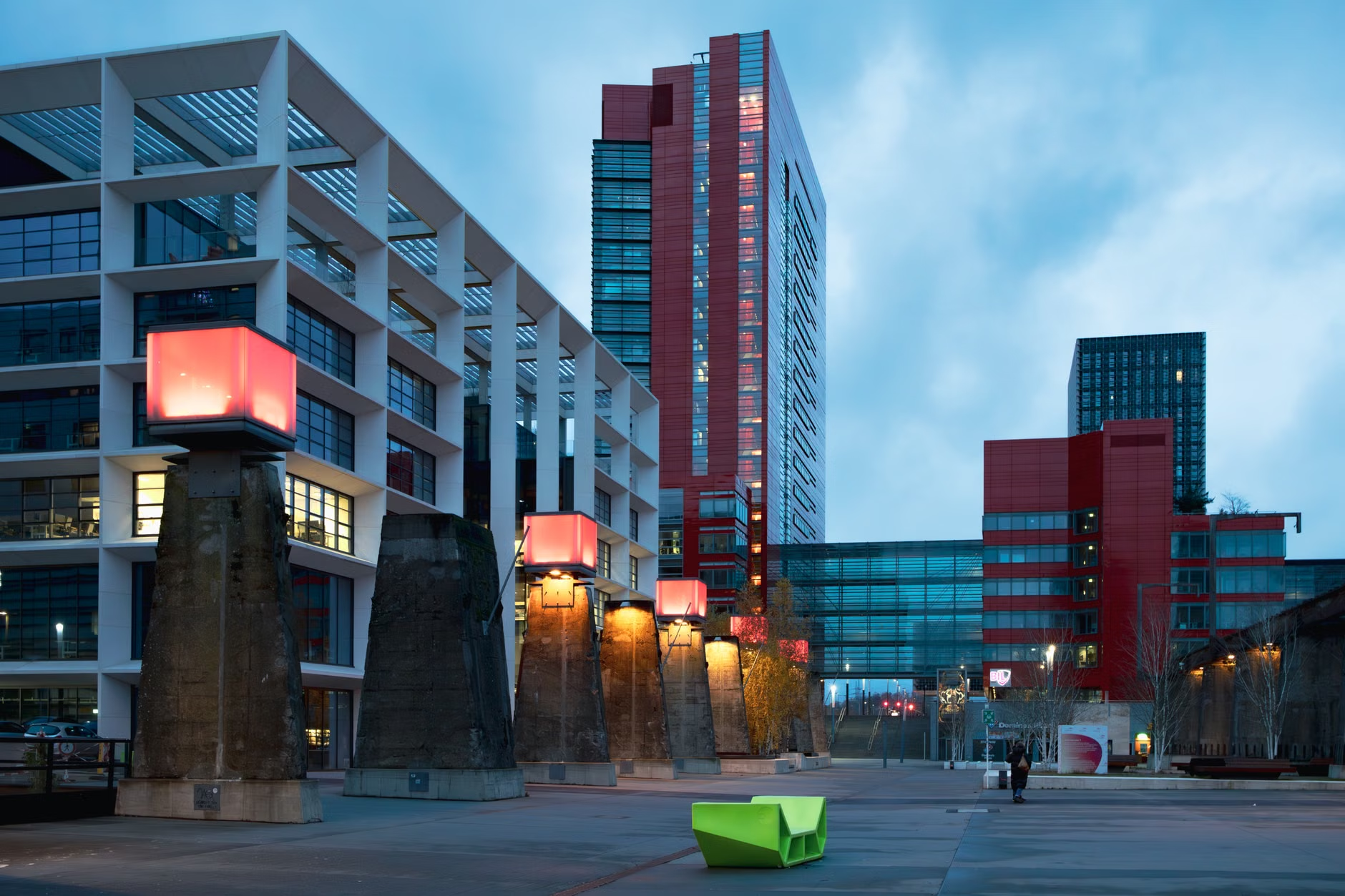
The advancements in 2026 represent a major step forward, but the ultimate responsibility for safe navigation rests on our own awareness and preparation. By understanding how your eyes react to different light spectrums, choosing well-lit routes, and advocating for better infrastructure in your community, you can maintain your active lifestyle well into your later years. Remember: you are not just a user of public space; you are a stakeholder in its design. Your feedback can help shape a safer environment for everyone.
Frequently Asked Questions (FAQ)
1. Why do some new LED lights feel “too bright” or “stinging” to my eyes?
This is often due to a high concentration of blue light, which scatters more easily in the human eye as it ages. This scattering causes glare and can make it harder to focus on the ground. If you experience this, look for cities or neighborhoods that use “warm-spectrum” LEDs (typically labeled as 2700K or 3000K), which are much softer and more comfortable.
2. Should I carry a flashlight even if the streets have streetlights?
Yes, carrying a small, high-lumen LED flashlight is a highly recommended safety habit. It serves two purposes: it helps you identify potential hazards like loose paving stones or wet leaves, and it makes you significantly more visible to drivers and cyclists. Always point the beam at the ground about 2-3 meters ahead of you to avoid blinding others.
3. How can I find out if my city has an “Age-Friendly” lighting policy?
Most cities that participate in the WHO Global Network for Age-friendly Cities and Communities publish their infrastructure plans online. Search your city’s official government website for terms like “Age-Friendly Action Plan,” “Pedestrian Master Plan,” or “Public Lighting Strategy.” These documents will outline whether the city has made commitments to improving lighting for seniors.
Official Source References:
– WHO Global Network for Age-friendly Cities and Communities
– Illuminating Engineering Society (IES) – Guidelines on Lighting for Aging Eyes
– European Commission Urban Environment Guidelines
To further elaborate on the technical side of lighting, it is essential to distinguish between illuminance (the amount of light falling on a surface) and luminance (the amount of light reflected back to the eye). For an older adult, high illuminance is not always better. If the surface is highly reflective (like polished concrete or wet asphalt), high illuminance can actually increase glare, making it harder to distinguish the path. This is why modern urban planners are shifting toward matte-finish pavements and lower-intensity, high-uniformity lighting. This combination ensures that the light is used to create a clear, glare-free visual field, which is the gold standard for accessibility in 2026.
Furthermore, the integration of smart sensors is not just about energy savings. In 2026, these sensors are being linked to city-wide data networks. If a specific street light fails, the system automatically alerts the maintenance department. This means that “dark spots” are repaired much faster than in the past, when the city relied on residents to call in reports. If you notice a light is out, check if your city has a mobile app for public works reporting—this is often the fastest way to get a repair scheduled.
In terms of personal safety, it is also worth noting the importance of contrast sensitivity. As we age, our ability to distinguish between shades of grey decreases. This is why stairs and curbs in public spaces are increasingly being painted with high-contrast strips (e.g., bright yellow or white). If you find yourself in a space that lacks these markings, use your flashlight to create a sharp shadow against the edge of the step or curb; this can help your brain interpret the change in depth more accurately.
Finally, remember that your health and wellbeing are the priority. If a route feels too dark or uncomfortable, it is perfectly acceptable to change your plans or choose a different mode of transport. The goal of these advancements is to provide you with more options, not to force you into environments that you find challenging. Always prioritize your comfort and confidence when deciding whether to go out in the evening.
(Note: The information provided above is for educational purposes and is based on general trends in urban planning and aging-in-place research as of 2026. Always consult your local municipal guidelines for specific regulations in your area.)