- Prioritize Surface Quality: Always verify if the promenade is paved with level stone or concrete rather than loose gravel or cobblestones to ensure stability for walking aids or mobility devices.
- Strategic Timing: Visit during off-peak hours, typically mid-morning on weekdays, to avoid crowds, minimize noise, and secure immediate access to seating and accessible restrooms.
- Audit Facility Proximity: Confirm the distance between parking, public transit drop-off points, and the market area to ensure your stamina is managed effectively throughout the visit.
Introduction: The Joy of Riverfront Markets
Riverfront promenade markets offer a unique blend of local culture, fresh produce, and scenic beauty. For travelers aged 60 to 80, these locations can be the highlight of a trip, provided they are selected with an eye toward accessibility and personal comfort. Choosing the right market isn’t just about the goods on offer; it is about ensuring the physical environment supports your pace and mobility needs.
1. Evaluating Infrastructure: The Foundation of a Stress-Free Visit
The primary factor in selecting a market is the physical infrastructure. Before committing to a visit, you must assess whether the environment allows for comfortable movement. Unlike indoor malls, outdoor riverfronts can be unpredictable.
Surface Material and Gradient
Look for smooth, level surfaces. Cobblestones, while picturesque, are a significant trip hazard and difficult for those using canes, walkers, or wheelchairs. Seek out promenades with poured concrete, flat-cut paving stones, or dedicated boardwalks. Check online maps or satellite views to identify the ground texture. If the market is located on a slope, look for information regarding the gradient. A steep incline at the end of a long day can cause unnecessary fatigue or safety risks.
Accessibility of Facilities
A “senior-friendly” market must have accessible public restrooms within a short distance of the main thoroughfare. Do not assume that a public park-like setting has high-quality facilities. Check the local council’s website or tourism board for “accessible toilet” maps. In many European and North American cities, these facilities are well-documented. If you are traveling internationally, research the specific accessibility standards of that country, as the definition of “accessible” varies significantly between regions.
2. Planning for Stamina and Rest
Managing physical stamina is not about limiting your activity; it is about pacing your experience to maximize enjoyment. A common mistake is attempting to traverse a large market in one continuous loop without breaks.
The “Rest-Stop” Strategy
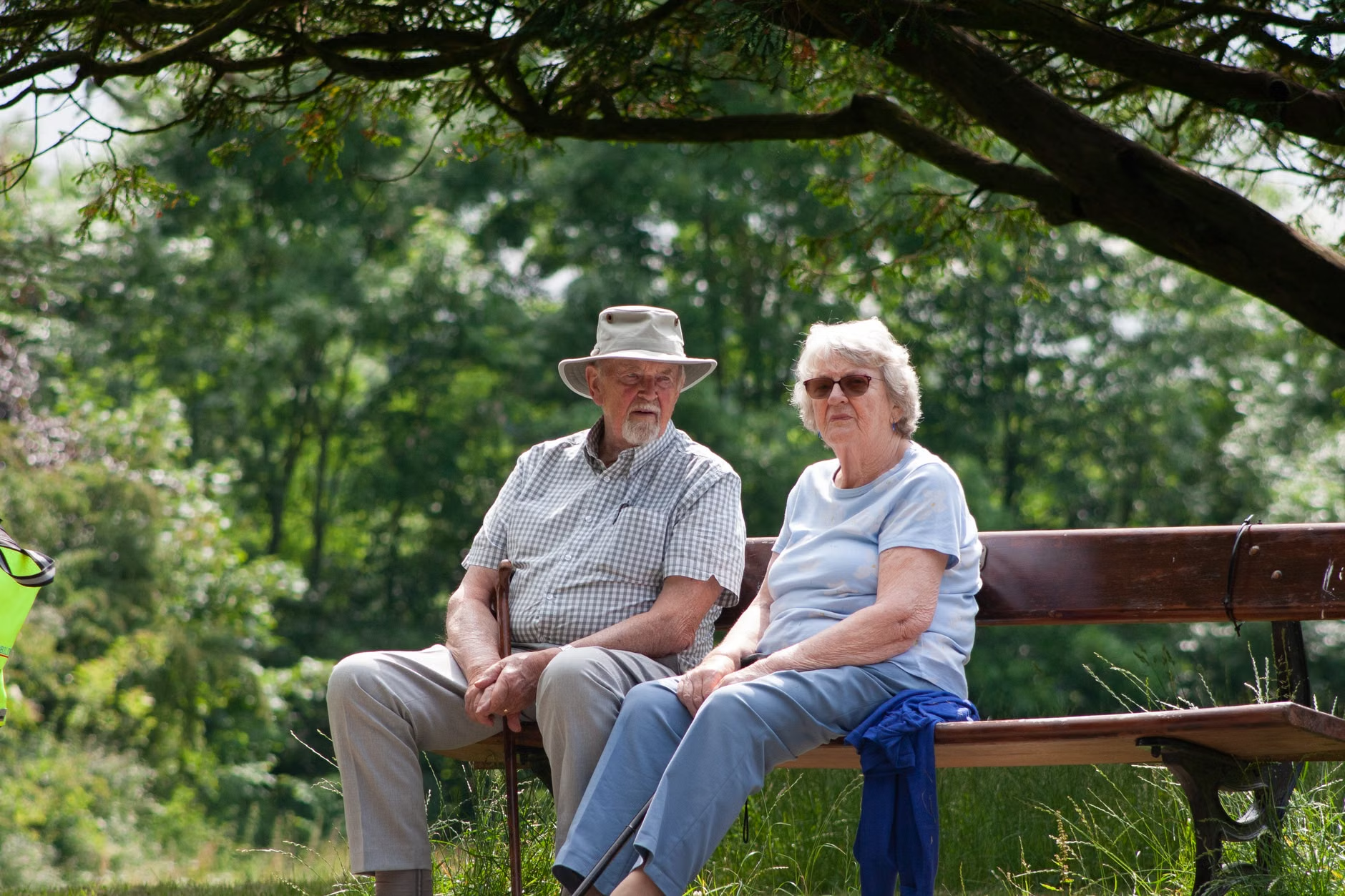
Before leaving, identify the location of benches and shaded areas. Many modern riverfronts are designed with “rest zones” every 50 to 100 meters. If a market is known for being crowded, these benches may be occupied. Carry a lightweight, foldable cane-seat if you are concerned about finding a place to sit. This provides you with an instant rest option regardless of the crowd density.
Pacing and Distance Management
Consider the total walking distance. A riverfront market might look small on a map but can stretch for kilometers. Use a simple rule: if you can comfortably walk for 30 minutes, plan a visit that allows for 15 minutes of walking followed by a 10-minute seated break. This ensures you remain within your comfort zone and keeps your energy levels stable for the return trip.
The transition from your transport to the market is often the most challenging part of the trip. Whether you are using a taxi, a bus, or a private vehicle, the drop-off location is critical.
Parking and Drop-off Considerations
| Transport Mode | Key Advantage | Accessibility Tip |
|---|---|---|
| Private Vehicle | Control over departure time | Check for blue-badge/disabled parking spots near the entrance. |
| Public Bus/Train | Cost-effective and often central | Verify low-floor bus or step-free station access. |
| Taxi/Rideshare | Door-to-door convenience | Request drop-off at a specific, marked “accessible” entrance. |
The table above highlights that while public transit is excellent for many, a taxi or rideshare often provides the most direct access to the market entrance, significantly reducing the “first-mile” fatigue of walking from a distant parking lot.
4. Assessing Market Density and Safety
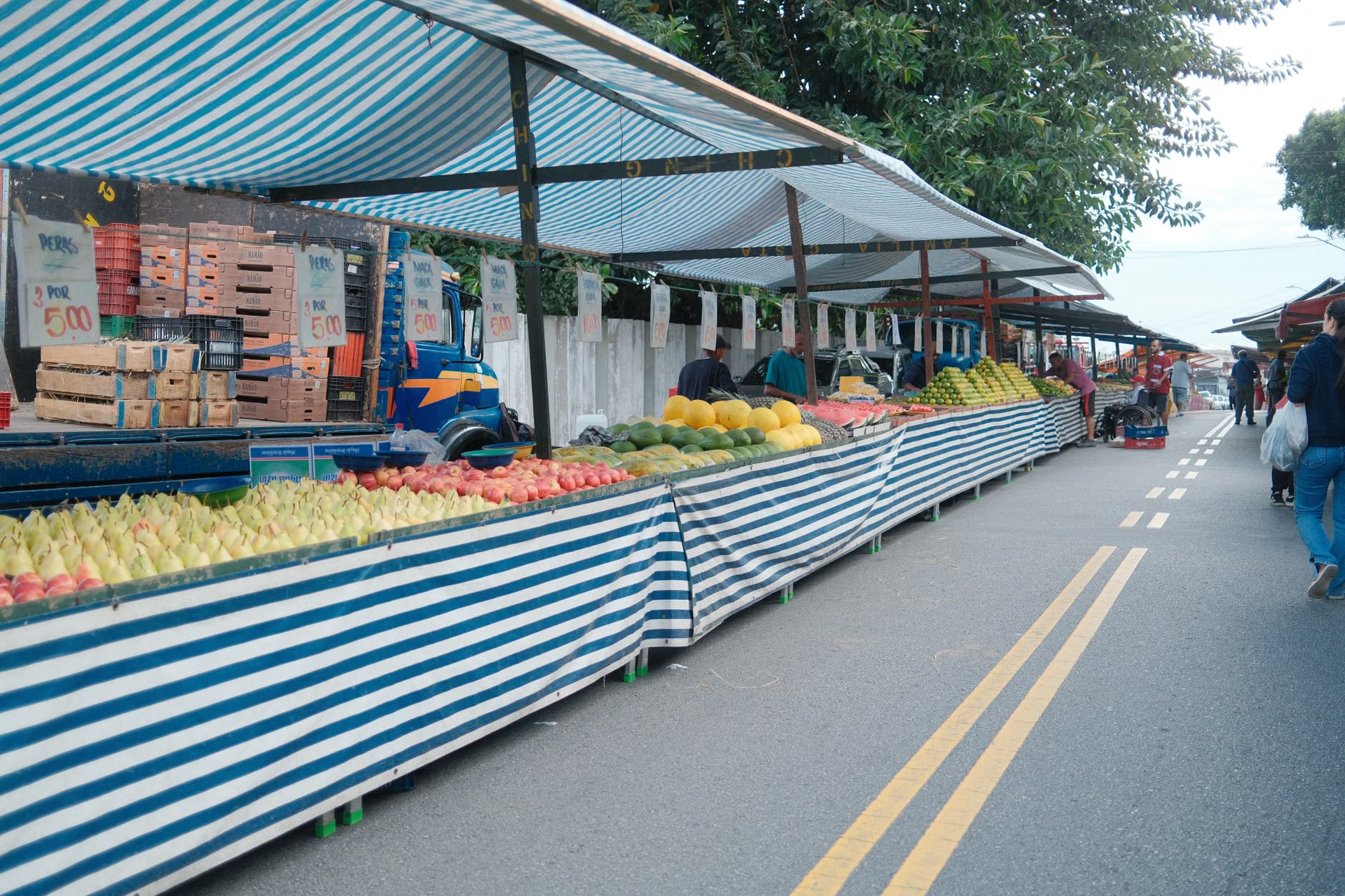
Crowds are a significant variable in market accessibility. High density not only restricts movement but also increases the risk of collisions or tripping. A market that is enjoyable on a Tuesday morning may be inaccessible and overwhelming on a Saturday afternoon.
The Timing Advantage
Always aim for the “opening window.” Arriving 30 minutes after the market opens allows you to browse before the midday rush. This timing ensures that you have clear lines of sight, which is essential for identifying tripping hazards or navigating around uneven stalls. Furthermore, vendors are generally more attentive and helpful during quieter periods, allowing for a more relaxed interaction if you have questions about products.
5. Practical Safety and Health Preparation
When traveling, especially to unfamiliar locations, preparation is your best defense against unexpected challenges.
Health Documentation and Medication
Always carry a small card with your emergency contact information, current medications, and any significant medical conditions. If you are traveling in a country where you do not speak the language, have these details translated on your card. This is not about expecting an emergency, but about ensuring you have the necessary information ready if you need to ask for assistance or visit a pharmacy.
Hydration and Nutrition
Market settings often involve exposure to the elements. Ensure you are hydrated, even if the weather seems mild. If you have specific dietary needs, do not rely on finding suitable food at the market stalls. Pack a small, shelf-stable snack and a bottle of water. This prevents the “rushed” feeling of having to find a restaurant when you are hungry or fatigued.
6. Insights Beyond the Obvious: The Hidden Variable
One often overlooked variable is the “Sun-Angle Effect.” If you are visiting an east-facing riverfront in the morning, the glare off the water can be intense. This is not just a comfort issue; it can make it difficult to see uneven surfaces, curbs, or transition points in the pavement. Always wear polarized sunglasses and a hat with a brim. This simple adjustment can significantly improve your depth perception and overall safety while navigating the promenade.
Furthermore, consider the “connectivity” of the market. Does the promenade connect to a museum, a park, or a library? These locations often have better-maintained public restrooms and air-conditioned spaces that can serve as an “escape” if the outdoor temperature becomes uncomfortable.
Conclusion: Enjoying the Experience
Selecting an accessible riverfront market is a process of managing variables—surface, timing, and proximity. By focusing on these practical elements, you ensure that your outing remains a source of pleasure and discovery rather than a physical challenge. Remember, the goal is to enjoy the atmosphere at your own pace. If a section of the market looks too crowded or difficult to navigate, do not hesitate to turn back or find a quieter area. Your comfort is the primary metric of a successful trip.
Frequently Asked Questions
How can I find out if a specific market is truly accessible?
Start by checking the official city or tourism board website. Look for terms like “step-free access” or “wheelchair accessible.” If information is sparse, search for the market on Google Maps and look at the “Street View” to inspect the pavement quality and entrance points yourself.
What should I do if I feel overwhelmed by the crowds?
Identify a “safety valve” before you enter the market—this could be a nearby cafe, a public library, or a park entrance. If you feel overwhelmed, head directly to that pre-identified space to rest, hydrate, and recalibrate before deciding whether to continue or head home.
Should I bring my own mobility aid even if I feel “okay”?
Yes. If you have a foldable cane or a lightweight walker, bringing it provides a safety net. It allows you to navigate longer distances with less effort and provides stability on surfaces that may be more uneven than expected. It is better to have it and not need it than to need it and not have it.
For more information on accessible travel standards, you may refer to the World Health Organization’s guidelines on disability and health environments, which offer insights into how public spaces can be made more inclusive for all ages.