- Extended Crossing Times: By 2026, many major cities are adopting “Slow-Walking” signal timings, providing 20-30% more time for pedestrians to cross safely.
- Tactile and Visual Consistency: New global standards prioritize high-contrast surfaces and non-slip materials to reduce trip hazards for those with vision or balance challenges.
- Resting Infrastructure: The “300-meter rule” is becoming a standard, ensuring public seating is available every 300 meters on high-traffic pedestrian routes.
By 2026, urban planning is undergoing a fundamental shift: moving away from vehicle-centric design toward age-inclusive environments. For adults aged 60 to 80, this transition is not merely about aesthetics; it is a critical improvement in daily independence, safety, and the ability to navigate your local community without reliance on private transport.
The Evolution of Pedestrian Infrastructure in 2026
The global shift toward age-inclusive pathways is driven by the “Age-Friendly City” framework championed by organizations like the World Health Organization (WHO). As global demographics shift, urban planners are recognizing that a street safe for an 80-year-old is ultimately safer for everyone, including parents with strollers and people with temporary injuries.
What does this look like in practice? It moves beyond simple sidewalk repair. The 2026 standard focuses on the “Continuous Path of Travel.” This means that from your front door to the local grocery store or clinic, there should be no abrupt changes in surface, no steep gradients that are not managed by ramps, and consistent lighting.
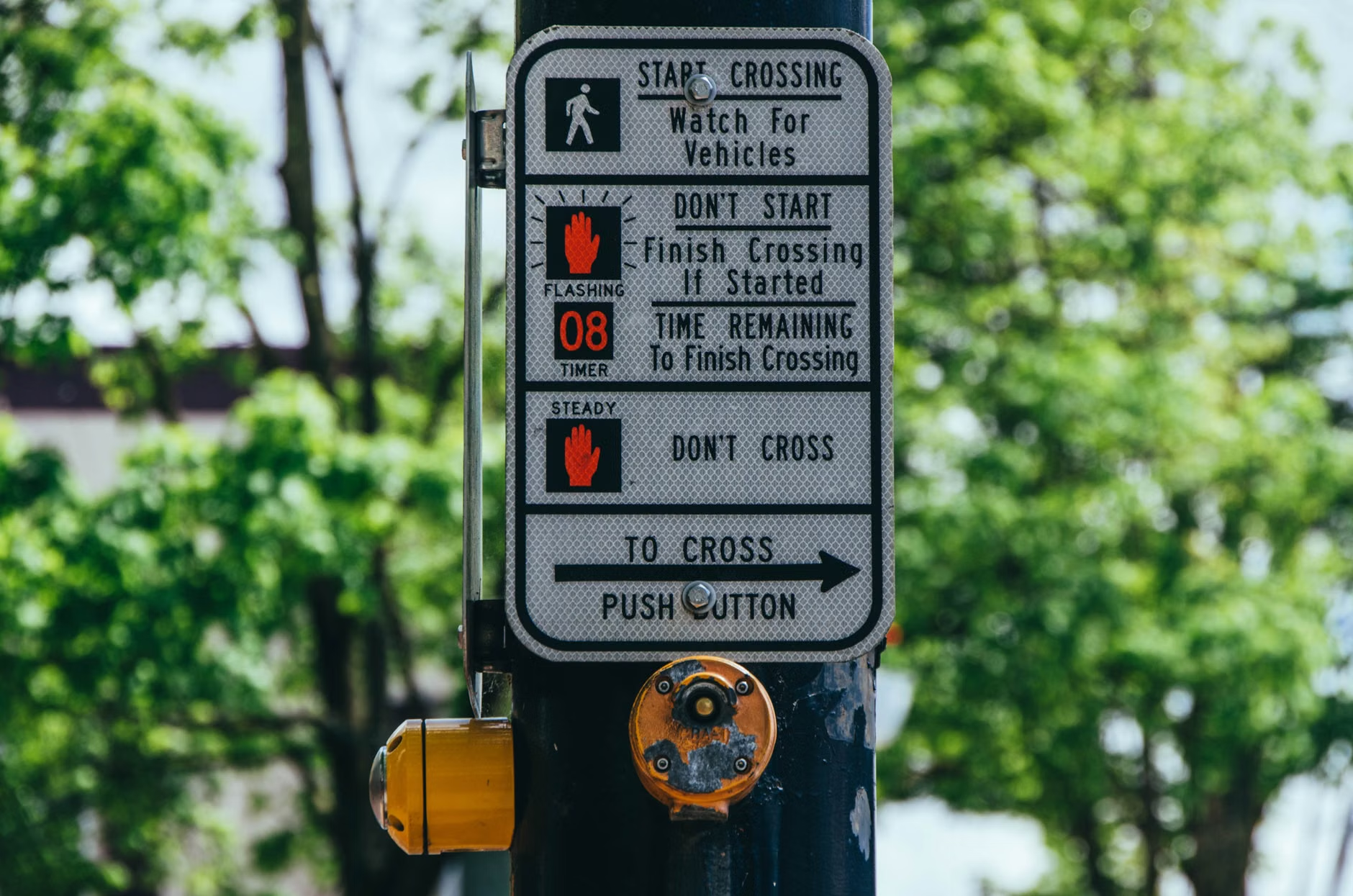
Why “Slow-Walking” Signals Matter
One of the most significant changes being rolled out in major metropolitan hubs—from Singapore to Copenhagen—is the adjustment of “walk” signals. Historically, traffic engineers calculated crossing times based on a walking speed of 1.2 meters per second. This speed is often unrealistic for older adults, particularly those using mobility aids.
The 2026 standard advocates for a reduction to 0.8 or 0.9 meters per second. In real-world terms, if a road is 20 meters wide, this provides an extra 6 to 8 seconds of crossing time. For the pedestrian, this removes the “hurry-up” anxiety that leads to falls or cardiac strain.
Essential Features of an Age-Inclusive Path
When evaluating the safety of your local neighborhood, use this checklist to determine if your routes meet the modern standard. These features are not just “nice to have”; they are functional requirements for safe mobility.
| Feature | Standard Requirement | Why it Matters |
|---|---|---|
| Surface Quality | Firm, flat, and non-slip | Prevents tripping and allows for smooth rolling of mobility aids. |
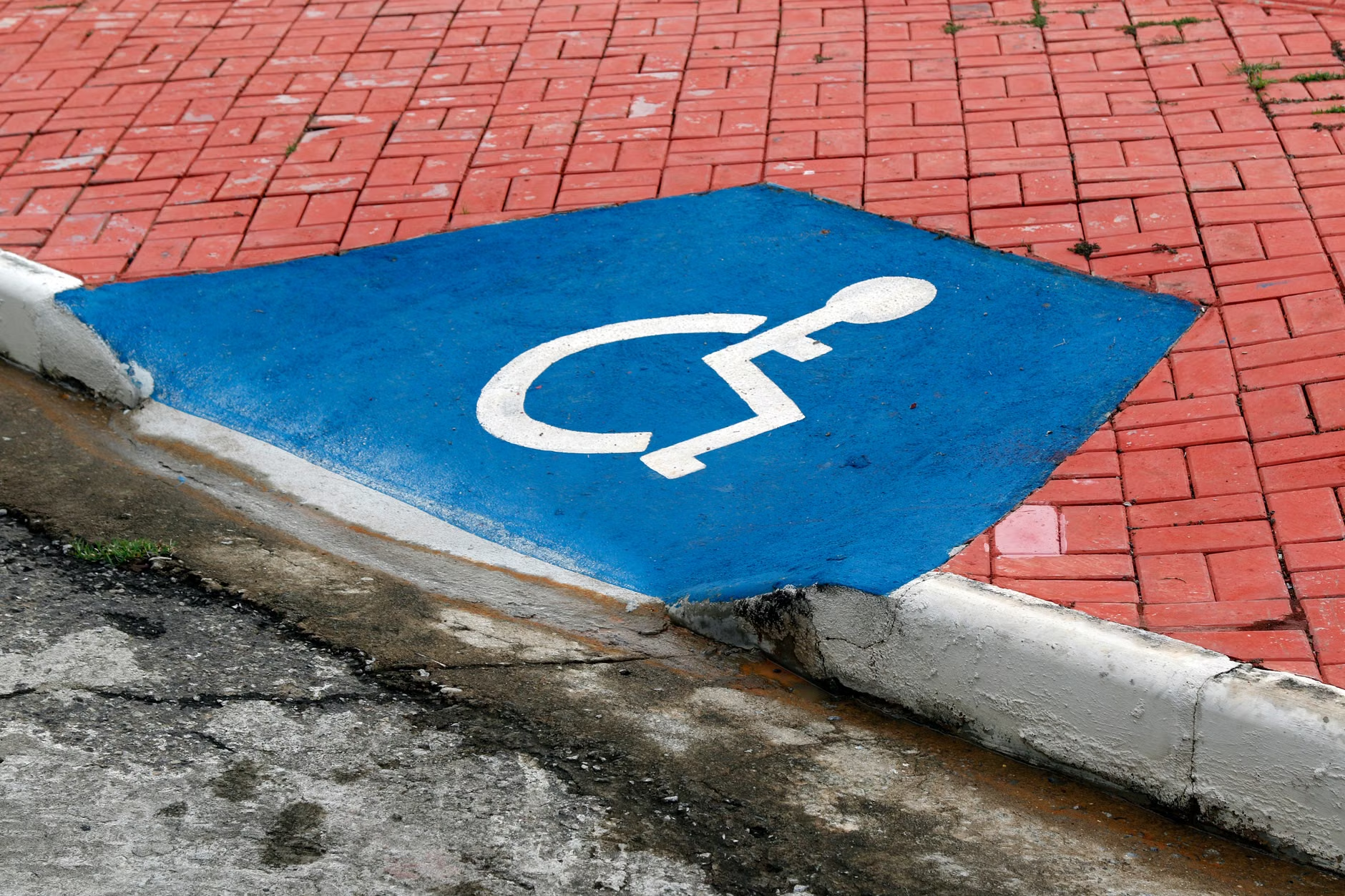
| Curb Ramps | Maximum 1:12 slope | Ensures easy transition between sidewalk and road level. |
| Resting Points | Every 300 meters | Prevents overexertion and manages fatigue. |
| Lighting | Uniform, warm-spectrum LED | Improves depth perception and obstacle identification at night. |
If you find that your local area lacks these features, the first step is often contacting your local council or municipal public works department. Many cities now have “Accessibility Audit” programs where residents can report specific intersections or blocks that fail to meet these criteria.
The “300-Meter Rule”: Managing Stamina and Fatigue
Fatigue is a primary factor in fall-related injuries among older adults. The 2026 global push for “Resting Infrastructure” is based on the 300-meter rule. This rule posits that an older adult should never be more than 300 meters away from a place to sit. This distance is chosen based on average walking stamina for adults aged 70+, accounting for varying health conditions.
What to look for in a bench:
- Armrests: These are critical. They provide the leverage needed to push yourself up when standing. A bench without armrests is significantly harder to exit from.
- Back Support: Essential for lumbar comfort, especially for those with spinal conditions.
- Height: The seat should be at a “chair height” (approx. 45–50 cm), which is much easier to sit down into and rise from than low-slung modern design benches.
If your local shopping street has benches that are too low or lack armrests, it is a valid accessibility concern. Many local governments in the EU and North America provide grants for businesses to upgrade their street furniture to be “age-inclusive.”

While infrastructure is improving, you still need to navigate the world as it exists today. Here is how to apply current best practices to your daily routines:
1. Planning Your Route by Gradient
Many modern map applications now allow you to select “flat” routes. If you are using a digital map, look for the “elevation” or “terrain” settings. Even a 5-degree incline can feel like a mountain when you have joint pain or limited breath capacity. Choosing a route that is 100 meters longer but flat is almost always better for your stamina than a steep shortcut.
2. The “Visibility First” Rule
As cities update their lighting, they are moving away from harsh, high-glare lights toward diffused, warm-spectrum lighting. However, if you walk in areas with older infrastructure, glare from wet pavement or poorly placed streetlights can hide trip hazards. Wearing high-visibility accessories—even during the day—is a practical way to ensure you are seen by cyclists and drivers, who may be distracted by their own navigation technology.
3. Communicating with Local Authorities
If you encounter a recurring issue—such as a broken curb ramp or a signal that turns red too quickly—do not assume “someone else will report it.” Most municipalities now have apps (e.g., “SeeClickFix” or local equivalents) that allow you to take a photo of the hazard and submit it for repair. These systems are typically tracked, and your submission creates a record that the city is legally obligated to address.
Future-Proofing Your Mobility
The 2026 shift is about more than just concrete and traffic lights; it is about the right to navigate your environment with dignity. By understanding these standards, you can better advocate for your needs and choose routes that prioritize your physical wellbeing.
Remember that your mobility is a combination of your physical readiness and the environment you choose to move through. Never feel pressured to keep pace with younger, faster walkers. If you are using a public transport system, check if your local transit authority has an “accessibility guide”—most major cities (such as London, New York, or Tokyo) provide detailed maps showing where the elevators are, which entrances are step-free, and where the level-boarding platforms are located. Utilizing these resources is not a sign of frailty; it is a sign of smart, intentional living.
As we move further into 2026, keep an eye on your local municipal newsletters. Many cities are launching “Age-Friendly” initiatives that include free or subsidized audits of homes and local walking routes. Engaging with these programs can provide you with the tools to stay active, connected, and safe in your community for years to come.
Frequently Asked Questions
1. How can I find out if my local city is adopting these 2026 age-inclusive standards?
Most cities that commit to these standards publish an “Age-Friendly City Action Plan.” You can find this by searching your city’s official website along with the terms “Age-Friendly” or “Active Travel Plan.” If you cannot find a specific document, contact your local council’s planning department and ask about their policy on “Universal Design for Pedestrians.”
2. Are these new crossing timings universal across all countries?
No. These are guidelines, not universal laws. Countries like Japan, Singapore, and several EU nations have been faster to implement these standards. In other regions, adoption is localized to major cities. Always check local traffic regulations if you are traveling to a new city, as crossing times can vary significantly depending on local policy.
3. What should I do if a public sidewalk is consistently blocked by scooters or delivery items?
Sidewalk obstruction is a major safety hazard. If you encounter this, document the location and the nature of the obstruction. Most cities have a dedicated “Public Rights of Way” or “Street Maintenance” department. Reporting the issue through their official portal creates a paper trail, which is the most effective way to ensure the city enforces its own accessibility bylaws regarding clear pedestrian paths.
Sources: