- Prioritize Luggage Logistics: Use lightweight, four-wheeled spinner suitcases and avoid heavy lifting by utilizing station porter services or pre-booking luggage transfers.
- Assess Accessibility Before Booking: Heritage trains often lack modern infrastructure; always verify platform heights, carriage door widths, and onboard toilet accessibility directly with the operator.
- Strategic Comfort Packing: Pack modular layers, ergonomic support cushions, and a “day-of-travel” kit containing essential medications to manage stamina and comfort during long journeys.
Heritage train travel offers a unique, nostalgic way to explore the world’s landscapes at a pace that is often more relaxed than modern high-speed rail. However, the charm of vintage carriages—often characterized by steep steps, narrow corridors, and lack of modern automated boarding—requires intentional preparation for older travelers. This guide provides a comprehensive framework for planning and packing to ensure your journey is safe, comfortable, and enjoyable.
Understanding the Heritage Train Experience
Unlike modern commuter trains designed for high-volume, rapid transit, heritage railways are often preserved for their historical significance. This often means that the infrastructure has not been retrofitted for universal accessibility. When you choose a heritage route, you are choosing character over convenience, which makes your pre-trip research and packing strategy the most critical components of your travel success.
The Reality of Onboard Mobility
Heritage carriages typically feature high entry steps, sometimes requiring a climb of 30-50 centimeters from the platform level. If you have limited mobility, this is the first hurdle. Most heritage operators can provide assistance, but this must be requested at least 48 to 72 hours in advance. Do not assume the train crew will be available to lift heavy luggage or provide physical support without prior notice.
Strategic Packing for Heritage Rail
Packing for a heritage train trip is fundamentally different from packing for a hotel stay. You are managing your belongings through potentially crowded platforms, narrow aisles, and limited storage space.
The Luggage Strategy: The “Less is More” Rule
The most common mistake senior travelers make is bringing luggage that is too heavy or cumbersome for the train’s storage racks. Many heritage carriages feature overhead racks that are narrow and high, or space beneath seats that is restricted by heating pipes or mechanical components.
Recommended Luggage Profile:
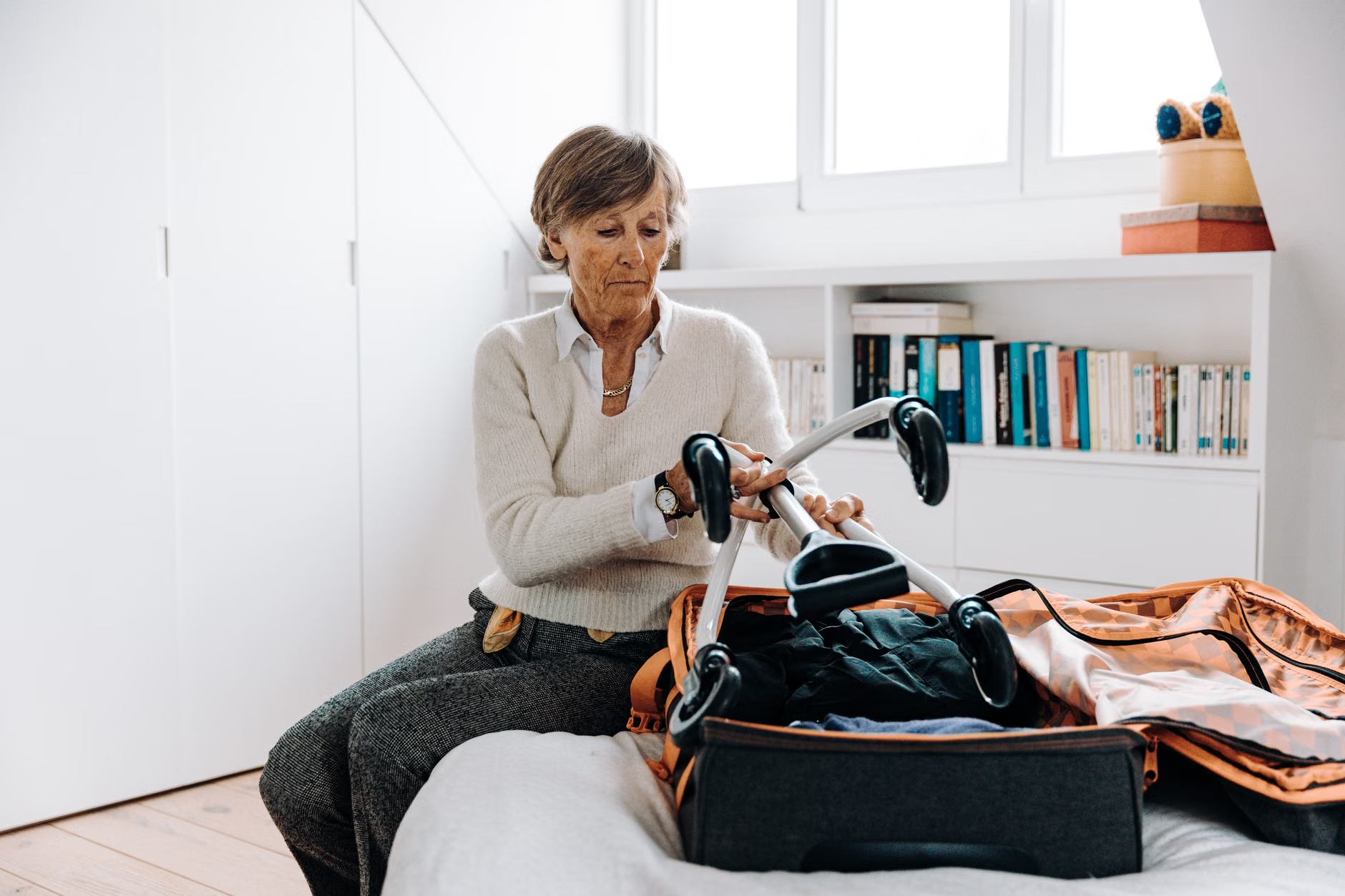
- Main Case: A medium-sized, four-wheeled spinner suitcase. The four wheels allow the bag to move alongside you rather than being pulled behind you, which reduces strain on the shoulder and lower back.
- Day Bag: A cross-body bag or a small backpack with a waist strap. This keeps your hands free to hold onto railings when boarding or moving through the train.
- Weight Limit: Aim for a main suitcase weight that you can lift independently to waist height. If you cannot do this, assume you will need assistance and pack accordingly to ensure that help is accessible.
The “Essential Kit” for Onboard Comfort
Heritage trains can be drafty in the winter or overly warm in the summer, as many lack modern climate control systems. Your personal day bag should act as your “survival kit” for the duration of the ride.
| Item | Why It Matters | Practical Tip |
|---|---|---|
| Ergonomic Cushion | Vintage wooden or thin-padded seats can cause pressure sores or back fatigue. | Use an inflatable or high-density foam travel cushion. |
| Layered Clothing | Temperature regulation is difficult in historic carriages. | Wear a base layer, a warm cardigan, and a light windproof shell. |
| Medication Organizer | Ensures you have access to critical medicine without digging through luggage. | Carry a 24-hour supply in your day bag, not in your checked luggage. |
| Hydration/Snacks | Onboard catering may be limited or physically difficult to reach. | Pack non-perishable items like nuts or dried fruit. |
When booking, the term “accessible” can mean different things. In some countries, it refers to wheelchair-accessible carriages with ramps; in others, it may simply mean a wider door. You must ask specific questions to determine if a route is appropriate for your current mobility level.
Key Questions to Ask Operators
- Boarding: “Is there a level-access ramp available, or are there steps to board?”
- Internal Movement: “Is the carriage corridor wide enough for a walker or a mobility aid?”
- Restrooms: “Are there accessible toilets on the train, or are they located only at the stations?”
- Staffing: “Is there a staff member assigned to assist passengers with boarding and disembarking?”
Stamina Management and Pacing
Heritage rail journeys are often slower than modern travel. A 50-kilometer trip might take two hours. It is vital to manage your stamina by planning for “recovery windows.”
The 30-Minute Rule
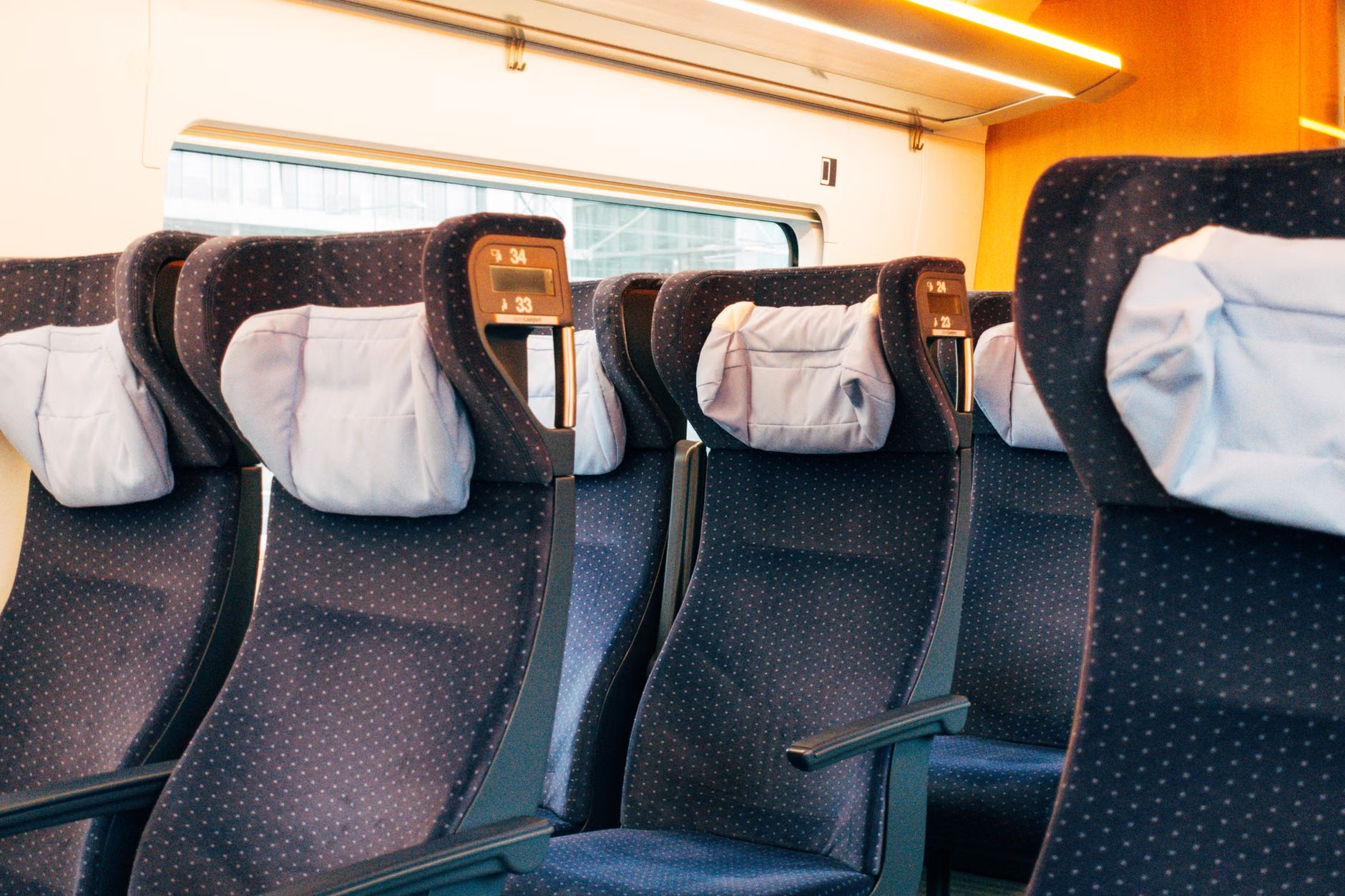
If you have limited stamina, do not attempt to walk the length of the train to find the buffet car or the best view. Instead, choose a seat closer to the boarding area or the middle of the train. If you must move, aim to do so when the train is stationary at a station, as the movement of the train can make walking through narrow, swaying aisles difficult for those with balance concerns.
Health Preparation and Preventive Care
Travel, even on a scenic train, involves changes in routine that can affect health. Maintaining your regular habits is the best way to prevent discomfort.
Medication and Documentation
Always carry an updated list of your medications, including dosages and the contact information for your primary care physician. If you use a mobility aid, such as a cane or a folding walker, ensure it is clearly labeled with your contact information. In the event of a medical concern during travel, having your health history readily available allows medical personnel to provide faster, more accurate care.
Managing Hydration and Nutrition
Heritage trains often do not have the same food safety standards or variety as modern long-distance trains. If you have specific dietary needs, such as low-sodium or gluten-free requirements, do not rely on the onboard menu. Always bring your own food. Regarding hydration, limit diuretic beverages like coffee or strong tea before the journey if the train’s restroom access is limited or difficult to navigate.
Hidden Variables: What Most Travelers Overlook
Beyond the basics of packing and mobility, there are two often-overlooked variables that can significantly impact your experience: vibration and noise.
Heritage trains, particularly steam locomotives, produce significant vibration and high-decibel noise. If you wear hearing aids, consider bringing a set of noise-canceling earplugs or an adjustable volume setting for your devices to prevent sensory overload. The constant vibration can also exacerbate conditions like arthritis or joint pain. Sitting closer to the center of the carriage—away from the wheel bogies—can help dampen the impact of the tracks.
Checklist for a Successful Heritage Journey
- Pre-Trip: Call the railway operator to confirm the specific carriage type for your booking.
- Packing: Pack a “comfort kit” with a cushion, water, and essential meds in a small, lightweight bag.
- Clothing: Dress in layers and wear closed-toe, non-slip footwear to navigate potentially uneven floorboards.
- Documentation: Keep a copy of your tickets, seat assignments, and any accessibility assistance requests in a folder in your day bag.
- Onboard: Locate the nearest restroom and emergency stop button as soon as you are seated.
Conclusion: Taking the Next Step
Heritage train travel is a rewarding way to see the world, provided you prioritize your physical safety and comfort through thoughtful planning. The key is not to view these constraints as limitations, but as factors to be managed. By choosing the right gear, asking the right questions, and pacing your movements, you can enjoy the history and scenery of the rails without unnecessary stress. Your next step is to research the specific heritage line you intend to visit and confirm their accessibility protocols—do not leave these details to chance on the day of your departure.
Frequently Asked Questions (FAQ)
1. Can I bring a folding wheelchair or walker on a heritage train?
Most heritage trains can accommodate folding mobility aids, but it is not guaranteed. You must contact the operator to confirm if there is sufficient space in the luggage area or the seating carriage for your specific device. Some smaller, historic carriages have very narrow doors that may not accommodate standard-width mobility aids.
2. Are heritage trains equipped with modern, accessible toilets?
Rarely. Many heritage railways use original or restored carriages that feature traditional, narrow restrooms that are not compliant with modern accessibility standards. If an accessible toilet is a requirement for your travel, you must confirm with the railway if they have a dedicated “accessible” carriage, which is often a later-model carriage added to the heritage consist.
3. How can I ensure I get a seat that is easy to access?
When booking, request a seat in the middle of the carriage near the boarding doors. Avoid seats at the very end of the car, as these are often near the vestibules where passengers congregate and where the swaying of the train is most pronounced. If you are booking online, look for a seating map or call the reservation line to request a seat that avoids stairs or tight corners.
For further information on specific accessibility standards, refer to the national rail authority of the country you are visiting, such as the UK’s Office of Rail and Road or the US Department of Transportation, which provide guidance on passenger rights and accessibility expectations.