- Economic Efficiency: Tool-sharing libraries significantly reduce the initial investment in gardening, allowing you to trial specialized, ergonomic equipment before purchasing.
- Social Wellbeing: Beyond the physical labor, tool-sharing hubs act as “third places” that foster intergenerational connections and combat social isolation.
- Physical Accessibility: Participating in a shared program often provides access to adaptive tools specifically designed to reduce joint strain and improve leverage for older gardeners.
Gardening is one of the most rewarding ways to maintain physical activity, cognitive engagement, and a connection to nature. However, the barrier to entry—specifically the cost of high-quality tools and the storage space required—can often discourage participation. For many adults aged 60 to 80, the social and practical value of a community gardening tool-sharing program transforms gardening from a solitary, expensive chore into an accessible, collaborative lifestyle.
The Evolution of Tool-Sharing: Moving Beyond Ownership
In traditional gardening models, the “ownership” mindset dictates that every gardener must possess a full inventory of tools: spades, rakes, tillers, and specialized pruners. For those living in smaller residences, apartments, or retirement communities, this presents a logistical challenge. Where do you store a bulky rotary tiller? How do you justify the expense of a specialized root saw that you might only use once a year?
A community tool-sharing program—often organized through local libraries, community centers, or neighborhood garden associations—shifts the paradigm. Instead of individual ownership, members gain access to a “library of things.” This model is not just about saving money; it is about community resilience. When you share tools, you are also sharing the knowledge of how to use them effectively and safely.
As we age, the physical mechanics of gardening change. We must prioritize tools that offer better leverage, lighter weight, and ergonomic handles to protect our wrists, shoulders, and lower backs. High-quality ergonomic tools are notoriously expensive. A tool-sharing program allows you to “test-drive” professional-grade equipment without the financial risk of a purchase that may not suit your specific physical requirements.
Furthermore, the social value cannot be overstated. A tool shed is rarely just a place to store metal and wood; it is a hub for conversation. It is where you might ask a neighbor for advice on soil composition, share a successful harvesting technique, or simply enjoy a moment of human connection. For older adults, these “weak ties”—casual interactions with neighbors—are scientifically proven to contribute to overall life satisfaction and cognitive health.
Evaluating Your Needs: A Comparison of Approaches
Not all gardening programs operate the same way. When seeking out a resource in your local area, it is important to understand the different models available. The following table compares common structures to help you identify which might best fit your lifestyle and mobility needs.
| Model | Primary Advantage | Best For |
|---|---|---|
| Municipal Library of Things | Free or low-cost; professionally managed. | Those who value consistency and low financial commitment. |
| Community Garden Collective | Tools kept on-site at the garden; immediate access. | Active gardeners who want to minimize transport of heavy tools. |
| Neighborhood Peer-Sharing | Highly informal; builds local trust. | Those who value social relationships over a formal inventory. |
If you have limited mobility or find it difficult to transport heavy equipment, the Community Garden Collective model is likely your best option. By keeping the tools at the garden site, you eliminate the need to load and unload heavy implements from a vehicle. Conversely, if you prefer to garden in your own backyard but lack the budget for high-end gear, a Municipal Library of Things provides a reliable, high-quality inventory that you can borrow on a rotating basis.

When borrowing tools, especially those you haven’t used before, it is critical to prioritize your physical wellbeing. A common mistake among older gardeners is attempting to use a tool that is too heavy or requires a range of motion that causes strain. Before you commit to a long-term borrowing arrangement, conduct a “safety audit” of the tools you plan to use.
Checklist for Safe Tool Usage
- Weight Distribution: Can you lift the tool comfortably with one hand? If not, look for lighter, carbon-fiber or aluminum alternatives.
- Handle Grip: Does the handle provide a non-slip grip? Thick, padded handles are generally easier on the joints than thin, metal ones.
- Leverage: Are you using a long-handled tool to avoid unnecessary bending? A long-handled hoe or weeder is essential for those who want to avoid repetitive spinal flexion.
- Maintenance Check: Is the tool clean and free of rust? A blunt or rusted blade requires more force to use, which increases the risk of injury.
If you find that a particular tool causes discomfort, do not attempt to “push through” the pain. In a community setting, you are in an excellent position to ask for an alternative. Often, other members may have suggestions for tools that are better suited to your specific strength levels or range of motion. Never hesitate to ask a fellow gardener for a quick demonstration; learning proper technique is the most effective way to prevent musculoskeletal strain.
The social value of these programs extends beyond the garden gate. For many older adults, the act of participating in a shared resource group provides a sense of purpose and belonging. When you engage in a community garden, you are contributing to a shared project, which is a powerful antidote to the isolation that can sometimes accompany retirement.
However, it is important to set realistic expectations. Community gardens are collaborative environments, and they require a degree of social participation. If you are someone who enjoys quiet, solitary gardening, you might prefer a neighborhood peer-sharing group where interactions are brief and task-oriented. If you are looking for more engagement, a larger community garden collective often hosts social events, potlucks, and educational workshops that can help you integrate into the local community.

The Hidden Benefits: Sustainability and Resource Management
Beyond the personal and social gains, there is an environmental dimension to tool-sharing. We live in an era of excessive consumption, where many tools are purchased, used for a few hours, and then left to deteriorate in a garage. By participating in a sharing program, you are actively reducing the demand for new manufacturing and minimizing the waste that ends up in landfills.
This is a point of pride for many participants. Knowing that your gardening hobby is part of a circular economy—where resources are shared, maintained, and kept in use—adds a layer of satisfaction to the activity. It transforms the act of gardening into an act of community stewardship. Furthermore, many of these programs are now incorporating “repair cafes,” where community members help each other fix broken tools, further extending the life of existing equipment and saving money for everyone involved.
Practical Steps to Get Started
If you are ready to explore tool-sharing, start by identifying the landscape in your immediate area. You do not need to invent a new system; there are likely existing organizations waiting for new members.
- Search Local Government Portals: Visit the official website of your city or municipal council. Search for “Community Garden Programs” or “Library of Things.” Many local governments provide maps of public gardens that offer tool access.
- Consult Community Centers: Reach out to your local senior center or community hub. They often act as the primary organizers for tool-sharing initiatives.
- Assess Transport Logistics: If you do not drive, prioritize programs within walking distance or those located near public transit routes. Ensure that the tools you intend to borrow are portable enough for your commute.
- Start Small: You do not need to join every program. Start by borrowing one or two tools for a specific project. This will allow you to gauge the quality of the service and the social atmosphere of the group before making a deeper commitment.
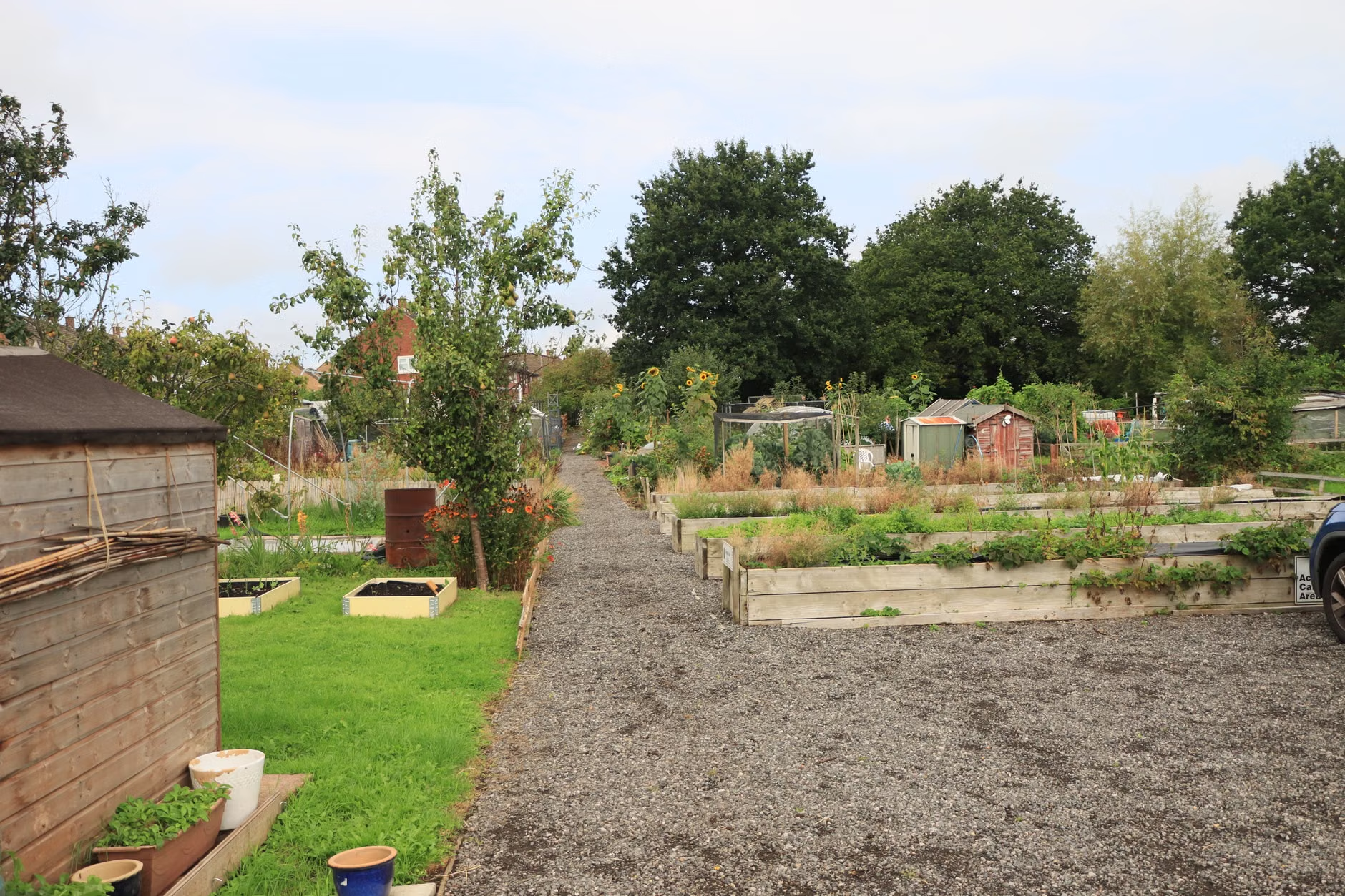
When you visit a potential site, look for signs of inclusivity. Are there raised beds at varying heights? Are the paths wide enough for a walker or a wheelchair? Is there a clear, accessible area for the tool storage? These are all indicators that the organization is mindful of the diverse needs of its members. If you find a space that is physically accessible and welcoming, you have found a valuable asset for your long-term health and leisure.
Overcoming Potential Challenges
As with any community-based initiative, there may be challenges. You might encounter disagreements over tool maintenance or scheduling conflicts during peak planting seasons. The best way to navigate these issues is through clear, respectful communication. Most community gardens have a set of bylaws or a “member agreement.” Read these documents carefully. They will outline the expectations for tool care, cleaning, and returns.
If you find that a tool you need is frequently unavailable, consider proposing a “wish list” to the organizers. Many community programs operate on small grants or donations and are often looking for suggestions on what to invest in next. By being an active participant in the governance of the program, you ensure that the resources continue to meet the needs of all members, including those in your age group.
Final Thoughts on Sustaining Your Hobby
The decision to join a community tool-sharing program is a proactive step toward maintaining an active, engaged, and cost-effective lifestyle. It removes the physical and financial barriers that often prevent people from enjoying the many benefits of gardening. By focusing on shared resources, you are not only taking care of your own health but also contributing to a more sustainable and connected community.
Remember that the goal is enjoyment and sustained activity, not a race to the finish line. Take your time, prioritize your physical comfort, and value the social connections you make along the way. Gardening is a lifelong pursuit, and with the right community support, it can remain a source of joy and vitality for decades to come.
Frequently Asked Questions
1. What if I am not physically able to handle heavy gardening tools?
Most community tool-sharing programs offer a wide range of ergonomic, lightweight, and adaptive tools designed specifically for ease of use. If you have concerns about your physical capabilities, speak with the garden coordinator. They can often provide specialized equipment like long-handled reachers, ergonomic pruners with ratcheting mechanisms, or tools designed for use from a seated position.
2. Is there a cost associated with joining a tool-sharing program?
Costs vary significantly. Some municipal library programs are completely free, while community garden collectives may charge a small annual membership fee to cover insurance, maintenance, and tool repairs. Always ask about the fee structure upfront and check if there are any sliding-scale options for those on fixed incomes.
3. How do I know if a tool is safe to use?
Before using any borrowed tool, perform a quick visual inspection. Check the handle for splinters or cracks, ensure the blade is securely attached to the shaft, and test the weight to see if it feels manageable for you. If you are unsure about how to use a specific tool, ask a more experienced member of the group for a demonstration. Never force a tool that feels heavy or awkward; there is almost always a more suitable alternative available.
Note: This article is for informational purposes and does not constitute medical advice. Always consult with a healthcare professional before starting a new physical activity, especially if you have existing health conditions. For more information on local gardening initiatives, check your municipal government’s official website or your local public library’s resources page.