Maintaining strong bones and preventing falls is the most effective way for adults over 60 to preserve their independence and quality of life. Bone health is not a static condition but a dynamic process that requires a combination of targeted nutrition, specific types of physical activity, and proactive environmental adjustments. By understanding the biological changes that occur with age and taking concrete steps to mitigate risks, you can significantly reduce the likelihood of fractures and the complications that follow them.
Key Takeaways
- Bone density management requires a multi-pillar approach: combining calcium and vitamin D intake with consistent weight-bearing and resistance exercises.
- Fall prevention is as critical as bone strength; a fracture cannot occur from a fall that never happens, making home safety audits and balance training essential.
- Regular medical screenings, such as DXA scans, allow for early intervention and personalized treatment plans before a “silent” condition like osteoporosis leads to a crisis.
Understanding the Biology of Aging Bones
Bones are living tissues that constantly break down and rebuild themselves. This process, known as remodeling, is efficient during youth, but as we reach our 60s and beyond, the rate of bone resorption (breakdown) often begins to outpace bone formation. This imbalance leads to a gradual loss of bone mineral density (BMD).
The Spectrum of Bone Density: Osteopenia and Osteoporosis
It is helpful to view bone health as a spectrum. Osteopenia is the midpoint, where bone density is lower than normal but not yet low enough to be classified as osteoporosis. Think of it as a warning light on a car’s dashboard. It indicates that the “structural integrity” of your skeleton is weakening, but there is still time to take preventive action to stop the progression.
Osteoporosis occurs when the “honeycomb” structure inside the bone becomes porous and brittle. At this stage, even minor stresses—such as bending over, coughing, or a minor trip—can cause a fracture. These fractures most commonly occur in the hip, spine, and wrist. Because bone loss happens without symptoms, many adults do not realize they have osteoporosis until a fracture occurs, which is why it is often called a “silent disease.”
Why Bone Quality Matters for Longevity
The significance of bone health goes beyond simple skeletal strength. For an adult in their 70s, a hip fracture can be a life-altering event. It often leads to a loss of mobility, which in turn increases the risk of cardiovascular issues, pneumonia, and social isolation. Therefore, protecting your bones is a direct investment in your long-term ability to walk, travel, and engage with your community.
The Nutritional Pillars of Bone Strength
Nutrition provides the raw materials your body needs to maintain the remodeling process. While many people associate bone health only with calcium, several other nutrients play vital supporting roles.
Calcium: Beyond the Glass of Milk
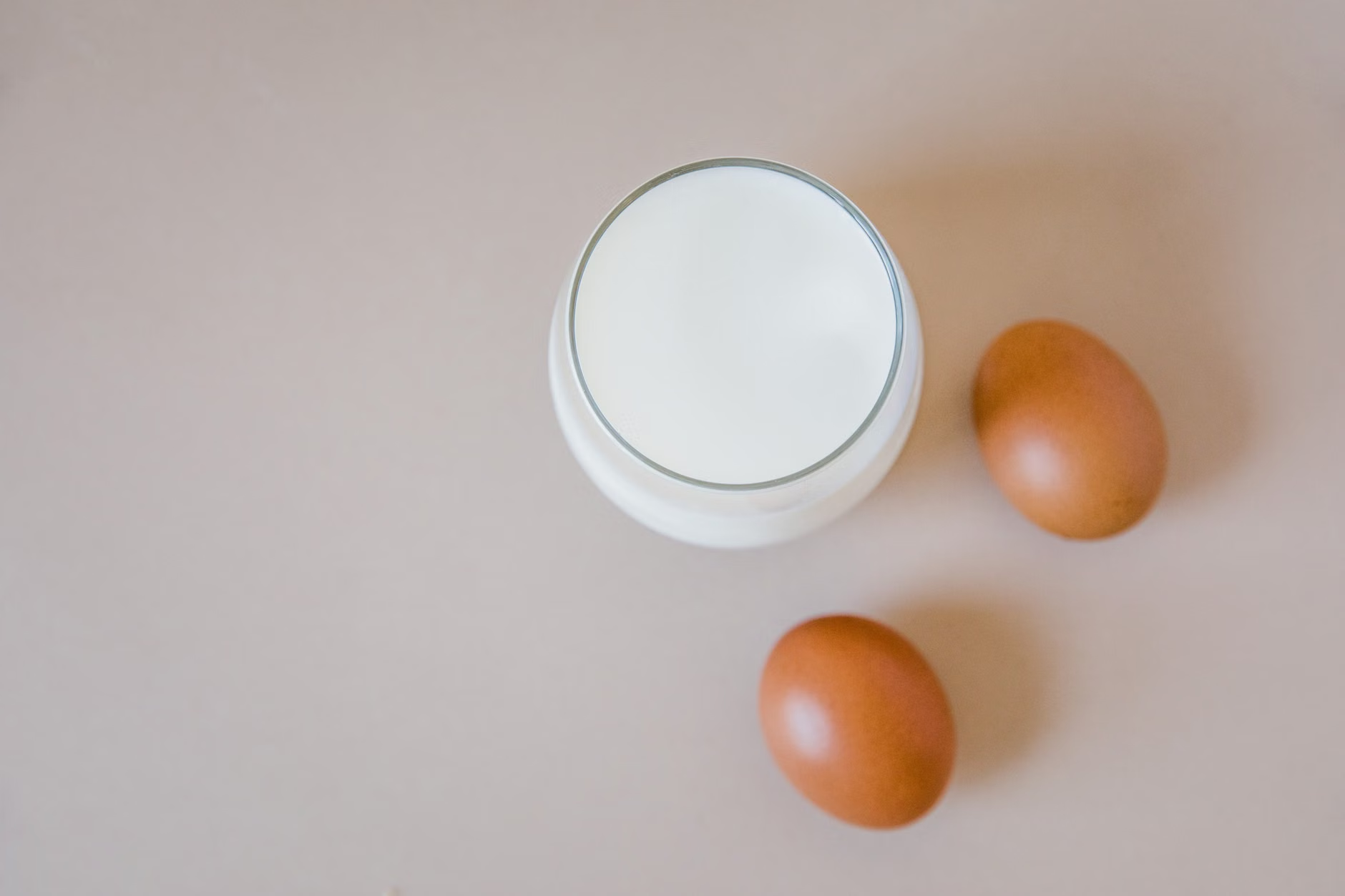
Calcium is the primary building block of bone tissue. The general recommendation for adults over 60 is approximately 1,200 mg per day. However, the source of this calcium matters. The body absorbs calcium most efficiently from food rather than supplements. If you rely solely on high-dose supplements, there is a risk of calcium depositing in the arteries rather than the bones.
| Food Source | Approximate Calcium Content | Practical Serving Size |
|---|---|---|
| Plain Yogurt (Low-fat) | 300–400 mg | 1 cup (250g) |
| Canned Sardines (with bones) | 325 mg | 3 ounces (85g) |
| Cooked Kale or Collard Greens | 100–200 mg | 1 cup |
| Almonds | 75 mg | 1/4 cup |
| Fortified Plant Milks | 300 mg | 1 cup |
Decision Rule: If you are lactose intolerant or follow a plant-based diet, prioritize leafy greens and fortified foods. If you find it impossible to reach 1,200 mg through diet alone, discuss a low-dose supplement (250-500 mg) with your doctor to bridge the gap, rather than taking a single 1,000 mg pill, which the body cannot absorb all at once.
Vitamin D: The Essential “Key”
Without Vitamin D, your body cannot absorb the calcium you consume. As we age, our skin becomes less efficient at producing Vitamin D from sunlight, and our kidneys become less efficient at converting it into an active form. Most international guidelines suggest a daily intake of 800 to 2,000 IU (International Units) for seniors.
What the reader can do: Ask for a 25-hydroxy vitamin D blood test during your next check-up. This is the only way to know if you are deficient. If your levels are low, a supplement is usually necessary, as it is very difficult to get enough Vitamin D from food alone (found mainly in fatty fish and egg yolks).
The Supporting Cast: Magnesium, Vitamin K2, and Protein
Magnesium helps convert Vitamin D into its active form, while Vitamin K2 acts like a “traffic cop,” directing calcium into the bones and keeping it out of the soft tissues like arteries. Furthermore, bones are roughly 50% protein by volume. Ensuring you have adequate protein intake (roughly 1 to 1.2 grams per kilogram of body weight) provides the collagen matrix that gives bones their flexibility and prevents them from becoming too brittle.
Exercise Strategies: Building Bone and Balance
Bones are dynamic; they respond to stress by becoming stronger. This is known as Wolff’s Law. However, not all exercise is created equal when it comes to bone health. Swimming and cycling, while excellent for cardiovascular health, do very little for bone density because they do not involve weight-bearing impact.
Weight-Bearing Aerobic Exercise
Weight-bearing exercise is any activity where you move against gravity while staying upright. This “impact” signals the bone-building cells (osteoblasts) to get to work.
- High-impact: Jogging, dancing, or jumping rope. (Best for those with healthy bone density).
- Low-impact: Brisk walking, elliptical training, or stair climbing. (Best for those with osteopenia or joint issues).
Resistance and Strength Training
Lifting weights or using resistance bands creates a “tug” on the bone where the muscle attaches. This mechanical tension is a powerful stimulant for bone growth. Focus on major muscle groups: legs, hips, and spine.
Practical step: Start with bodyweight squats or wall push-ups. As you gain confidence, move to light dumbbells. Aim for two sessions per week, allowing 48 hours of recovery between sessions for the muscles and bones to adapt.
Balance Training: The Fall Prevention Shield
Even if your bones are slightly thin, you won’t break them if you don’t fall. Balance often declines as our “proprioception” (the body’s sense of its position in space) weakens.
What it looks like in real life: Practicing Tai Chi or simple “static balance” exercises, such as standing on one leg while holding onto a sturdy kitchen counter, can retrain the brain and nervous system to react faster when you trip. Spend 5 to 10 minutes a day on balance to see significant improvements in stability within a few weeks.

Screening and Medical Monitoring
Because bone loss is invisible, you must rely on objective data. The gold standard for measuring bone health is the Dual-Energy X-ray Absorptiometry (DXA or DEXA) scan. This is a quick, painless, low-radiation imaging test that measures the mineral content in specific areas, usually the hip and lower spine.
Understanding Your T-Score
The results of a DXA scan are reported as a T-score, which compares your bone density to that of a healthy 30-year-old.
- -1.0 or higher: Normal bone density.
- Between -1.0 and -2.5: Osteopenia (Low bone mass).
- -2.5 or lower: Osteoporosis.
The FRAX Tool: Beyond Just Density
Bone density is only one part of the story. The FRAX (Fracture Risk Assessment Tool) is a diagnostic tool used by clinicians worldwide to calculate your 10-year probability of a major fracture. It takes into account your T-score but also factors in your age, weight, smoking history, alcohol use, and whether you have ever broken a bone before. Why it matters: A person with a T-score of -2.2 (osteopenia) who has a history of falls may actually be at higher risk than someone with a -2.6 (osteoporosis) who is physically active and has no history of fractures. The FRAX tool helps your doctor decide if medication is necessary even if you haven’t reached the “osteoporosis” threshold yet.
Creating a Fall-Proof Environment
Most falls among older adults occur within the home during routine activities. A “fall-proof” home isn’t about making it look like a hospital; it’s about removing hidden hazards that we often overlook because we are used to them.
The Room-by-Room Safety Audit
Take a walk through your home and look for these specific “red flags”:
| Area | Common Hazard | Practical Solution |
|---|---|---|
| Floors | Loose throw rugs and “trip strips” between rooms. | Remove rugs entirely or use double-sided heavy-duty tape to secure edges. |
| Lighting | Dim hallways or lack of a bedside lamp. | Install motion-sensor nightlights in the path from the bedroom to the bathroom. |
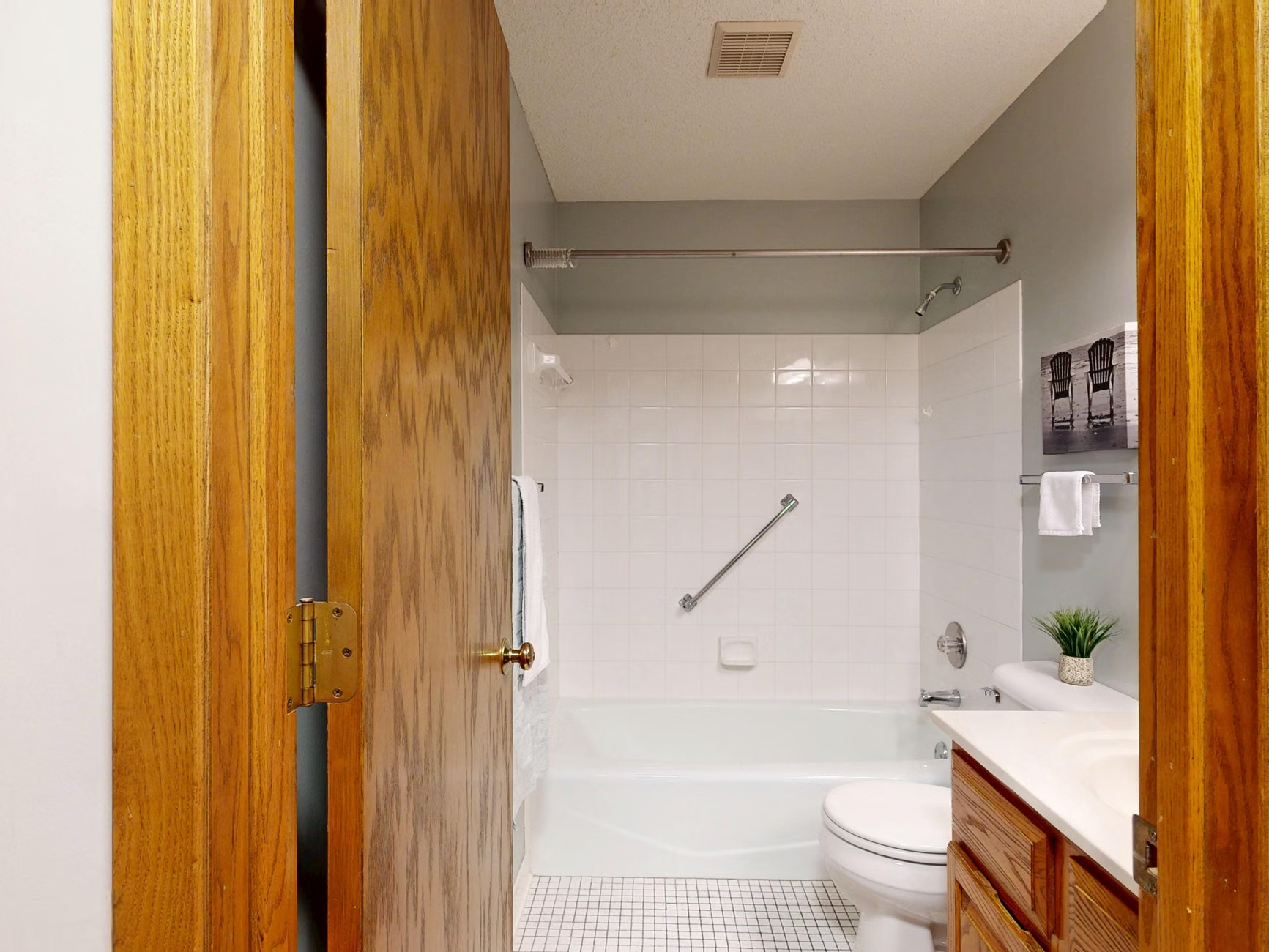
| Bathroom | Slippery tub surfaces and low toilet seats. | Add non-slip mats inside the shower and install professional-grade grab bars. |
| Stairs | Worn carpet or single handrails. | Ensure handrails are on both sides and extend past the top and bottom steps. |
Footwear and Vision
Walking around the house in socks or loose slippers is a major risk factor. What the reader can do: Switch to “house shoes” with firm, non-slip rubber soles and a closed heel. Additionally, ensure your vision prescription is up to date. Multifocal or bifocal lenses can sometimes distort depth perception when walking down stairs; if you find this happening, consider a separate pair of single-vision glasses specifically for walking outdoors or navigating stairs.
Medications and Bone Health: A Double-Edged Sword
Some medications that are necessary for other conditions can inadvertently weaken your bones. This is why a regular “medication review” with your pharmacist or doctor is a vital preventive step.
Common Culprits
Long-term use of certain drugs can interfere with bone remodeling:
- Glucocorticoids (Steroids): Often used for asthma or rheumatoid arthritis, these can significantly speed up bone loss.
- Proton Pump Inhibitors (PPIs): Used for acid reflux, these can reduce the absorption of calcium in the stomach.
- Certain Anticonvulsants: Used for seizures or nerve pain, these can affect Vitamin D metabolism.
Practical Decision Rule: Never stop taking a prescribed medication on your own. Instead, if you are on these medications long-term, ask your doctor: “Since I am taking this, should we be monitoring my bone density more frequently or adjusting my calcium/Vitamin D intake?”
Medications for Osteoporosis
If you are diagnosed with osteoporosis, lifestyle changes alone may not be enough. Modern medications fall into two categories:
- Antiresorptives (e.g., Bisphosphonates): These slow down the rate at which bone is broken down. They are the most common first-line treatment.
- Anabolics: These actually help build new bone. They are typically reserved for those at very high risk of fracture.
Each has its own set of trade-offs regarding how they are taken (pills vs. injections) and potential side effects. The choice depends on your specific T-score, medical history, and personal preference for treatment frequency.
The Psychological Aspect: Overcoming the Fear of Falling
An overlooked variable in preventive health is the “Fear of Falling” (FOF). When an individual becomes afraid of falling, they often instinctively limit their activity. They stop walking to the store, stop visiting friends, and move less at home.
The Paradox: This reduction in activity leads to muscle atrophy and stiffer joints, which actually increases the risk of falling. This is a downward spiral.
What you can do: If you feel unsteady, do not simply sit down more. Instead, seek out a physical therapist who specializes in geriatric balance. They can provide “gait training” to help you walk more confidently. Using a walking aid (like a cane or walker) is not a sign of “giving up”; it is a tool that allows you to remain active and keep your bones strong through movement.
International Perspectives on Bone Care
While the biology of bones is universal, healthcare systems approach screening differently.
- In the United States, the Bone Health & Osteoporosis Foundation recommends DXA scans for all women over 65 and men over 70, or younger if risk factors exist.
- In the United Kingdom, the NHS often uses the FRAX tool first to determine if a DXA scan is necessary, focusing on those with a higher clinical risk profile.
- In Australia, Medicare often rebates DXA scans for those over 70 as part of routine preventive care.
Regardless of where you live, if you have a family history of hip fractures or have lost more than an inch (2.5 cm) in height, you should advocate for a screening regardless of the standard age guidelines in your country.
Conclusion: Your Action Plan for the Next 30 Days
Bone health is a long-term project, but you can take meaningful steps starting today. Do not try to overhaul everything at once; instead, prioritize these actions in order:
- Week 1: The Audit. Conduct a walk-through of your home. Fix one lighting issue and one tripping hazard (like a loose rug).
- Week 2: The Nutrition Check. Track your calcium intake for three days. If you aren’t hitting ~1,200 mg, add one calcium-rich food to your daily routine (e.g., a handful of almonds or a serving of yogurt).
- Week 3: The Conversation. Call your doctor’s office. Ask when your last DXA scan was and if you are due for a Vitamin D blood test.
- Week 4: The Movement. Incorporate 10 minutes of balance exercises into your morning routine. Simply standing on one leg while the kettle boils is a great start.
By treating your skeleton as a living foundation that needs constant maintenance, you aren’t just preventing a break; you are ensuring that your body remains a reliable vehicle for all the adventures you have planned for your senior years.
Frequently Asked Questions
1. Is it ever too late to start improving bone density?
No. While you cannot “undo” all bone loss, you can slow the rate of decline and significantly improve bone quality and muscle strength at any age. Research shows that even individuals in their 80s and 90s can gain muscle mass and improve balance through supervised resistance training, which directly reduces fracture risk.
2. Can I get enough Vitamin D from just 15 minutes of sun a day?
It depends on your latitude, skin tone, and the time of year. For many adults over 60, the skin’s ability to synthesize Vitamin D is reduced by up to 70% compared to younger adults. In northern climates during winter, the sun is not strong enough at any time of day to produce Vitamin D. A blood test is the only reliable way to determine if you need a supplement.
3. Are “bone-building” supplements sold online effective?
Be cautious of products making “miracle” claims. Most “bone support” supplements are simply expensive combinations of calcium, Vitamin D, and Vitamin K2. There is no evidence that these proprietary blends work better than a balanced diet and standard, high-quality supplements recommended by a healthcare professional. Always check for third-party testing (like USP or NSF) to ensure the product contains what it claims.
Sources for further reading:
International Osteoporosis Foundation: https://www.osteoporosis.foundation
National Institute on Aging (NIH): https://www.nia.nih.gov/health/bone-health-and-osteoporosis
Royal Osteoporosis Society (UK): https://theros.org.uk