Key Takeaways
- Proactive health management involves shifting from reactive symptom treatment to systematic preventive screenings and lifestyle habits tailored to your specific health history.
- Mobility preservation is the single most important factor for independence; focusing on balance, strength, and regular gait assessment can significantly reduce fall risks.
- Effective care navigation requires structured preparation for medical appointments, including maintaining a clear, updated “personal health record” that you own and control.
Maintaining long-term independence as you transition through your 60s, 70s, and beyond is not a matter of chance; it is the result of intentional, evidence-based preventive habits. The goal of preventive health is to identify potential concerns before they manifest as acute conditions that limit your mobility or quality of life. This guide provides a framework for managing your health, preserving your physical function, and interacting effectively with medical systems globally.
The Pillars of Proactive Preventive Health
Preventive health is often misunderstood as simply “eating well and exercising.” While those are foundational, effective prevention for adults over 60 requires a structured, data-driven approach. You must move beyond general advice and focus on specific, measurable actions that address your unique genetic predispositions, environment, and lifestyle.
1. The Shift to Systematic Screening
Screening guidelines change as you age. What was appropriate at 50 may not be necessary at 75, and conversely, new risks emerge. The most critical step is to review your “preventive health calendar” with your primary care provider. This is not just about annual check-ups; it is about knowing exactly which screenings—such as bone density (DEXA) scans, cardiovascular lipid panels, or age-appropriate cancer screenings—are due based on your personal health trajectory.
Common Mistake: Many adults assume that if they feel “fine,” they do not need to schedule screenings. However, conditions like hypertension (high blood pressure) or early-stage osteoporosis are often asymptomatic until a significant event occurs, such as a cardiovascular incident or a fracture.
2. Medication Management and Reconciliation
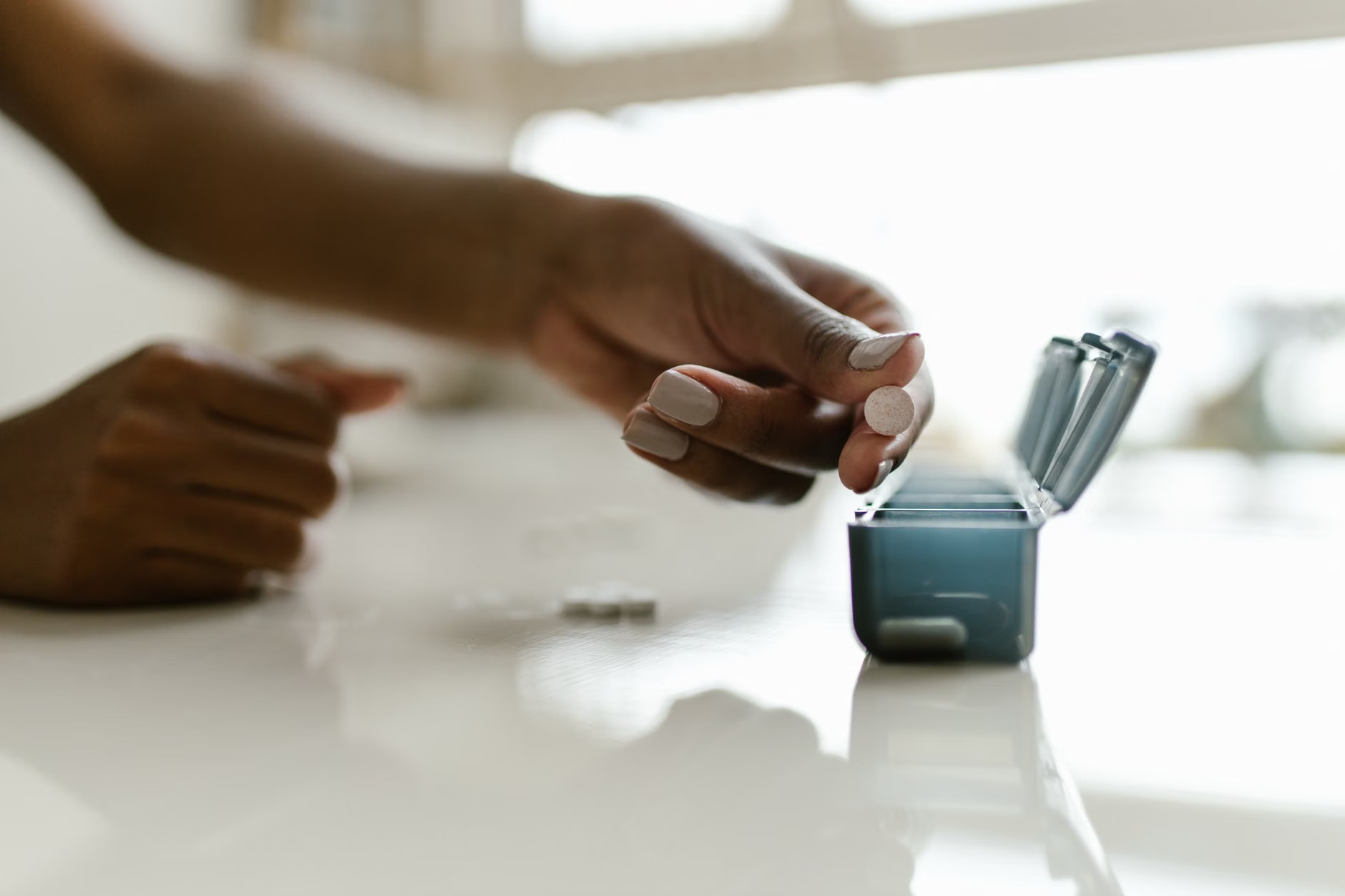
As you accumulate different prescriptions over time, the risk of “polypharmacy”—the use of multiple medications—increases. This can lead to drug-drug interactions that cause dizziness, cognitive fog, or fatigue, all of which compromise your safety.
Actionable Step: Perform a “brown bag review” every six months. Bring every bottle of medication, supplement, and over-the-counter remedy you take to your pharmacist or doctor. Ask them: “Which of these is still necessary, and are there any potential interactions I should be aware of?”
Preserving Mobility: The Foundation of Independence
Mobility is the ability to move about your environment safely and effectively. When mobility declines, the risk of social isolation, depression, and physical decline accelerates. Preserving this requires focusing on three specific domains: strength, balance, and environmental safety.
Strength and Functional Capacity
Muscle mass naturally declines with age, a process known as sarcopenia. This is not inevitable, but it is a biological reality that requires counteraction. Resistance training is the most effective intervention. You do not need a gym membership; bodyweight exercises, such as chair squats or wall pushes, are highly effective if performed consistently.
| Exercise Type | Primary Benefit | Frequency |
|---|---|---|
| Resistance (Strength) | Muscle mass retention | 2-3 times per week |
| Balance (Proprioception) | Fall prevention | Daily (short sessions) |
| Aerobic (Walking/Swimming) | Cardiovascular endurance | 150 minutes/week |
Note: If you have pre-existing joint issues, consult a physical therapist before starting a new regimen. They can provide modifications that protect your joints while still providing the necessary stimulus for muscle growth.
The Hidden Risks of the Home Environment
Falls are the leading cause of injury for adults over 65. Most falls happen in the home, often in areas where you feel the most comfortable. Assessing your home for fall hazards is a critical preventive task.
- Lighting: Ensure all hallways and stairways have high-lumen, non-flicker lighting.
- Flooring: Remove loose throw rugs, which are a primary cause of tripping. Ensure electrical cords are tucked away.
- Bathroom Safety: Install grab bars near the toilet and inside the shower. A shower chair can reduce the energy expenditure required for hygiene, leaving you more stamina for your day.

The healthcare system is complex. To be an effective advocate for your own health, you must treat your medical care as a partnership rather than a top-down instruction. This requires preparation, documentation, and clear communication.
Preparation for Medical Consultations
Physicians often have limited time. To make the most of an appointment, arrive prepared with a document that summarizes your current status. This should include:
- Symptom Log: If you are experiencing a recurring issue, document it for two weeks prior to your visit. Record when it happens, what you were doing, how long it lasted, and the severity on a scale of 1-10.
- Current Medication List: Include dosages and why you are taking each one.
- Specific Questions: List your top three concerns. Do not wait for the doctor to ask “Any questions?” at the end of the visit. Lead with your concerns.
The Importance of “Health Literacy”
Health literacy is your ability to obtain, process, and understand health information. It is not about medical training; it is about knowing how to ask the right questions when a diagnosis or treatment plan is presented. If a doctor suggests a procedure or a new medication, ask these questions:
- What is the expected outcome of this treatment?
- What are the most common side effects, and how do they impact daily life?
- Are there less invasive alternatives we could try first?
- What is the timeline for seeing a result?
Global Trends: What You Should Know
Across the globe, healthcare systems are moving toward “Value-Based Care.” This means providers are increasingly compensated based on the quality of health outcomes rather than the volume of services provided. For the patient, this is a positive shift, as it encourages preventive care. However, it requires you to be more involved in your own monitoring.
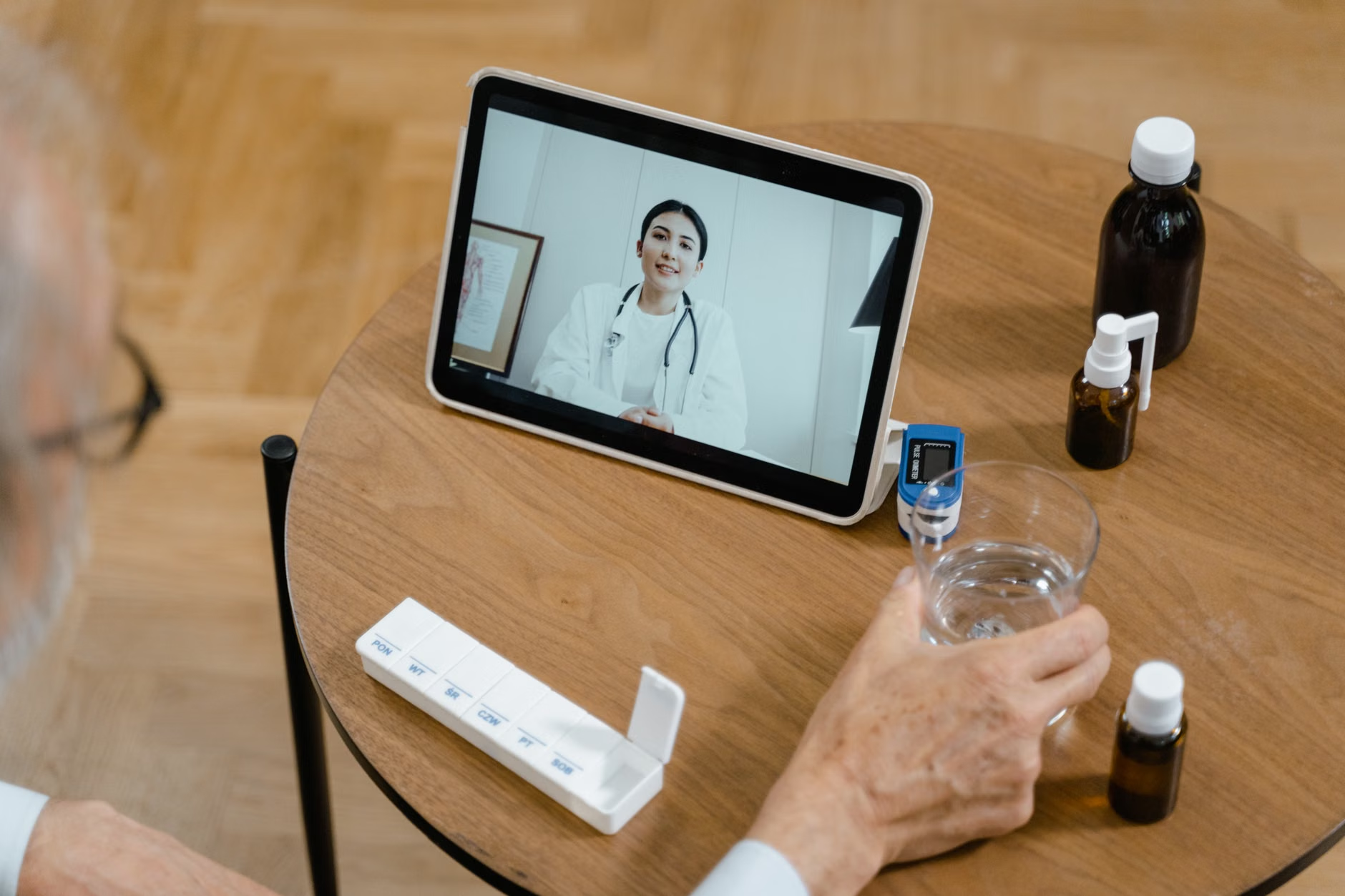
Digital health tools, such as remote patient monitoring (RPM), are becoming more common. If your local healthcare system offers a patient portal or a device to track blood pressure or glucose levels remotely, utilize it. These tools provide your doctor with a continuous stream of data rather than a snapshot taken once every six months, leading to more accurate adjustments in your care plan.
Managing Chronic Conditions: A Practical Framework
If you are living with a chronic condition, such as diabetes, arthritis, or heart disease, your focus should be on “stability.” Stability is achieved through consistent daily habits that prevent the condition from progressing. For instance, in managing diabetes, the focus is not just on medication, but on the glycemic index of foods and the timing of your physical activity relative to your meals.
Often, older adults fall into the trap of “symptom chasing”—taking a medication for a symptom that is actually a side effect of another medication. This is why maintaining a comprehensive, personal health record (PHR) is vital. By tracking your own health data, you can spot patterns that your doctor might miss during a brief consultation. If you notice your blood pressure is consistently higher on days you consume high-sodium meals, you have actionable data to discuss with your doctor rather than just relying on medication alone.
Travel and Mobility: Staying Active Beyond Home
Travel remains a vital part of a fulfilling life for many. However, the requirements for safe travel change. The key to successful travel after 60 is “energy management.”
The 2-1 Rule: For every two hours of active sightseeing or transit, plan for one hour of rest. This prevents the “over-exertion hangover” that can lead to falls or immune system compromise. When booking transport, prioritize accessibility features. Check for lift availability in train stations and consider the walking distance from your accommodation to public transit. If you have limited stamina, do not hesitate to use mobility aids like walking sticks or renting a wheelchair for large museums; these are tools to expand your capability, not signs of frailty.
The Psychological Aspect of Preventive Health
Preventive health is not merely physical. Social connection and mental stimulation are as protective against cognitive decline as physical exercise is against cardiovascular disease. Loneliness is a significant health risk factor, comparable to smoking or obesity in terms of impact on longevity. Engaging in community groups, volunteer work, or hobbies that require learning new skills keeps the brain plastic and resilient. Do not underestimate the health benefits of staying curious and socially active.
Conclusion: The Path Forward
Preventive health is a dynamic, lifelong process. By shifting your perspective from “treating illness” to “cultivating wellness,” you take control of your future. Focus on the small, daily habits—like tracking your medications, performing balance exercises, and preparing for your medical appointments—that yield outsized returns in the form of independence and vitality. Remember, you are the captain of your health journey. Use the resources available in your jurisdiction, stay informed, and always prioritize your safety and long-term mobility.
Frequently Asked Questions
1. How often should I have a comprehensive health check-up if I have no specific symptoms?
While the “annual physical” is traditional, the frequency depends on your country’s public health guidelines and your personal risk profile. Generally, for those aged 60-80, an annual review is recommended to update your medication list, screen for age-related conditions, and discuss preventive vaccinations. Always verify the specific recommended interval with your local health authority or primary care physician.
2. What is the most effective way to start exercising if I have not been active for years?
Start with “functional movement.” This means exercises that mimic daily activities, such as sitting down and standing up from a chair (squats) or carrying groceries (weighted walks). Begin with 5-10 minutes of low-intensity movement daily and increase duration by no more than 10% each week to avoid injury. If you feel pain that is not typical muscle soreness, stop and consult a professional.
3. How can I best manage my health records if I see multiple specialists?
Create a “Master Health Summary.” This is a simple document—either digital or paper—that lists your medical conditions, current medications (with dosages), known allergies, contact information for all your specialists, and a summary of your recent test results. Bring this document to every appointment. It ensures that specialists who do not communicate with each other have the same baseline information about your health.
Disclaimer: This article is for informational purposes only and does not constitute medical advice, diagnosis, or treatment. Always seek the advice of your physician or other qualified health provider with any questions you may have regarding a medical condition.
References:
– World Health Organization, “Global strategy and action plan on ageing and health”: https://www.who.int/publications/i/item/9789241511674
– Centers for Disease Control and Prevention (CDC), “Older Adult Health”: https://www.cdc.gov/aging/index.html