Key Takeaways
- Prioritize Pace Over Volume: Limit daily activities to two main points of interest to preserve stamina and account for unexpected fatigue.
- Verify Accessibility Beyond “Accessible”: Always confirm specific details like elevator dimensions, step-free access, and walking distances directly with venues or hotels.
- Strategic Logistics: Use door-to-door transport services or private transfers in high-density cities to minimize the physical toll of navigating public transit during peak hours.
Travel in your 60s, 70s, and beyond should be defined by curiosity and comfort rather than physical exhaustion. The most successful trips for older adults are those where the itinerary is built around realistic energy levels and mobility requirements. By shifting the focus from “how many sights can I see” to “how much can I enjoy,” you transform travel from a logistical challenge into a sustainable, rewarding lifestyle.
1. The Architecture of a Senior-Friendly Itinerary
The biggest mistake in travel planning is the “tourist trap” of over-scheduling. When you are in your 60s to 80s, your body requires more recovery time between activities. An accessible itinerary is not just about choosing flat cities; it is about managing your personal energy budget.
The Two-Activity Rule
Adopt a “two-activity” limit per day. In practice, this means scheduling one major visit in the morning—such as a museum tour or a guided historical walk—and one light afternoon activity, such as a scenic boat ride or a visit to a park. This structure ensures that you have the buffer time needed for rests, bathroom breaks, and transit delays.
Accounting for “Hidden” Walking Distances
Modern travel often involves more walking than we anticipate. Even if a city is described as “walkable,” the distance from a parking lot to an attraction entrance can be significant. When researching locations, use tools like Google Maps’ “Street View” to inspect the pavement quality and the distance from the nearest drop-off point to the destination entrance. If the distance exceeds 500 meters, look for local taxi or shuttle services that can provide closer access.
Transport logistics are the backbone of a stress-free trip. Whether you are flying internationally or taking a regional train, the key is to eliminate the variables that cause physical strain.
Air Travel: Beyond the Wheelchair Service
Airline “Special Assistance” is a valuable resource, but it requires proactive management. It is not enough to simply tick a box on a website. Call the airline 48 hours before your flight to confirm that your request for assistance is active. Ask specifically for “gate-to-gate” service if you have concerns about walking long distances through large terminals. Furthermore, always pack essential medications and a change of clothes in your carry-on, as checked luggage can be delayed or difficult to retrieve if you are tired.
Trains and Public Transit
In many regions, such as Europe or Japan, trains are the preferred method of transit. However, they are not all created equal. Prioritize high-speed rail lines, which generally offer more luggage storage and better accessibility features. Avoid local commuter lines during “rush hour” (usually 7:30 AM – 9:30 AM and 4:30 PM – 6:30 PM) to ensure you have a seat and enough space to maneuver your luggage comfortably.
| Transport Mode | Pros for Seniors | Accessibility Considerations |
|---|---|---|
| Private Transfer | Door-to-door, minimal walking, flexible pacing. | Higher cost; requires pre-booking. |
| High-Speed Train | Spacious, rest areas, onboard toilets. | Verify platform-to-train gap and elevator presence. |
| Public Bus | Inexpensive, extensive local reach. | High risk of sudden stops; can be crowded. |
Note: If you have mobility concerns, private transfers are almost always the superior choice for airport-to-hotel segments, as they eliminate the stress of navigating public transit with luggage.

3. Choosing Senior-Friendly Accommodations
Your hotel is your base of operations. It is not merely a place to sleep; it is your recovery sanctuary. When booking, never rely solely on the “accessible” label, which can vary wildly between countries and hotel chains.
The “Accessibility Checklist” for Booking
Before confirming your reservation, send a direct email to the hotel front desk asking for clarification on these three points:
- Shower Configuration: “Is the shower a walk-in unit with a handheld nozzle and grab bars, or is it a tub-shower combination?”
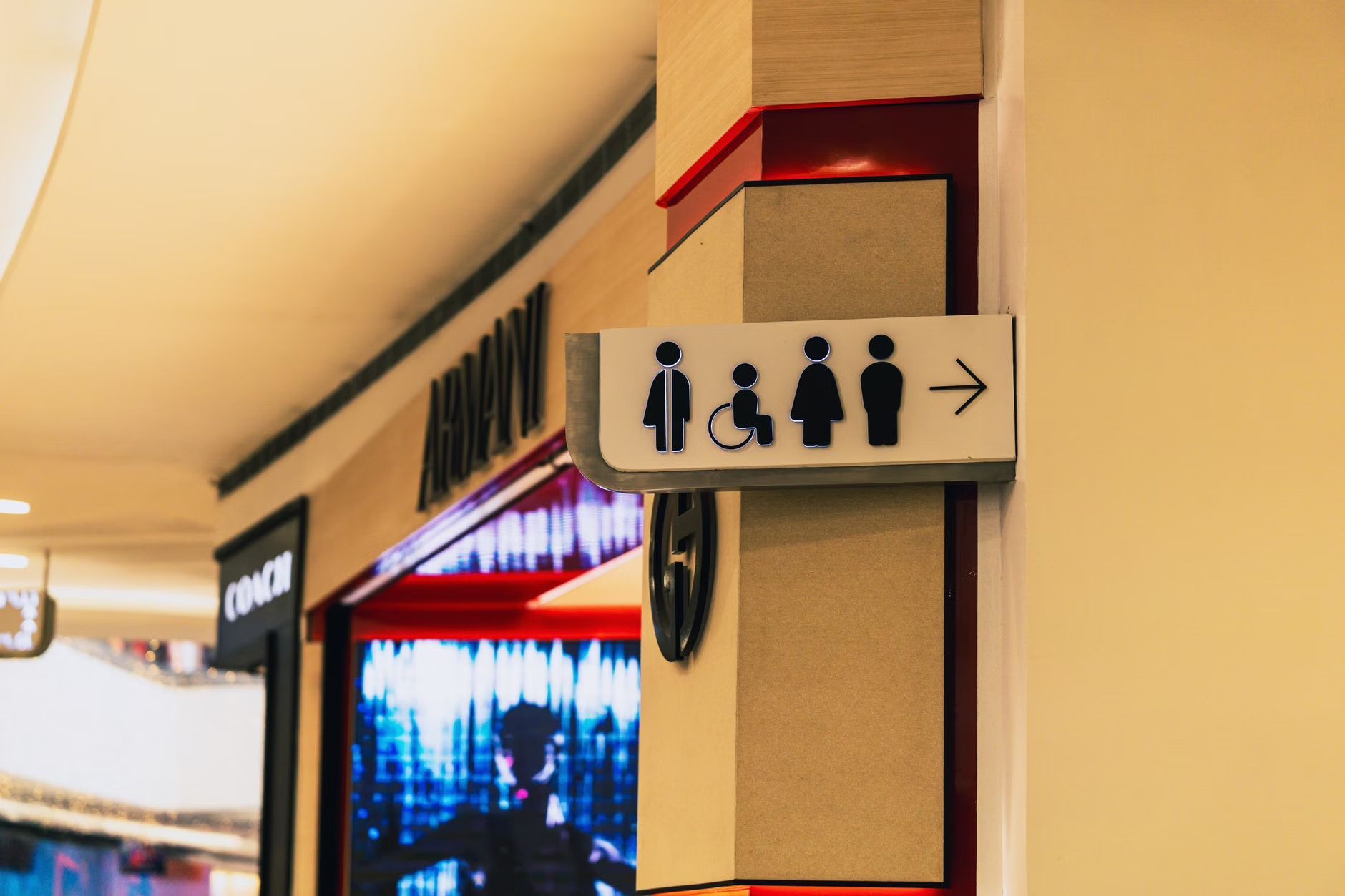
- Proximity to Elevators: “Can we be assigned a room close to the elevator to minimize hallway walking?”
- Entryway Steps: “Are there any steps at the main entrance, or is there a ramp/level access?”
If a hotel cannot provide these details, it is often safer to look elsewhere. Many modern boutique hotels are beautiful but lack elevators, which can turn a charming staircase into a daily obstacle.
4. Health Management and Preventive Care While Abroad
Maintaining your health while traveling requires preparation, not just reaction. The goal is to minimize the disruption of your daily routine while ensuring you have support if needed.
Managing Medications and Records
Carry a physical copy of your medical history, including current prescriptions, dosages, and any known allergies. Keep this in a waterproof folder in your carry-on bag. It is also wise to have a digital version saved to your smartphone. If you take medication that requires refrigeration, research the specific hotel room amenities beforehand, or bring a high-quality, insulated medical travel bag with gel packs.
If you feel unwell, do not wait for symptoms to worsen. Research the local healthcare system of your destination before you depart. In many countries, pharmacies are the first point of contact for minor ailments. In others, you may need a referral to see a general practitioner. Know the location of the nearest hospital or urgent care clinic to your hotel. If you have travel insurance, keep the emergency 24/7 assistance number saved in your phone’s contacts.
5. The Psychology of Pacing: Avoiding “Travel Burnout”
Travel burnout is a physiological reality for many seniors. It manifests as irritability, physical fatigue, and a diminished ability to process new information. The antidote is intentional downtime.
The “Rest Day” Strategy
For trips longer than five days, schedule one “zero-activity” day. This is a day where you stay in the vicinity of your hotel, enjoy a leisurely breakfast, read, or sit in a local cafe. This day allows your body to recover from the accumulated stress of travel and ensures you have the energy to enjoy the remainder of your trip. Never underestimate the restorative power of a quiet afternoon.
Staying Connected and Digital Safety
Digital public services are increasingly common, but they can be a source of frustration if you are not prepared. Ensure your smartphone is set up for international roaming or that you have a reliable local SIM card. Download offline maps (such as Google Maps offline) for the city you are visiting; this ensures you can navigate back to your hotel even if your data signal drops or you run out of battery.
6. Financial and Consumer Protection
Travel insurance is not an optional expense; it is a fundamental safety net. Ensure your policy includes coverage for “pre-existing conditions” if applicable and, crucially, coverage for medical evacuation. When paying for travel services, use a credit card that offers robust consumer protection and, where possible, travel insurance benefits. This provides an additional layer of security if a vendor fails to provide the promised services or if your trip is interrupted.
7. Understanding Local Rules and Regulations
Laws regarding public transit, sidewalk usage, and even medical prescriptions can vary significantly by country. For example, some countries have strict laws regarding the importation of certain medications, even if they are prescribed in your home country. Always check your destination’s official government travel advisory website at least one month before departure. These sites provide critical information on visa requirements, local customs, and public health guidelines.
For more detailed information on government travel advice, you can consult official resources such as U.S. Department of State Travel or the UK Foreign, Commonwealth & Development Office. These portals offer country-specific guidance that is essential for safe navigation.
Conclusion: The Reward of Preparedness
Accessible travel is not about limiting your horizons; it is about expanding them by removing the obstacles that prevent enjoyment. By meticulously planning your pace, verifying your logistics, and prioritizing your physical well-being, you can continue to explore the world with confidence. Remember that the goal is not to endure the journey, but to savor every moment of it. Start small, verify every detail, and allow yourself the grace of a flexible schedule.
Frequently Asked Questions
Q1: How do I know if a destination is truly accessible for someone with limited mobility?
A: Do not rely on general tourism brochures. Search for “accessibility reviews” or forums where travelers with similar mobility needs share their experiences. Additionally, contact the local tourism board directly and ask for information on accessible public transport and the frequency of step-free routes in the city center.
Q2: Is it better to book group tours or travel independently?
A: It depends on your preference for structure versus autonomy. Group tours take the stress out of logistics but often follow a fixed, fast-paced schedule. Independent travel allows for more control over your pace but requires more effort in planning. For those who want the best of both, consider “private guided tours” where you can dictate the start times and walking intensity.
Q3: What should I do if I have a mobility issue and my hotel room is not as described?
A: Address the issue immediately upon check-in. If the room is not accessible as promised, do not settle for it. Ask to speak to a manager and politely explain that the room does not meet your required safety needs. Most reputable hotels will prioritize moving you to an appropriate room or, if they are fully booked, will assist in finding alternative accommodation that meets your requirements.
Disclaimer: This article provides general guidance for travel planning and does not constitute medical or legal advice. Always consult with your healthcare provider regarding your physical readiness for travel and verify all travel requirements with official government and service provider resources.