- Prioritize “Pace over Place”: Limit your itinerary to one major activity per day to ensure energy reserves and reduce physical strain.
- Verify “Real-World” Accessibility: Do not rely on generic “accessible” labels; call venues directly to ask about specific step counts, elevator locations, and terrain types.
- Proactive Health Management: Carry a “Travel Health Passport” containing your medication list, emergency contacts, and a summary of your health conditions to facilitate care if needed.
Travel is one of the most rewarding experiences at any age, but as we enter our 60s, 70s, and beyond, the focus shifts from “seeing everything” to “experiencing things comfortably and safely.” This guide provides a practical framework for planning travel that honors your mobility, stamina, and health needs without sacrificing the joy of discovery.
The Philosophy of Sustainable Travel Pacing
The biggest mistake many travellers make is over-scheduling. While a younger traveller might aim to hit four museums and two landmarks in a single day, this approach is often a recipe for exhaustion and injury for older adults. Sustainable travel is about pacing—managing your physical and cognitive energy so that you finish each day feeling satisfied, not depleted.
The 1-2-1 Rule for Itineraries
To maintain your stamina, apply the 1-2-1 rule to your daily planning:
- 1 Major Activity: Schedule only one high-energy event per day (e.g., a guided tour, a museum visit, or a long walking route).
- 2 Rest Intervals: Include at least two planned rest periods of 45-60 minutes each, preferably in a seated environment like a café, park, or hotel lounge.
- 1 Optional Evening: Plan only one evening activity every two days. If you go out for dinner, stay in the next night to recharge.
By treating rest as a non-negotiable part of your itinerary, you ensure that you aren’t just “getting through” your trip, but actually enjoying it. Fatigue is the primary precursor to falls and minor health incidents while travelling; keeping your energy levels stable is your best insurance policy.
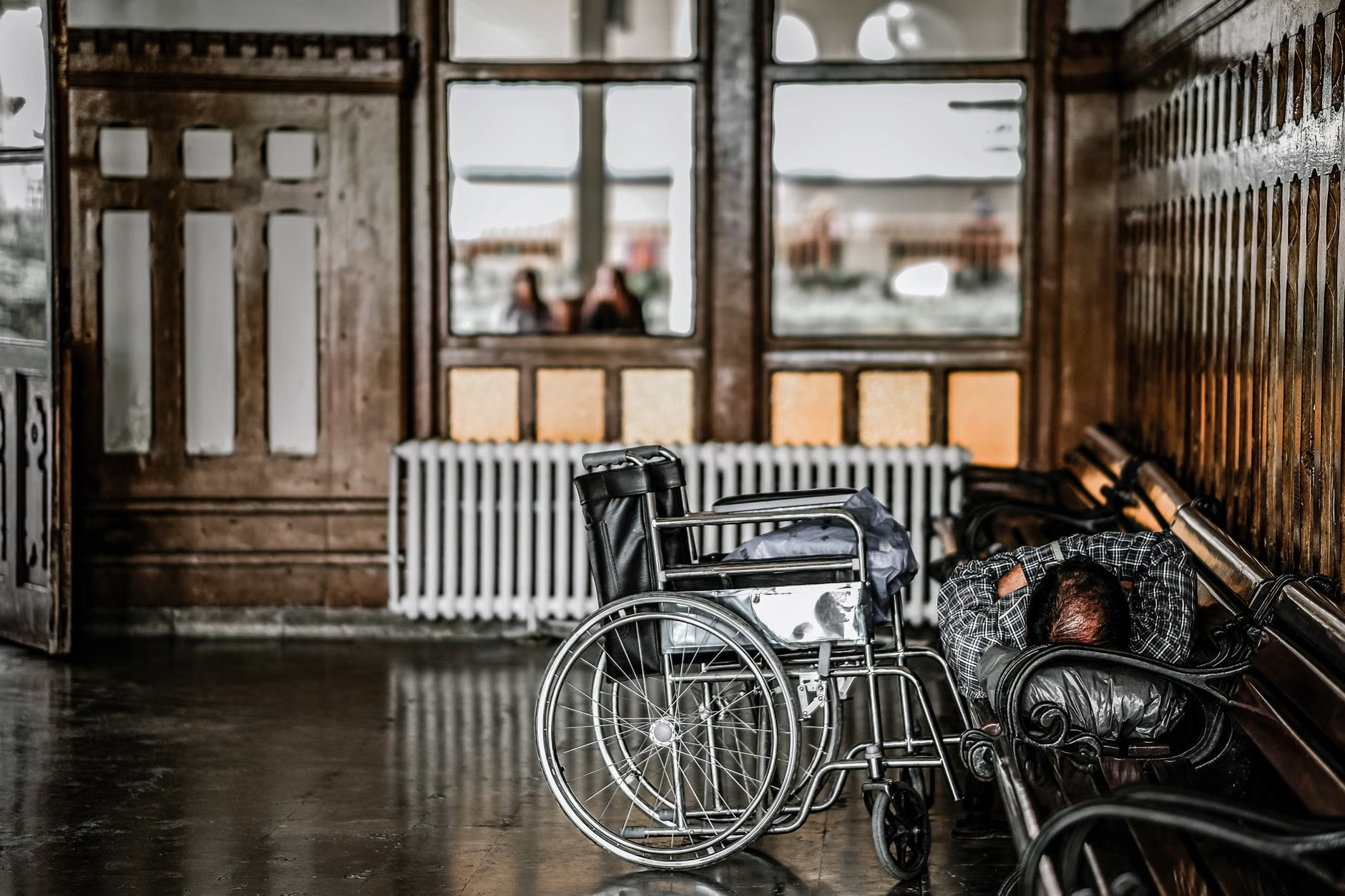
The term “accessible” is often used loosely in travel marketing. In many jurisdictions, a venue might be labeled “accessible” simply because it has a ramp, even if that ramp is at a 15-degree incline or is located at the back of the building, requiring a long, uneven walk from the main entrance.
Questions to Ask Before You Book
Do not rely on website icons. Contact the venue, hotel, or transport provider directly and ask these specific questions:
| Concern | Specific Question |
|---|---|
| Entry | “Are there any steps between the street level and the lobby/main entrance?” |
| Vertical Mobility | “Is the elevator large enough for a mobility aid, and is it operational 24/7?” |
| Terrain | “Is the path from the nearest transit stop to your location paved and flat, or is there cobblestone or steep incline?” |
| Hygiene | “Are the public restrooms equipped with grab bars and at least one wider stall?” |
If a venue cannot answer these questions, assume the worst and look for an alternative. Modern, high-traffic tourist destinations often provide detailed accessibility maps on their official government tourism websites—always check these before booking your accommodation.
Medical Preparation and Travel Health Passports
Preparation is the difference between a minor inconvenience and a trip-ending emergency. Your medical preparation should be structured, documented, and easily accessible at all times.
Building Your Travel Health Passport
Create a physical folder (and a digital backup on your phone) that includes:
- Medication List: Use the generic names of your medications, not just the brand names, as brand names vary by country. Include the dosage and the condition each medication treats.
- Emergency Contacts: Include your primary physician’s contact information and the contact details of a family member or caregiver.
- Insurance Details: Keep a copy of your travel insurance policy, specifically the international emergency assistance number.
- Allergy and Condition Summary: A simple card written in the local language of your destination listing any severe allergies or chronic conditions.
Note on Medication: Always carry your medication in your carry-on luggage, never in checked baggage. Airlines can lose bags, and replacing specific prescriptions in a foreign country can be a logistical nightmare. Bring an extra week’s supply of essential medication to account for unexpected travel delays.

Transit is often the most stressful part of travel. Public transport systems in major cities—such as London’s Underground or New York’s Subway—can be challenging due to broken elevators, long corridors, and high volumes of fast-moving commuters.
Strategies for Stress-Free Movement
1. Use “Off-Peak” Hours: Most cities have distinct rush hours. By travelling between 10:00 AM and 3:00 PM, you avoid the crushing crowds, making it easier to find a seat and move through stations at your own pace.
2. Ride-Sharing vs. Public Transit: While public transit is cheaper, don’t hesitate to use ride-sharing apps (like Uber or Lyft) or local taxis for the “last mile” of your journey. The cost is often worth the energy saved by avoiding a long walk from a station to your hotel.
3. Airport Assistance: If you have any mobility concerns, request “Special Assistance” when booking your flight. This is not just for those who cannot walk; it can be used by anyone who struggles with long distances through airport terminals. They will provide a wheelchair and an escort to the gate, significantly reducing your fatigue before the flight even begins.
Advanced Insights: The Hidden Trade-offs
Beyond the basics, there are two variables that experienced senior travellers often overlook: humidity and altitude.
Even if you are physically fit, high humidity can make a 25°C (77°F) day feel like 35°C (95°F), putting significant strain on your cardiovascular system. Similarly, high-altitude destinations (like Cusco, Peru, or parts of Colorado, USA) can cause fatigue and shortness of breath even for those who are perfectly healthy at sea level. If you are planning a trip to a high-altitude or high-humidity location, schedule a “climatization day” at the start of your trip where you do absolutely nothing but rest and hydrate.
Another overlooked variable is bathroom accessibility. In many European and Asian cities, public restrooms are scarce or require a small payment. Always carry a small amount of local currency in coins, as many automated turnstiles or pay-to-use facilities do not accept cards or large bills.
Safety and Consumer Protection
When booking travel, prioritize providers that offer flexible cancellation policies. For older travellers, the ability to cancel or reschedule due to a sudden health flare-up is far more valuable than a “non-refundable” discount. When purchasing travel insurance, ensure it covers “pre-existing conditions,” and read the fine print carefully regarding what constitutes a “covered reason” for cancellation.
Check the official government travel advisory websites for your country of residence before booking. For example, the U.S. Department of State or the UK Foreign, Commonwealth & Development Office provide real-time updates on local health risks, political stability, and safety concerns that are far more reliable than generic news reports.
Conclusion: The Joy of Mindful Exploration
Travel at 60+ is about quality, not quantity. By planning for your specific mobility needs, managing your energy with the 1-2-1 rule, and preparing your health documentation in advance, you can explore the world with confidence. The goal is to return home with memories of the places you visited, rather than memories of the exhaustion you endured. Start small, verify your accessibility requirements, and always prioritize your comfort over the pressure to see everything on the map.
Frequently Asked Questions (FAQ)
1. Should I use a cane or walking aid even if I don’t use one at home?
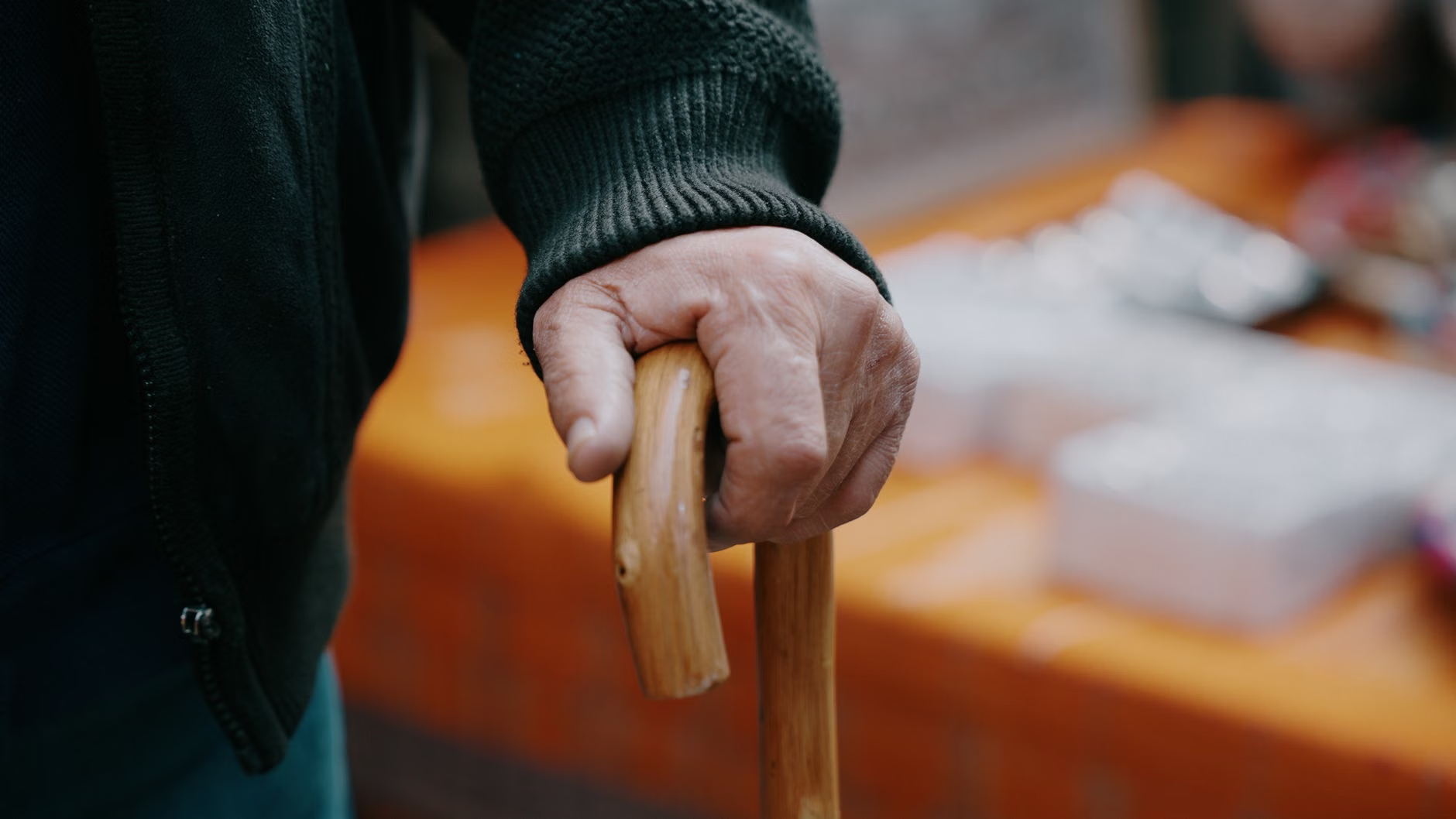
Yes, consider it. Travel involves significantly more walking on uneven surfaces than your daily routine. A lightweight, foldable walking cane or trekking pole provides stability on cobblestones, stairs, and slippery surfaces, and it serves as a visual signal to crowds in busy areas to give you more space.
2. How do I handle sudden health changes while abroad?
Always know where your nearest embassy or consulate is. They maintain lists of English-speaking doctors and can assist in an emergency. Before you leave, identify the location of the nearest hospital to your hotel. If you feel unwell, do not wait for the condition to worsen; seek local medical attention early, as minor issues can often be managed quickly if caught early.
3. Is it better to book group tours or travel independently?
It depends on your preference for control versus convenience. Group tours take the stress out of logistics (transport, tickets, and entry), which is great for those who want a “worry-free” experience. However, they are often on a rigid schedule that may not accommodate your pace. Independent travel allows you to stop whenever you need to rest, but it requires you to manage all the logistics yourself. For many, a “hybrid” approach—booking a private guide for a half-day and keeping the rest of the time free—offers the best balance.
Disclaimer: This article is for informational purposes only and does not constitute medical advice. Always consult with your primary healthcare provider before embarking on long-distance travel, especially if you have chronic health conditions. Ensure you verify all travel documentation and health requirements with official government sources prior to departure.