- Accessibility is not guaranteed by “historic” status: Prioritize resorts that have integrated modern accessibility features like pool hoists, non-slip flooring, and elevator access without compromising their architectural heritage.
- Health preparation is paramount: Consult your physician regarding thermal water temperatures and mineral content, especially if you have cardiovascular conditions or blood pressure concerns.
- The “Two-Hour Rule”: To maintain stamina and safety, plan for no more than two hours of thermal immersion per session, followed by at least 30 minutes of rest in a climate-controlled environment.
When selecting a historic thermal bath resort, the allure of ancient architecture and therapeutic waters must be balanced with the practical realities of mobility, safety, and physical stamina. For travelers aged 60 to 80, the ideal experience is one that honors the history of the site while providing modern comfort and accessibility.
Understanding the Intersection of History and Accessibility
Historic thermal resorts often present unique challenges. Many were built centuries ago, long before the implementation of modern accessibility standards like the Americans with Disabilities Act (ADA) in the United States or the European Accessibility Act. When evaluating a destination, it is critical to look beyond marketing photographs and verify the actual physical infrastructure.
A “historic” designation can sometimes be used as a justification for a lack of elevators or narrow doorways. However, many world-class resorts have successfully retrofitted their facilities. The key indicator of a senior-friendly resort is the transparency of their accessibility documentation. If a hotel or spa does not clearly outline its elevator access, pool entry methods (such as lifts or gradual ramp entries), and bathroom modifications, it is a significant warning sign.
The Mobility Audit: What to Look For
Before booking, perform a digital “mobility audit” of the facility. Do not rely on general terms like “accessible.” Instead, look for specific features that directly impact your daily movement. A facility that is truly prepared for mature travelers will have:
- Zero-entry or ramped pool access: Avoid resorts that only offer steep ladder entries, which can be dangerous for those with joint stiffness or balance concerns.
- Non-slip, high-traction flooring: Thermal environments are inherently slippery. Check reviews for mentions of flooring safety in changing rooms and pool decks.
- Proximity of amenities: In large, sprawling historic complexes, the distance between the changing room, the thermal pool, and the relaxation area can be significant. Prioritize layouts that cluster these functions.
Health Considerations and Thermal Immersion
Thermal water is rich in minerals such as sulfur, magnesium, and calcium. While these are often touted for their potential to soothe arthritic joints and improve circulation, they also place specific demands on the body. For older adults, the physiological impact of heat is a primary factor in travel safety.
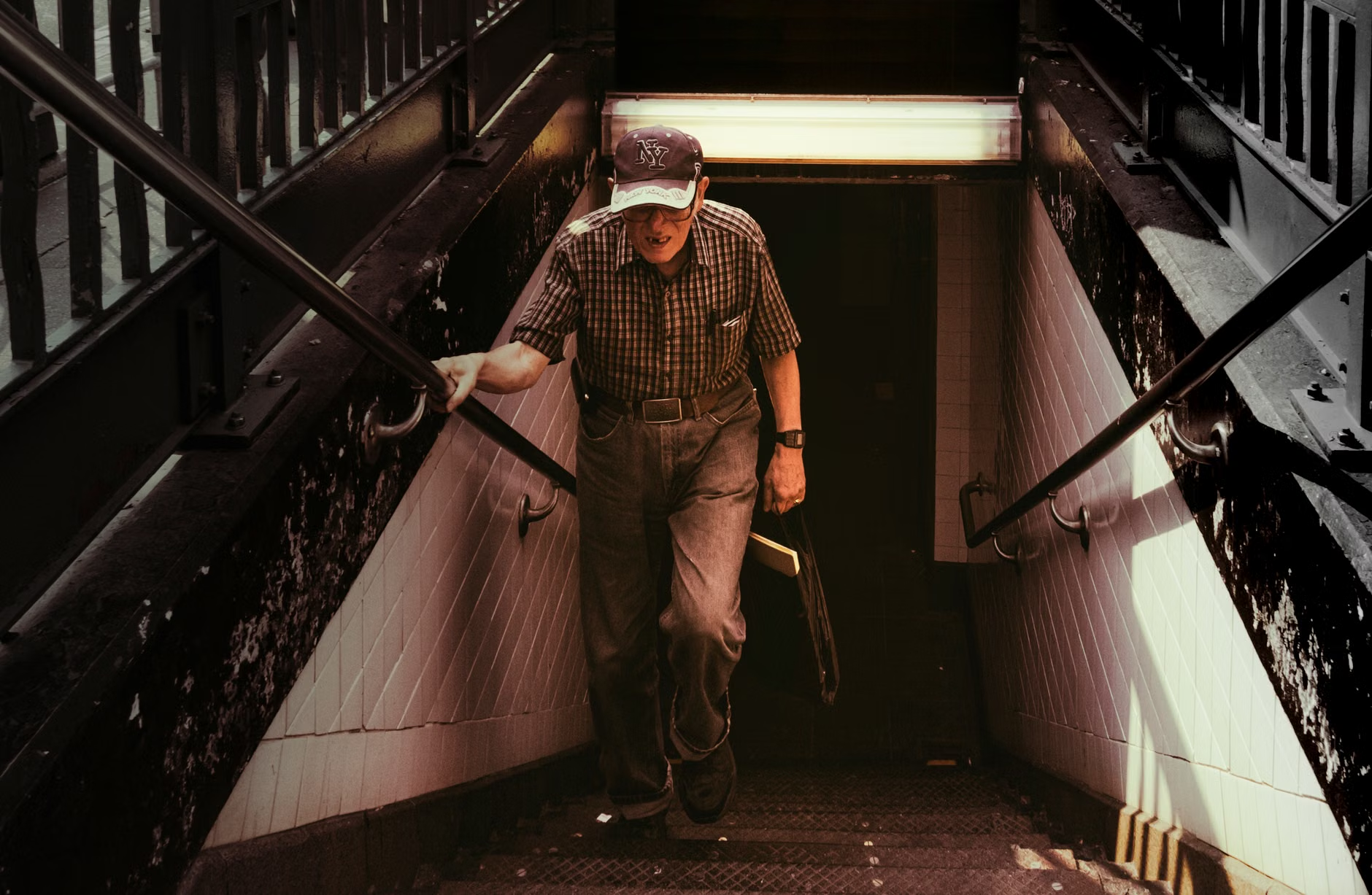
Consultation with your primary care physician is the first step in planning your trip. Specifically, ask about your tolerance for prolonged heat if you have existing conditions such as hypertension, heart disease, or autonomic nervous system imbalances. Thermal water can cause vasodilation—the widening of blood vessels—which may lead to a sudden drop in blood pressure when moving from a hot pool to a cooler area.
Managing Hydration and Stamina
The heat of a thermal bath acts as a diuretic and increases perspiration. Dehydration can occur rapidly, often without the immediate sensation of thirst. To mitigate this, establish a strict hydration protocol:
| Action | Guideline |
|---|---|
| Hydration | Drink 250ml of water before entering and 250ml immediately after exiting. |
| Immersion Time | Limit initial sessions to 15–20 minutes to gauge your body’s reaction. |
| Recovery | Rest in a seated, upright position for 20 minutes before attempting to walk long distances. |
If you experience dizziness, lightheadedness, or a rapid heartbeat, exit the water slowly. Do not attempt to stand up immediately; move to the edge of the pool where the water is shallow, sit for a moment, and then exit. Having a companion or caregiver aware of these protocols is highly recommended.
Strategic Planning: The Logistics of Movement
Traveling to a historic resort requires a different approach to scheduling than a standard vacation. The goal is to maximize enjoyment while minimizing physical fatigue. The most common mistake is over-scheduling the day around the “must-see” attractions of the resort town, leaving little energy for the actual therapeutic experience.
Consider the “One-Activity-Per-Day” rule. By limiting your primary activity to the thermal resort itself, you allow your body to absorb the benefits of the treatment without the stress of navigating public transport or crowded tourist sites. If you are staying in a historic district, the cobblestone streets—while charming—are a significant hazard. Research the distance from your accommodation to the resort entrance. If it exceeds 500 meters, prioritize resorts that offer shuttle services or are located directly adjacent to your hotel.
If your chosen resort is in a remote historic village, reaching it can be as taxing as the trip itself. In regions like Central Europe, where many famous thermal towns are located, trains are often the most reliable method of transit. However, historic stations may have limited platform access. Always contact the transit authority or the resort concierge to ask: “Is there a step-free path from the train platform to the taxi rank or shuttle service?”
Creating a Safety-First Environment
Safety in a historic resort is not just about the architecture; it is about the operational culture of the establishment. A high-quality resort will have staff trained to assist guests with limited mobility. When you arrive, do not hesitate to ask for a tour of the facility from an accessibility perspective. Ask the staff to point out the emergency call buttons—which should be present in all private changing areas and near the pool edge.
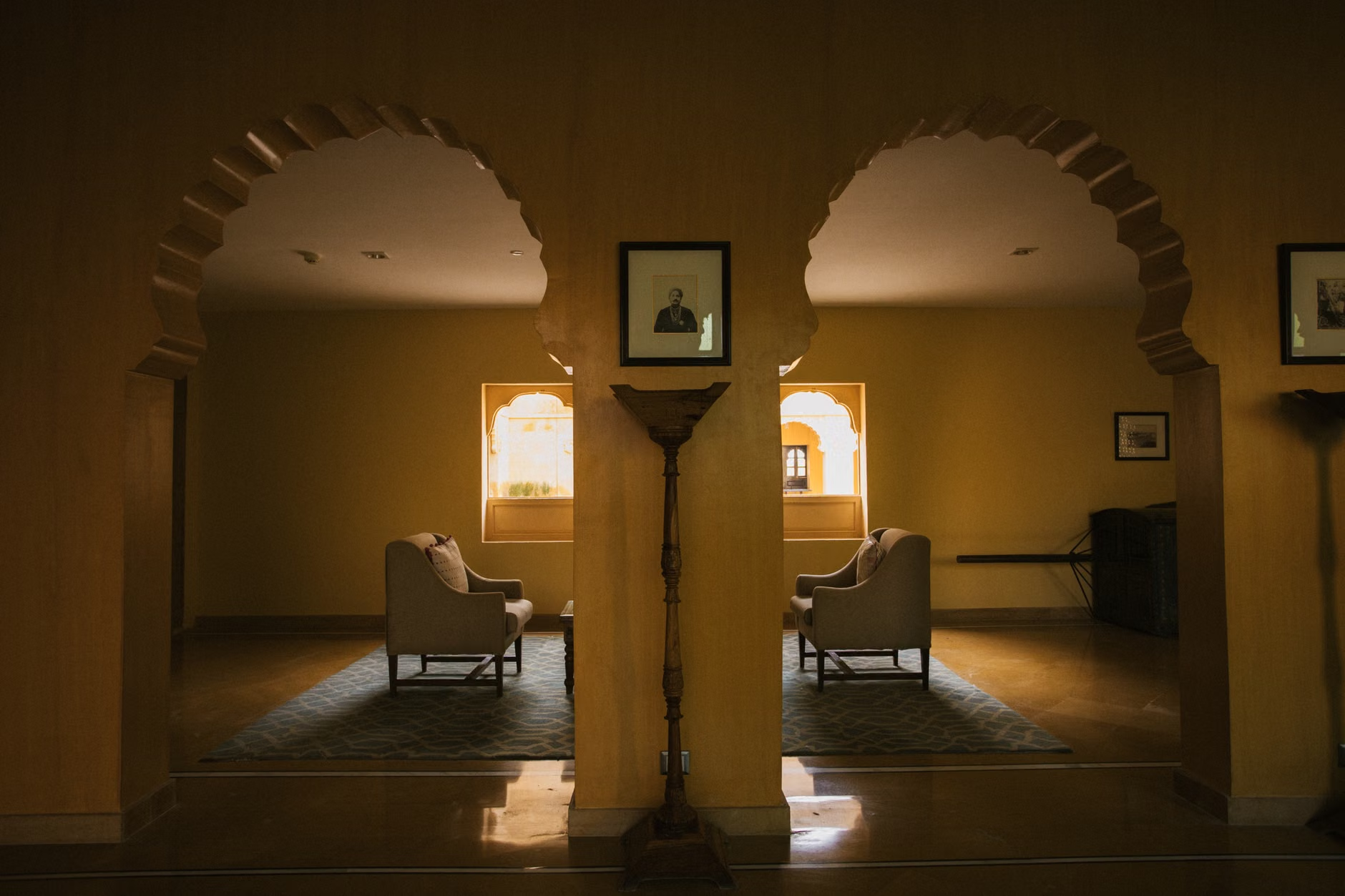
Another overlooked variable is the ambient noise and lighting. Historic buildings often feature hard surfaces that cause echoes, and dim, “atmospheric” lighting—while beautiful—can be dangerous for those with vision impairments or those prone to tripping. If you have concerns, request a room or a time slot that avoids the busiest hours of the day (usually mid-afternoon) to ensure you have more space and quieter surroundings.
Checklist for Selecting Your Resort
Before finalizing your booking, use this checklist to evaluate the suitability of the resort for your specific needs:
- Accessibility Documentation: Does the website provide photos of the pool entry points?
- Staff Assistance: Does the resort offer dedicated assistance for guests with mobility aids?
- Medical Proximity: How far is the nearest clinic or hospital in case of an emergency?
- Room Layout: Are the bathrooms equipped with grab bars and walk-in showers, or do they feature high-sided bathtubs?
- Temperature Control: Can you adjust the temperature in your room? (Historic buildings can be drafty in winter or prone to overheating in summer).
The Role of Caregivers and Companions
For those traveling with a caregiver or family member, the experience should be collaborative. The caregiver should not be expected to manage the logistics of the trip alone. Instead, use the resort’s concierge services. Many historic resorts have staff specifically assigned to assist guests with special requirements. By informing the resort of your needs at least two weeks in advance, you ensure that the necessary equipment—such as shower chairs or specialized pool-entry lifts—is prepared and tested before your arrival.
Furthermore, ensure your caregiver is aware of your specific medical needs. If you take medication that interacts with heat or mineral-rich water, provide a written summary of your health status and contact information for your primary physician. This is not about dependence; it is about ensuring that you can relax fully, knowing that your safety is managed.
Conclusion: Pacing for Longevity
The true value of a historic thermal bath resort lies in the ability to slow down. The architecture, the history, and the water provide a unique environment for rejuvenation. However, the benefits are only accessible if you prioritize your physical limits. By selecting a resort that respects your mobility needs, preparing your body through medical consultation, and pacing your daily activities, you can enjoy the therapeutic benefits of these historic sites for years to come.
Remember that the best experience is one where you feel secure and supported. Do not settle for facilities that dismiss your questions about accessibility. A resort that values its history should, above all, value the comfort and safety of its guests, regardless of age.
Frequently Asked Questions (FAQ)
1. Should I bring my own mobility aids to a thermal resort?
Yes, bring your own walking aids, such as a cane or walker, as you are familiar with them. However, check if the resort provides specialized equipment like waterproof wheelchairs or pool-entry lifts, as these are often required for safe access to the water.
2. How do I know if a historic resort is truly accessible?
Look for specific, updated accessibility statements on their official website. If they only use vague terms, call the concierge directly and ask for photos of the bathroom and the pool entrance. Official government tourism websites for the region often provide “accessible tourism” certifications that you can verify.
3. Are there specific times of day that are better for older travelers?
Early morning or late evening are typically the best times. These periods are usually less crowded, allowing you to move through the facility at your own pace without feeling rushed by other guests. This also provides a quieter, more serene environment that is often more conducive to relaxation.
Sources:
– World Health Organization, “Global Report on Health and Wellbeing of Older Persons” (2023).
– European Network for Accessible Tourism (ENAT), “Guidelines for Accessible Tourism Services.”
– International Spa Association, “Safety and Hygiene Standards for Thermal Facilities.”