- Seated spinal-flexion focuses on controlled hip-hinge movement to reduce strain on the lumbar vertebrae.
- Consistency and proper alignment—specifically keeping the spine neutral—are more important than the depth of the movement.
- Always stop if you experience sharp, shooting pain; this movement is intended for gentle mobility, not for pushing through structural discomfort.
For many adults aged 60 to 80, the lower back (lumbar region) often becomes a focal point of stiffness or mild discomfort after long periods of sitting or inactivity. While the temptation is to reach for aggressive stretches or quick-fix movements, the most effective approach for long-term lumbar ease is gentle, controlled spinal-flexion performed from a stable seated position. This practice helps maintain the natural range of motion in the hips and spine, ensuring that daily activities like getting out of a chair or reaching for objects remain manageable and pain-free.
Understanding the Mechanics of the Lumbar Spine
The lumbar spine consists of five large vertebrae that support most of the body’s weight. As we age, the discs between these vertebrae can lose hydration, and the surrounding muscles may become tighter due to changes in activity levels. When we talk about “flexion,” we are referring to the act of bending forward. However, in the context of lumbar health, we aren’t looking to “curl” the spine into a C-shape, which can put excessive pressure on the discs. Instead, we are looking for a “hip-hinge” movement.
A hip-hinge is a movement where the rotation happens at the hip joint, not the lower back. Think of your pelvis as a bowl of water; when you hinge, you are gently tipping the front of the bowl down. This keeps the spine long and stable, effectively “unloading” the lumbar region while gently lengthening the muscles of the lower back and hamstrings.
Why Seated Exercises Are Ideal for Seniors
Seated exercises provide a baseline of stability that standing movements cannot match. When you are seated, your center of gravity is lower, and you eliminate the need for significant balance work. This allows you to focus entirely on the quality of the movement. For individuals who may struggle with dizziness, fatigue, or joint instability in the knees or ankles, the seated position is the safest entry point for spinal mobility.
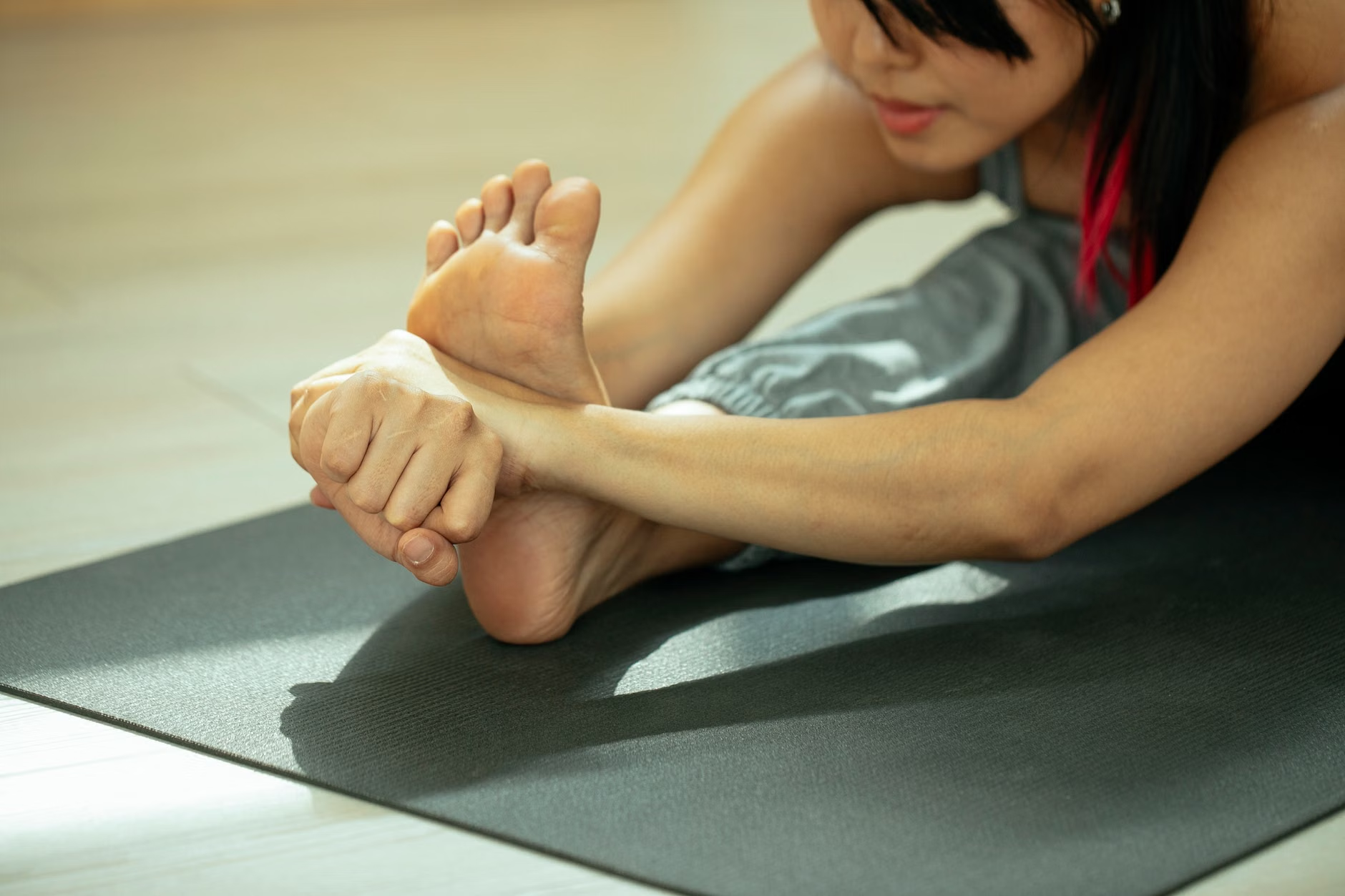
Step-by-Step: Performing the Seated Spinal-Flexion
To perform this movement correctly, you need a chair that is stable and does not have wheels. A dining room chair with a firm seat is usually ideal. Avoid soft, deep sofas, as they do not provide the necessary support for your pelvis.
| Step | Action | Focus Point |
|---|---|---|
| 1. Positioning | Sit toward the front edge of your chair. | Keep feet flat on the floor, hip-width apart. |
| 2. Alignment | Place hands on your thighs or hips. | Ensure your chest is lifted and shoulders are relaxed. |
| 3. The Hinge | Slowly lean forward from the hips. | Imagine a hinge at your hip crease, not your waist. |
| 4. The Return | Engage your core to return to upright. | Keep the spine long and avoid rounding your shoulders. |
The movement should feel like you are trying to lean forward to look at something on the floor, rather than trying to touch your toes. If you feel a “pull” in your hamstrings or a gentle stretch in your lower back, that is the target area. Never force the movement. The goal is mobility, not flexibility. If you can only lean forward two inches, that is perfectly fine. The effectiveness comes from the repetition and the control, not the distance.
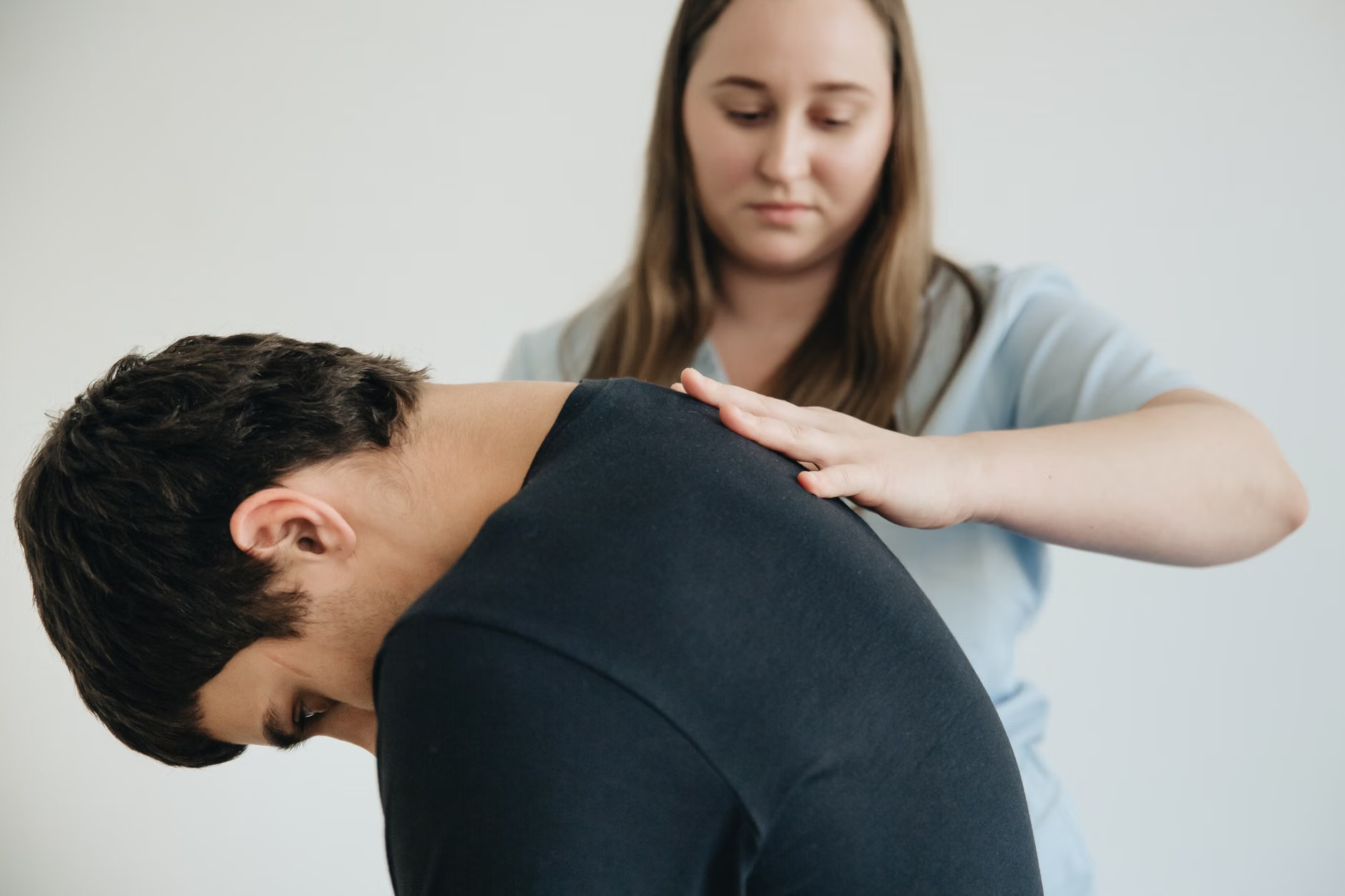
Common Mistakes and How to Correct Them
Even with simple movements, small errors can reduce the effectiveness or cause unnecessary strain. Recognizing these early will save you time and discomfort.
- Rounding the Shoulders: Many people instinctively round their upper back to get “lower.” This shifts the pressure from the hips to the mid-back. Correction: Keep your collarbones wide and your gaze forward throughout the movement.
- Holding the Breath: Breath-holding increases internal pressure and tension. Correction: Inhale as you prepare, and exhale slowly as you lean forward. This helps the muscles relax into the movement.
- Using the Chair Arms: If you use the armrests to push yourself back up, you are using your arms rather than your core and hip muscles. Correction: Aim to use your core strength to return to the upright position. If you feel weak, place your hands on your knees for light support, but do not push off.
The Role of Consistency Over Intensity
One of the most frequent misconceptions is that exercise must be intense to be beneficial. For spinal health, the opposite is true. Frequent, low-intensity movement keeps the tissues hydrated and the muscles pliable. Aim for 5 to 10 repetitions twice a day—perhaps once in the morning and once in the afternoon. This “snack” approach to movement is often more effective than a single, long, and tiring session.
When to Consult a Professional
While this exercise is generally safe, there are scenarios where you should pause and seek professional guidance from a physical therapist or your primary care physician. If you experience any of the following, do not attempt to “work through it”:
- Sharp, stabbing pain that radiates down one or both legs.
- Numbness or tingling in the feet or toes during or after the exercise.
- Pain that persists for more than an hour after the movement.
- A feeling of “locking” or instability in the spine.
If you have a history of spinal conditions, such as herniated discs or osteoporosis, it is essential to discuss specific movements with a professional who knows your medical history. They may suggest modifications, such as limiting the range of motion or focusing on specific stabilization exercises instead of flexion.
Integrating Mobility into Daily Life
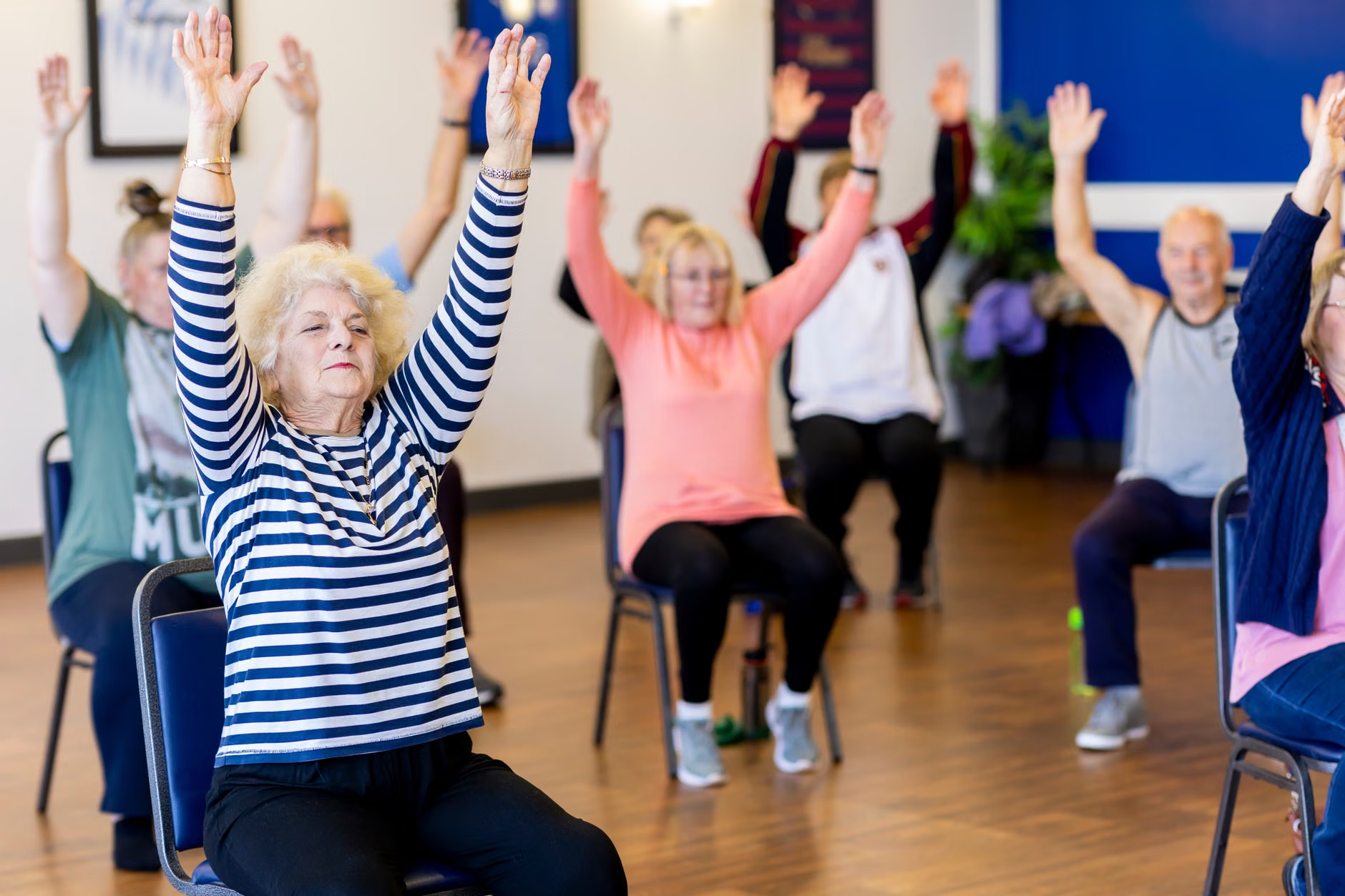
The beauty of the seated spinal-flexion is that it can be done anywhere—at the kitchen table, in a waiting room, or while watching television. To make this a habit, try linking it to an existing routine. For example, perform your repetitions every time you sit down to drink your morning tea. By “habit stacking” (attaching a new habit to an old one), you increase the likelihood of consistency.
Remember that lumbar ease is also influenced by what you do when you aren’t exercising. If you spend hours in a chair that is too low or lacks back support, your muscles will tighten up again. Ensure your seating environment is ergonomic. Your knees should be at or slightly below the level of your hips, and your feet should be firmly supported. If your chair is too low, placing a firm cushion on the seat can help align your hips and take the pressure off your lower back.
Practical Considerations for Long-Term Spinal Health
Beyond specific exercises, think of your spine as a structure that requires constant, gentle maintenance. Hydration is a critical, often overlooked factor. The discs in your spine are largely composed of water; staying well-hydrated helps maintain their volume and cushioning ability. Additionally, variety is key. Even the “best” posture or the “best” exercise becomes a strain if held for too long. Change your position every 30 to 45 minutes. A simple walk to the kitchen or a brief standing stretch is often all your lumbar spine needs to reset.
For those interested in further resources, the National Institute on Aging (NIA) offers comprehensive guides on physical activity for older adults, emphasizing that even small amounts of movement significantly contribute to functional independence. Understanding these principles allows you to take charge of your daily comfort without relying on complex equipment or expensive services.
Conclusion
Maintaining lumbar ease is not about finding a single miracle cure but about cultivating small, consistent habits that support your body’s natural mechanics. By incorporating seated spinal-flexion into your daily routine, you are taking a proactive step toward preserving your mobility and reducing the likelihood of stiffness. Focus on quality, listen to your body, and remember that the goal is to keep moving comfortably for years to come.
Frequently Asked Questions (FAQ)
1. Can I do this exercise if I have back pain?
If you have existing back pain, it is essential to consult a healthcare provider before starting any new movement. If the pain is mild and “stiffness-related,” gentle, controlled movement is often recommended. However, if the pain is sharp or related to a specific injury, this exercise might aggravate it. Always prioritize professional medical advice tailored to your specific condition.
2. How long does it take to see results?
Consistency is key. Many people notice a reduction in morning stiffness within one to two weeks of regular, daily practice. Remember that the goal is not immediate relief but long-term maintenance of mobility and function. Persistence is more important than speed.
3. Do I need any special equipment?
No special equipment is required. You only need a stable, firm chair that allows your feet to rest flat on the floor. Avoid chairs with wheels or soft, deep cushions that cause you to sink in, as these can disrupt the necessary alignment for the exercise.
Disclaimer: This article is for informational purposes only and does not constitute medical advice, diagnosis, or treatment. Always seek the advice of your physician or other qualified health provider with any questions you may have regarding a medical condition.