- Consistency over Intensity: Building quadriceps endurance is best achieved through high-repetition, low-resistance movements rather than heavy lifting.
- Safety First: Focus on maintaining a neutral spine and avoiding “locking” your knee joint at the peak of the extension to protect your cartilage.
- Functional Carryover: Strengthening the quadriceps directly improves your ability to stand from chairs, climb stairs, and maintain balance during daily walks.
Understanding the Role of Quadriceps Endurance in Daily Life
For adults aged 60 to 80, the quadriceps—the large muscle group on the front of the thigh—are arguably the most critical muscles for maintaining independence. These muscles are responsible for straightening the knee and are the primary engines for standing up, walking, and navigating staircases. When we discuss “endurance” in this context, we aren’t talking about running a marathon; we are talking about the muscle’s ability to perform repetitive tasks throughout the day without fatigue or failure.
As we age, a natural process called sarcopenia, or the loss of muscle mass and function, begins to occur. Without targeted intervention, this can lead to decreased stability and a higher risk of falls. Seated knee-extensions are a low-impact, highly effective way to counteract this. Because you are seated, you remove the challenge of balance, allowing you to focus entirely on the contraction and relaxation of the thigh muscles.
Why the Seated Knee-Extension is Ideal for Seniors
Unlike squats or lunges, which require significant core stability and place direct weight on the knee joints, the seated knee-extension isolates the quadriceps while the body is supported by a chair. This reduces the compressive force on the joints, making it an excellent starting point for those who may have arthritis or general joint stiffness. By performing this movement with high repetitions, you train the muscle fibers to sustain activity over longer periods, which is exactly what you need when walking through a museum, grocery shopping, or standing in a queue.

The Anatomy of a Perfect Seated Knee-Extension
To gain the benefits of this exercise, technique is paramount. A common mistake is using momentum to “swing” the leg up. This defeats the purpose and can place unnecessary strain on the patellar tendon. The goal is a slow, controlled movement that challenges the muscle through the full range of motion.
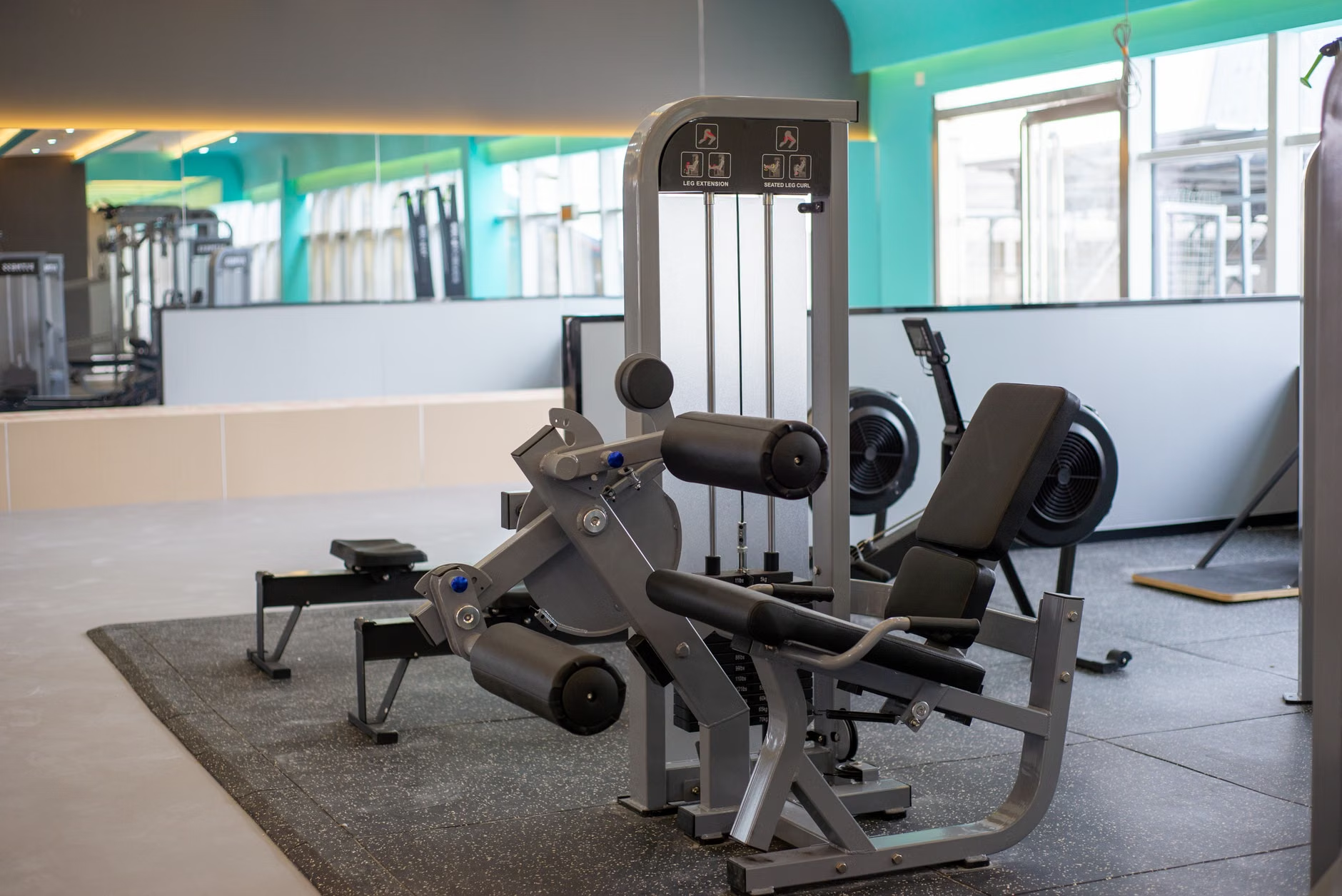
Step-by-Step Execution
- Setup: Sit on a sturdy, non-swivel chair with your feet flat on the floor, shoulder-width apart. Ensure your back is firmly against the backrest.
- Engagement: Before moving your leg, pull your belly button slightly toward your spine to engage your core. This stabilizes your torso.
- Extension: Slowly straighten your right knee until your leg is nearly parallel to the floor. Do not “snap” or lock your knee joint; keep it slightly soft.
- Hold: Pause at the top for a count of two, focusing on squeezing the muscle at the front of your thigh.
- Return: Slowly lower your foot back to the starting position. The descent should be just as controlled as the ascent.
- Repetition: Aim for 10 to 15 repetitions per leg before switching.
Structuring Your Endurance Routine
Endurance training relies on volume. Unlike power training, where you might perform 5 reps with heavy weight, endurance training requires you to work near the limit of your muscle’s fatigue threshold. Below is a suggested progression schedule for beginners to intermediate practitioners.
| Phase | Frequency | Reps per Set | Sets | Focus |
|---|---|---|---|---|
| Beginner | 3 times/week | 8-10 | 2 | Form and control |
| Intermediate | 4 times/week | 12-15 | 3 | Slower tempo |
| Advanced | 4-5 times/week | 15-20 | 3 | Adding resistance |
The table above serves as a guide, not a rule. If you feel sharp pain—distinct from the “burning” sensation of muscle fatigue—stop immediately. Muscle fatigue is a sign of progress; sharp pain in the joint is a signal to adjust your range of motion or consult a physical therapist.
Advanced Progressions: When Bodyweight Isn’t Enough
Once you can perform three sets of 20 repetitions with ease, your quadriceps have gained significant endurance. To continue seeing benefits, you must introduce “progressive overload.” This simply means making the exercise slightly harder so the muscles continue to adapt.
Adding Resistance Safely
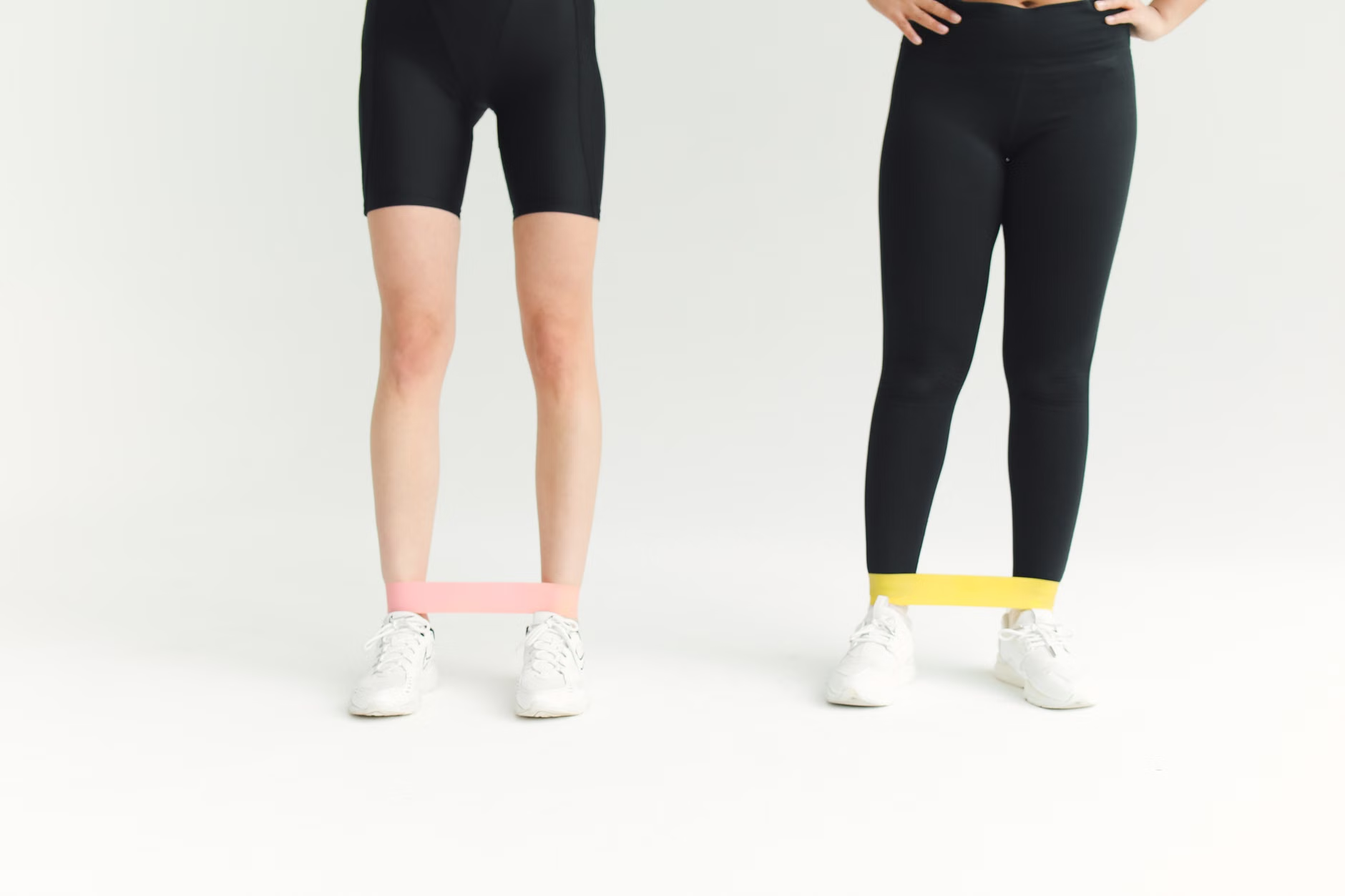
The most accessible way to add resistance at home is through the use of resistance bands or ankle weights. A resistance band is often preferred for seniors because it provides “variable resistance”—it gets harder the further you extend your leg, which mimics the natural strength curve of the quadriceps.
How to use a resistance band: Loop the band around the leg of your chair and the other end around your ankle. As you extend your leg, the band will stretch, providing increasing tension. Ensure the band is secure and of a light-to-medium tension level to start.
Common Pitfalls and How to Avoid Them
Even with a simple exercise, there are subtle errors that can limit results or cause discomfort. By being aware of these, you can optimize your efforts.
- The “Lock-Out” Habit: Many people hyperextend their knees at the top of the movement. This shifts the stress from the muscle to the joint capsule and ligaments. Always keep a microscopic bend in the knee at the peak of the extension.
- Leaning Back: If you find yourself sliding forward or leaning back to get the leg up, your core isn’t supporting you. Use a chair with a solid backrest and ensure you are sitting upright.
- Rushing the Descent: Gravity is your enemy if you let it drop your leg. The eccentric phase (the downward movement) is where much of the muscle strengthening occurs. Take 3 seconds to lower your foot for every 1 second you take to lift it.
Integrating Endurance into Your Daily Lifestyle
The true value of this exercise is its “carryover” to real-world activities. Consider the “sit-to-stand” test used by geriatricians: the number of times a person can stand up from a chair in 30 seconds. By training your quadriceps endurance, you are directly improving your score on this functional test, which is a major indicator of overall longevity and physical independence.
Practical Application Scenarios
Imagine you are visiting a large museum. You will likely spend 90 minutes walking and standing. If your quadriceps lack endurance, you will feel the “burn” within 20 minutes, leading you to look for a bench. By practicing seated knee-extensions, you are effectively “pre-loading” your muscles for these longer durations of activity. You aren’t just training for the gym; you are training for your next trip, your daily errands, and your ability to remain mobile.
Furthermore, consider the psychological benefit. Knowing that your legs are strong enough to support you provides a boost in confidence. This reduces “fear of falling,” a common psychological barrier that often leads to a sedentary lifestyle. When you trust your legs, you are more likely to stay active, which creates a positive cycle of health.
Professional Guidance and Safety Considerations
While seated knee-extensions are generally safe, there are conditions where you should seek guidance from a doctor or a physical therapist. If you have recently undergone knee surgery, such as a replacement or arthroscopy, you must follow the specific rehabilitation protocol provided by your surgeon. They may advise against full extension or specific ranges of motion during the recovery phase.
Additionally, if you experience persistent swelling, clicking, or “locking” of the knee joint during daily activities, these are signs that there may be an underlying issue with the meniscus or cartilage. In these cases, performing resistance exercises without a professional evaluation could exacerbate the issue. A physical therapist can perform a simple assessment to ensure your knee tracking is correct and that the exercise is appropriate for your specific anatomy.
When preparing for an appointment with a professional, keep a simple “exercise log” for one week. Record how many repetitions you performed, any discomfort you felt, and whether the discomfort occurred during the movement or persisted afterward. Bringing this log to your appointment provides the professional with objective data rather than relying on memory.
Conclusion: The Path to Sustained Mobility
Quadriceps endurance is not an innate trait; it is a quality that must be maintained through intentional movement. The seated knee-extension is a foundational tool that fits into any daily routine, requiring nothing more than a chair and a few minutes of your time. By focusing on controlled, high-repetition sets and gradually increasing the challenge, you are building the physical resilience necessary to navigate the world comfortably.
Remember that progress is rarely linear. There will be days when your legs feel tired, and that is perfectly normal. On those days, reduce the volume of your repetitions rather than stopping entirely. Consistency is the primary driver of endurance. By keeping your quadriceps strong, you ensure that your legs remain your most reliable partners in whatever activities you choose to pursue.
Frequently Asked Questions
1. Can I do this exercise every day?
Yes, because seated knee-extensions are a low-impact, endurance-focused exercise, they can be performed daily. However, if you feel significant muscle soreness, take a rest day to allow your muscle fibers to recover and grow stronger.
2. Does this exercise help with knee pain?
For many people, strengthening the muscles around the knee helps stabilize the joint and reduces pain caused by weakness. However, if the pain is caused by structural damage, it is essential to consult a professional before starting a new exercise routine.
3. Should I feel a burning sensation in my thigh?
Yes, that “burning” sensation is a normal sign that your muscles are working and reaching a point of fatigue. This is the goal of endurance training. As long as the sensation is in the muscle and not the joint, it is generally safe to continue until you reach your target repetition count.
Official guidance on physical activity for older adults can be found through the World Health Organization’s Guidelines on Physical Activity and Sedentary Behaviour.