- Cognitive Stimulation: History circles require active recall, narrative construction, and critical thinking, which help maintain neural plasticity.
- Social Resilience: Engaging in shared storytelling combats isolation and creates a sense of belonging, which is a key pillar of long-term mental health.
- Actionable Steps: You can start or join a history circle by leveraging local library archives, historical societies, or community centers to create a structured, recurring engagement.
Engaging with history is often dismissed as a passive activity—a mere act of looking backward. However, for adults aged 60 to 80, participating in community history circles is a rigorous cognitive exercise. It is not just about remembering the past; it is about the active process of reconstructing narratives, connecting personal experiences to broader social trends, and articulating those thoughts within a group setting.
When you participate in a history circle, your brain performs several high-level functions simultaneously. You are practicing semantic memory (recalling facts and concepts), episodic memory (recalling personal experiences), and executive function (organizing information and engaging in social turn-taking). Unlike a lecture, where you are a passive recipient, a history circle requires you to retrieve information, evaluate its significance, and communicate it clearly.
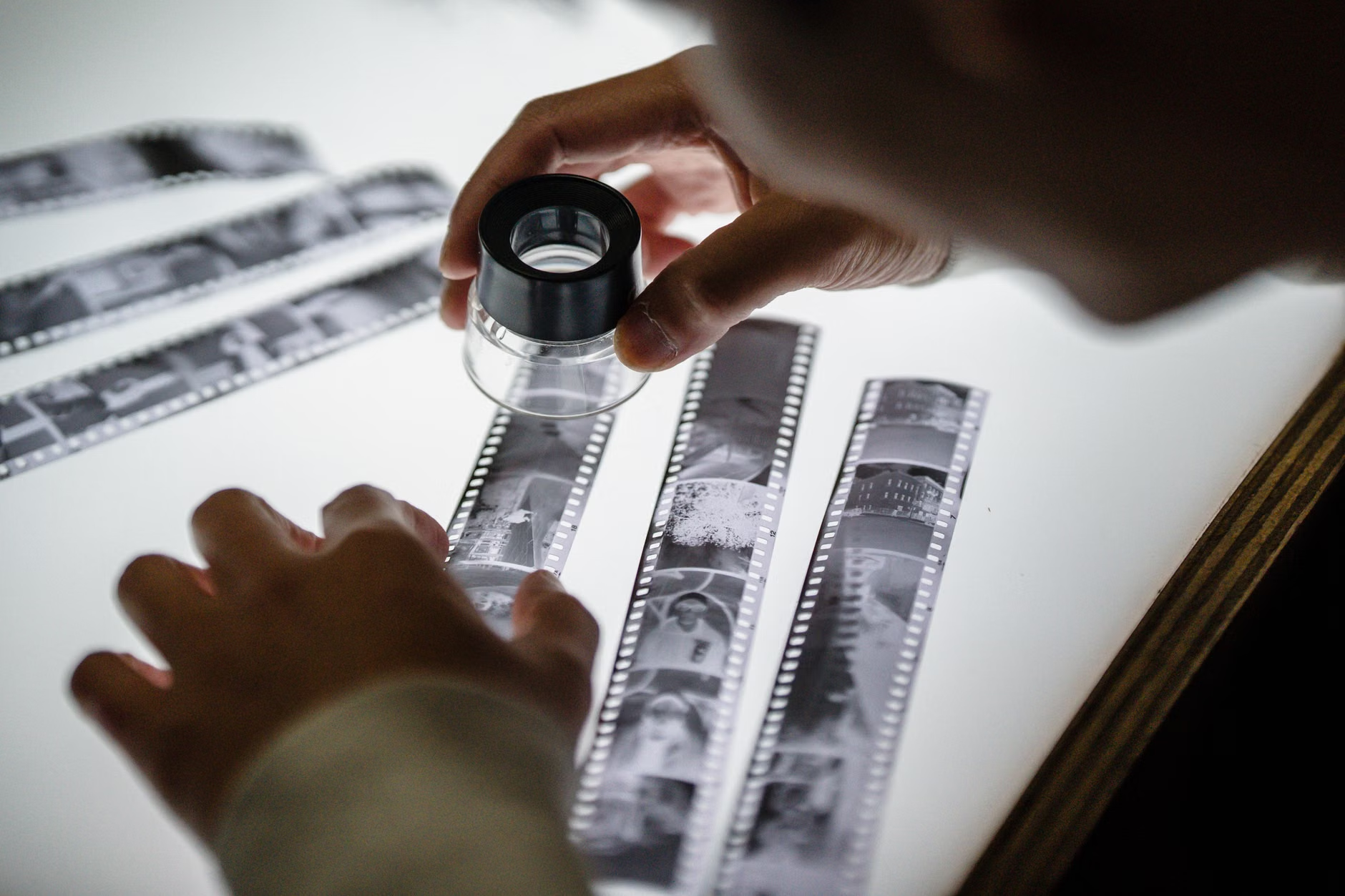
Why Narrative Reconstruction Matters for Brain Health
Neuroscience suggests that the brain thrives on complexity and novelty. When you attempt to describe a local landmark as it appeared forty years ago, you are not just “remembering.” You are visualizing, spatial mapping, and cross-referencing your memory with the current landscape. This process stimulates the hippocampus, the area of the brain most associated with memory formation and spatial navigation.
Furthermore, the social aspect of history circles adds a layer of emotional regulation. The act of sharing personal stories within a supportive group reduces cortisol levels—the hormone associated with stress. By validating your life experiences through the lens of community history, you reinforce your sense of identity and self-worth, which are essential components of psychological health in later life.
Structuring a History Circle: A Practical Framework
To move beyond casual reminiscing and into a structured “cognitive workout,” a history circle requires a bit of intentionality. Simply meeting and talking is pleasant, but applying a framework ensures that the group remains stimulating and intellectually challenging over the long term.
If you are looking to start or improve an existing group, consider the following structural elements to ensure the activity remains both engaging and beneficial:
| Component | Goal | Practical Implementation |
|---|---|---|
| Thematic Focus | Ensure depth of discussion. | Pick a theme (e.g., “Transportation in the 1970s,” “Local Architecture,” “Post-War Industry”). |
| Primary Source Integration | Stimulate sensory memory. | Bring one physical object, map, or photo per meeting. |
| Structured Turn-Taking | Foster active listening. | Allocate 5-7 minutes for each person to share their perspective on the theme. |
| Critical Synthesis | Encourage higher-level thinking. | Discuss how the theme has changed and what the implications are for today’s community. |
The table above illustrates the difference between a loose social gathering and a cognitive exercise. By introducing a “Thematic Focus,” you prevent the discussion from becoming repetitive or aimless. A common mistake in such groups is allowing one or two individuals to dominate the conversation with personal anecdotes that lack connection to the broader topic. Using a structured “Turn-Taking” approach ensures that everyone gets the opportunity to engage their cognitive faculties equally.

For many adults in the 60-80 age bracket, the physical logistics of participating in community activities are as important as the activity itself. Whether you are hosting at home or in a community center, accessibility is the foundation of consistency.
Environment and Mobility Considerations
When selecting a location for a history circle, ensure the following criteria are met:
- Accessibility: Is there step-free access? If the meeting is in a historic building, check for elevators or ramps.
- Seating: Avoid low, soft couches. Opt for firm chairs with armrests that make it easier to stand up.
- Acoustics: Background noise can be a significant barrier for those with hearing loss. Choose a room with soft surfaces (carpets, curtains) to minimize echo.
- Lighting: Ensure the space is well-lit, particularly if you are examining maps or photographs. Avoid glare on surfaces.
Safety Note: If you are organizing this for a group, always provide a clear “exit strategy” or break schedule. A 90-minute session should include at least one 15-minute break to allow for movement and restroom access. This is not just about comfort; it is about maintaining stamina so that the cognitive benefits of the meeting are not overshadowed by physical fatigue.
The Role of Digital Archives in Modern History Circles
You do not need to be a professional historian to host a high-quality discussion. In fact, many municipal libraries and national archives now provide digital tools that can serve as the backbone for your history circle. Using these tools adds an element of “digital literacy” to your meetings, which keeps your technological skills sharp.
How to use digital resources effectively:
- Search Local Archives: Visit websites like the National Archives (for US-based history) or local municipal library digital collections. Look for “Historic Photographs” or “City Maps.”
- Projecting Content: If you have a tablet or a laptop, you can share these images with the group. This provides a clear, high-contrast visual aid that is often easier to see than faded, small physical prints.
- Cross-Referencing: Use tools like Google Earth to view the modern-day location of a place you are discussing. This allows the group to compare the past and present side-by-side, which is a powerful way to stimulate spatial reasoning and critical analysis.
By integrating these digital tools, you are not just talking about the past; you are interacting with it in a way that requires you to adapt to new interfaces and visual formats. This “tech-plus-history” approach is an excellent way to maintain cognitive flexibility.
Addressing Potential Challenges and Misconceptions
One of the most common misconceptions about history circles is that they are inherently “sad” or “stuck in the past.” This is a significant misunderstanding. When facilitated correctly, history circles are forward-looking. They focus on the evolution of a community. By understanding how a city or neighborhood changed, you gain a better perspective on why things are the way they are today. This creates a sense of “community agency”—the feeling that you are a knowledgeable, contributing member of your current environment.
Another challenge is the fear of “forgetting.” Many adults worry that they won’t remember specific dates or names, which can lead to anxiety about participating. It is crucial to remember that a history circle is not a test. The value lies in the process of inquiry, not the accuracy of the data. If you cannot remember a date, that is an opportunity for the group to research it together, which is a collaborative cognitive task.
When to Seek Professional Support
While history circles are excellent for mental wellbeing, they are not a substitute for professional medical care. If you notice that you or a loved one is struggling to follow the thread of a conversation, or if there is a persistent inability to recall well-known facts that were previously familiar, this may be a sign to consult a healthcare professional. These activities should be viewed as a preventative lifestyle habit, not a treatment for cognitive decline.
Expanding the Scope: Beyond Local History
Once your circle becomes comfortable with local history, consider expanding the scope to include “Thematic History.” This involves picking a topic that is not tied to a specific location but to a shared experience. Examples include:
- The History of Technology in the Home: Discussing the transition from iceboxes to refrigerators, or manual typewriters to computers.
- The History of Travel: How vacations have changed from the 1950s to today.
- The History of Music and Media: The shift from radio to television to streaming.
These topics are particularly effective because they often involve diverse perspectives. A person who worked in an office in the 1960s will have a very different “history” of the typewriter than someone who worked in a factory. Sharing these varied experiences creates a richer, more nuanced understanding of the past and encourages empathy and active listening.
Conclusion: The Sustained Benefit of Connection
The cognitive power of community history circles lies in their ability to combine memory, social interaction, and critical thinking into a single, enjoyable activity. By moving beyond simple nostalgia and into structured, evidence-based inquiry, you are actively investing in your brain health and your social well-being.
The most important step is to simply begin. Whether it is a group of three friends meeting in a kitchen or a formal group at a local community center, the act of deliberate, shared reflection is a powerful tool for aging well. Remember that the goal is not to be a perfect historian, but to be an active, engaged participant in the ongoing story of your community.
Frequently Asked Questions
1. Do I need to be a history buff to join or start a history circle?
No, not at all. The goal is to share personal perspectives and collective memories. You are the expert of your own life experiences, and those experiences are the primary “source material” for the group. The curiosity to learn about your community is more important than prior knowledge.
2. What if our group runs out of things to talk about?
This is where thematic planning helps. If you find yourselves repeating the same stories, try introducing a new medium—such as a short documentary film, a newspaper article from 30 years ago, or a guest speaker from a local historical society. Changing the “input” will always result in new “output” and conversation.
3. How can I ensure these meetings don’t become physically exhausting?
Prioritize comfort from the start. Keep meetings to a strict, manageable time limit (e.g., 60 to 90 minutes). Ensure the venue has easy access to restrooms and refreshments, and always encourage participants to speak up if they need a break. Physical comfort is essential for maintaining the mental energy required for active discussion.
For more information on the benefits of lifelong learning and social engagement, you may refer to resources provided by the National Institute on Aging, which offers extensive evidence-based insights into healthy aging and cognitive maintenance.