Key Takeaways
- Physical and Cognitive Benefits: Intergenerational gardening combines low-impact physical movement with complex problem-solving, significantly improving joint health and mental engagement.
- Structural Accessibility: Success in long-term gardening depends on using ergonomic, waist-high raised beds and specialized tools that minimize strain on the back and hands.
- Social Sustainability: Beyond growing food, these gardens serve as essential social infrastructure, reducing isolation and facilitating knowledge transfer between older and younger generations.
In 2026, the concept of intergenerational gardening has evolved from a niche hobby into a vital strategy for fostering community resilience and personal health. For adults aged 60 to 80, this practice offers a unique intersection of physical activity, cognitive stimulation, and the opportunity to bridge the generational divide. By working alongside younger family members or community volunteers, older adults can share lifelong wisdom while engaging in sustainable practices that provide tangible results.
The Physical and Cognitive Value of Gardening for Seniors
Gardening is often categorized as a light-to-moderate physical activity, but when viewed through a health-maintenance lens, it acts as a comprehensive functional exercise program. For older adults, the primary challenge is maintaining flexibility and strength without over-stressing joints. Gardening addresses this by incorporating varied movements—reaching, squatting (if mobility allows), digging, and fine-motor manipulation of seeds and tools.
What it looks like in real life: A senior engaging in regular gardening sessions spends approximately 30 to 60 minutes three times a week in a garden. This duration is sufficient to maintain muscle tone in the forearms and shoulders while providing low-impact cardiovascular exercise. Crucially, the cognitive demand of planning planting cycles, identifying pests, and managing soil health provides a form of “active meditation” that has been shown in various gerontological studies to reduce cortisol levels.
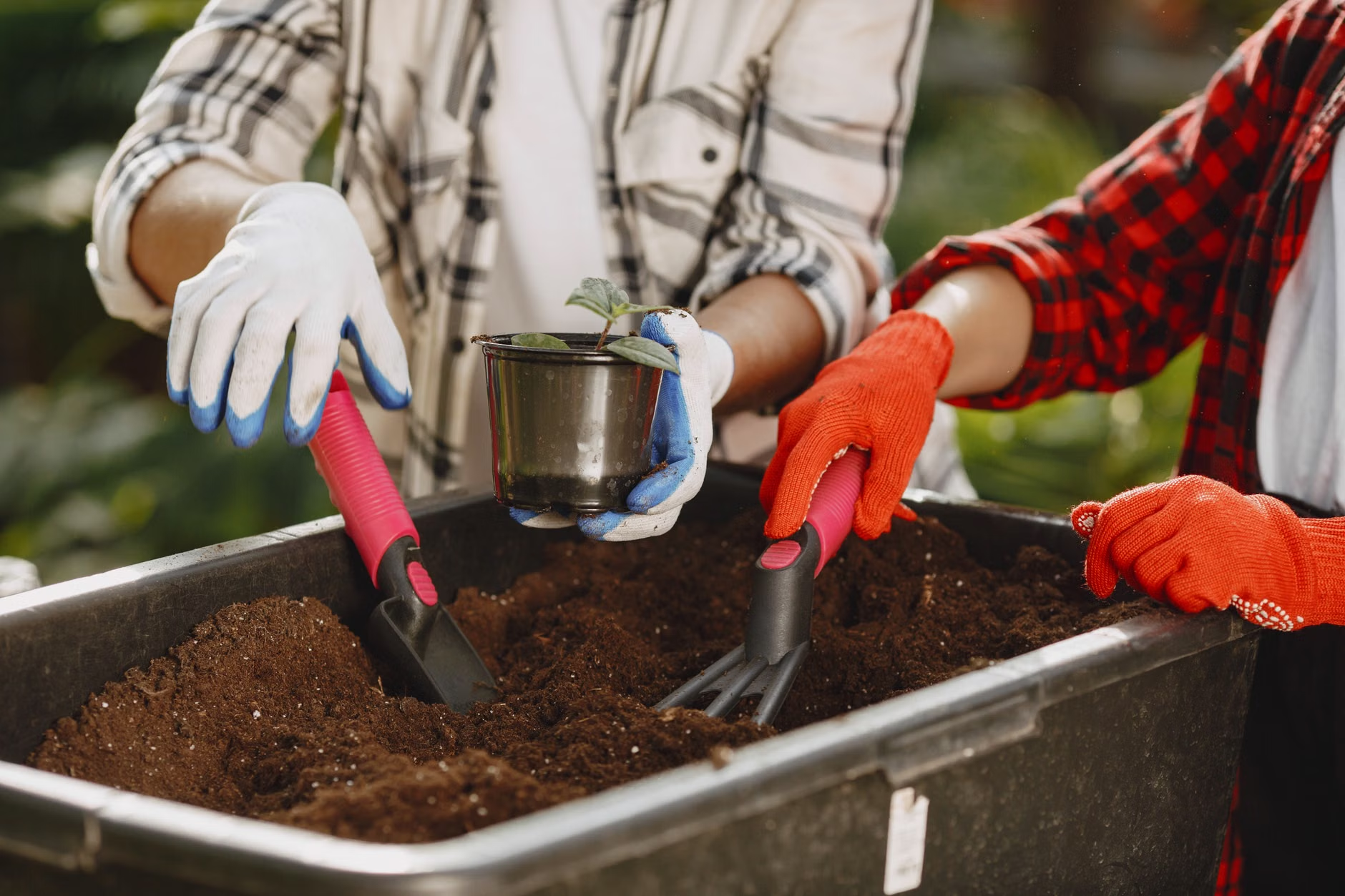
The Intergenerational Advantage: When you garden with a younger partner, the “task-sharing” aspect becomes a safety feature. Heavy lifting, such as moving bags of compost or large pots, can be delegated to the younger participant, while the senior provides the expert oversight on plant placement, watering schedules, and seasonal timing. This creates a symbiotic relationship where the elder’s experience prevents horticultural failure, and the youth’s physical strength prevents physical strain for the senior.
Designing an Accessible Garden Environment
The most common barrier to sustained gardening is physical discomfort. If you are experiencing arthritis or limited range of motion, standard ground-level gardening is likely unsustainable. In 2026, the standard for senior-friendly gardening is the implementation of ergonomic, waist-high raised beds.
Key Features of an Accessible Garden
- Raised Bed Height: Beds should be constructed at 70 to 90 centimeters (28 to 36 inches) in height. This allows a person to stand or sit on a high stool while gardening, eliminating the need to kneel or bend deeply.
- Width Considerations: If the bed is accessible from only one side, it should be no wider than 60 centimeters. If accessible from both sides, it can be up to 120 centimeters wide. This ensures you can reach the center of the bed without overextending your torso.
- Pathways: Ensure paths between beds are at least 120 centimeters wide and paved with non-slip, level material like crushed stone or packed decomposed granite. This is essential for safety, especially if using a cane or walker.
Practical Decision Rule: Before starting a garden project, assess your “reach comfort zone.” Stand in your kitchen and extend your arms toward your countertop. That height is your ideal gardening height. If you feel tension in your lower back when reaching forward, your garden bed is likely too deep or too low. Adjusting these parameters before planting season saves weeks of potential back pain.
Sustainable Practices and Knowledge Transfer
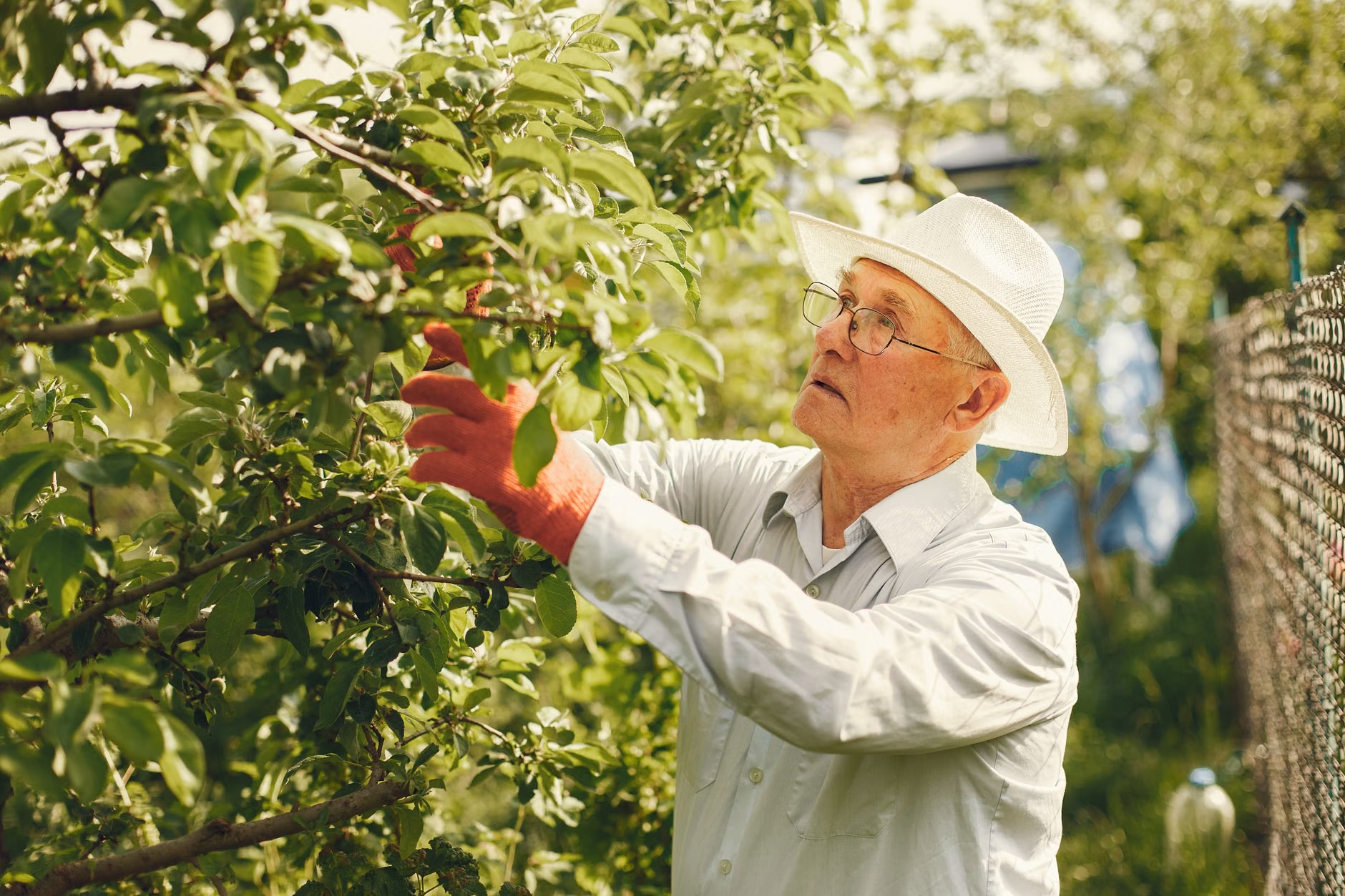
Gardening in 2026 is increasingly focused on sustainability—using less water, avoiding synthetic pesticides, and composting food waste. For older adults, this is an opportunity to pass down “traditional” knowledge that is often lost in modern, hyper-digitalized living. For example, the art of seed saving or the natural methods of pest control (such as companion planting) are skills that younger generations are eager to learn but often lack the patience to research.
| Practice | Senior Role (Mentorship) | Junior Role (Execution) |
|---|---|---|
| Composting | Monitoring decomposition, pH balance | Turning the pile, heavy lifting |
| Seed Saving | Selecting, cleaning, and storing seeds | Digital documentation, labeling, organizing |
| Water Management | Observing plant health, soil moisture | Installing drip irrigation, hauling water |
This division of labor is not merely about convenience; it is about meaningful engagement. When a senior acts as a mentor, they transition from a passive observer of their environment to an active leader of a project. This shift is critical for maintaining a sense of purpose and self-efficacy in later life.
While gardening is beneficial, it carries inherent risks that must be managed. The most common issues for older adults include sun exposure, repetitive strain, and trips or falls.
Safety Checklist for Gardeners
- Sun Protection: Skin becomes thinner and more vulnerable to UV damage with age. Always wear a wide-brimmed hat, UV-protective long sleeves, and high-SPF sunscreen, even on overcast days.
- Hydration: Thirst signals often diminish in older adults. Set a timer to drink water every 20 minutes while in the garden, regardless of whether you feel thirsty.
- Tool Ergonomics: Use tools with thick, rubberized grips. Avoid tools with thin metal handles, which can cause blisters and exacerbate joint pain. Consider “ratchet” pruners, which require significantly less hand strength to cut through thick stems.
- Fall Prevention: Ensure all garden debris is cleared immediately. A stray branch or a hose left across a path is a major fall hazard.
Warning Signs: If you experience sharp, shooting pain in the shoulders or lower back, stop immediately. Do not attempt to “work through” the pain, as this can lead to inflammation that may take weeks to subside. If pain persists for more than 48 hours after gardening, consult with a physical therapist to evaluate your posture and tool usage.
Cultivating Social Infrastructure
Beyond the plants themselves, the garden acts as a “third space”—a place outside of home and work where community happens. For many adults aged 60 to 80, social isolation is a significant health risk. An intergenerational garden provides a structured environment for social interaction that does not feel forced.
Real-world Scenario: Consider a community garden where a senior, “Arthur,” meets a young local student, “Maya,” once a week. They are not just gardening; they are exchanging perspectives. Arthur teaches Maya how to identify healthy soil, while Maya helps Arthur navigate the smartphone apps that track local weather patterns and plant growth. This reciprocal learning prevents the “digital divide” from becoming a barrier to connection.
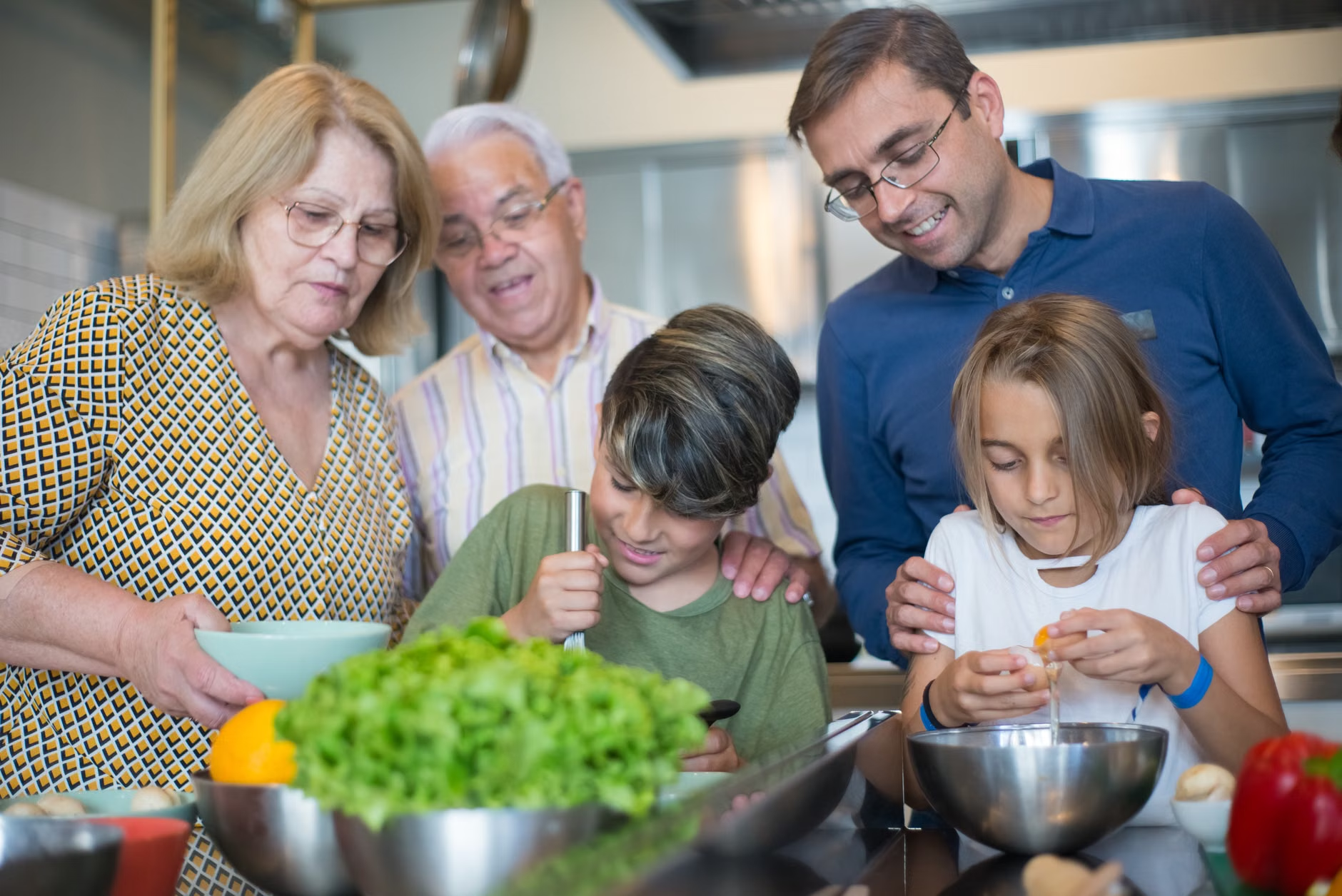
To maximize these social benefits, seek out community gardens that host “harvest-and-share” events. These events are designed to be low-pressure and inclusive. If your local area lacks such a space, consider starting a small “garden club” in your neighborhood. You do not need a massive plot of land; a few well-managed containers on a porch can be the starting point for a conversation with a neighbor.
Deepening the Connection: Beyond the Garden Gates
The lessons learned in the garden—patience, observation, and the understanding of cycles—are highly transferable to other aspects of life. In 2026, many seniors are using their gardening experiences to advocate for better urban green spaces. By participating in local council meetings or community planning sessions, older adults can ensure that new developments include accessible green areas.
Hidden Insight: Many people overlook the “sensory” benefits of gardening. Engaging the senses of smell (herbs), touch (soil and leaves), and sight (colors and textures) can be profoundly grounding for those who may be dealing with the stress of health management or life transitions. It provides a sensory-rich environment that is often missing in clinical or indoor settings.
Practical Next Steps:
- Assess your space: Check your balcony, backyard, or local community garden for a spot with at least 6 hours of sunlight.
- Start small: Begin with three pots or one small raised bed. Do not overwhelm yourself with a large variety of crops in the first season.
- Invite a partner: Reach out to a grandchild, a neighbor’s child, or a local volunteer organization to find a gardening partner.
- Document your progress: Keep a simple notebook of what worked and what didn’t. This is a valuable record to share with your partner.
Conclusion: A Sustainable Future
Intergenerational gardening in 2026 is more than a leisure activity; it is a profound commitment to the health of the individual and the community. By focusing on ergonomic design, shared responsibility, and consistent, moderate physical engagement, older adults can transform their gardening practice into a lifelong source of joy and purpose. Start by focusing on what you can do comfortably, and let the garden—and the connections you build within it—grow naturally from there.
Frequently Asked Questions (FAQ)
1. I have severe arthritis in my hands. Can I still garden?
Yes, but you must adapt your tools. Look for tools with “pistol grips” or those that use a ratchet mechanism to reduce the force required. Using a lightweight, foam-grip handle can also make a significant difference. Avoid gripping thin metal handles for extended periods.
2. Is it better to join a community garden or start my own?
This depends on your social and physical goals. A community garden offers social interaction and shared resources, which is excellent for those who want to combat isolation. Starting your own garden offers more control over the physical environment, allowing you to tailor the space exactly to your mobility needs.
3. How do I find a younger person to garden with?
Look for local community centers, university volunteer boards, or “intergenerational programs” in your city. Many young people are interested in sustainable living and skills like gardening but lack the space or the knowledge to start. A simple post on a local neighborhood forum or a notice at a library can often connect you with an enthusiastic partner.
For further information on sustainable gardening practices and senior health, please visit the World Health Organization (WHO) Ageing and Health resources or your local national agricultural extension service websites for region-specific planting guides.