- Bird-watching is a low-impact, accessible hobby that combines gentle physical movement with high-level cognitive engagement.
- Joining a local club provides a structured social environment, reducing isolation and fostering meaningful peer connections.
- Success in birding is not about perfect vision or hearing; it is about learning, patience, and using assistive tools effectively.
The Intersection of Nature and Community
For many adults aged 60 to 80, the search for hobbies often balances two competing needs: the desire for low-impact physical activity and the need for consistent, meaningful social engagement. Bird-watching, often referred to as “birding,” serves as an ideal bridge between these requirements. It is a pursuit that encourages you to step outside, observe the natural world, and share those observations with a community of like-minded individuals.
Unlike high-intensity sports, birding is self-paced and highly adaptable to different levels of stamina and mobility. It does not require extreme athletic prowess; instead, it rewards patience, observation, and the ability to listen. When done as part of a community club, it transforms from a solitary activity into a social anchor that provides routine, purpose, and intellectual stimulation.
Why Bird-Watching Clubs Foster Better Social Health
Social isolation is a significant risk factor for health decline in older adulthood. Research consistently shows that maintaining strong social ties is linked to better cognitive longevity and emotional resilience. Bird-watching clubs offer a “low-pressure” social environment, which is often more sustainable than high-energy social groups.
When you join a club, you are not just socializing for the sake of conversation; you are collaborating on a shared project: identifying species, documenting migrations, or learning about local habitats. This shared objective reduces the “small talk” fatigue that some people feel in purely social settings. Conversations flow naturally around the birds, the environment, and shared experiences in the field.
Structuring Your Week for Routine
Most local birding clubs meet on a regular schedule—perhaps every Tuesday morning or the first Saturday of the month. This regularity provides a structural anchor for your week. Having a scheduled outing ensures that you engage in light physical activity and social interaction consistently, rather than waiting for an arbitrary social invitation.
Intergenerational and Peer-to-Peer Learning
Birding clubs are often multi-generational. While many members may be in the 60-80 age range, you will often find younger members or local experts who are eager to share knowledge. This exchange of information keeps the brain active and fosters a sense of being part of a larger, ongoing community effort. It is not just about “what I know,” but “what we are discovering together.”
Physical and Cognitive Benefits: Beyond the Binoculars
Bird-watching is frequently misunderstood as a purely passive hobby. In reality, it involves a complex set of cognitive and physical demands that help maintain sharpness and mobility.
Cognitive Engagement Through Pattern Recognition
Identifying a bird requires active cognitive processing. You must notice subtle differences in plumage, wing shape, flight patterns, and song. This is a form of neuro-plastic exercise that keeps the brain engaged in high-level categorization and memory recall. You are essentially learning a new language—the language of avian behavior and identification.
Low-Impact Mobility
Birding often takes place in parks, nature reserves, or botanical gardens. These environments are generally designed with walking paths, benches for rest, and relatively flat terrain. Because you stop frequently to observe, you are naturally incorporating interval-style movement into your day, which is often safer and more sustainable for joint health than continuous, high-intensity exercise.

How to Choose the Right Club for Your Needs
Not all birding clubs are the same. Some are highly competitive “listers” (people who focus on seeing as many species as possible), while others are social walking groups. Choosing the right group is essential for your comfort and enjoyment.
| Club Type | Primary Focus | Best For |
|---|---|---|
| Social Birding Groups | Casual walks, conversation, tea/coffee breaks. | Those seeking companionship and light exercise. |
| Educational/Course-Based | Learning identification, ecology, and biology. | Those who enjoy structured intellectual growth. |
| Conservation/Citizen Science | Data collection, habitat restoration. | Those who want to contribute to environmental goals. |
When evaluating a club, ask about the “average pace” of their walks. A reputable club should be able to tell you if their outings are suitable for people who use walking aids or who prefer shorter, slower-paced routes. Do not be afraid to ask, “Do you have a group that stays on paved paths?” or “How often do you take breaks?” These are reasonable questions for any participant.
Practical Preparation: Safety and Comfort
To enjoy birding, you must manage your equipment and environment effectively. The most common mistake for beginners is over-investing in heavy, expensive gear that is difficult to carry.
Equipment Selection
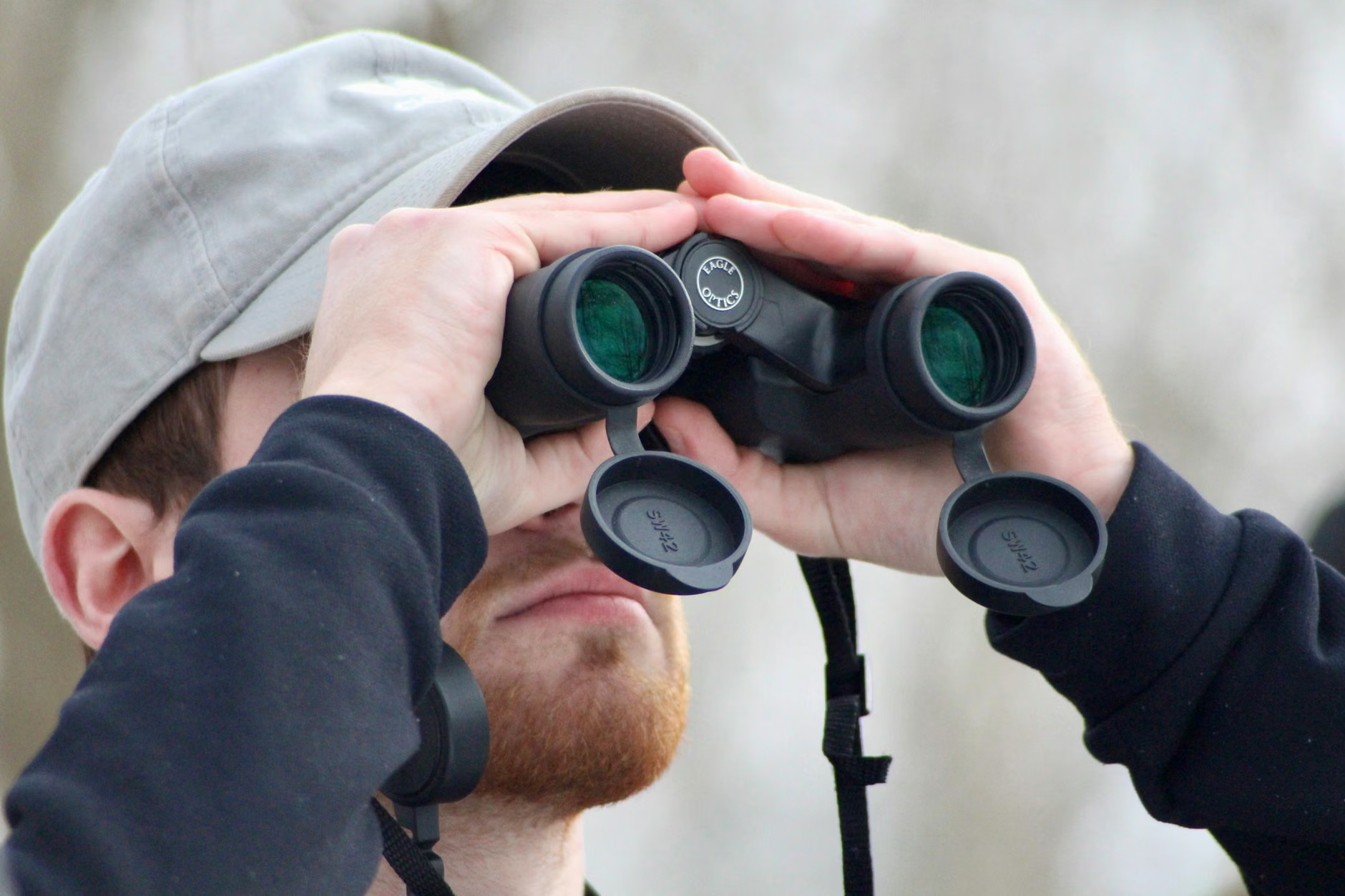
- Binoculars: Look for 8×42 binoculars. The “8x” refers to magnification, which is sufficient for most sightings, and the “42” refers to the lens diameter, which lets in enough light for clear viewing. Anything heavier can lead to neck strain.
- Support: If you struggle with steadying your hands, consider a monopod or a lightweight tripod. These can significantly improve your viewing experience and reduce fatigue.
- Clothing: Dress in layers, regardless of the season. Birding involves long periods of standing still, during which your body temperature can drop more quickly than when you are walking.
Safety Considerations
Always check the accessibility of the site before you go. Many parks have websites detailing the terrain of their trails. If you are joining a new group, ensure you have a “buddy” who knows your limitations and is aware of your pace. Carry a small backpack with water, a light snack, and your medication, even if the outing is only for an hour or two.
Addressing Common Concerns for the 60-80 Demographic
A frequent concern is the fear that failing eyesight or hearing will prevent success in bird-watching. It is important to remember that birding is a sensory experience that compensates for itself. If your hearing is not what it used to be, you can rely more on visual cues and the expertise of your club members. Many clubs also use apps (such as the Merlin Bird ID by Cornell Lab of Ornithology) that can help identify birds by photo or sound, acting as a digital assistant for your senses.
Another concern is the cost. Birding is one of the most cost-effective hobbies available. Aside from a one-time investment in a decent pair of binoculars and a guidebook, the activity is almost entirely free. Most clubs are non-profit and membership fees, if any, are nominal and go toward conservation efforts.
Practical Steps to Get Started
- Search Locally: Look for your national or regional ornithological society’s website to find local chapters. For instance, in the US, the National Audubon Society provides a search tool for local chapters.
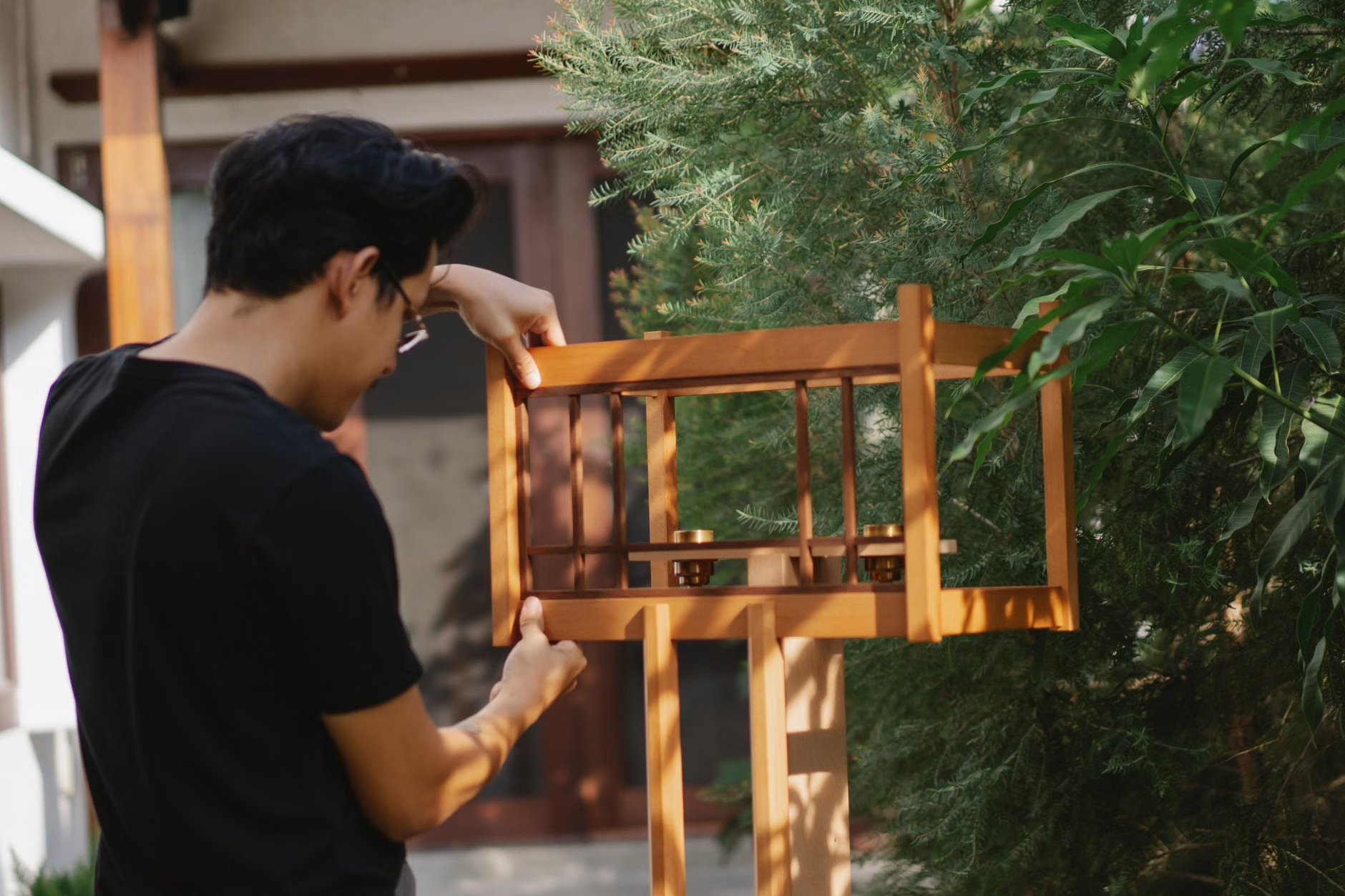
- Start at a Bird Feeder: Before joining a group, set up a simple bird feeder in your yard or on your balcony. Observe the birds that come to you. This builds your identification skills in a comfortable, familiar environment.
- Attend an Introductory Event: Many clubs host “Newbie” or “Introduction to Birding” walks. These are specifically designed for people who have never held binoculars before.
Conclusion: The Path Forward
Joining a bird-watching club is more than just a way to pass the time; it is a proactive step toward maintaining social connectivity and cognitive health. By choosing a group that aligns with your mobility and social preferences, you turn a simple walk in the park into a consistent, rewarding part of your lifestyle. Remember, the goal is not to identify every bird in the sky, but to enjoy the process of discovery and the company of your peers. Start small, reach out to a local group, and allow yourself the patience to learn a new, lifelong hobby.
Official Resources for Further Exploration
- National Audubon Society (USA) – Provides resources for finding local chapters and birding basics.
- The Royal Society for the Protection of Birds (UK) – Offers extensive guides on bird identification and local community events.
- eBird (Cornell Lab of Ornithology) – A global database for bird sightings that helps you track your progress and find local hotspots.
Frequently Asked Questions
1. Do I need expensive equipment to join a bird-watching club?
No, you do not. A basic pair of 8×42 binoculars is sufficient for most birding. Many clubs even have “loaner” binoculars that you can try during your first few outings to see if you enjoy the hobby before making a purchase.
2. What if I have limited mobility? Can I still participate?
Absolutely. Many bird-watching clubs are very inclusive and specifically select trails that are paved, flat, or wheelchair-accessible. When reaching out to a club, explain your mobility needs, and they will be able to tell you which of their outings are suitable for you.
3. Is birding difficult to learn at my age?
Birding is a lifelong learning process, not a race. You don’t need to memorize hundreds of species to enjoy it. Most people start by learning the common birds in their own backyard. The social aspect of the club means you are always learning from others, which makes the process much easier and more enjoyable than trying to learn alone.