Seated ankle-inversion exercises are one of the most effective, low-impact ways to improve lateral ankle stability, directly reducing the risk of rolls, sprains, and falls in adults aged 60 to 80.
- Controlled Movement: Inversion exercises strengthen the muscles responsible for stabilizing the outer ankle, preventing common tripping injuries.
- Safety First: Performing these exercises from a seated position eliminates balance risks, making them ideal for individuals with varying levels of stamina.
- Consistency Over Intensity: Small, daily movements are significantly more effective for joint health than sporadic, high-intensity workouts.
Understanding Lateral Ankle Stability
Lateral ankle stability refers to the ability of your ankle to withstand forces that push it outward, which is the most common direction for ankle sprains. As we age, the connective tissues, ligaments, and the proprioceptive feedback loop—the body’s ability to sense its position in space—can diminish. This often leads to a feeling of “unsteadiness” when walking on uneven surfaces like cobblestones, grass, or even slightly uneven carpet.
The ankle is a complex hinge joint supported by several key muscle groups. When these muscles are weak, the burden of stability falls entirely on the ligaments. Ligaments are not designed to be the primary stabilizers for daily movement; they are passive structures. By strengthening the muscles surrounding the ankle, particularly the invertor and evertor groups, you provide active support that protects these ligaments.
Why Seated Exercises Are Ideal for Seniors
For many older adults, standing exercises can be daunting if balance is already a concern. Seated exercises provide a “controlled environment.” By removing the need to balance your entire body weight, you can isolate the specific muscles in the lower leg and ankle. This allows for a greater range of motion and more precise activation of the target muscles without the fatigue associated with standing.

The Physiology of Ankle Inversion
Inversion is the movement of the foot where the sole turns inward toward the midline of the body. This motion is primarily controlled by the tibialis anterior and tibialis posterior muscles. These muscles play a critical role in the “gait cycle”—the way you walk. During the swing phase of walking, these muscles help clear your toes from the ground. If they are weak, you are more likely to drag your toes, increasing the risk of a trip.
Recognizing the Need for Stability Training
You may benefit from focusing on ankle stability if you experience any of the following:
- Frequent “near-misses” where you catch your toe on a rug or sidewalk.
- A feeling of soreness or fatigue in the lower leg after a short walk.
- Difficulty navigating uneven terrain without looking down constantly.
- Previous history of ankle sprains that were never fully rehabilitated.
Step-by-Step: The Seated Inversion Routine
Before beginning any new exercise regimen, ensure you are using a chair that is sturdy, stable, and does not have wheels. Sit upright with your feet flat on the floor, hip-width apart.
Phase 1: The Non-Weighted Inversion (Active Range of Motion)
This phase focuses on waking up the muscles without external resistance.
- Extend one leg slightly in front of you, keeping the heel on the floor.
- Slowly rotate your foot inward, bringing your big toe toward your other leg.
- Hold for 2 seconds at the point of mild tension.
- Return to the starting position slowly.
- Repeat 10 times per foot.
Phase 2: Introducing Controlled Resistance
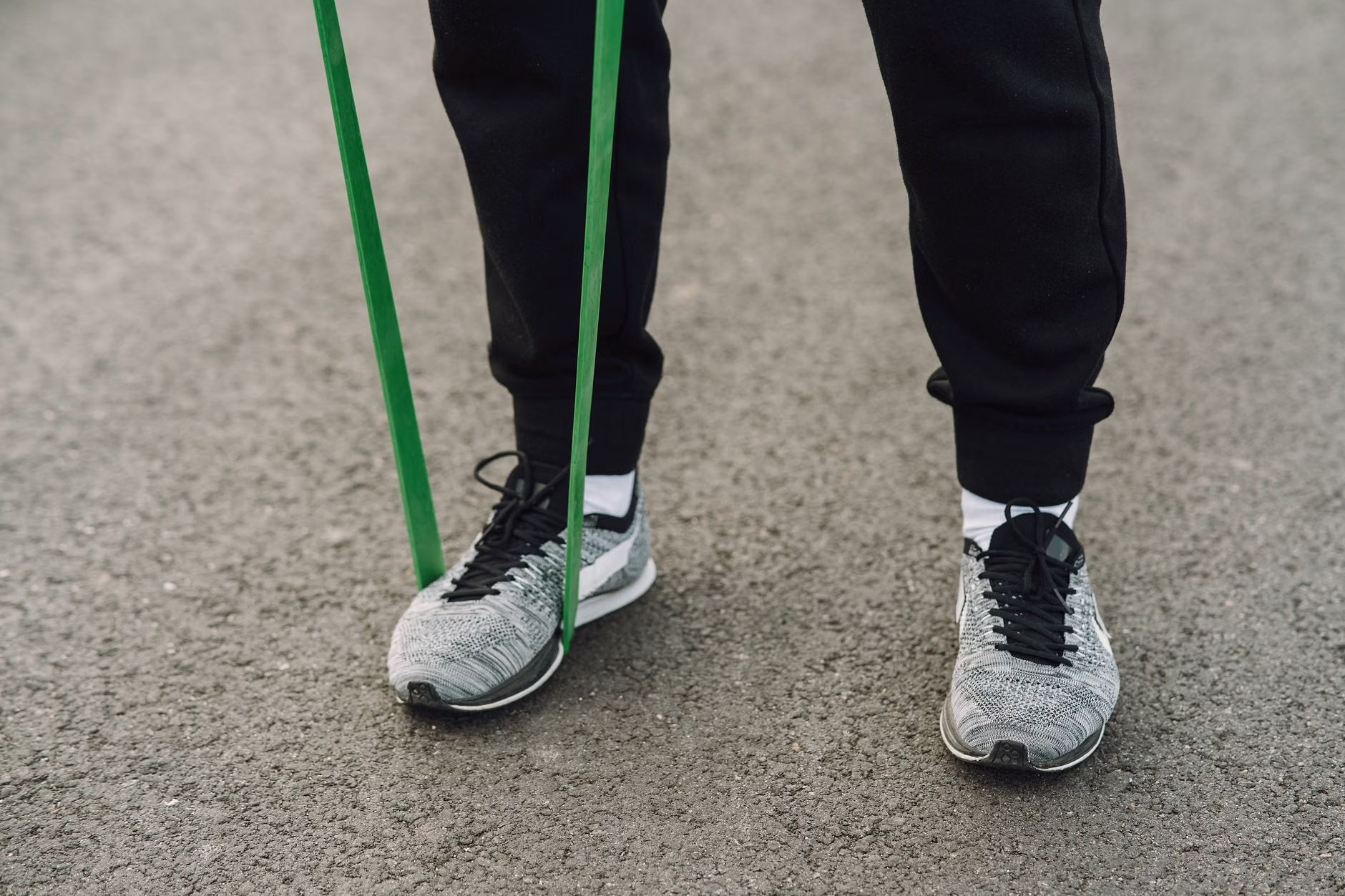
Once you are comfortable with the motion, you can add a resistance band. A light-tension band is recommended for beginners.
| Band Level | Recommended Use | Risk Assessment |
|---|---|---|
| Light (Yellow/Pink) | Initial 2-4 weeks of training | Lowest risk of strain |
| Medium (Green/Red) | When 20 reps feel “easy” | Moderate; monitor for fatigue |
| Heavy (Blue/Black) | Advanced; rarely needed | Higher risk of tendon irritation |
Note: If you feel sharp pain or cramping, stop immediately. Mild muscle fatigue is normal, but joint pain is a signal to reduce intensity.
Common Mistakes and How to Avoid Them
Many people perform these exercises too quickly, using momentum rather than muscle contraction. The goal is to move with “purposeful slowness.” If you find your foot “jerking” during the movement, reduce the range of motion and focus on a smooth, continuous path.
Another common error is using the hip to move the foot. Keep your knee pointing straight ahead. If your knee is wobbling or rotating along with your foot, you are utilizing your hip flexors instead of your ankle stabilizers. You can place your hand gently on your knee to ensure it remains stationary throughout the exercise.

Integrating Stability into Daily Life
Exercises are most effective when they translate to daily function. Consider these scenarios:
- Walking on Uneven Ground: When walking on grass or gravel, consciously engage your lower leg muscles. Think about “planting” your foot firmly rather than just placing it.
- Stair Navigation: Strengthening the muscles involved in inversion improves your overall ankle control, which is vital for maintaining balance while descending stairs.
- Footwear Choice: Ensure your shoes provide adequate arch support. A shoe that is too loose around the heel forces the ankle muscles to overwork, leading to premature fatigue.
When to Seek Professional Guidance
If you have pre-existing conditions such as peripheral neuropathy, severe arthritis, or a history of significant ankle trauma, consult with a physical therapist before starting. They can provide a personalized program that accounts for your specific joint mechanics.
Warning Signs: If you experience persistent swelling, sharp pain that lasts more than 24 hours after exercise, or sudden numbness, these are not normal signs of muscle development. Contact a healthcare provider to rule out underlying issues such as tendonitis or stress injuries.
Deep Dive: The Role of Proprioception
Proprioception is the “hidden” benefit of these exercises. By moving your ankle through its full, controlled range, you are sending signals to your brain about the exact position of your foot. As we age, these signals can become “noisy” or less precise. By practicing these movements, you are effectively recalibrating your body’s internal GPS. This is why you may notice that after a few weeks of consistent practice, you feel more confident on uneven surfaces—your brain is better at interpreting the feedback from your ankles.
Long-Term Maintenance Strategy
The most common reason people stop their exercise routine is boredom or lack of perceived progress. To maintain consistency, aim to link these exercises to a daily habit, such as sitting down to put on your shoes or while watching the news. The “habit stacking” method—pairing a new habit with an existing one—is highly effective for long-term adherence.
Keep a simple log of your progress. Note not just the number of repetitions, but how your ankles feel during daily walks. Are you feeling more stable? Is the end-of-day fatigue reduced? Tracking these qualitative metrics can provide the motivation needed to continue.
Conclusion
Strengthening your lateral ankle stability is a proactive step toward maintaining independence and preventing injuries. By focusing on controlled, seated inversion exercises, you can build the strength necessary to navigate the world with confidence. Remember that consistency is your greatest asset; by dedicating just a few minutes each day to these movements, you are investing in the long-term health of your mobility.
Frequently Asked Questions
- How often should I perform these exercises? For best results, aim for 3 to 5 times per week. Daily is fine if you keep the intensity low and monitor for any signs of fatigue.
- Can I do these exercises if I have arthritis? Yes, but movement should be gentle. If you experience pain during the movement, decrease the range of motion. Always consult your doctor if you have active inflammation.
- Do I need special equipment? No. You can start with just your body weight. A resistance band is a great, inexpensive tool to add as you get stronger, but it is not strictly necessary for the foundational movements.
Official guidance on fall prevention and physical activity for older adults can be found through the CDC’s STEADI initiative, which provides comprehensive resources for older adults and their caregivers.