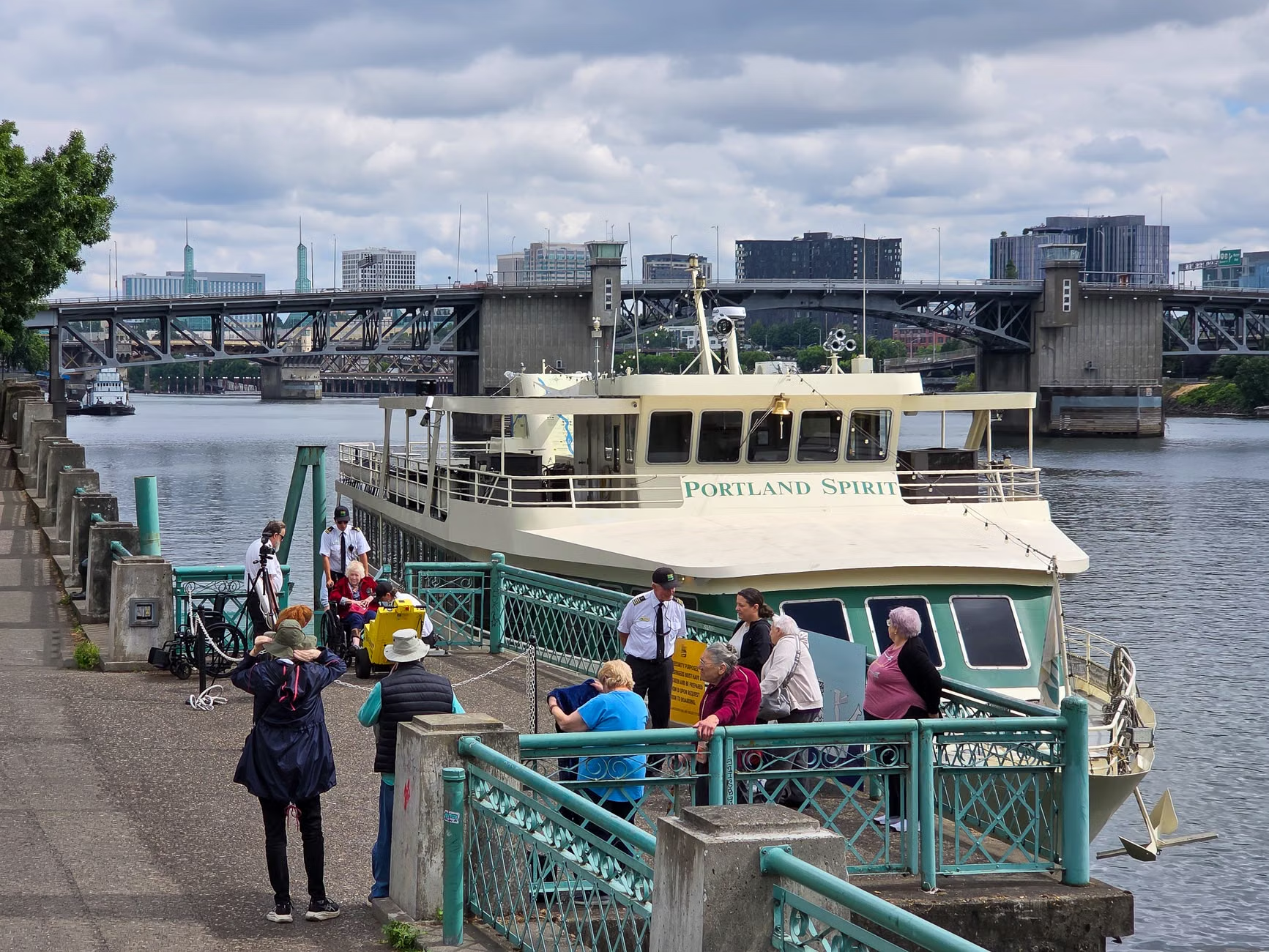
- Prioritize terminals with “level access” boarding—where the pier and vessel deck align—to avoid the physical strain of steep gangways.
- Assess the “last mile” connectivity: choose terminals located near flat, paved pedestrian paths or those served by low-floor public transport.
- Use official port authority websites to verify “real-time accessibility status” before departure, rather than relying on general tourism brochures.
Slow travel is about the journey, not just the destination. For travelers aged 60 to 80, riverfront ferry travel offers a serene, low-impact way to see the world. However, the quality of this experience often hinges on the accessibility of the terminal itself. A poorly designed terminal can turn a relaxing excursion into a physical challenge. This guide provides a framework for evaluating ferry terminals to ensure your travel remains comfortable, safe, and enjoyable.
Understanding the Anatomy of an Accessible Ferry Terminal
Not all ferry terminals are created equal. When planning a trip, it is helpful to understand the core components that dictate accessibility. A terminal is more than just a place to wait; it is a transition point between land-based transport and water-based navigation. For an older adult, the primary risks involve uneven surfaces, steep inclines, and long walking distances.
Level access is the gold standard. This means the terminal floor, the pier, and the ferry deck sit at roughly the same height. When this is achieved, there is no need for steep ramps or stairs. In contrast, tidal terminals—those located in areas with significant water level fluctuations—often rely on floating pontoons connected to the shore by long, hinged gangways. At low tide, these gangways can become steep, creating a significant barrier for those with reduced mobility or stamina.
When researching a terminal, look for terms like “step-free access,” “level boarding,” and “ADA-compliant” (if in the US) or “PRM-compliant” (Persons with Reduced Mobility, common in the EU). These official designations are not merely suggestions; they are legally mandated standards that require specific structural features.
Evaluating the “Last Mile”: Getting to the Dock
The accessibility of the terminal is irrelevant if you cannot reach it comfortably. The “last mile” refers to the distance between your arrival point (bus stop, taxi drop-off, or parking) and the terminal entrance. This is often the most overlooked variable in trip planning.
Many riverfront terminals are located in historic city centers where cobblestones, narrow sidewalks, and steep street gradients are common. These surfaces can be hazardous for those using canes, walkers, or simply those with balance concerns. Before booking, use tools like Google Street View to inspect the immediate vicinity of the terminal.
Checklist for Terminal Connectivity
- Drop-off proximity: Can a taxi or car pull up directly to the main entrance, or is there a significant walk from the street?
- Surface quality: Is the path to the terminal paved and flat, or does it involve navigating historic, uneven cobblestones?
- Public transport integration: Is the nearest bus or tram stop low-floor accessible, and is the path from that stop to the terminal free of stairs?
If you find that the terminal is located down a steep embankment, consider whether there is a local lift or funicular service. Many European river cities, such as those along the Rhine or the Danube, have invested in public elevators to connect high-level city streets to lower-level river quays. Always verify the operating hours of these elevators, as they may not be available 24/7.
The Boarding Process: Managing Incline and Stamina
The boarding process is the most physically demanding part of any ferry trip. Even if a terminal is technically accessible, the boarding bridge itself may pose a challenge. A common mistake is assuming that “accessible” implies “effortless.”
In tidal environments, the incline of the gangway changes throughout the day. A bridge that is flat at high tide may be a steep slope at low tide. If you have concerns about your stamina, check the tide tables for your destination port. Planning your journey to coincide with high tide can significantly reduce the incline of the boarding bridge.
| Terminal Feature | What to Look For | Why It Matters |
|---|---|---|
| Gangway Incline | Fixed or adjustable ramps | Reduces physical strain and fall risk. |
| Surface Texture | Non-slip, high-friction materials | Prevents slips, especially in rain or near water spray. |
| Seating Availability | Benches within 20 meters of the boarding gate | Allows for recovery if the boarding process is delayed. |
| Assistance Staff | On-site, trained personnel | Provides physical support or luggage assistance. |
If you are traveling with a companion, delegate tasks. One person can handle the luggage while the other focuses on navigating the boarding bridge. If you are traveling solo, do not hesitate to request “boarding assistance” at the time of booking. Most major ferry operators have a policy to provide staff to assist passengers with mobility aids or those who simply need extra time to board.
Infrastructure and Facilities: Beyond the Boat
A truly accessible terminal must provide adequate facilities. This includes accessible toilets, clear wayfinding, and sheltered waiting areas. For older travelers, the ability to sit down while waiting is essential. Look for terminals that offer “priority seating” near the boarding gates.
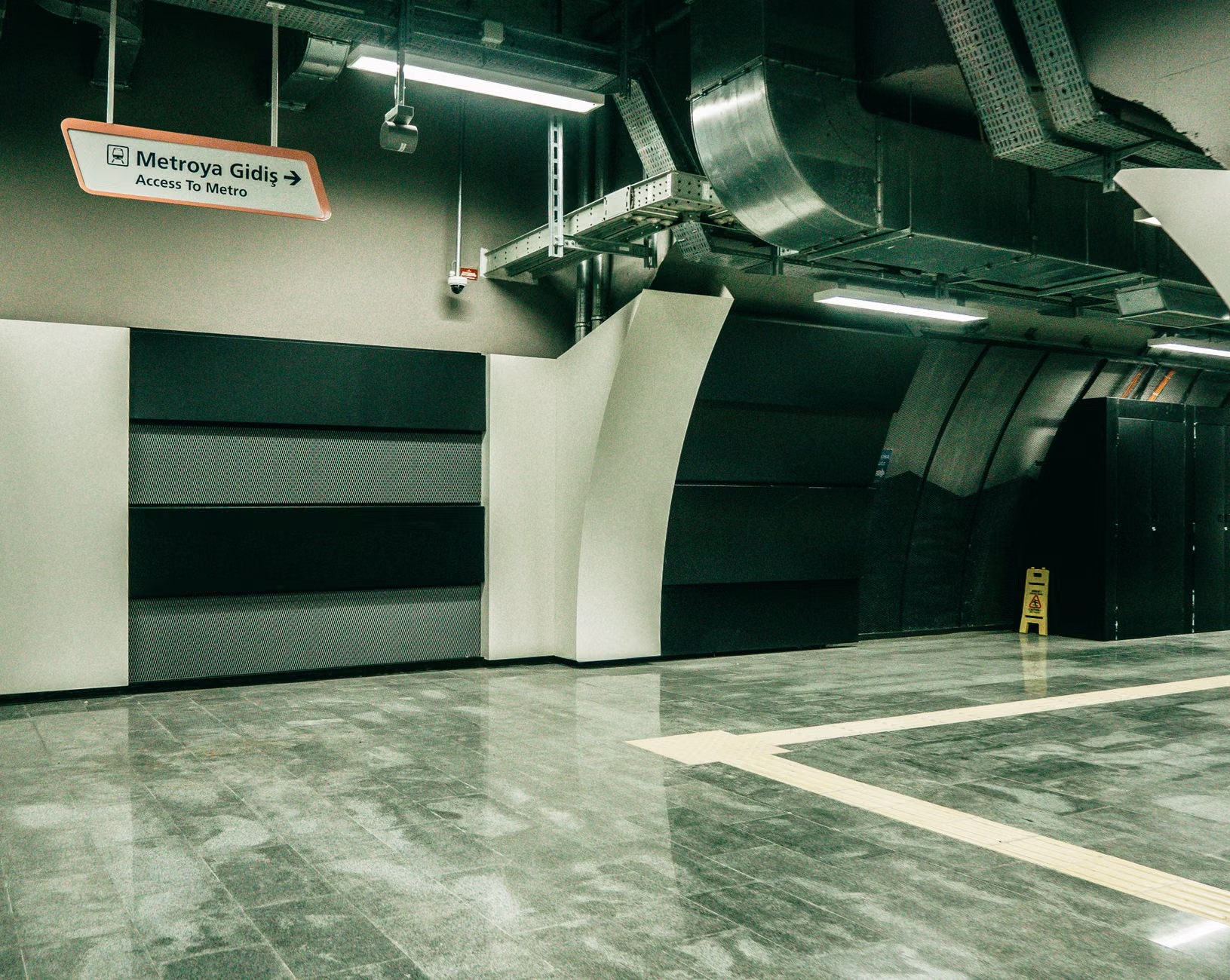
Wayfinding is another critical, yet often ignored, factor. Are the signs large, high-contrast, and placed at eye level? In many older, smaller river terminals, signs are often poorly lit or obscured by crowds. If you are traveling in a foreign country, consider using a translation app to photograph signs, but prioritize terminals that use international pictograms, which are universally understood.
Furthermore, consider the “waiting environment.” In colder climates, look for enclosed, heated waiting halls. In tropical or hot climates, look for shaded, well-ventilated areas. Extreme temperatures can affect blood pressure and stamina, so choosing a terminal with climate control is a proactive health measure.
Strategic Planning for the “Slow Travel” Mindset
Slow travel encourages us to take our time, but this requires logistical preparation. The most common pitfall is over-scheduling. If you have a ferry to catch at 10:00 AM, do not plan to arrive at 9:55 AM. Aim to arrive at least 45 minutes early. This allows you to navigate the terminal at your own pace, locate the facilities, and find a seat, effectively neutralizing the stress of a tight deadline.
Consider the “recovery time” between your arrival at the terminal and the actual boarding. If the terminal is large, you may need to walk several hundred meters. Break this up. If you see a bench, sit down for a few minutes. If you are using a mobility aid, ensure it is fully charged or that you have the necessary manual backup. If you are carrying luggage, use a lightweight, four-wheel spinner suitcase, which requires significantly less effort to maneuver than a two-wheel bag.
Another insight: check the ferry operator’s website specifically for their “Accessibility Policy.” Do not rely on third-party booking sites, as they often provide generic information. Official operator sites will detail exactly what type of assistance they provide, whether they have lifts on board, and if they can accommodate specific mobility devices like electric scooters or wheelchairs.
When traveling, maintaining your health is paramount. For older adults, this means carrying a “travel health kit.” While not a medical prescription, this kit should include a summary of your medical conditions, a list of current medications (with dosages), and the contact information of your primary care physician at home. Keep this in a waterproof pouch in your carry-on bag.
If you have a chronic condition, such as heart disease or respiratory issues, be mindful of the “river environment.” Rivers can be humid, and the air temperature on the water can be significantly lower than on land due to wind chill. Dress in layers, and keep a light, windproof jacket accessible. If you experience unexpected fatigue or shortness of breath, do not push through it. The beauty of slow travel is that you can always wait for the next boat.
If you require medical attention, know that riverfront terminals are often located in central areas near hospitals, but accessing them might be difficult due to traffic or narrow streets. Keep the local emergency number saved in your phone. In many countries, this is 112 (EU), 911 (US), or 999 (UK). Knowing the local emergency number provides peace of mind and allows for a quicker response if an issue arises.
Common Misconceptions and Reality Checks
A frequent error is the assumption that “newly built” means “fully accessible.” While new terminals are built to modern standards, they may be designed for efficiency rather than comfort. A terminal might have a high-tech automated gate system that is difficult for someone with vision or dexterity issues to operate. Always look for the presence of human staff. Technology should supplement human assistance, not replace it.
Another myth is that “smaller is better.” While a small, quiet terminal might seem less intimidating, it may lack the infrastructure—such as elevators or ramps—that a larger, more modern terminal provides. When in doubt, larger municipal terminals in major cities are almost always more rigorously audited for accessibility than private, smaller piers.
Deep Dive: Comparing Port Accessibility Standards
Accessibility standards vary significantly by region. For instance, the European Union’s Regulation (EU) No 1177/2010 provides a strong framework for the rights of passengers when traveling by sea and inland waterway. This regulation mandates that carriers and terminal operators provide assistance to disabled persons and persons with reduced mobility at no additional cost.
Conversely, in many parts of Southeast Asia or South America, accessibility infrastructure may be less standardized. In these regions, “accessibility” often relies on the local community or ferry staff willingness to assist. In such cases, the best strategy is to hire a local guide or porter for the day of your departure. This adds a small cost but provides a significant increase in safety and convenience.
Ultimately, your choice of destination should be balanced against your current comfort level with navigating potentially non-standard environments. If you are a novice traveler, start with regions known for high accessibility standards before venturing into more challenging environments.
Conclusion: The Reward of Careful Planning
Selecting an accessible ferry terminal is not about limiting your options; it is about empowering your independence. By focusing on the details—the incline of the gangway, the proximity of transport, and the availability of seating—you transform a potentially stressful transit point into a seamless part of your journey. Remember that your comfort is a priority, not an inconvenience. Take the time to research, prepare, and pace yourself. The river is waiting, and with the right approach, it is yours to enjoy at your own speed.
Frequently Asked Questions
1. How can I verify if a specific ferry terminal is accessible before I book my ticket?
Most major ferry operators have an “Accessibility” or “Special Assistance” page on their official website. Look for specific mentions of ramp gradients, lift availability, and the distance from the nearest public transport. If the information is unclear, call the operator’s customer service directly and ask: “Is the boarding process step-free, and is there staff available to assist with luggage?”
2. What should I do if I arrive at a terminal and find the gangway is too steep?
Do not attempt to navigate it alone if you feel unsafe. Flag down a member of the terminal staff or a crew member. They are trained to assist passengers and may be able to provide a manual lift, use a different, less steep boarding point, or delay your boarding until the tide has shifted to a more favorable level. Always prioritize your physical safety over the schedule.
3. Are there specific travel insurance policies that cover mobility-related issues during transit?
Yes, many comprehensive travel insurance policies cover “trip interruption” or “medical assistance” related to pre-existing conditions or sudden mobility issues. When purchasing insurance, look for policies that explicitly mention coverage for “non-emergency assistance” and “mobility aid replacement.” Always check the fine print to ensure the policy covers the specific type of travel you are undertaking, such as river cruises or short-haul ferry hops.
Official resources for further reading: