- Prioritize Pre-Visit Digital Research: Always check the “Accessibility” section of a cathedral’s official website for elevator locations, step-free routes, and audio guide availability before you leave home.
- Audio Guides Provide Pacing Control: Using official audio guides allows you to set your own speed, take necessary rest breaks, and skip crowded areas without missing the historical context.
- Verify Physical Infrastructure: A “wheelchair accessible” label does not always guarantee easy access for those with limited stamina or balance issues; look for information on seating, floor surfaces, and distance between points of interest.
Planning Your Visit: Why Audio-Guided Tours Are Ideal
For many travelers aged 60 to 80, the appeal of historic cathedrals—their towering architecture, intricate stained glass, and centuries of history—is often tempered by concerns regarding physical accessibility and the pace of group tours. Choosing a self-paced, audio-guided tour is not merely a matter of convenience; it is a strategic decision to manage your energy, ensure safety, and enhance the quality of your experience.
Traditional guided tours often involve standing for long periods in crowded naves or navigating uneven terrain at a pace dictated by the group leader. In contrast, an audio guide empowers you to curate your own experience. You can pause whenever you need to sit, adjust the volume to your specific hearing requirements, and navigate the site through the most accessible paths rather than the most direct (but often stair-heavy) ones.

Assessing Accessibility Before You Book
Not all historic sites are created equal. Many cathedrals date back hundreds of years, long before modern accessibility standards existed. When evaluating a potential tour or site, do not rely on generic marketing descriptions. Instead, look for concrete indicators of accessibility.
The “Three-Pillar” Accessibility Checklist
Before you commit to a destination, evaluate the cathedral using these three primary criteria:
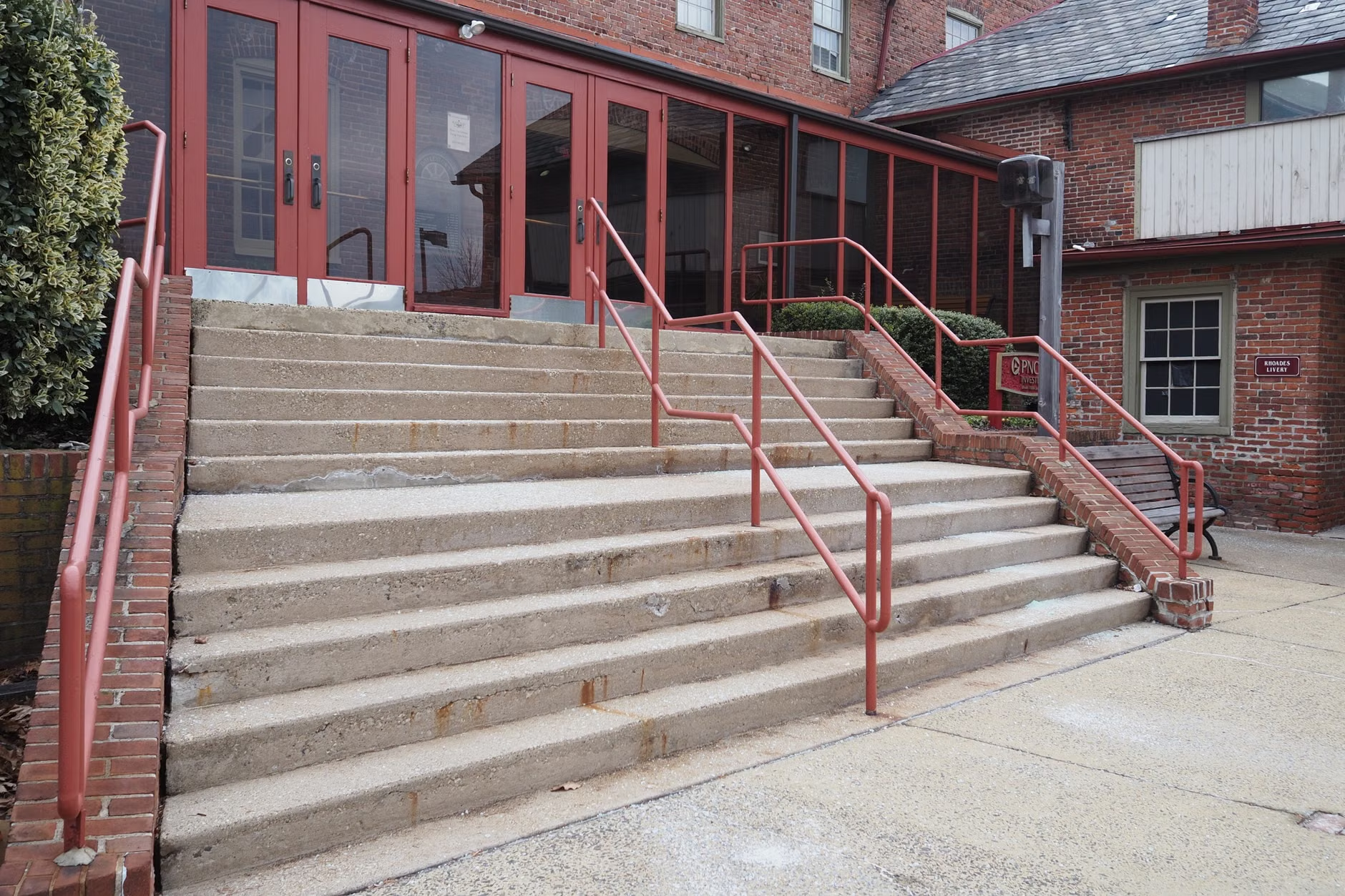
- Physical Infrastructure: Are there step-free entrances? Many historic cathedrals have “side entrances” for visitors with reduced mobility. Do not assume the grand front door is the only way in.
- Floor Surface and Navigation: Historic cathedrals often feature uneven stone floors, which can pose a tripping hazard. Look for descriptions mentioning “level paths” or “accessible routes.”
- Facility Support: Check if the cathedral provides accessible restrooms and, crucially, if there are adequate seating options scattered throughout the interior.
| Feature | What to Look For | Why It Matters |
|---|---|---|
| Entrance | Step-free or lift-equipped | Avoids stairs and potential falls |
| Audio Hardware | Lightweight, neck-strap included | Reduces hand fatigue and strain |
| Seating | Pews or benches at key stops | Essential for managing stamina |
| Pathing | Wide, marked paths | Prevents collisions in crowds |
Interpretation: If a site does not explicitly mention seating or lift access, contact their visitor services department via email. Ask specifically: “Is there a continuous step-free route from the main entrance to the primary nave?”

Managing Stamina and Pacing in Large Spaces
Even with perfect accessibility, the sheer scale of a major cathedral can be exhausting. A common mistake for travelers in the 60-80 age range is attempting to “see it all” in a single session. Instead, view the cathedral as a series of zones.
Break your visit down into 30-minute intervals. Many audio guides are structured by “stops” or “chapters.” Use these chapters to plan your rest breaks. If the audio guide has a 10-minute segment on the history of the stained glass, listen to it while sitting in a nearby pew, then walk to the next point once you feel refreshed. This “listen-walk-sit” cycle effectively doubles the duration you can spend in the building without feeling physically drained.
The Role of Technology: Audio Guides and Hearing Support
Modern audio guides have moved beyond clunky, heavy handsets. Many major cathedrals now offer smartphone-based apps or lightweight, sanitized devices that are compatible with hearing aids via inductive loops. If you use a hearing aid, check if the tour provider offers a T-coil loop or Bluetooth-compatible device. This ensures the narration is crisp and clear, cutting through the natural echo found in large stone cathedrals.
Practical Decision Rule: Group Tour vs. Self-Guided Audio Tour
Deciding between a guided group tour and an audio-guided solo/partner tour depends largely on your current comfort level with site navigation and social energy.
- Choose a Guided Group Tour if: You prefer having a human guide manage the logistics, help you navigate steps, and ensure you don’t miss hidden alcoves. This is ideal if you are traveling alone and want the social interaction.
- Choose an Audio-Guided Tour if: You value the ability to stop, rewind, or skip sections. This is the superior choice for travelers who need to manage their pace due to mobility challenges or who find group settings overstimulating.
Safety and Logistics: Preparation is Key
Safety in historic buildings starts before you arrive. Always wear comfortable, supportive footwear with non-slip soles. Cathedral floors, while beautiful, can be slippery, especially if there has been recent rain or if the stone is polished from centuries of use.
Furthermore, carry a small, lightweight folding cane or a “cane chair” if you have concerns about standing for long periods. Even if you do not use them daily, having them available can provide peace of mind in expansive spaces like the Duomo in Milan or Westminster Abbey in London, where the distance between points of interest can be significant.
Addressing Hidden Inconveniences
One overlooked variable is the temperature. Cathedrals are often much cooler than the outside environment due to their stone walls and lack of modern insulation. Dressing in layers is essential, even in summer. Furthermore, check the “noise level” of the tour. Some audio guides are recorded with high-quality ambient music that can drown out the narration for those with hearing sensitivities. If possible, test the volume in a quiet corner of the entrance lobby before proceeding into the main area.
Conclusion: Enjoying the Experience
The goal of visiting a historic cathedral is to appreciate the artistry and history, not to complete a physical endurance test. By choosing sites that offer clear accessibility features, utilizing audio guides to control your pace, and prioritizing your comfort through strategic rest, you can enjoy these monumental sites at a rhythm that suits you. Remember, the most important aspect of any trip is the ability to engage with the culture and beauty at a pace that leaves you feeling enriched, not exhausted.
Frequently Asked Questions
- Are all historic cathedrals required to be wheelchair accessible?
No. Many historic buildings have heritage status exemptions, meaning they are not legally required to install lifts or ramps if it would damage the historic structure. Always verify the specific accessibility level of each location before finalizing your travel plans.
- What should I do if my audio guide stops working or the audio is unclear?
Most major cathedrals have a dedicated information desk. Keep your receipt and the device. If the audio is unclear, ask staff if they have a T-coil loop or an alternative audio device. Do not hesitate to ask for a replacement if the hardware is faulty.
- Is it better to book tickets in advance for accessibility reasons?
Yes. Booking in advance often allows you to mention your accessibility needs in the “notes” section of the reservation. This alerts staff to prepare any necessary ramps or prioritize your entry, ensuring a smoother start to your tour.
For further information on universal design in travel, refer to the UNWTO Accessible Tourism guidelines, which provide a global framework for what travelers should expect from tourist destinations regarding accessibility.