- The 2026 global standards focus on universal tactile design, ensuring that sidewalk indicators provide consistent information for all pedestrians, regardless of visual or physical ability.
- High-contrast colors and standardized surface patterns are being implemented to assist those with low vision and to provide tactile cues for safe stopping points.
- For older adults, these updates mean more predictable and safer navigation at intersections, reducing the risk of accidental trips or disorientation during daily errands.
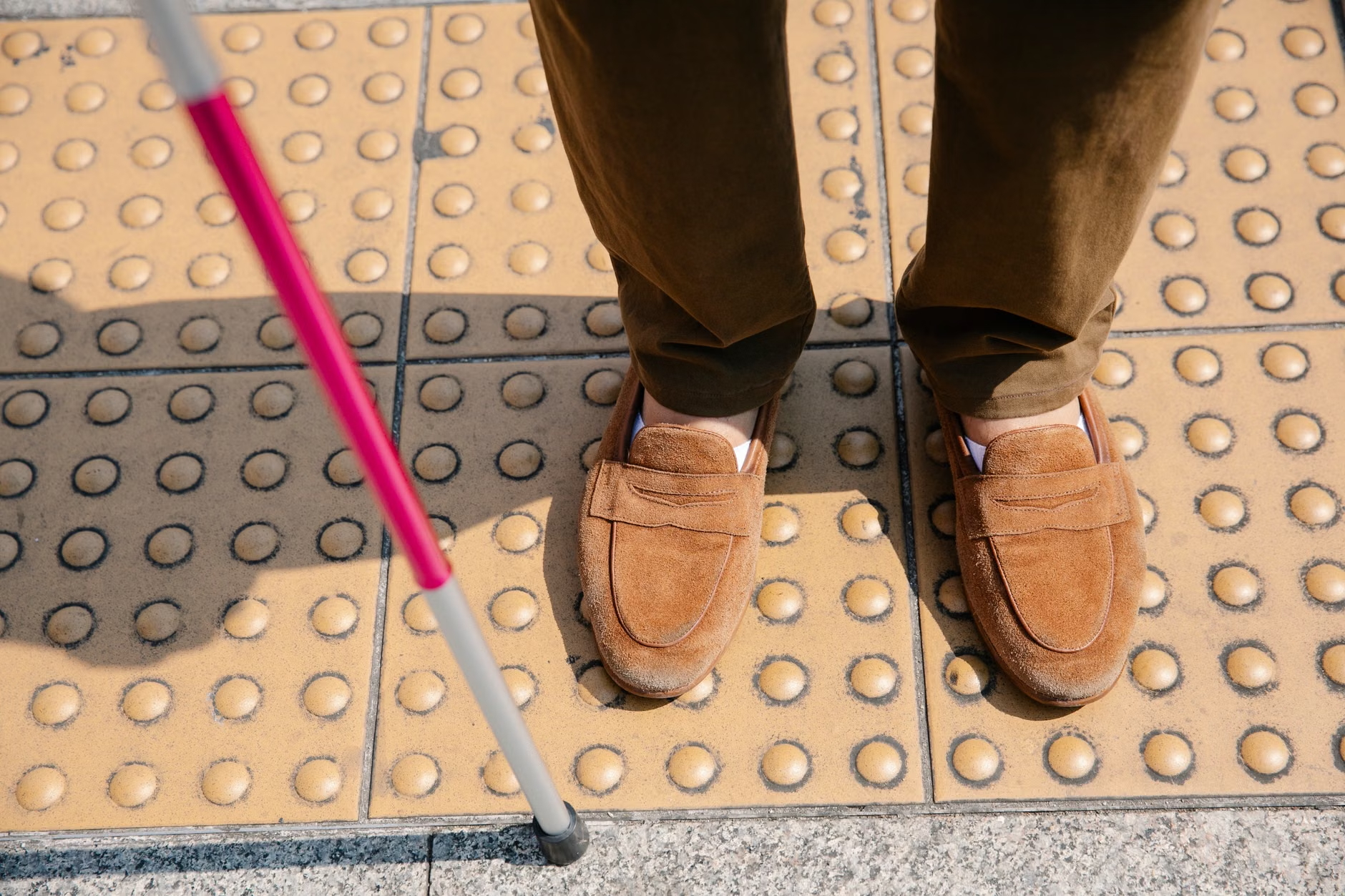
As urban environments evolve, the way we navigate our cities is undergoing a significant transformation. By 2026, many nations will adopt updated global standards for tactile sidewalk indicators—often referred to as “tactile paving.” These are the raised, textured tiles you see at crosswalks, train station platforms, and the edges of stairs. While these surfaces are essential for individuals who are blind or partially sighted, they also serve as critical safety markers for older adults, helping to identify curb edges, changes in elevation, and safe boarding zones.
Understanding Tactile Indicators: More Than Just Bumps
Tactile walking surface indicators (TWSIs) are not merely decorative elements; they are highly engineered safety features. The 2026 standards, influenced by international bodies like the International Organization for Standardization (ISO), aim to unify the design of these surfaces. Historically, different countries used vastly different patterns, which could cause confusion for international travelers and residents alike.
The core purpose of these indicators is to provide two types of information: warning and guidance. Warning indicators, typically featuring truncated domes (small, rounded bumps), alert a pedestrian that they are approaching a hazard, such as a street crossing or the edge of a platform. Guidance indicators, which often feature linear grooves, provide a path of travel to follow through complex, open spaces like large plazas or terminals.
For the average pedestrian, these indicators serve as an essential “second pair of eyes.” As we age, our depth perception and contrast sensitivity may naturally decrease. Tactile paving, when paired with high-contrast colors, helps bridge this gap by providing both physical and visual feedback, making it easier to identify where a sidewalk ends and the street begins.
Why 2026 Standards Matter for Your Daily Mobility
The shift toward 2026 standards is driven by the global aging population and the push for “Universal Design”—a philosophy that creates spaces usable by everyone, to the greatest extent possible, without the need for adaptation. In many regions, the transition involves replacing worn-out, non-compliant tiles with surfaces that meet strict slip-resistance and contrast requirements.
1. Improved Slip Resistance
One of the most critical aspects of the new standards is the requirement for materials that maintain friction even when wet. Older adults are at a higher risk of falls; therefore, the material composition of these tiles is just as important as their shape. The 2026 guidelines mandate specific testing protocols to ensure that these surfaces do not become slippery hazards during rain or snow.
2. Standardized Contrast Ratios
Visual contrast is essential. The new standards emphasize that tactile tiles should stand out from the surrounding pavement. If a grey sidewalk has grey tactile tiles, it becomes nearly invisible to someone with reduced vision. The 2026 standards push for high-contrast colors—usually bright yellow or deep blue—to ensure that the boundary is immediately recognizable.
3. Consistent Placement
Perhaps the most significant change is the consistency of placement. In many cities, you may have encountered “missing links” where a sidewalk has tactile indicators at one corner but not at the next. The 2026 global framework encourages municipalities to audit their entire routes rather than isolated intersections, ensuring a continuous, predictable experience.
| Feature | Old Standard (Variable) | 2026 Global Standard (Target) |
|---|---|---|
| Surface Pattern | Inconsistent (Various shapes) | Uniform (Standardized Domes/Bars) |
| Color Contrast | Often camouflaged | High-visibility requirements |
| Material Safety | Varies (Can become slick) | Strict slip-resistance testing |
Note: The table above reflects the general shift in international urban planning philosophy. Implementation timelines vary by country; for example, European Union accessibility acts may differ from specific municipal bylaws in Canada or Australia. Always check your local Department of Transportation or city council website for specific regional rollout plans.
What This Means for Your Travel and Errands
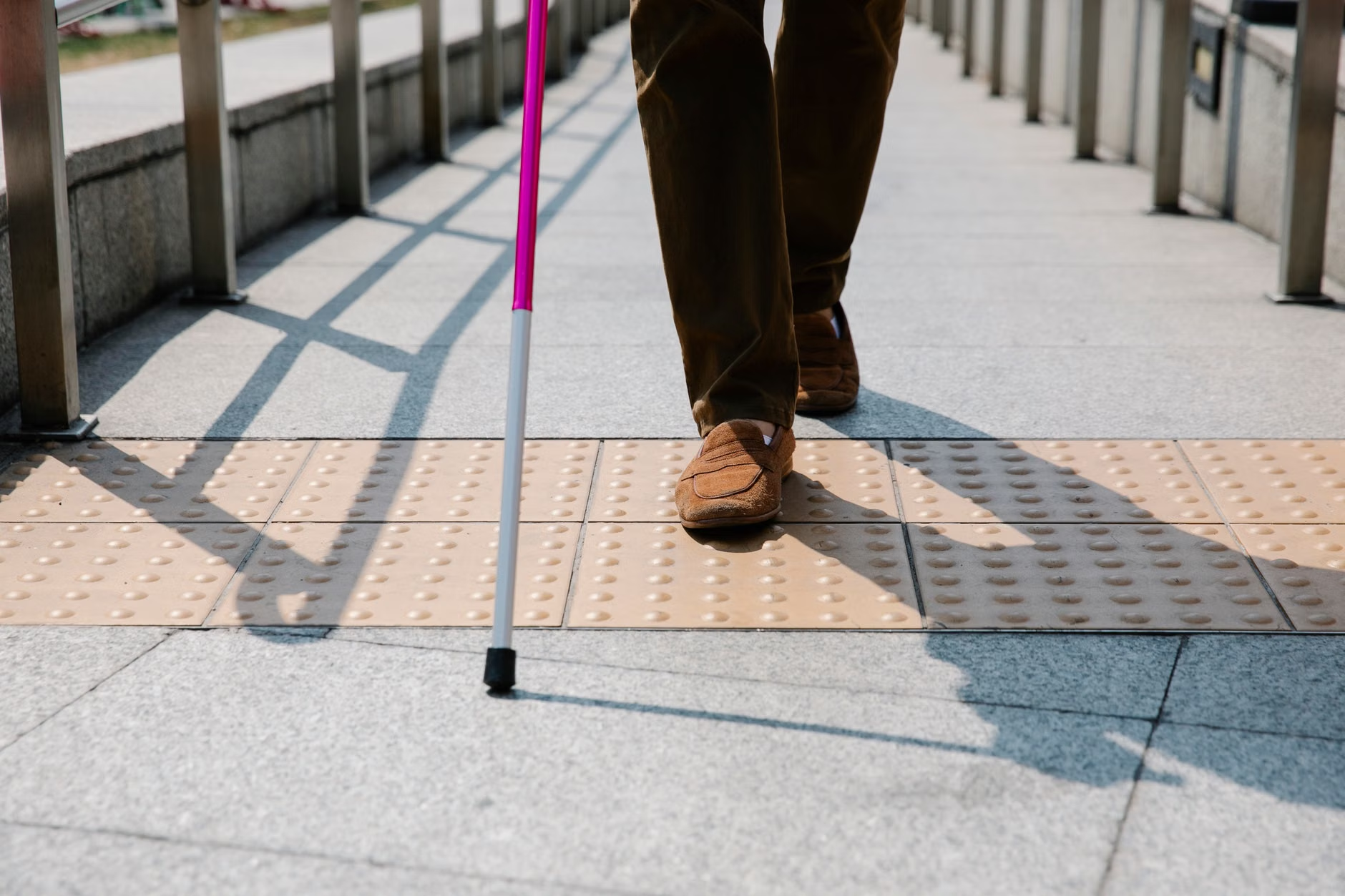
When planning travel or your weekly routine, it is helpful to understand how these infrastructure changes impact your mobility. If you are accustomed to using a cane or a walker, you may find that the new, standardized tiles provide a more stable and predictable surface. However, there are nuances to consider.
Common Mistakes to Avoid:
- Assuming all streets are updated: Even with global standards, many municipalities operate on a “lifecycle replacement” basis. This means they only upgrade tiles when the existing pavement needs repair. Do not assume every intersection you encounter will be fully compliant.
- Ignoring the “Path of Travel”: If you are in a large, unfamiliar station, look for linear guidance strips. They are specifically designed to lead you to ticket counters, elevators, or exits. Following these can save significant energy compared to navigating by sight alone.
For those traveling internationally, remember that while the 2026 standard aims for universality, local cultures may still incorporate unique design elements. For instance, in some parts of Japan, tactile paving is extensive and covers almost every major sidewalk, whereas in other countries, it is strictly limited to dangerous intersections. When in doubt, observe the behavior of other pedestrians and look for the contrast in the pavement texture.
Practical Steps for Pedestrian Safety
To make the most of these infrastructure improvements, consider these proactive steps for your daily walks:
- Check your local council’s portal: Many cities now offer “Accessibility Maps” on their official websites. These maps often highlight which routes have been upgraded with modern tactile indicators and which have accessible curb ramps.
- Practice “Reading” the Surface: Spend a moment on a quiet street to understand how the texture feels through your shoes or your mobility aid. Understanding the difference between the “stop” signal (domes) and the “go” signal (lines) can build confidence before you reach a busy intersection.
- Advocate for Maintenance: Tactile tiles are only effective if they are intact. If you notice a broken, loose, or missing tile in your neighborhood, report it to your local municipal service line. Most cities have a dedicated app or phone number for reporting infrastructure hazards.

Addressing the “Hidden” Variables of Mobility
While infrastructure is a vital piece of the puzzle, your personal safety also depends on how you interact with the environment. One overlooked variable is the “Transition Zone.” This is the area just before you reach the tactile indicators. Sometimes, the transition from smooth concrete to the textured tile can be abrupt. If you have balance concerns, approach these areas at a slower pace until you are familiar with the specific texture of the tiles in your area.
Another factor is the impact of weather. While the new standards require better slip resistance, any surface can become hazardous if covered in ice, fallen leaves, or debris. Always prioritize your own comfort and confidence; if a route feels unsafe due to environmental conditions, do not hesitate to choose an alternative path, even if it is slightly longer.
Finally, consider the role of “Digital Assistance.” Many GPS navigation apps for smartphones now include accessibility settings that can provide audio cues about your environment. When paired with physical infrastructure like tactile indicators, these digital tools can provide a comprehensive safety net for navigating urban environments.
Conclusion: A More Inclusive Future
The push toward 2026 global standards for tactile sidewalk indicators represents a significant step toward a more inclusive world. By standardizing the language of our streets, cities are becoming safer and more navigable for everyone. For the older adult, this means less time spent worrying about potential trips or disorientation and more time focused on the enjoyment of the journey.
Stay informed about your local infrastructure, maintain your awareness of your surroundings, and utilize the resources provided by your city. Whether you are walking to the local market or exploring a new city, these tiny, textured additions to our sidewalks are silent partners in your ongoing independence.
Frequently Asked Questions
1. Will all cities be required to upgrade their sidewalks by 2026?
The 2026 standards are guidelines adopted by many international bodies and national governments. While they set a high bar for new construction and major renovations, most countries do not have a mandate to tear up perfectly functional, existing sidewalks solely to meet the new standard. Most upgrades occur during planned road maintenance.
2. Are these tactile indicators meant for people who are totally blind, or are they for me, too?
They are for everyone. While they are a primary navigation tool for people who are blind or have low vision, they serve as a vital safety warning for all pedestrians. They help identify changes in elevation, edge boundaries, and crossing zones, which are common points of accidental trips for older adults.
3. Where can I find information about accessible routes in my specific city?
Start by searching your city’s official government website for terms like “Accessibility Plan,” “Pedestrian Master Plan,” or “Accessible Transportation.” Many cities also provide interactive maps that display the status of sidewalk infrastructure, including curb ramps and tactile paving.
For further reading on international accessibility standards, you can visit the International Organization for Standardization (ISO) website to learn more about the technical specifications of TWSIs (ISO 23599).