Learning the principles of digital photography composition is more than just a way to take better pictures; it is a sophisticated cognitive exercise that engages spatial reasoning, executive function, and visual attention. By training the brain to analyze a scene, filter out visual noise, and make deliberate aesthetic choices, older adults can maintain and enhance mental sharpness while developing a rewarding creative outlet.
- Cognitive Engagement: Composition requires active decision-making, which stimulates neuroplasticity and improves concentration.
- Spatial Reasoning: Translating a 3D environment into a 2D frame strengthens spatial awareness and visual processing speed.
- Practical Application: Learning simple rules like the “Rule of Thirds” provides a structured framework that reduces technical overwhelm and builds confidence.
Why Composition is a Mental Workout
Many view photography as a passive hobby, but the act of composing an image is highly active. When you look through a viewfinder or at a screen, your brain must perform a series of complex tasks in real-time. You are not just “seeing” a subject; you are scanning the frame for distractions, evaluating lighting, and deciding what to include or exclude to tell a story.
This process engages the prefrontal cortex—the area of the brain responsible for executive functions such as planning, focusing, and decision-making. Unlike activities that follow a repetitive script, photography presents a unique problem-solving challenge every time you press the shutter. Is the horizon straight? Does the subject feel crowded? Is the light highlighting the right texture? Each of these questions triggers a micro-decision that keeps the mind agile.

The Rule of Thirds: A Framework for Cognitive Structure
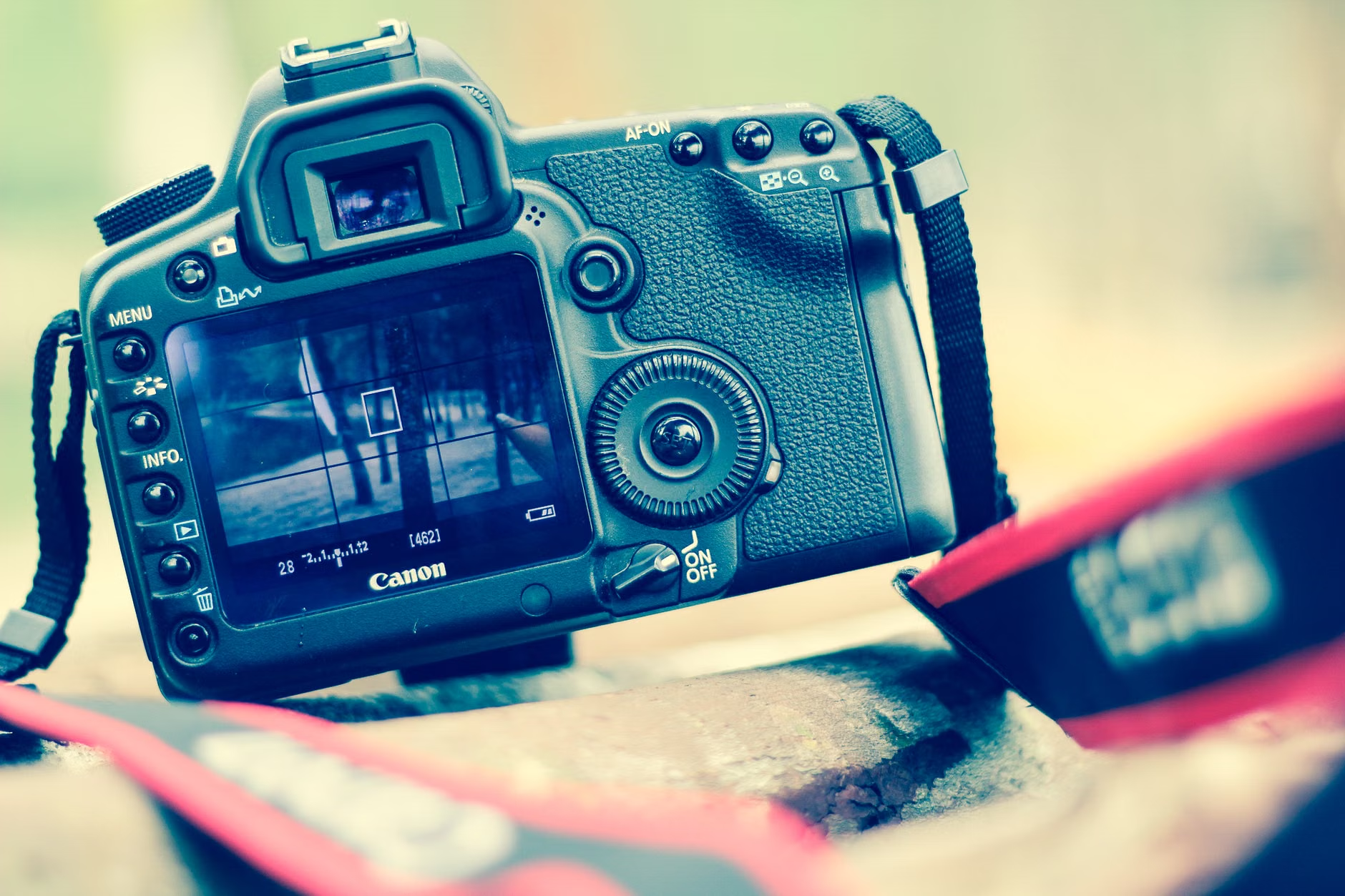
The most fundamental concept in photography is the “Rule of Thirds.” This involves mentally dividing your frame into a 3×3 grid, creating four intersection points where you can place your subject. For a beginner, this is an excellent exercise in spatial organization.
How to Apply the Rule of Thirds
- Enable the Grid: Most digital cameras and smartphones have an “overlay” or “grid” setting. Turning this on provides a visual scaffold that removes the guesswork from composition.
- Shift the Subject: Instead of placing your subject dead-center, move it to one of the vertical lines or an intersection point.
- Observe the Balance: If your subject is on the right, ensure there is “negative space” (open, empty space) on the left. This forces the brain to balance visual weight, which is a nuanced cognitive task.
By shifting from “centering everything” to “balancing the frame,” you are essentially retraining your visual perception. This practice helps move beyond habitual ways of seeing, forcing the brain to accommodate new structures and patterns.
Beyond the Basics: Managing Visual Noise
One of the greatest challenges in photography is “visual noise”—cluttered backgrounds, distracting colors, or objects that don’t belong in the shot. Managing this requires high-level attention filtering. As we age, our ability to ignore irrelevant stimuli can sometimes decline; photography provides a practical, low-stakes environment to practice “selective attention.”
Consider a scenario where you want to photograph a monument in a busy park. You have people walking by, trash bins in the background, and branches obscuring the view. To get the shot, you must:
- Isolate: Identify the specific element that matters most.
- Filter: Decide which elements in the frame are “distractions” and move your physical position to hide them behind the subject.
- Refocus: Re-evaluate the frame to ensure the new perspective hasn’t introduced a new distraction.
This is a form of cognitive training that mirrors real-world multitasking and prioritization. By practicing this while taking photos, you are essentially “training” your brain to filter information more effectively in your daily life.
Technical Dexterity and Fine Motor Coordination
While composition is a mental activity, it is intrinsically linked to physical movement. Holding a camera steady, adjusting small dials, or tapping a screen requires fine motor skills and hand-eye coordination. For many adults, the act of operating the camera is as important as the image itself.
| Action | Cognitive Benefit | Physical Benefit |
|---|---|---|
| Framing a shot | Spatial reasoning | Shoulder/Neck mobility |
| Adjusting the dial | Executive function | Fine motor control |
| Reviewing images | Visual memory/Analysis | Eye-hand coordination |
The table above illustrates that photography is a holistic activity. When choosing a camera, consider your current physical needs. A lightweight mirrorless camera or a high-quality smartphone might be easier to manage than a heavy DSLR (Digital Single-Lens Reflex) camera. If you have any concerns regarding arthritis or joint stiffness, prioritize a device with an ergonomic grip or use a neck strap to support the weight of the device.
The Importance of Review and Reflection
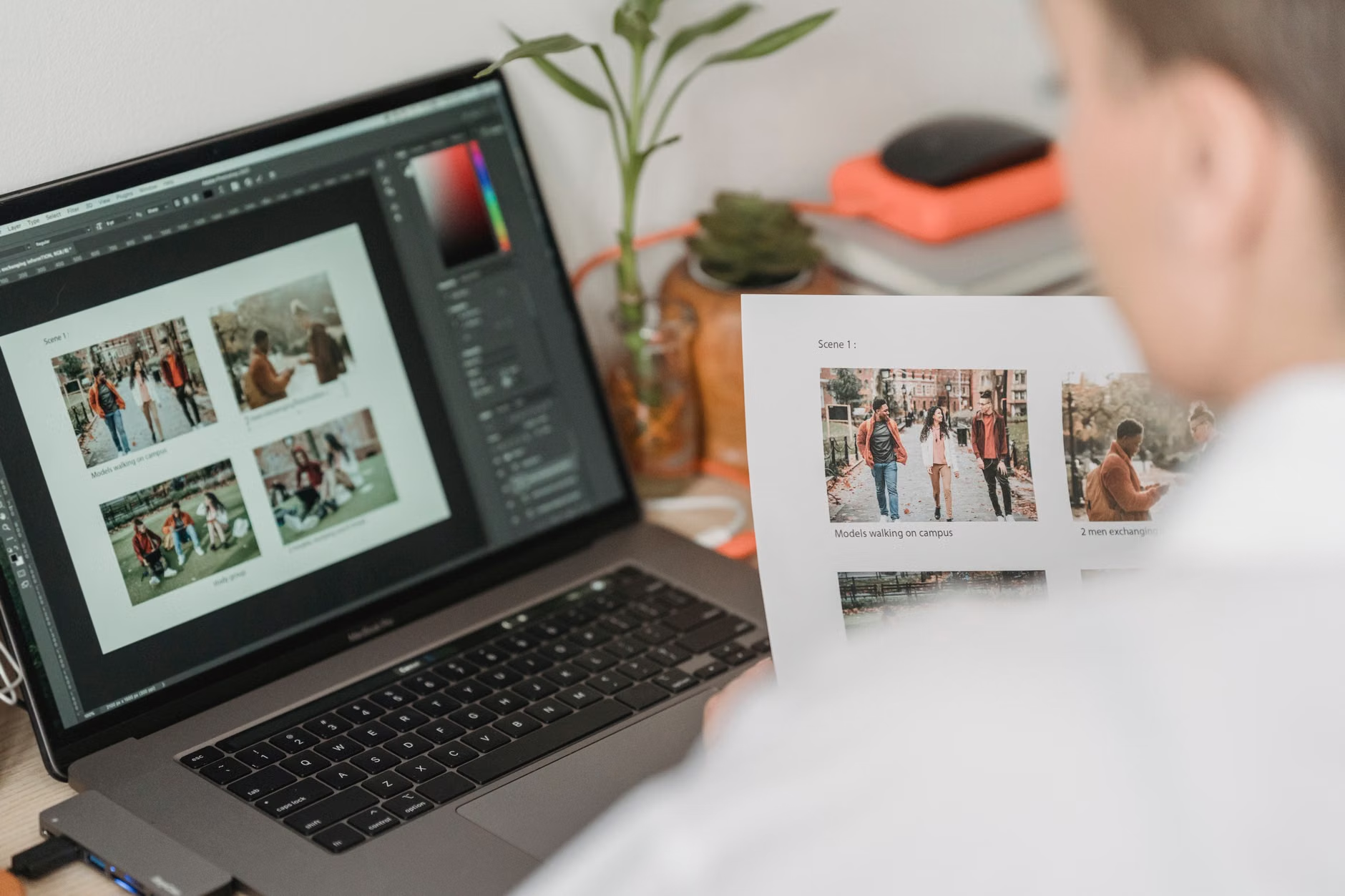
The cognitive benefits don’t end when you stop shooting. The “editing” or review phase is where true learning occurs. Looking at your photos on a larger screen—like a tablet or a computer monitor—allows you to analyze your work. Did you succeed in creating the composition you intended? What would you do differently next time?
This reflection process is known as “metacognition”—thinking about your own thinking. By reviewing your images, you are reinforcing the neural pathways associated with your creative choices. This is why it is often more beneficial to take fewer photos and spend more time reviewing them than to take hundreds of photos without ever looking at them critically.
Practical Steps for Starting Your Journey
You do not need expensive equipment to begin. In fact, starting with a familiar device is often better. Here is a recommended path for getting started:
- Week 1: Focus on the Grid. Enable the grid lines on your phone or camera. Spend a week taking photos of anything, but ensure every subject is placed on a grid line.
- Week 2: Practice Negative Space. Try to take photos where 70% of the image is empty space (like a clear sky or a plain wall) and 30% is the subject.
- Week 3: The “Five-Minute Review.” Every time you take a set of photos, sit down within 24 hours to look at them. Select only the best one and explain to yourself—out loud—why it works.
Some beginners feel discouraged if their photos don’t look like those in magazines. It is important to remember that professional photography is often the result of years of practice and expensive lighting equipment. Your goal is cognitive stimulation, not perfection. If you find yourself frustrated by technical settings, keep the camera in “Auto” mode. Focus exclusively on composition; the technical side of photography (aperture, shutter speed, ISO) can be learned later once the creative habit is established.
Furthermore, if you find that eye strain becomes an issue, consider using a tablet for photo review. The larger screen size significantly reduces the need to squint or hold the device too close to your face, making the experience more comfortable and sustainable for longer sessions.
Conclusion: A Path to Lifelong Learning
Photography is a unique hobby that bridges the gap between art and science. It demands that we look at the world with fresh eyes, requiring us to be present, analytical, and creative. By intentionally focusing on composition, you are doing more than capturing memories—you are engaging in a rigorous, rewarding, and highly effective form of cognitive maintenance. Whether you are walking through a local park or documenting a family gathering, the camera is your tool for keeping your mind sharp, your vision clear, and your perspective ever-evolving.
Frequently Asked Questions
1. Do I need an expensive camera to get these cognitive benefits?
No. The cognitive benefits come from the act of composing the image and making decisions, not the quality of the sensor. A modern smartphone is more than capable of teaching you the fundamentals of composition.
2. How much time should I spend on photography to see benefits?
Consistency is more important than duration. Even 15 to 20 minutes of intentional, focused photography—where you are actively looking for compositions rather than just snapping away—is sufficient to engage your brain effectively.
3. What if I have trouble holding a camera steady?
Stability is a common issue for many. You can use a lightweight tripod or a monopod to take the weight off your hands and neck. Alternatively, using a camera with built-in image stabilization or simply resting your elbows against your ribs while shooting can significantly improve the clarity of your images and reduce physical strain.
For further reading on digital literacy and cognitive exercises, you may find resources from the National Institute on Aging helpful for maintaining general mental health and activity levels.