- Prioritize Weight Distribution: A backpack weighing more than 10% of your body weight can significantly increase joint strain; keeping your load under 5kg is essential for multi-hour heritage walking.
- Footwear is Your Foundation: Heritage sites often feature uneven cobblestones; prioritize shoes with high arch support and non-slip outsoles over aesthetic appeal to prevent falls and fatigue.
- Strategic Pacing: Minimalist packing allows for faster transitions between public transport and walking, giving you more energy to build in mandatory rest intervals every 90 minutes.
Urban heritage tours—exploring the historic districts of cities like Rome, Kyoto, or Cartagena—offer a profound connection to the past. However, they are physically demanding, often involving uneven terrain, long stretches of walking, and limited seating. For travelers aged 60 to 80, the secret to enjoying these experiences lies in “minimalist mobility”: carrying only what you need to sustain your comfort and safety, thereby reducing physical strain.
The Philosophy of Minimalist Mobility for Heritage Exploration
Minimalist packing is not about depriving yourself; it is about intentionality. When you walk through a historic city, every extra kilogram on your back translates to increased pressure on your knees, ankles, and lumbar spine. For an older adult, a heavy bag alters your center of gravity, making you more susceptible to tripping on irregular pavement—a common hazard in heritage districts.
By adopting a minimalist approach, you regain control over your environment. You can navigate narrow staircases in old buildings, manage public transport transfers with ease, and move at a pace that allows you to observe your surroundings rather than focusing on the weight of your luggage. The goal is to move as if you are simply taking a long stroll in your local park, regardless of where you are in the world.
Selecting Your Core Gear: Weight vs. Functionality
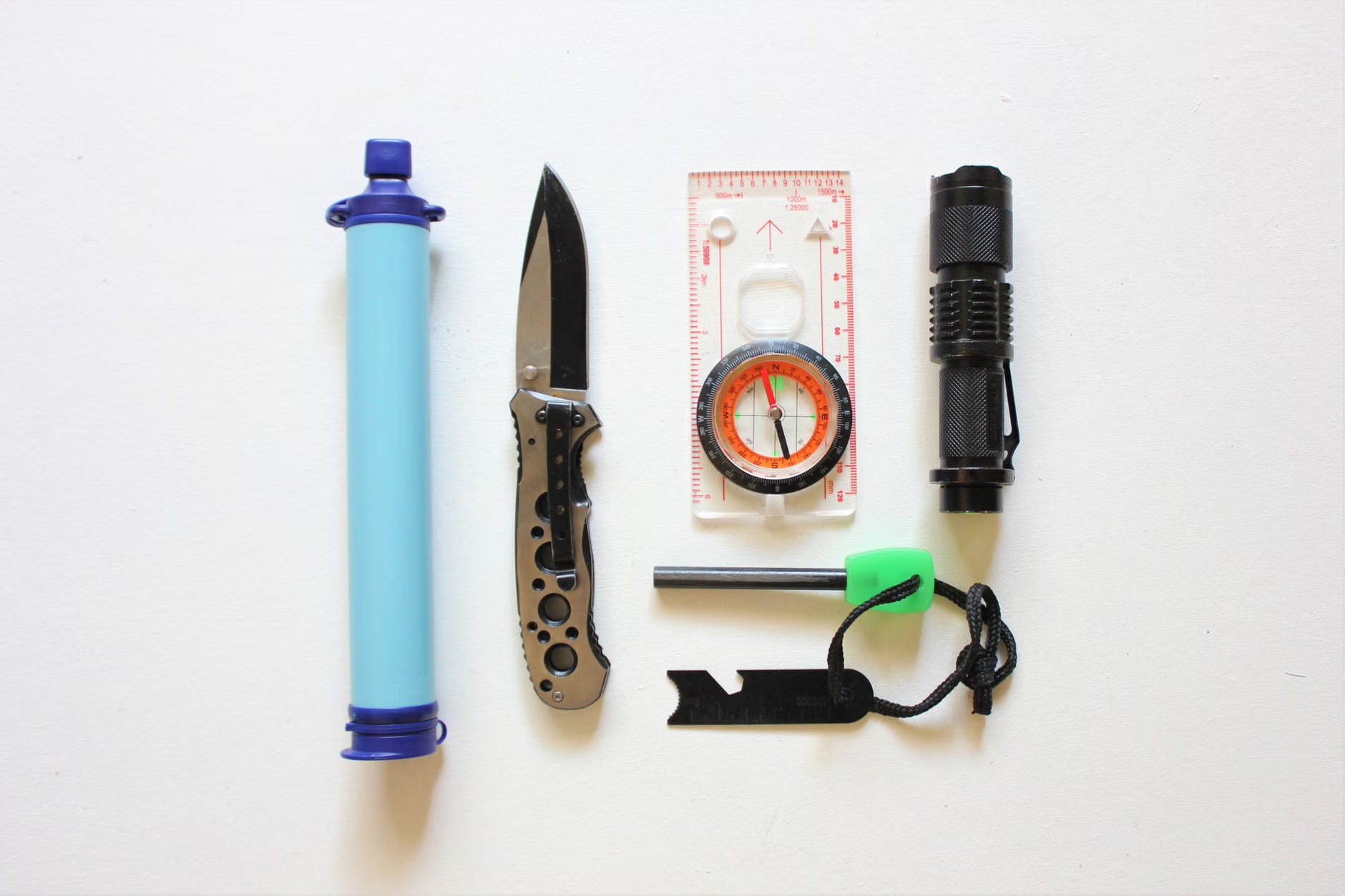
Your choice of gear determines your physical comfort for the entire trip. The most common mistake is over-packing “just in case” items that end up remaining in the hotel room. Instead, focus on multi-functional, lightweight essentials.
The Ergonomic Backpack
Choose a backpack with a structured, padded hip belt. A hip belt transfers the weight from your shoulders to your pelvis, which is significantly better for your spine. Look for a capacity between 20 to 25 liters. Anything larger encourages you to fill the space with unnecessary weight.
Footwear: The Most Important Investment
Heritage sites are notorious for cobblestones, steep inclines, and marble floors. Your footwear must be broken in at least four weeks before your trip. Look for:
- Traction: A rubberized, non-slip outsole is mandatory.
- Cushioning: Mid-sole foam that provides shock absorption for the heel.
- Stability: A firm heel counter to prevent the foot from rolling inward or outward.
| Item | Minimalist Strategy | Why it matters |
|---|---|---|
| Clothing | Merino wool layers | Naturally odor-resistant, lightweight, and regulates body temperature. |
| Hydration | Collapsible bottle | Saves space when empty; prevents dehydration-related fatigue. |
| Technology | Smartphone + Power bank | Eliminates the need for heavy guidebooks or bulky cameras. |
The table above suggests that by swapping traditional heavy items for specialized travel gear, you can reduce your total pack weight by nearly 40%. This is not just a convenience; it is a health intervention that protects your joints over a multi-day itinerary.

Managing Health and Stamina on the Move
Packing for health is about preparation without over-burdening. When traveling, your routine is disrupted, and your body needs consistent support to maintain energy levels.
Medication and Documentation
Always carry a physical list of your medications, including dosages and the generic names of the drugs. Store this in your phone’s digital wallet as well. If you have specific health conditions, keep a copy of your doctor’s recent summary report. In many countries, pharmacies are excellent resources, but they require accurate information to assist you safely.
Warning Sign: If you experience sudden dizziness or localized joint pain that does not subside with a 20-minute rest, do not attempt to “push through.” Seek out a local clinic or pharmacy early to address the issue before it escalates.
The “Rule of 90”
Regardless of your fitness level, implement the “Rule of 90”: 90 minutes of walking, followed by 20 minutes of seated rest. Use this time to hydrate, check your route, and perform light calf stretches. This simple habit prevents the cumulative fatigue that often leads to falls in the late afternoon, when your concentration may naturally wane.
Heritage cities were often built before modern accessibility standards. Understanding the local infrastructure is part of your packing strategy.
Public Transport vs. Walking
Do not feel pressured to walk between every site. In cities like Prague or Edinburgh, the terrain can be deceptively steep. Use local buses or trams to cover the uphill segments, saving your energy for the flat, walkable historic squares. Check the local transit authority’s website—such as the Transport for London (TfL) or similar agencies globally—for “step-free” access maps before you arrive.
The Value of Walking Poles
If you have any history of balance issues or knee discomfort, consider bringing lightweight, carbon-fiber trekking poles that collapse to fit inside your carry-on. They provide a third point of contact on uneven surfaces and distribute weight away from your knees. Many modern poles are collapsible and look discreet, making them suitable for urban environments.
Deep Dive: The Psychology of Minimalist Travel
Travelers often pack for their “ideal self”—the person who might attend a gala, hike a mountain, and read three books in a week. Minimalist packing forces you to pack for your “actual self”—the person who wants to see the sights while feeling comfortable and secure. This shift in mindset reduces anxiety, as you no longer have to manage a large volume of possessions in crowded, unfamiliar spaces.
Consider the “Scenario Test.” Before packing any item, ask yourself: “Have I used this item in the last month at home?” If the answer is no, it is unlikely you will use it on the road. For the 60-80 age demographic, this is particularly relevant. You have likely refined your preferences and know exactly what clothing and tools make you feel comfortable. Stick to that proven comfort zone rather than buying new, untested items for the trip.
Furthermore, consider the “Trade-off Principle.” Every item you bring requires a trade-off in time and energy. A heavy camera requires a bag, a tripod, and constant monitoring. A high-quality smartphone camera requires nothing but a pocket. By choosing the latter, you gain the freedom to move quickly and spontaneously, which is the hallmark of a successful, stress-free heritage tour.
Conclusion: Prioritizing Your Experience
The true value of an urban heritage tour is the experience of the architecture, the history, and the local culture—not the contents of your suitcase. By packing minimally, you are not just carrying less weight; you are removing the barriers between you and the destination. Focus on comfortable footwear, a well-fitted backpack, and a realistic pace. Your body will thank you, and your memories will be defined by the sights you saw, not the fatigue you felt.
Frequently Asked Questions
- 1. Is it safe to carry my medication in my carry-on bag?
- Yes, you should always keep your essential medications in your carry-on luggage. Never check your medication, as luggage can be delayed or lost. Ensure all medications are in their original containers with your name clearly visible.
- 2. How do I manage luggage if I am traveling solo?
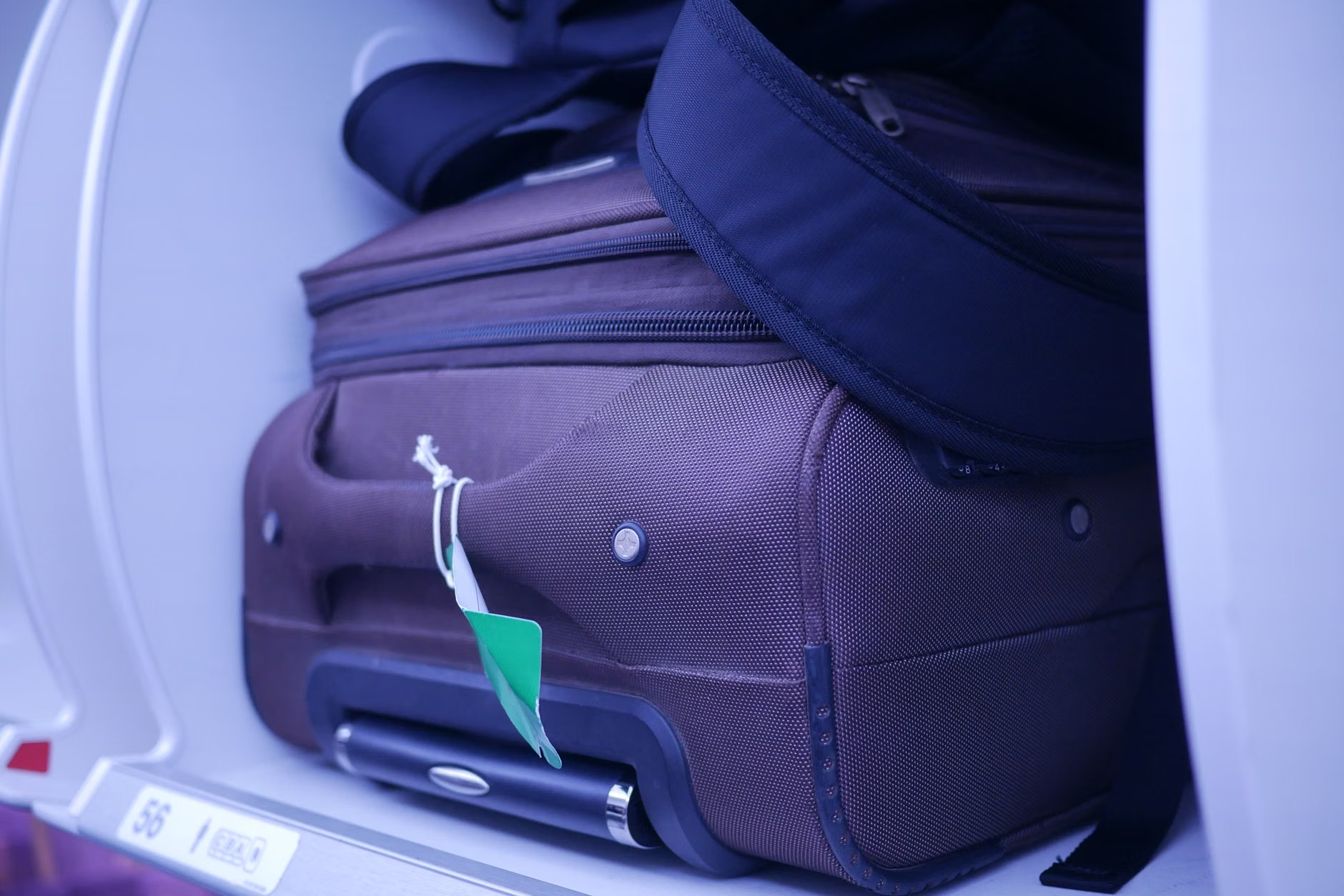
- The minimalist approach is even more critical for solo travelers. Ensure your luggage has four multi-directional wheels, which allow you to push the bag upright rather than pulling it behind you. This puts less strain on your shoulder and wrist.
- 3. What should I do if I find the walking distance is too much once I arrive?
- Most major heritage cities offer “hop-on, hop-off” bus tours that provide a great overview of the city without the need for constant walking. Alternatively, use ride-sharing apps to take you to the center of a historic district, allowing you to walk only the most interesting, flat segments.