- Molybdenum is an essential trace mineral that acts as a vital cofactor for enzymes responsible for processing sulfur-containing amino acids and breaking down toxic byproducts.
- For adults aged 60-80, the primary goal is maintaining metabolic stability; you can achieve this through a varied diet of legumes, whole grains, and leafy greens rather than high-dose supplementation.
- While molybdenum deficiency is rare, understanding its role in uric acid metabolism and sulfite processing is crucial for those managing chronic conditions or specific dietary restrictions.
Molybdenum is a trace mineral that often flies under the radar. While calcium, vitamin D, and iron frequently dominate discussions about senior nutrition, molybdenum plays a specialized, non-negotiable role in our cellular machinery. For adults aged 60 to 80, supporting the body’s metabolic processes—specifically the detoxification of sulfites and the metabolism of purines—is essential for long-term vitality. This article explores how this mineral functions, where to find it in your daily diet, and how to manage your intake safely.
Understanding Molybdenum: What It Does for Your Body
At the biological level, molybdenum is a “cofactor.” Think of it as a specialized tool that must be present for a specific machine to operate. Without this tool, certain enzymes in your body simply cannot perform their tasks. These enzymes are responsible for three primary metabolic functions:
- Sulfite Detoxification: Your body breaks down sulfur-containing amino acids found in proteins. This process creates sulfites. The enzyme sulfite oxidase, which relies on molybdenum, converts these sulfites into sulfates, which are then safely excreted.
- Purine Metabolism: Purines are compounds found in many foods (like red meat and certain seafood). When broken down, they produce uric acid. Molybdenum is a component of xanthine oxidase, the enzyme that manages this conversion.
- Aldehyde Breakdown: Molybdenum supports enzymes that break down aldehydes, which can be produced during normal metabolism or ingested through environmental sources.
For an older adult, these processes are the silent guardians of metabolic health. When these enzymes function correctly, the body manages waste products efficiently, preventing the buildup of substances that could otherwise cause cellular stress. It is not about “boosting” these processes beyond their natural capacity, but rather ensuring the biological “infrastructure” is maintained so your metabolism remains predictable and stable.

Dietary Sources: Where to Find Molybdenum
Unlike some vitamins that require complex supplementation, molybdenum is widely available in common, whole foods. Because the body only requires a very small amount—measured in micrograms (mcg)—a diverse diet is usually sufficient to meet the Recommended Dietary Allowance (RDA) of 45 mcg per day for most adults.
Top Dietary Contributors
| Food Group | Examples | Why it matters for seniors |
|---|---|---|
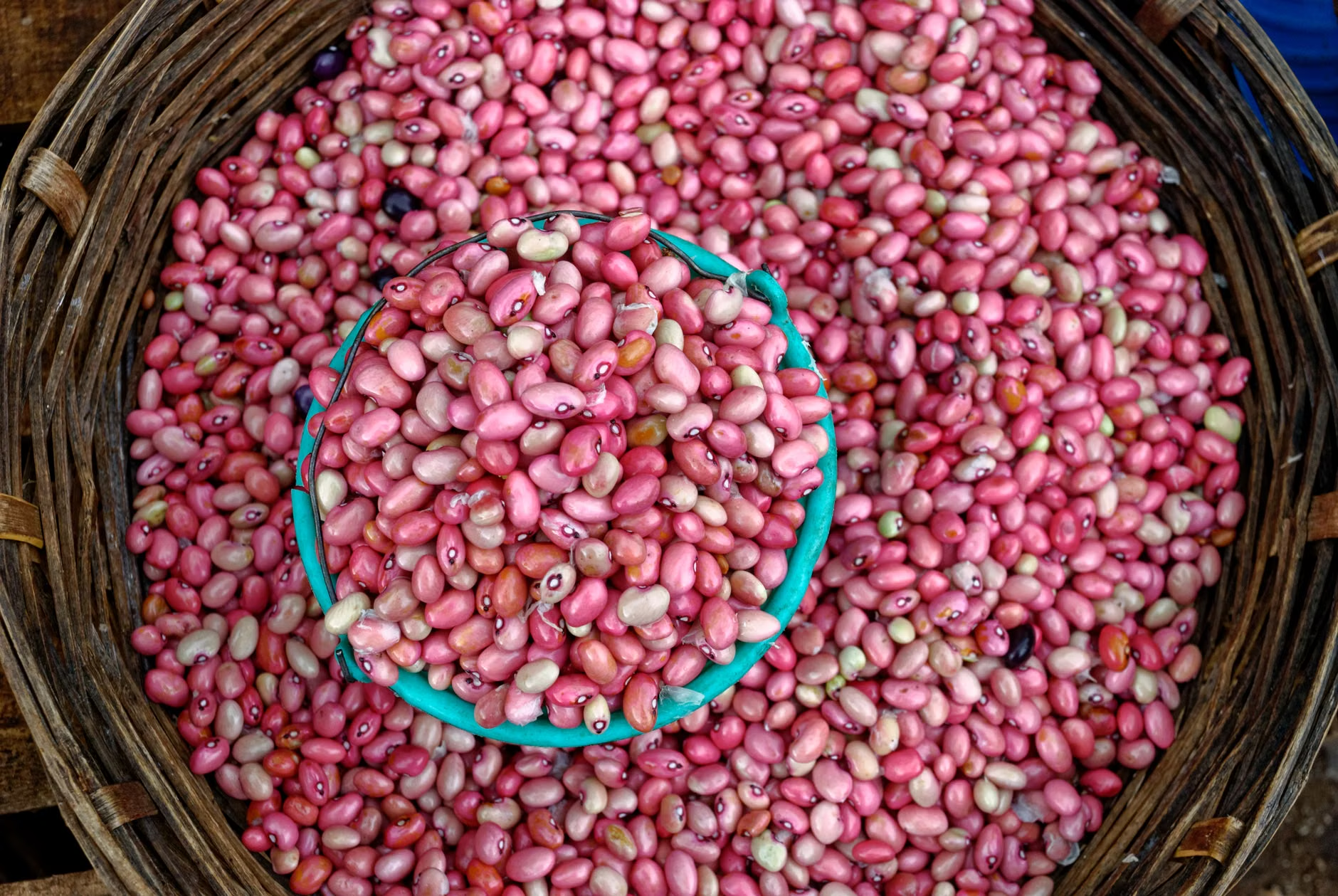
| Legumes | Lentils, kidney beans, black beans, peas | High in fiber and protein, supporting digestive health and satiety. |
| Whole Grains | Oats, brown rice, barley, whole wheat | Essential for sustained energy levels and heart health. |
| Leafy Greens | Spinach, kale, Swiss chard | Rich in vitamins K and A, which are critical for bone and immune health. |
| Nuts and Seeds | Almonds, sunflower seeds, walnuts | Provides healthy fats for cognitive and cardiovascular support. |
The bioavailability of molybdenum—how much your body actually absorbs—varies based on the food source. Plant-based foods grown in soil rich in molybdenum are the most reliable sources. Because mineral content in soil varies by region globally, eating a wide variety of plant foods is a practical strategy to ensure you are covering your nutritional bases regardless of where your food is sourced.
While molybdenum is essential, more is not necessarily better. In the context of aging, the goal is “metabolic homeostasis”—a state of balance. Excessive intake of molybdenum, usually through high-dose supplements, can interfere with the body’s ability to absorb copper. Copper is another essential mineral required for iron transport and bone health, both of which are critical for seniors.
Recognizing the Need for Professional Guidance
If you are managing chronic conditions such as gout (which involves uric acid metabolism) or kidney disease, your ability to process minerals may be altered. In these cases, your physician or a registered dietitian may need to review your intake of specific nutrients.
Practical Decision Rule for Supplementation: Unless specifically prescribed by a healthcare provider to address a diagnosed deficiency or a specific metabolic condition, avoid high-dose molybdenum supplements. The risk of disrupting your balance of other trace minerals (like copper) outweighs the potential benefits for most healthy adults. Focus instead on the “food-first” approach.

Practical Strategies for Daily Intake
Incorporating molybdenum into your daily routine does not require special planning or expensive products. Instead, it involves integrating nutrient-dense staples into your existing meal patterns.
The “Three-A-Day” Habit
To ensure you are consistently meeting your trace mineral needs without overthinking, consider these simple habits:
- Start with Grains: Swap refined white bread or pasta for steel-cut oats or brown rice at least once a day. These grains are naturally higher in molybdenum.
- Legume-Based Sides: Add a half-cup of cooked lentils or beans to your salads, soups, or as a side dish. This is a low-cost, high-impact way to support metabolic enzyme function.
- Rotate Your Greens: Instead of relying only on iceberg lettuce, rotate through spinach, kale, or chard. These provide a wider spectrum of minerals, including molybdenum.
These habits are not just about molybdenum; they are about overall dietary quality. By focusing on whole, unprocessed foods, you naturally ingest a complex matrix of vitamins and minerals that work in synergy, which is far superior to trying to isolate and supplement individual nutrients.
Addressing Common Misconceptions
There is a persistent myth that “more is better” when it comes to mineral supplementation. In the world of trace minerals, this is dangerous. Molybdenum is required in such small amounts that the modern diet, even for those with modest appetites, almost always provides enough.
Another misconception is that you need “superfoods” to get enough molybdenum. You do not need exotic or expensive ingredients. Common, affordable pantry staples like dried beans and oats are, in fact, some of the best sources available. Accessibility and simplicity are your best tools for maintaining long-term nutritional health.
Preparing for Medical Conversations
If you are concerned about your metabolic health or your intake of trace minerals, preparation is key for your next doctor’s visit. Do not simply ask “Should I take molybdenum?” Instead, provide your doctor with the information they need to give you a personalized answer.
Preparation Checklist:
- Keep a 3-day food log: Write down everything you eat for three days. This helps your doctor or dietitian see if you are getting enough variety.
- List all current supplements: Include dosages, as even “multivitamins” can contain trace minerals that add up.
- Identify your goals: Are you trying to manage a specific symptom, such as recurring joint discomfort (which could be related to uric acid)? Be specific.
- Ask about blood work: If you suspect a deficiency or an imbalance, ask if specific blood tests are appropriate for your health profile.
Remember, your doctor needs to look at the “big picture.” Your metabolic health is influenced by your kidney function, your hydration levels, and your overall protein intake. Molybdenum is just one piece of a much larger puzzle.
Conclusion: Sustainability in Nutrition
Molybdenum is a quiet partner in your metabolic health. It does not provide an immediate “energy boost” like caffeine, nor does it act like a miracle cure. Its value lies in its consistent, background support of the enzymes that keep your internal systems running smoothly. For the 60-80 age demographic, the most effective strategy is to maintain a diet rich in legumes, whole grains, and greens. By prioritizing these foods, you provide your body with the tools it needs to manage waste, process nutrients, and maintain long-term stability without the risks associated with unnecessary supplementation.
Stay consistent with your dietary habits, focus on variety, and keep your healthcare team informed of any major changes to your routine. This approach ensures your body remains supported, resilient, and well-nourished.
Frequently Asked Questions
1. Can I get too much molybdenum from my food?
It is extremely unlikely to reach toxic levels of molybdenum through a standard diet. Toxicity is generally only a concern with excessive, long-term use of high-dose dietary supplements. Stick to whole food sources to remain safely within the healthy range.
2. Does cooking affect the molybdenum content in food?
Molybdenum is relatively stable during cooking. While some leaching into cooking water can occur, if you use that water in soups or stews, you retain the mineral content. Boiling or steaming legumes and grains remains a highly effective way to consume the mineral.
3. How do I know if I have a molybdenum deficiency?
Molybdenum deficiency is exceptionally rare in healthy individuals. Symptoms of severe, clinically diagnosed deficiency can include rapid heart rate, headaches, and in extreme cases, neurological issues related to sulfite buildup. These are medical concerns that require professional diagnosis and should not be self-diagnosed based on general fatigue or discomfort. If you are concerned about your metabolic function, consult your primary care physician.
Official guidance on nutrient intake can be found through resources such as the National Academies of Sciences, Engineering, and Medicine (Dietary Reference Intakes). Always consult with your local healthcare provider regarding your specific nutritional needs.