Maintaining metabolic efficiency and skin health is a common priority for adults aged 60 to 80. Vitamin B7, widely known as biotin, is a water-soluble B-vitamin that acts as a vital co-factor for enzymes involved in the metabolism of fats, carbohydrates, and proteins. While most individuals obtain sufficient biotin through a balanced diet, understanding its specific role in the aging body can help you make informed decisions about your nutritional habits and supplement use.
- Biotin is essential for converting food into energy and maintaining the structural integrity of skin, hair, and nails.
- Most healthy adults do not require supplements, as biotin is abundant in common foods like eggs, nuts, and whole grains.
- High-dose biotin supplements can interfere with critical medical lab tests, potentially leading to misdiagnoses for conditions like heart attacks.
Understanding the Role of Biotin in Your Body
At its core, biotin functions as a catalyst. It is necessary for the activity of carboxylase enzymes, which are responsible for breaking down macronutrients. When you consume a meal, your body relies on these enzymes to convert glucose into energy and to synthesize fatty acids. For an aging metabolism, this process is fundamental to maintaining steady energy levels throughout the day.
Beyond metabolism, biotin is frequently associated with “beauty” health—specifically the strength of hair and the elasticity of the skin. While the term “beauty vitamin” is often used in marketing, the biological reality is that biotin assists in the production of keratin, a protein that forms the structural basis of hair, skin, and nails. As we age, the body’s natural production and turnover of these proteins may slow down, making adequate intake through diet a proactive way to support these tissues.
Dietary Sources vs. Supplements: Making the Right Choice
For the vast majority of people, dietary intake is the safest and most effective way to maintain healthy biotin levels. Because biotin is found in a wide variety of common foods, deficiency is rare in industrialized nations. However, as dietary habits change with age—perhaps due to a smaller appetite or difficulty chewing certain foods—it is helpful to know which sources provide the best nutritional density.
Top Natural Sources of Vitamin B7
| Food Source | Why It Is Beneficial for Seniors |
|---|---|
| Cooked Eggs | Highly bioavailable protein source; contains high concentrations of biotin in the yolk. |
| Legumes (Lentils, Beans) | Excellent source of fiber, which supports digestive health and blood sugar regulation. |
| Nuts and Seeds | Almonds, walnuts, and sunflower seeds provide healthy fats and Vitamin E alongside biotin. |
| Sweet Potatoes | A nutrient-dense vegetable that is easy to prepare and rich in beta-carotene. |
| Whole Grains | Provides sustained energy and B-vitamin complexes essential for nerve health. |
When choosing between these sources, consider your personal digestive comfort. For instance, if nuts are difficult to chew, nut butters or finely ground seeds added to yogurt can provide the same nutritional benefits without the physical strain on your teeth or jaw.
The Hidden Risk of Biotin Supplements
One of the most important aspects of biotin that is often overlooked is its potential to interfere with clinical laboratory testing. In recent years, healthcare providers have raised concerns regarding high-dose biotin supplements (often marketed for hair and nail growth) causing inaccurate results in blood tests.
The “False Result” Phenomenon: Many diagnostic tests, including those for thyroid function (TSH) and cardiac markers (such as Troponin, used to detect heart attacks), use biotin technology to produce results. If you have high levels of supplemental biotin in your blood, it can essentially “trick” the test. This might cause a test to show a normal result when a patient is actually experiencing a cardiac event, or indicate a thyroid disorder where none exists.
What to do: If you are taking any supplement that contains biotin—even if it is labeled as a “multivitamin”—you should disclose this to your doctor before any blood work is performed. Most medical professionals recommend stopping biotin supplements for at least 48 to 72 hours prior to scheduled lab tests to ensure accuracy.
Recognizing When to Consult a Professional
While biotin deficiency is uncommon, certain conditions can increase the risk of lower levels. These include chronic digestive issues that affect nutrient absorption (such as inflammatory bowel disease), or the long-term use of certain medications, such as some anti-seizure drugs or prolonged antibiotic use, which can alter gut bacteria that naturally produce small amounts of biotin.
If you notice persistent changes such as thinning hair, brittle nails, or unexplained skin rashes, do not assume a biotin deficiency is the cause. These symptoms can be indicative of a wide range of underlying issues, including thyroid imbalances, hormonal shifts, or iron deficiencies. Instead of self-prescribing, prepare for a consultation with your primary care physician by tracking the following:
- Symptom Log: When did you first notice the changes in your hair or skin? Is it getting worse or staying the same?
- Medication List: Bring a list of all current prescriptions, over-the-counter medications, and supplements you are taking.
- Dietary Summary: Keep a 3-day food diary to discuss with your doctor or a registered dietitian.
By providing this data, you allow your healthcare provider to perform a proper assessment rather than relying on guesswork. In many cases, a simple blood panel can determine if your levels are truly low or if your symptoms stem from a different, treatable condition.
Integrating Nutrition into Daily Life
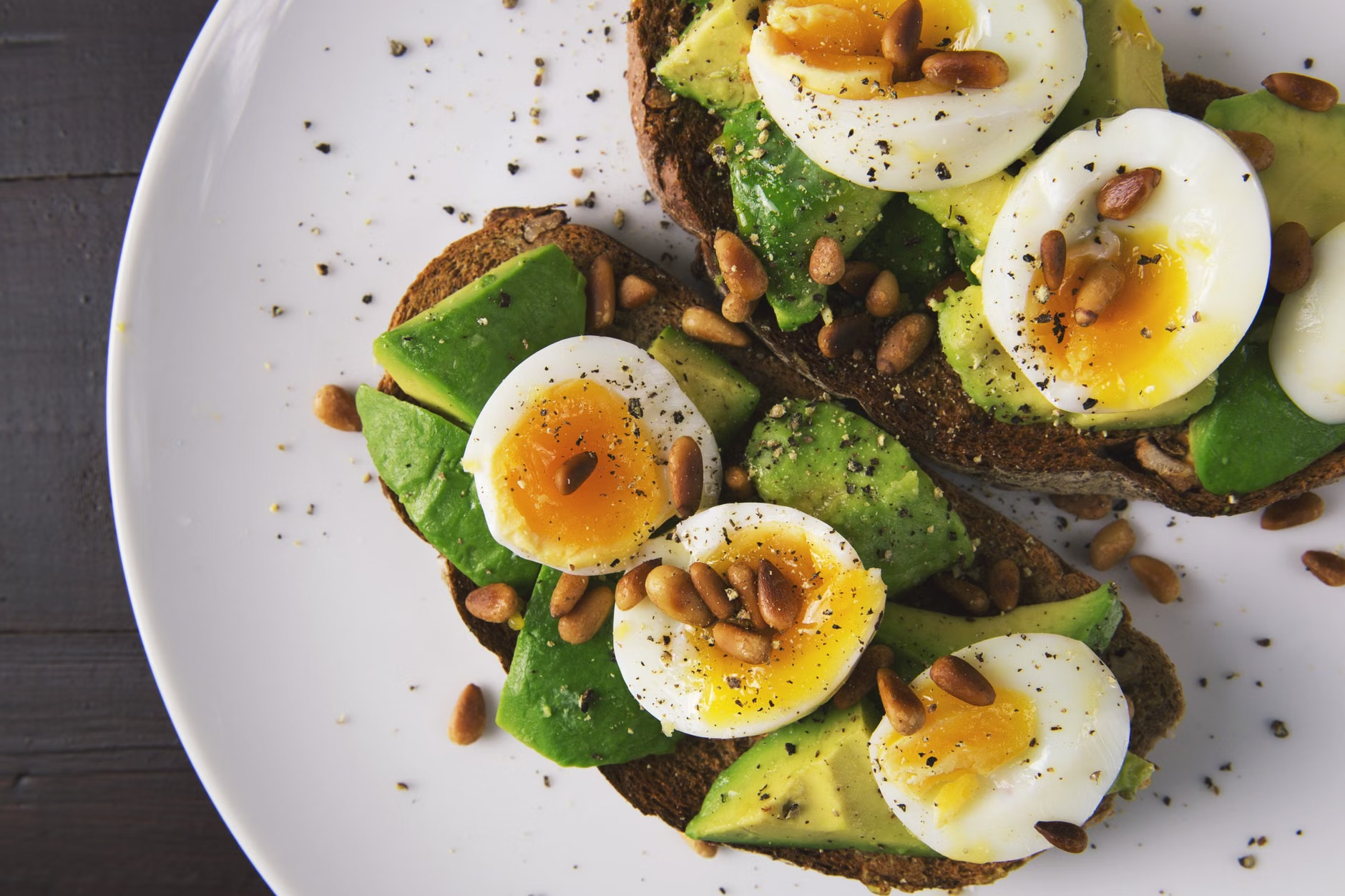
For many adults, the goal is to maintain health without the complexity of managing an extensive supplement regimen. Integrating biotin-rich foods into your daily routine can be simple and enjoyable. For example, adding a hard-boiled egg to your breakfast or incorporating legumes into your soups can increase your intake without the need for pills.
Practical Tip: If you are looking to increase your intake, focus on variety. Nutrition is rarely about one single vitamin; it is about the “food matrix”—the way different nutrients work together in a whole food. A handful of almonds provides not just biotin, but also magnesium and healthy fats that support brain and heart health simultaneously.

Conclusion: A Balanced Approach
Vitamin B7 (Biotin) is a vital component of a healthy metabolic system, assisting in the essential conversion of food into energy. For the majority of adults aged 60 to 80, a diverse diet provides all the biotin necessary for healthy skin, hair, and metabolic function. While supplements exist, they should be approached with caution due to the risk of interfering with critical medical diagnostics. By focusing on whole-food sources and maintaining open communication with your healthcare team regarding your supplement use, you can safely support your wellbeing throughout your senior years.
Frequently Asked Questions
- Do I need a biotin supplement for better hair growth?
There is limited high-quality evidence that biotin supplementation improves hair growth in individuals who are not already deficient. Most hair changes in older adults are related to genetics, hormonal shifts, or other nutritional factors like iron or protein intake. It is best to consult your doctor to identify the specific cause of hair thinning rather than relying on supplements. - Is it safe to take a multivitamin that contains biotin?
Yes, for most people, a standard multivitamin containing a modest amount of biotin is safe. However, always check the label for the dosage. Many “hair, skin, and nail” formulas contain doses significantly higher than the recommended daily intake. Ensure you inform your doctor about all supplements you take so they can account for this during blood tests. - What are the symptoms of a true biotin deficiency?
True biotin deficiency is rare but can present as hair loss, a red scaly rash (often around the eyes, nose, and mouth), and neurological symptoms such as depression, lethargy, or numbness and tingling in the extremities. If you experience these symptoms, seek professional medical evaluation rather than attempting to treat them with over-the-counter supplements.
Official Guidance and References: