- The 2026 standards prioritize “universal design,” focusing on seat height, armrest stability, and backrest angles to accommodate varying levels of mobility.
- New international guidelines mandate higher seat heights (45–50 cm) to reduce the physical strain of sitting down and standing up.
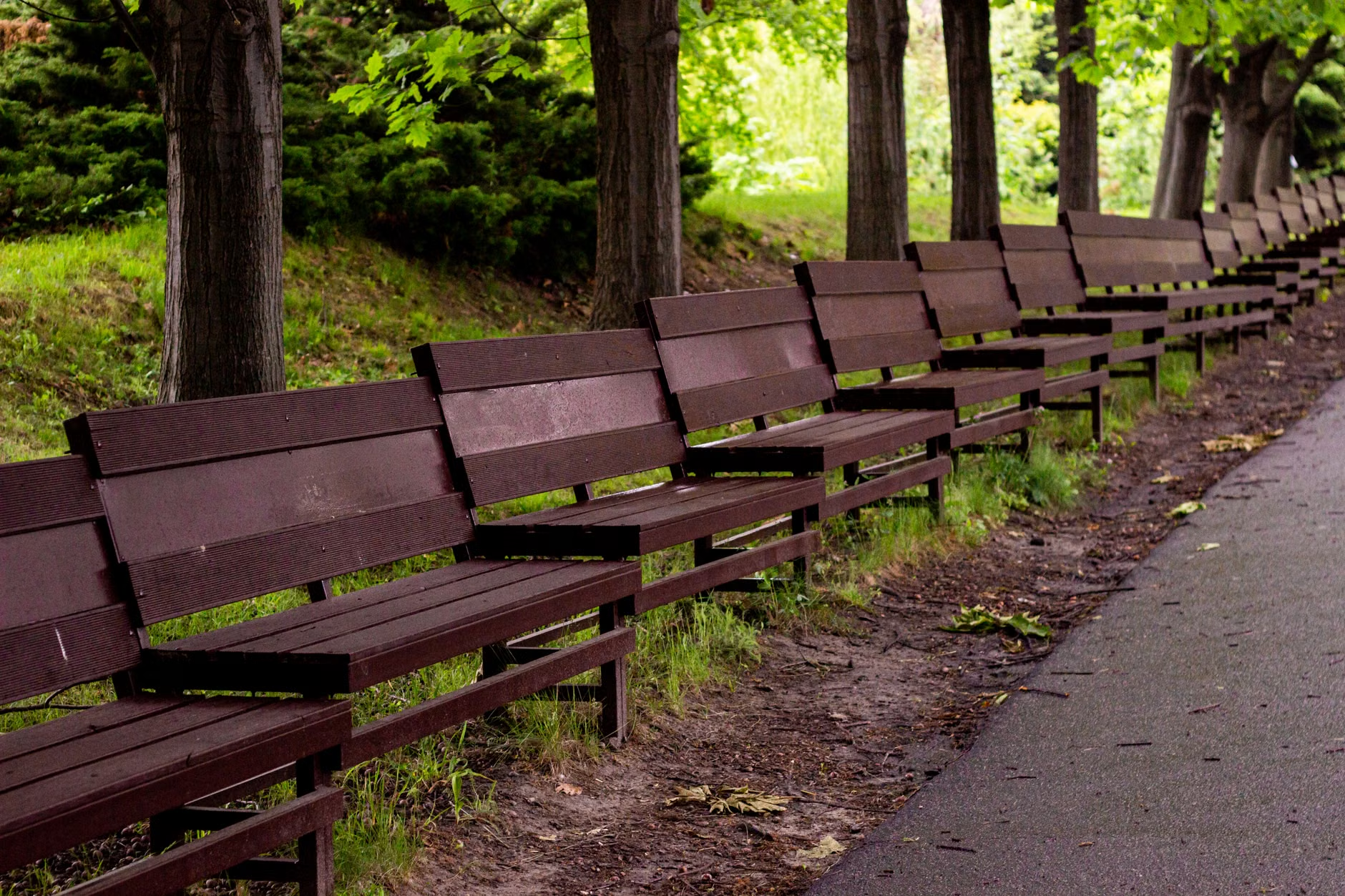
- Urban planning updates now emphasize “rest intervals,” requiring benches to be placed at consistent 50-meter to 100-meter distances in major public parks.
For many older adults, a park bench is more than just a piece of street furniture; it is an essential piece of infrastructure that allows for prolonged outdoor activity, social connection, and physical recovery during a walk. As of 2026, international guidelines for public space furniture have undergone significant updates to better align with the needs of an aging global population. These standards—often guided by the ISO (International Organization for Standardization) and local urban planning bodies—aim to ensure that public parks remain accessible, safe, and welcoming for everyone, regardless of physical stamina or mobility aids.
Understanding the Shift in Universal Design Standards
The 2026 updates represent a move away from “one-size-fits-all” designs toward “universal design” principles. Historically, many park benches were designed for aesthetic appeal rather than human ergonomics. The new standards prioritize the biomechanics of aging, specifically targeting the reduction of joint stress and the improvement of stability.
Why does this matter? For an individual aged 60 to 80, the act of sitting down and rising from a seat involves complex coordination and muscle strength, particularly in the quadriceps and core. Benches that are too low or lack proper arm support can lead to balance issues or unnecessary strain on the knees and hips. The 2026 updates formally integrate the following requirements into procurement guidelines for municipal parks worldwide:
1. Optimized Seat Height and Depth
The standard seat height has been adjusted to a range of 45 to 50 centimeters. This height is specifically chosen because it allows the average adult to sit down with their feet firmly planted on the ground, maintaining a 90-degree angle at the knee. This position minimizes the effort required to stand up. Furthermore, seat depth is now capped at 45 centimeters to ensure that the user’s back can reach the backrest comfortably without the edge of the seat pressing into the back of the knees, which can impede circulation.
2. Armrests as Stability Anchors
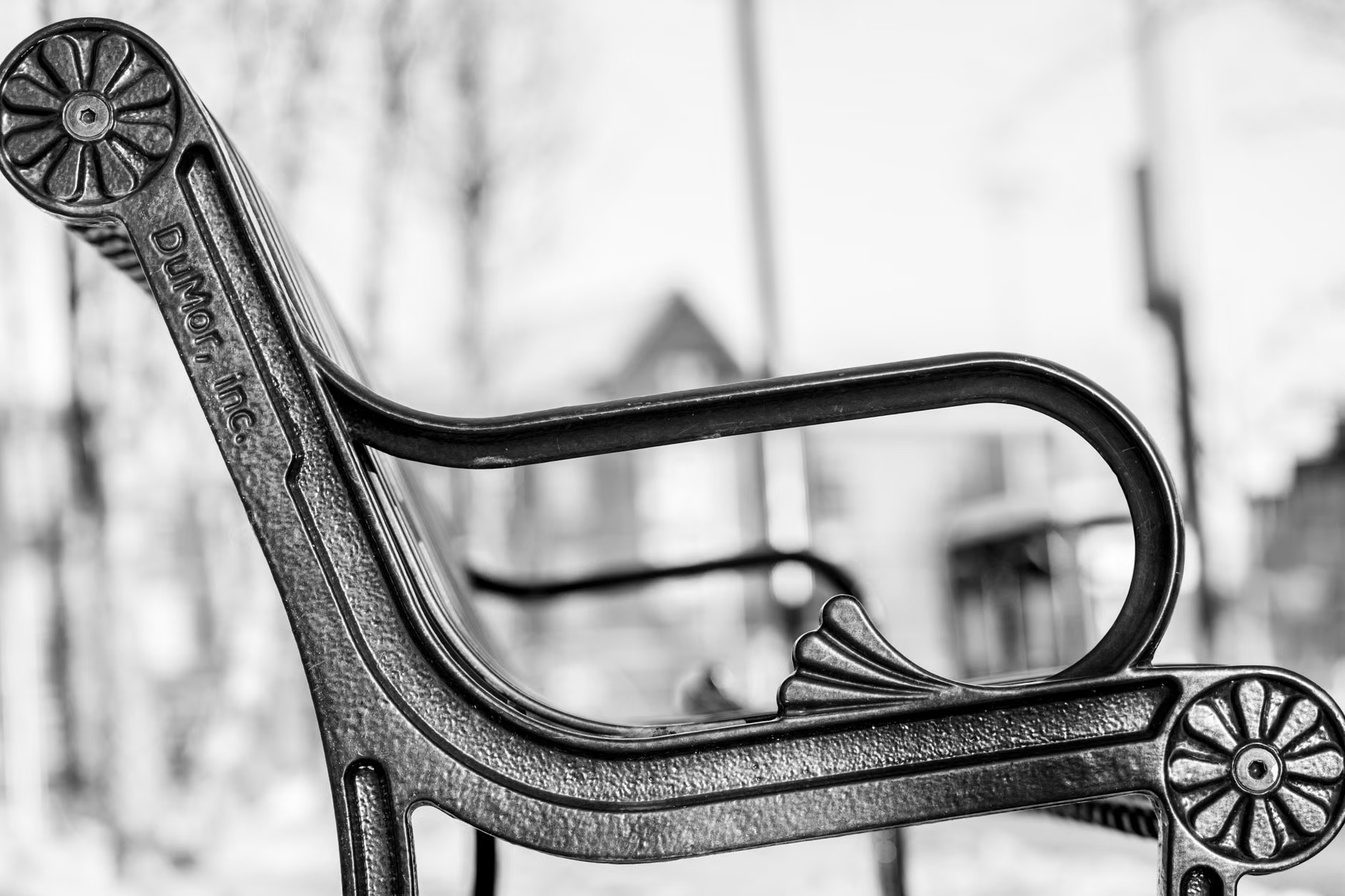
One of the most significant changes for 2026 is the mandatory inclusion of robust, high-contrast armrests on all public benches. These are not merely for comfort; they serve as critical leverage points for those who need to push themselves up. The standards now require that armrests be:
- Non-slip and easy to grip: The material must be tactile and not excessively cold or hot.
- Extended: The armrests must extend slightly past the front edge of the seat to provide support before the user has fully sat down or fully stood up.
- High-contrast: To assist those with visual impairments, armrests must be visually distinct from the rest of the bench.
The Importance of “Rest Interval” Planning
Accessibility is not just about the design of the bench itself; it is about the geography of the park. The 2026 international guidelines strongly recommend a “rest interval” model. This means that in any public park designated as “age-friendly,” a seating option must be available at least every 50 to 100 meters. This distance is calculated based on the average walking pace and stamina of adults in the 60–80 age bracket, ensuring that individuals can manage their energy levels effectively without overexertion.
Why Consistent Spacing Matters
For those managing chronic conditions such as osteoarthritis, heart disease, or general fatigue, the knowledge that a rest point is nearby provides the confidence to walk further and remain active. Without this predictability, many older adults may choose to stay home rather than risk a walk where they cannot find a place to rest when needed. The new guidelines encourage municipalities to install benches in areas that offer:
- Shade: Protection from direct sun is essential to prevent heat-related fatigue.
- Visibility: Benches should be placed where the user can see oncoming paths and intersections.
- Level Ground: The area immediately surrounding the bench must be flat and free of tripping hazards like uneven pavers or protruding tree roots.
Comparing Old vs. New Bench Standards
To help you understand how your local park might be changing, the following table compares common legacy designs with the 2026 universal standards.
| Feature | Legacy/Old Standards | 2026 Updated Standards |
|---|---|---|
| Seat Height | 35–40 cm (often too low) | 45–50 cm (optimal for knee health) |
| Armrests | Optional or absent | Mandatory and high-grip |
| Backrest | Sloped or curved | Firm, vertical support (approx. 90-100 degrees) |
| Placement | Randomly spaced | Consistent 50–100m intervals |
What this means for you: If you find yourself in a park with older, lower benches, consider your own mobility requirements. If you have knee or hip pain, these older benches may be significantly harder to exit. Prioritize choosing seating that allows for a stable, upright posture and provides armrests, as these will significantly reduce the risk of strain during your outing.
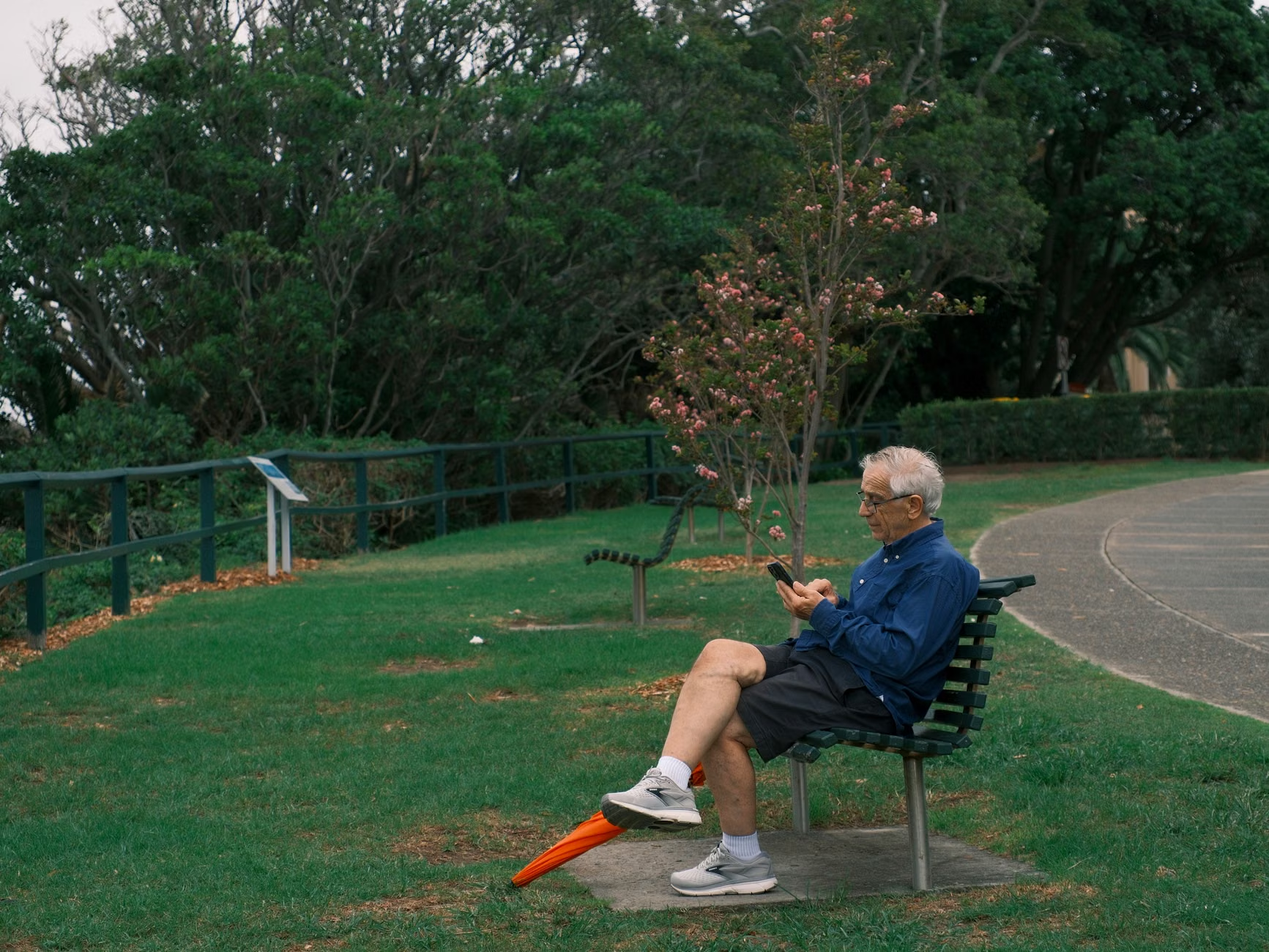
Even as cities adopt these new standards, it takes time for physical infrastructure to catch up. As an older adult, you can take a proactive approach to your outdoor leisure by being mindful of your environment and your physical limits. Here is a step-by-step approach to planning a safe, comfortable walk in a public space:
- Map Your Route: Use digital mapping tools or park websites to identify the location of restrooms and designated rest areas before you leave home. Many modern park websites now include accessibility maps.
- Assess the Terrain: Look for paths with clearly marked “accessible” routes. These usually avoid steep inclines and utilize paved surfaces rather than loose gravel or sand, which can be unstable for walking aids.
- Check Your Footwear: Even on paved paths, wear shoes with non-slip soles and adequate arch support. This is your primary defense against slips, especially when transitioning from a bench to a standing position.
- Carry a “Safety Kit”: Always carry a small bottle of water, a mobile phone, and any necessary medications. If you use a cane or a walker, ensure the rubber tips are in good condition to prevent slipping on smooth park surfaces.
Common Mistake: Many people overestimate their stamina on a good day. It is better to plan a route that has multiple rest points than to aim for a long, continuous loop that leaves you exhausted halfway through. Remember, the goal of physical activity is to build endurance over time, not to reach the point of total fatigue.
The Role of Caregivers and Family Members
If you are a caregiver or a family member, you play a vital role in ensuring your loved one’s outdoor experience is positive. When visiting a park together, consider the following:
- Pace Setting: Let your loved one set the pace. What feels like a “slow” walk to you may be the optimal intensity for their cardiovascular health.
- Bench Inspection: Before your companion sits, quickly inspect the bench for dampness, bird droppings, or structural instability. If the bench is in direct sun, consider using a lightweight, portable seat cushion to provide both comfort and a barrier against heat.
- Communication: Ask, “Would you like to take a break?” rather than waiting for them to show signs of fatigue. This empowers them to manage their own energy without feeling like they are “slowing you down.”
Insights into Urban Health and Longevity
The push for these 2026 standards is rooted in a growing body of research regarding “active aging.” Public spaces that are designed to be accessible act as a preventative health intervention. When an individual feels confident in their ability to move through their neighborhood, they are more likely to engage in regular physical activity. This regular, low-impact exercise—such as walking—is one of the most effective ways to maintain bone density, improve balance, and support cardiovascular health.
However, there is an overlooked variable: the “psychological barrier” of accessibility. When cities explicitly design for the 60+ demographic, it signals that older adults are a valued part of the public sphere. This sense of inclusion can lead to increased social interaction, which is a critical factor in mental well-being and cognitive health. If you notice a park that is particularly well-designed, consider providing feedback to your local city council or parks department. Public awareness and positive reinforcement from the community are what drive the continued adoption of these standards.
Frequently Asked Questions
1. Are these 2026 standards mandatory for all parks?
The 2026 standards are generally applied to new construction and major renovations. Existing parks may not be retrofitted immediately unless the local municipality has a specific policy for accessibility upgrades. It is always a good idea to check your local city government’s “Accessibility Plan” or “Age-Friendly City” initiatives to see what is being implemented in your area.
2. How can I report a bench that is unsafe or poorly placed?
Most local governments have a “Public Works” or “Parks and Recreation” department. Many now have online portals or mobile apps where you can report maintenance issues. When reporting, be specific: note the exact location, the nature of the issue (e.g., “bench is loose,” “seat is too low for safe access”), and how it impacts your ability to use the park.
3. Does the 2026 standard cover benches in other public areas like bus stops?
Yes, the principles of universal design are increasingly being applied to all public transit infrastructure. The goal is to create a seamless “chain of accessibility” from your home to the park, to the bus stop, and into other public buildings. While implementation speeds vary by region, the trend is moving toward consistent standards across all municipal outdoor furniture.
For more information on global age-friendly initiatives, you may visit the World Health Organization’s Age-Friendly World network, which tracks progress and provides resources for cities striving to improve accessibility for older residents.