- Vitamin K1 is essential for activating proteins that regulate blood clotting and calcium binding in bones.
- For those on blood-thinning medications like warfarin, consistency in Vitamin K1 intake is more important than avoidance.
- Focus on dark leafy greens and cruciferous vegetables to meet daily requirements through whole foods rather than supplements.
Vitamin K1, scientifically known as phylloquinone, is a fundamental nutrient that plays a decisive role in the physiological maintenance of the human body, particularly as we navigate our sixties, seventies, and beyond. Unlike many other nutrients that act as antioxidants or structural building blocks, Vitamin K1 functions primarily as a “molecular switch.” It activates specific proteins that are responsible for two of the most critical processes in aging: the regulation of blood coagulation and the mineralization of bone tissue.
For adults aged 60 to 80, understanding the role of Vitamin K1 is not merely about meeting a daily recommended intake; it is about managing the intersection of natural aging processes, such as bone density reduction, and the potential interactions with common medications used to manage cardiovascular health.
The Physiological Mechanisms of Vitamin K1
To appreciate why Vitamin K1 matters, one must understand its mechanism of action. Vitamin K1 is a cofactor for an enzyme called gamma-glutamyl carboxylase. When this enzyme receives a signal, it uses Vitamin K1 to modify specific proteins, adding a chemical group that allows them to bind to calcium. Without this process—known as carboxylation—these proteins remain inactive and cannot perform their vital tasks.
Regulating Blood Coagulation
The most well-known function of Vitamin K1 is its role in the coagulation cascade. When you experience a minor cut or injury, your body initiates a complex sequence of events to form a clot and stop the bleeding. Several of the proteins involved in this cascade, specifically factors II, VII, IX, and X, require Vitamin K1 for activation. Without adequate levels of this vitamin, the body’s ability to manage blood clotting effectively is compromised.
Bone Metabolism and Calcium Binding
Beyond blood, Vitamin K1 is critical for skeletal health. The protein osteocalcin, which is produced by bone-building cells called osteoblasts, requires Vitamin K1 to bind calcium into the bone matrix. In older adults, the ability to effectively deposit calcium into the bones is a primary defense against the progression of osteopenia and the risk of fractures. By ensuring that calcium is directed into the bone rather than accumulating in the soft tissues or blood vessels, Vitamin K1 serves as a vital gatekeeper for structural integrity.
Daily Dietary Sources and Absorption Dynamics
Vitamin K1 is abundant in nature, primarily found in plant-based sources. However, the bioavailability—the amount your body can actually absorb and use—varies significantly depending on how the food is prepared and consumed.
The Best Dietary Sources
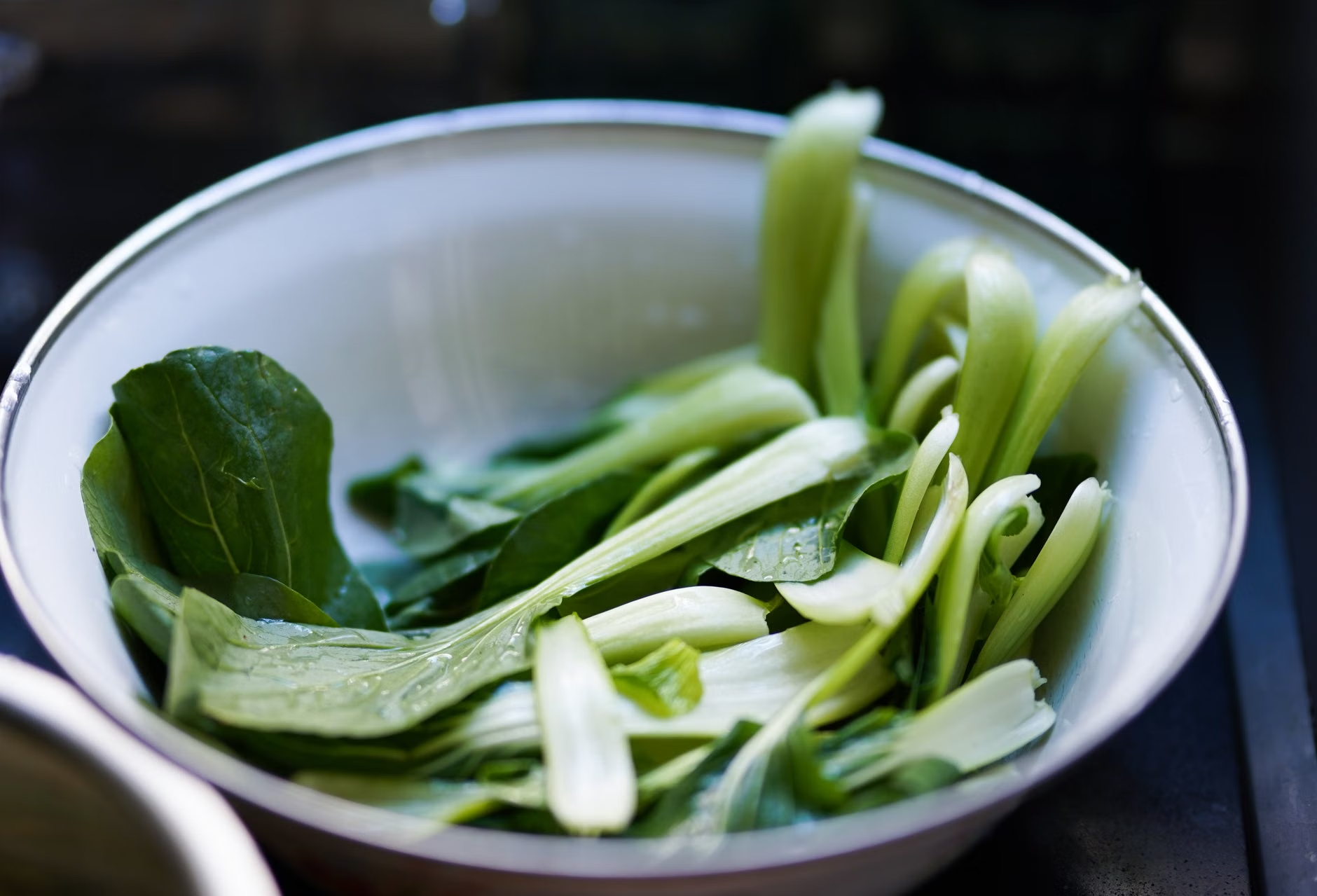
The richest sources of Vitamin K1 are dark green leafy vegetables. Because Vitamin K1 is fat-soluble, it is absorbed most efficiently when consumed alongside a source of healthy dietary fat, such as olive oil, avocado, or nuts.
| Food Item | Typical Serving | Vitamin K1 Content (Approximate) |
|---|---|---|
| Kale (cooked) | 1/2 cup | 500+ mcg |
| Collard Greens (cooked) | 1/2 cup | 400 mcg |
| Spinach (cooked) | 1/2 cup | 400 mcg |
| Broccoli (cooked) | 1/2 cup | 100 mcg |
| Brussels Sprouts (cooked) | 1/2 cup | 100 mcg |
Note: These values are estimates based on standard nutritional databases. Actual content can vary based on soil quality, harvest time, and preparation methods.
Absorption Strategies for Seniors
As we age, digestive efficiency can change. To maximize the absorption of Vitamin K1, consider these practical strategies:
- Pair with Fats: Always include a source of healthy fat, such as a tablespoon of olive oil on your spinach or a few slices of avocado with your broccoli.
- Light Cooking: While raw greens are healthy, lightly steaming or sautéing them can actually break down the tough plant cell walls, making the Vitamin K1 within them more accessible to your digestive system.
- Consistency over Quantity: Rather than consuming a massive amount of kale once a week, aim for smaller, consistent servings of various green vegetables throughout the week.
One of the most significant concerns for adults in the 60-80 age bracket is the interaction between Vitamin K1 and anticoagulant medications, most notably warfarin (often sold under brand names like Coumadin). Warfarin works by inhibiting the recycling of Vitamin K, effectively “thinning” the blood by reducing the availability of the vitamin to activate clotting factors.
The Myth of Avoidance
A common misconception is that patients on warfarin must avoid Vitamin K1 entirely. This is medically incorrect and potentially dangerous. The goal of warfarin therapy is to maintain a stable, predictable level of blood thinning. If you drastically reduce your Vitamin K1 intake, your blood becomes too thin; if you suddenly increase it, the medication becomes less effective.
The Strategy of Consistency
The clinical guidance for those on blood thinners is to maintain a consistent daily intake of Vitamin K1. By keeping your intake stable, your healthcare provider can adjust your medication dosage to match your diet, rather than trying to hit a moving target. If you are on anticoagulants, follow these steps:
- Track Your Intake: Keep a simple log of your green vegetable consumption for one week to see what your “normal” looks like.
- Communicate with Your Doctor: Before making any significant changes to your diet, such as starting a new green smoothie regimen or increasing your vegetable intake, discuss it with your physician or pharmacist.
- Watch for Changes: If you are traveling or attending events where your diet might change significantly, be aware that these shifts can affect your medication’s efficacy.
Bone Health Beyond Vitamin K1
While Vitamin K1 is essential for bone metabolism, it does not act in isolation. For adults 60 to 80, focusing on bone health requires a multi-faceted approach. Vitamin K1 works in tandem with other nutrients to ensure your skeletal structure remains as resilient as possible.
The Calcium-Vitamin D-Vitamin K Trio
Think of this as a team:
- Calcium: The raw material for bone strength.
- Vitamin D: The facilitator that allows your body to absorb calcium from the digestive tract.
- Vitamin K1: The traffic controller that ensures the absorbed calcium is deposited into the bone matrix rather than the arteries.
Ensuring you have adequate levels of all three is far more effective than focusing on any single nutrient in isolation. For example, excessive calcium supplementation without adequate Vitamin D and Vitamin K can theoretically lead to calcium deposition in soft tissues, which is not the desired outcome for cardiovascular or skeletal health.
Practical Steps for Skeletal Maintenance
Beyond diet, consider these lifestyle factors that impact how your body utilizes the nutrients you ingest:
- Weight-Bearing Exercise: Walking, resistance training, or even gardening provides the mechanical stress necessary to signal to your body that it needs to maintain bone density.
- Hydration: Proper hydration supports the transport of nutrients and overall metabolic function.
- Regular Screenings: Discuss bone density scans (DEXA scans) with your healthcare provider to establish a baseline and track changes over time.
Common Misconceptions and Nuanced Realities
In the world of nutrition, misinformation is rampant. For the older adult, distinguishing between marketing hype and physiological reality is essential for both health and budget management.
Supplements vs. Whole Foods
There is currently no robust clinical evidence suggesting that healthy older adults require Vitamin K1 supplements if they are consuming a balanced diet. The body is highly efficient at recycling Vitamin K. Furthermore, supplements often contain isolated forms of the vitamin that may not be absorbed as effectively as the food-bound forms. Unless a physician has diagnosed a specific deficiency or a malabsorption issue, prioritize the produce aisle over the supplement aisle.
The “Miracle Cure” Trap
Be wary of any source claiming that Vitamin K1 will “reverse” osteoporosis or “cure” cardiovascular disease. Nutrition is a foundational pillar of health, not a pharmacological cure. It works over years and decades, not days and weeks. If you encounter claims that sound like miracle cures, they are almost certainly unsupported by scientific consensus.
Hidden Variables: Gut Microbiome
An often-overlooked factor is the gut microbiome. While the majority of our Vitamin K1 comes from our diet, a small amount is produced by the bacteria in our intestines. As we age, changes in the gut microbiome can occur. Maintaining a diet rich in fiber—which also happens to be found in the same vegetables that provide Vitamin K1—supports the diversity of your gut bacteria, which may indirectly support your overall Vitamin K status.
Preparing for Medical Consultations
When discussing your nutritional habits with a healthcare professional, coming prepared can make the conversation much more productive. Use this checklist to organize your thoughts:
- Current Medication List: Bring a complete list of all prescriptions, over-the-counter medications, and herbal supplements. Many herbal supplements can interact with blood thinners just as significantly as food.
- Dietary Log: If you are concerned about your Vitamin K1 intake, keep a 3-day food diary. Be specific about portion sizes, especially regarding leafy greens.
- Symptom Record: If you have experienced any unusual bruising or bleeding, note the frequency and severity. This is vital information for doctors managing coagulation.
- Questions to Ask:
- “Given my current medications, is there a specific daily target range for Vitamin K1 I should aim for?”
- “Are there specific symptoms of over-coagulation or under-coagulation I should be monitoring at home?”
- “Do my recent blood test results (such as an INR test) suggest that my current diet needs adjustment?”
Conclusion: The Long-Term View
Maintaining adequate Vitamin K1 levels is a simple, effective, and manageable aspect of daily health for adults aged 60 to 80. By focusing on a consistent, vegetable-rich diet, you are providing your body with the tools it needs to regulate blood coagulation and support bone mineralization. Remember, the goal is not perfection, but rather the creation of sustainable, healthy habits that integrate into your daily life.
Whether you are managing a chronic condition that requires careful medication monitoring or simply looking to optimize your nutritional intake for the years ahead, the principles remain the same: prioritize whole foods, maintain consistency, and engage in open, informed dialogue with your healthcare team. Nutrition is a lifelong journey, and small, consistent choices made today yield the most significant benefits in the long term.
Frequently Asked Questions
1. Can I get enough Vitamin K1 from a multivitamin?
Most standard multivitamins contain a small amount of Vitamin K, but it is often in a form or dosage that is not intended to replace dietary intake. For the vast majority of older adults, the most effective way to meet Vitamin K1 requirements is through the consumption of dark leafy greens and cruciferous vegetables, which provide additional fiber, minerals, and phytonutrients that supplements cannot replicate.
2. Does cooking vegetables destroy Vitamin K1?
Vitamin K1 is relatively heat-stable, meaning that standard cooking methods like steaming, boiling, or sautéing do not destroy it. In fact, as mentioned previously, light cooking can help break down the fibrous cell walls of vegetables, potentially increasing the amount of Vitamin K1 your body can absorb during digestion. Avoid deep-frying or over-boiling, which can lead to the loss of other water-soluble vitamins.
3. What are the signs of a Vitamin K1 deficiency?
A true clinical deficiency of Vitamin K1 is relatively rare in healthy adults because the body recycles the vitamin efficiently. However, the primary signs of deficiency are related to impaired blood clotting. This might manifest as easy bruising, excessive bleeding from small cuts, or nosebleeds. If you notice these symptoms, especially if you have recently changed your diet or started a new medication, consult your healthcare provider immediately for a blood coagulation test.
Disclaimer: This article is for informational purposes only and does not constitute medical advice, diagnosis, or treatment. Always seek the advice of your physician or other qualified health provider with any questions you may have regarding a medical condition or dietary changes.
Official Resources for Further Reading: