- Prioritize Infrastructure: Always verify physical accessibility, such as step-free access and the availability of ergonomic seating, before booking a workshop.
- Pacing is Paramount: Select workshops that offer modular sessions or “half-day” options to ensure your stamina remains high throughout your travels.
- Verify Tool Ergonomics: Confirm that the workshop provides specialized or ergonomic tools if you have concerns regarding hand dexterity or grip strength.
For many active adults, travel is no longer just about sightseeing; it is about immersion. Engaging in local artisan workshops—whether it is traditional Japanese pottery in Kyoto, Italian leatherworking in Florence, or textile weaving in the Peruvian Andes—offers a profound connection to a destination’s culture. However, for travelers aged 60 to 80, the excitement of learning a new craft must be balanced with practical considerations regarding mobility, physical comfort, and logistical support.
Defining the “Senior-Friendly” Artisan Workshop
A “senior-friendly” workshop is defined not by the age of the participants, but by the intentional design of the learning environment. It is an infrastructure that removes physical and cognitive barriers, allowing the participant to focus entirely on the creative process rather than navigating a space that was not designed for a diversity of physical abilities.
When evaluating a workshop, look for these three pillars of accessibility:
- Ergonomic Environment: Tables should be at a height that prevents stooping, and chairs must provide adequate lumbar support. Avoid workshops that require prolonged standing or sitting on stools without backrests.
- Logistical Ease: The facility should be near public transport hubs or offer clear, level pedestrian access. Stairs without handrails or steep inclines are immediate red flags.
- Instructional Pacing: Expert instructors in a senior-friendly setting prioritize demonstration and guided practice over high-speed production. They should allow for frequent breaks and offer one-on-one assistance.
Physical Accessibility: A Checklist for Your Inquiry
Before you commit to a booking, it is essential to communicate directly with the workshop organizers. Do not rely solely on website descriptions, which often prioritize aesthetics over utility. Use this checklist to screen potential venues:
| Category | Key Question to Ask | Why It Matters |
|---|---|---|
| Access | Is the entrance step-free or served by a ramp/lift? | Prevents fall risks and fatigue before the session starts. |
| Seating | Are chairs provided with adjustable height and back support? | Crucial for preventing back strain during long sessions. |
| Facilities | Are restrooms on the same level as the workshop? | Reduces unnecessary navigation and energy expenditure. |

Evaluating Stamina and Pacing in Crafting
A common mistake is over-scheduling. If you are participating in a multi-day craft retreat, ensure that the itinerary includes significant “recovery blocks.” A high-quality workshop provider will understand that cognitive load and physical activity combined can be draining.
Strategic Pacing Tips:
- The 90-Minute Rule: Aim for sessions that last no longer than 90 minutes before a scheduled break.
- Travel Proximity: Choose a workshop located within a 15-minute walk or a short, direct taxi ride from your accommodation.
- Climate Awareness: If you are traveling to a humid or high-altitude destination, reduce your activity levels for the first 48 hours to allow your body to acclimatize before starting an intensive workshop.
Selecting Tools for Comfort and Safety
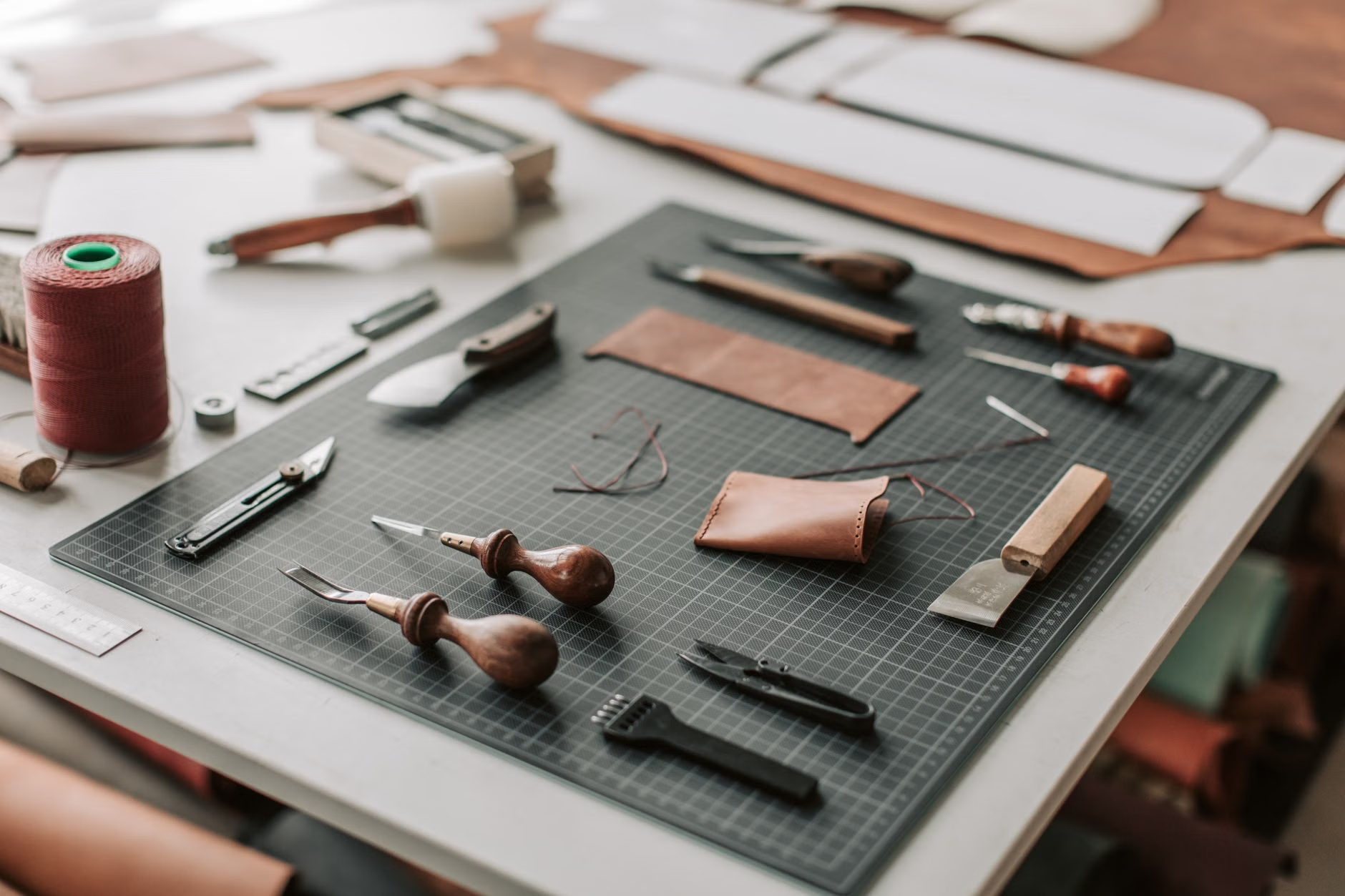
Many traditional artisan crafts involve repetitive motions or heavy tools. As we age, our grip strength and joint flexibility may change. This does not mean you cannot participate; it means you should advocate for the right equipment.
For example, if you are interested in a woodcarving workshop, ask if they provide tools with ergonomic, rubberized grips rather than thin, metal handles. In pottery, inquire if the studio uses electric wheels with foot pedals that allow for fine-tuned speed control, reducing the need for constant physical pressure.
If you have concerns about specific physical limitations—such as arthritis—it is perfectly acceptable to explain this to the instructor in advance. A professional artisan will often have “hacks” or alternative techniques that achieve the same aesthetic result with less physical strain on your joints.
The Hidden Variable: Language and Communication
When traveling abroad, the language barrier can be a source of stress, especially when learning complex manual skills. A workshop that is “senior-friendly” often utilizes visual demonstrations and printed step-by-step guides alongside verbal instruction.
Before booking, ask if the instructor is accustomed to international students. Workshops that cater to a global audience are more likely to have bilingual materials or to demonstrate processes slowly, focusing on muscle memory rather than technical jargon. If you are concerned about understanding instructions, look for workshops that provide a written “Take-Home Guide” at the end of the session, allowing you to review the steps at your own pace back in your hotel.
Financial and Logistical Planning
Artisan workshops vary wildly in cost. When budgeting, consider not just the workshop fee, but the “hidden” logistics:
- Shipping Costs: If you are creating a physical object (like a ceramic vase or a painting), check if the studio provides shipping services to your home country. Shipping heavy items can sometimes cost more than the workshop itself.
- Cancellation Policies: Given that travel plans for seniors can change due to health or sudden fatigue, prioritize booking platforms that offer flexible cancellation policies.
- Insurance Coverage: Ensure your travel insurance covers “activity-based” accidents. While rare, a minor injury during a craft workshop should be covered under your policy’s medical provisions.
Integrating Wellness into Your Creative Journey
The act of creating is inherently therapeutic, but it should not come at the expense of your daily health routine. Maintain your hydration, take your regular medications on time, and prioritize sleep. If your workshop is in a bustling city, try to schedule your craft time for the mornings when the city is quieter and your energy levels are typically highest.
Remember that the goal of these workshops is enrichment. If a specific technique is too demanding, do not feel pressured to complete it perfectly. The value lies in the experience, the interaction with the local artisan, and the creative process itself.
Conclusion: Crafting with Confidence
Selecting an artisan workshop as an older adult is about preparation, communication, and self-awareness. By prioritizing venues that offer physical accessibility, ergonomic tools, and sensible pacing, you can ensure that your creative journey is both safe and deeply rewarding. Take the time to research, ask the right questions, and choose experiences that align with your physical comfort, allowing you to focus on the joy of making something unique with your own hands.
Frequently Asked Questions (FAQ)
1. How can I verify if a workshop is truly accessible if the website is unclear?
Send a polite, specific email to the workshop organizer. Ask, “I am interested in your workshop, but I have some mobility concerns. Could you please confirm if there are stairs at the entrance, and if the seating provided has back support?” If they do not respond or are vague, it is usually better to look for a more responsive provider.
2. Should I bring my own tools to an international workshop?
Generally, no. Most artisan workshops provide all necessary equipment. However, if you have a specific medical requirement for an ergonomic tool, you can ask the studio if they allow you to bring your own or if they can provide a specialized version. Carrying extra weight in your luggage is also a factor to consider.
3. What should I do if I feel overwhelmed or physically tired during a workshop?
Never hesitate to speak up. A reputable instructor will appreciate your honesty. You can say, “I am enjoying the session, but I need to take a five-minute break to stretch.” Most workshops are designed to be flexible, and your health and comfort are the priority. Do not push through pain or severe fatigue.
Official resources for accessible travel planning:
Sage Traveling (Accessibility resources for global travel)
Tourism for All (Information on accessible tourism standards)
*Disclaimer: This article provides general guidance for planning creative travel experiences. It does not replace professional medical advice. Always consult with your healthcare provider regarding your physical capabilities before undertaking new or intensive physical activities.*